


Pair Vintage Urn Lamps
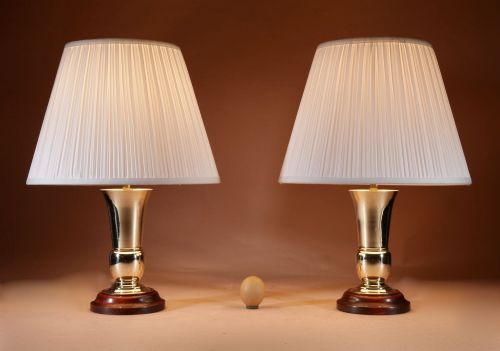
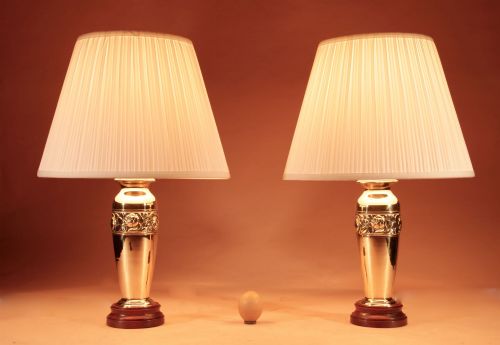
These pair vintage urn lamps bring symmetrical weight and classical form to a room, turning converted vessels and decorative columns into functional lighting.
Pair Vintage Urn Lamps
When you search for pair vintage urn lamps, you encounter matching sets of lighting fixtures derived from traditional urns, vases, candlesticks, and oil lamps. The selection spans the nineteenth century through the interwar decades, drawing heavily on French and Japanese traditions.
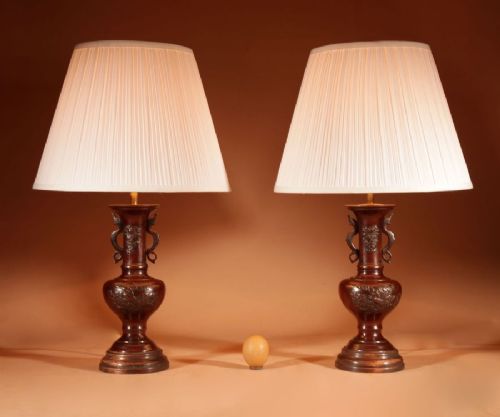
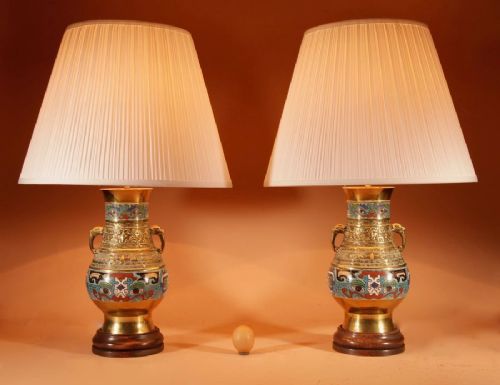
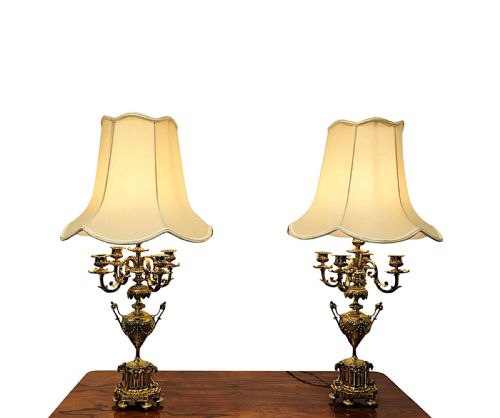
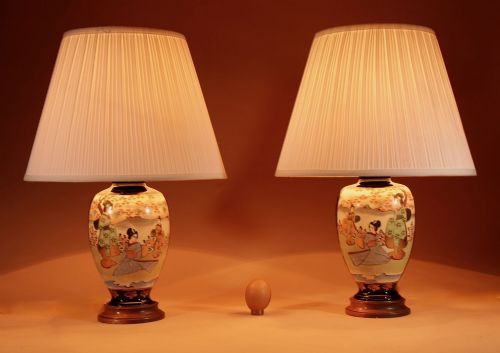
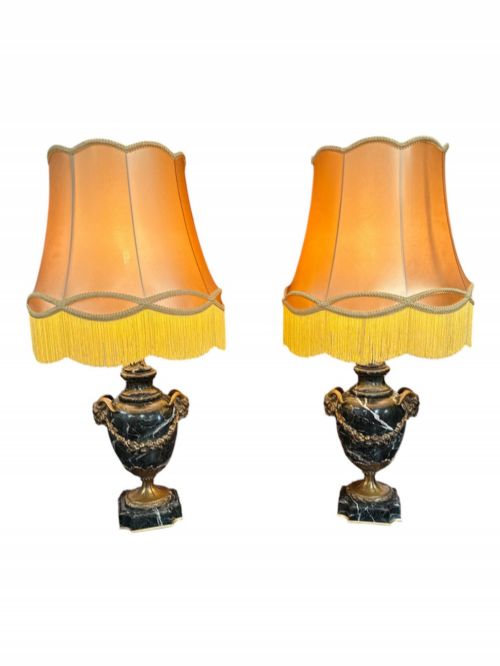
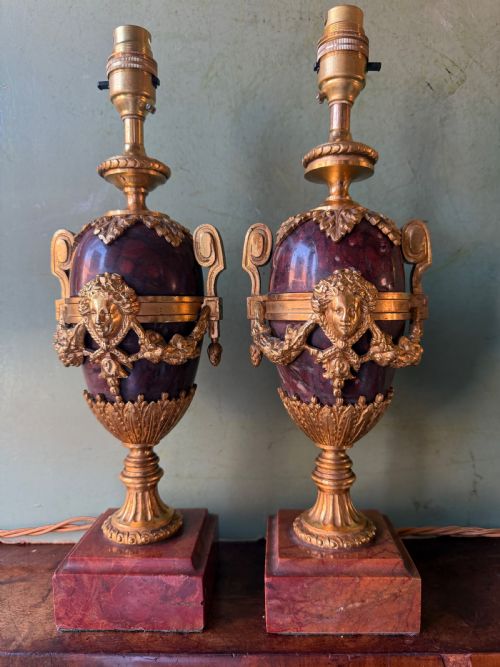
The most frequent examples on this page combine classical revival influences with practical table lighting. You find nineteenth-century French marble and ormolu designs alongside Japanese Satsuma, bronze, and cloisonné pieces adapted for electrical use.
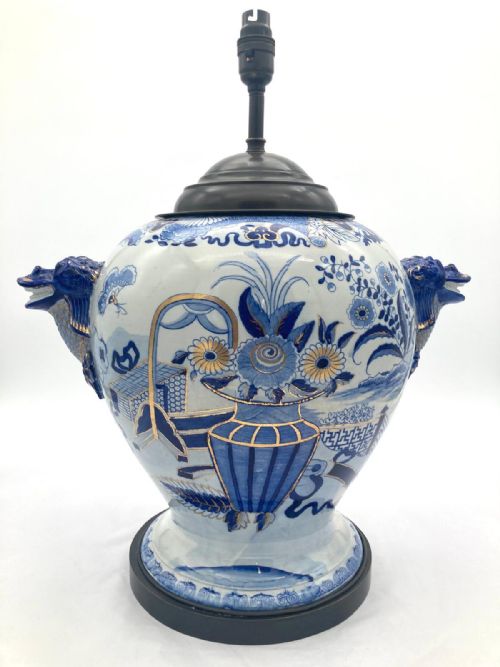
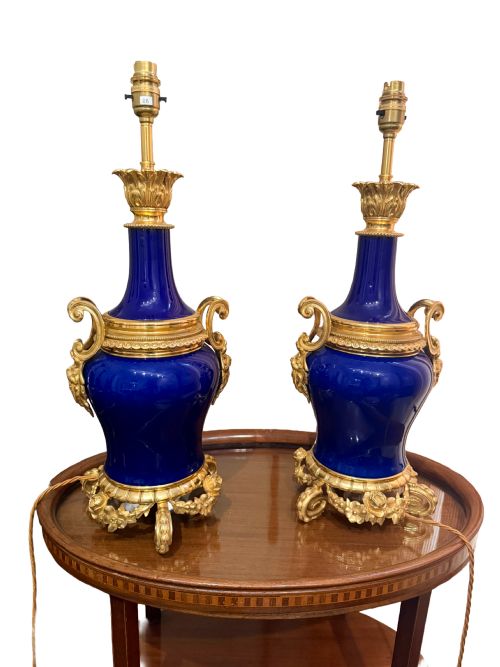
Many items begin life as ornamental vessels, such as porcelain vases, ironstone jugs, or cassolettes, before conversion into lamps. This heritage gives them a substantial presence that differs from standard manufactured lighting.
How They Were Made
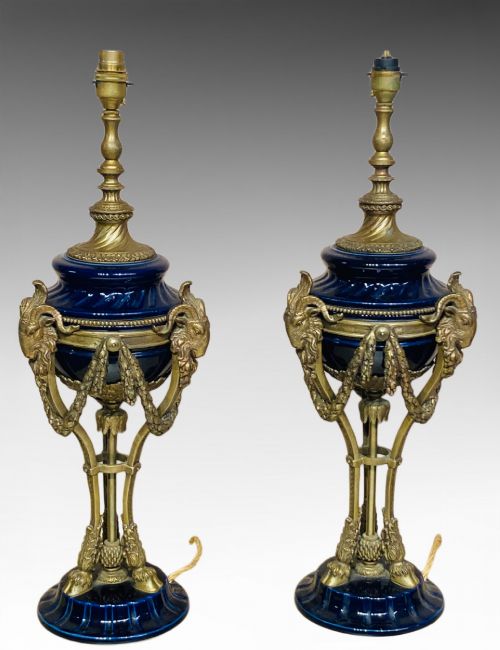
Materials divide broadly between cast metals and natural stones, paired with ceramic bodies. Brass, bronze, spelter, and ormolu provide structural mounts and bases, often combined with white onyx, rouge marble, or Siena marble.
Ceramic elements utilise traditional glazing and painting techniques, seen in Satsuma earthenware, blue and white porcelain, and champlevé enamel work. Metal components involve casting, chasing, and gilding to achieve decorative surface detail.
Conversion work integrates electrical fittings into existing antique bodies, occasionally adapting former oil lamps or candelabra by adding wiring channels and fabric or glass shades.
Several pairs began life as oil lamps or temple vases before finding a second career illuminating twentieth-century sitting rooms.
What Varies in Quality
Quality rests in the harmony of the pair and the crispness of the casting or hand-painting. Superior examples maintain exact symmetry in their stone or ceramic bodies and precision in their metal mounts.
Finer ormolu and gilt bronze mounts show sharp chiselling rather than soft, muddy edges. Hand-painted porcelain displays depth of colour and careful detailing that cheaper mass-produced alternatives lack.
The Pair Vintage Urn Lamps Glossary
- Ormolu
- Gilt bronze mounted on decorative objects. This technique involves applying a finely ground gold-mercury amalgam to bronze, creating a warm golden finish.
- Cassolette
- A decorative vase or urn with a reversible lid that functions either as a vessel or a burner. They frequently appear converted into decorative lamps.
- Satsuma
- A type of Japanese earthenware with a pale crackle glaze, typically decorated with polychrome enamels and gold. These wares often feature in nineteenth-century decorative lighting.
- Champlevé
- An enamelling technique where troughs are carved into a metal surface and filled with vitreous enamel before firing. It appears on brass and bronze lamp bodies.
- Neoclassical
- A style drawing inspiration from classical antiquity, marked by symmetry, restraint, and classical motifs such as urns and columns. This aesthetic underpins much nineteenth-century French design.
Pair Vintage Urn Lamps: Frequently Asked Questions
How do I clean antique brass and ormolu?
Dust metal components gently with a soft, dry cloth to prevent the accumulation of grime. Avoid abrasive cleaners or chemical dips that strip historical patina and damage gilt surfaces.
For stubborn dust in recessed chasing, use a soft natural bristle brush. Preserving the original surface finish maintains the character of the piece.
Are these lamps safe for modern electrical use?
Most antique lamps have been adapted from earlier oil lamps, vases, or candlesticks over time. Rewiring is often necessary to meet current safety standards.
Have a qualified electrician inspect the internal wiring and lampholders before regular use. This ensures the vintage body remains undamaged while functioning safely.
How do I match lamp shades to urn lamps?
Consider the scale and material of the base when selecting a shade. Fabric, opaline glass, or metallic shades should complement the proportions of the urn without overwhelming the body.
Neutral tones or coordinated colours echo the hues found in the ceramic or marble below. The shade height should balance the overall vertical line of the fixture.
How do I identify French Louis XVI style lamps?
Look for straight tapered legs, architectural symmetry, and classical motifs such as acanthus leaves and urn shapes. These designs reflect eighteenth-century ideals revived during the nineteenth century.
Materials typically include fine marble bases paired with gilt bronze or ormolu mounts. The overall effect emphasises restraint and classical proportion.