
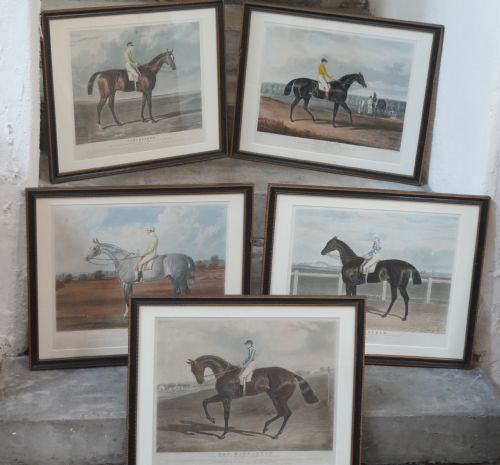


Classic Artwork Print
These classic artwork print pieces bring historic imagery and traditional framing into domestic spaces.
Classic Artwork Print
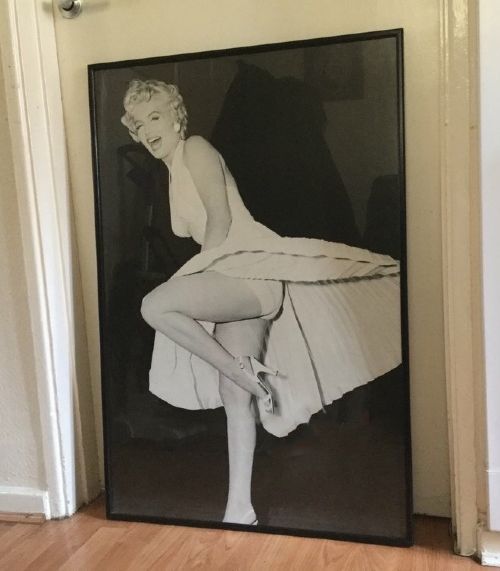
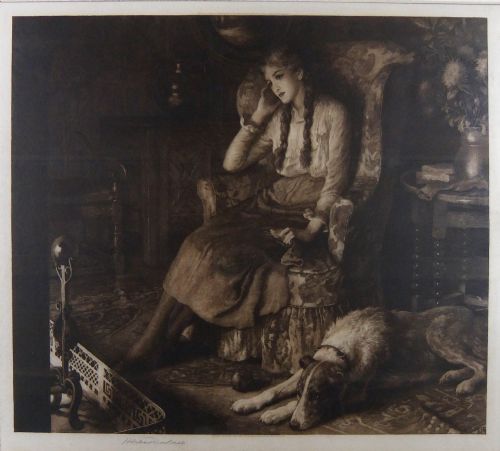
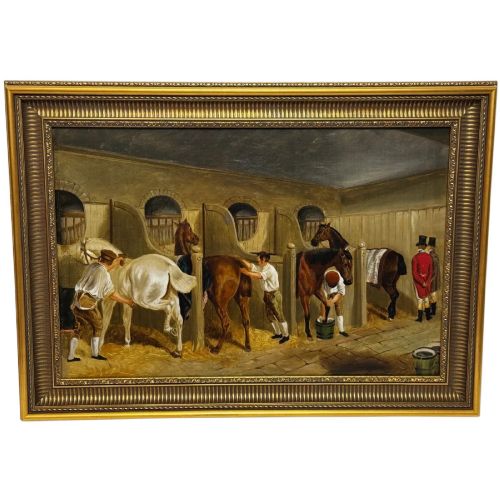
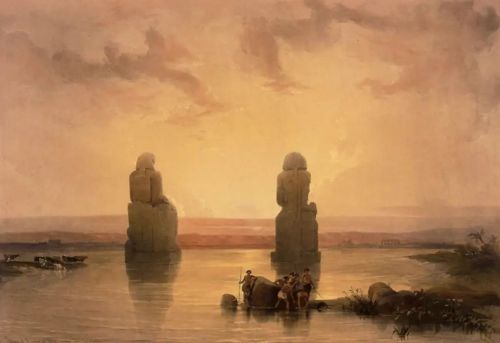
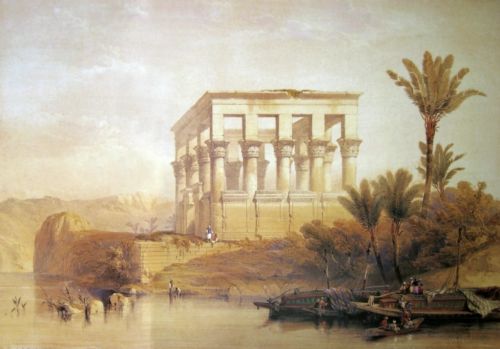
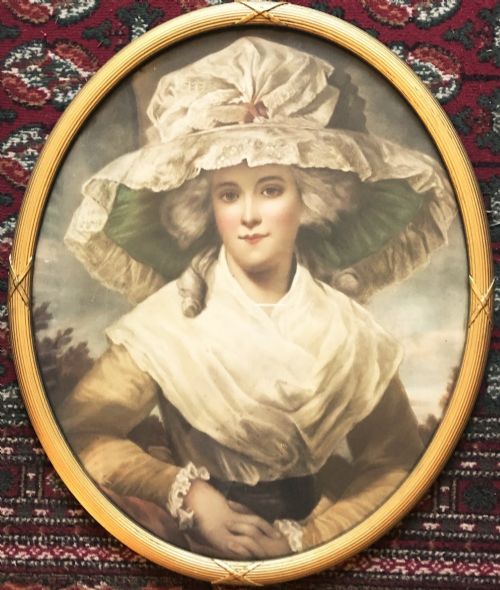
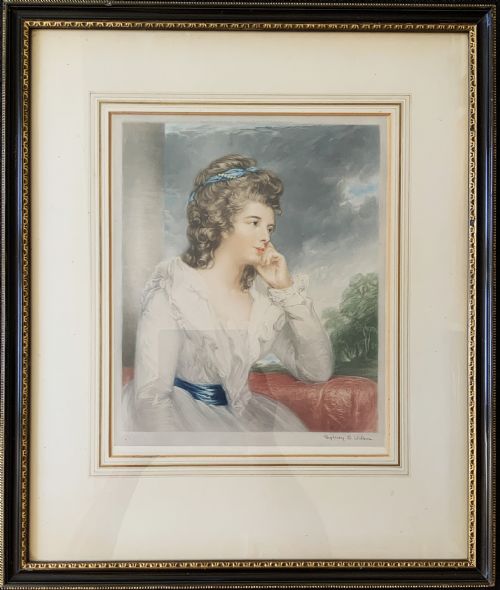
A classic artwork print encompasses reproduction engravings, original etchings and framed wall art spanning the Victorian era through to the mid-twentieth century. Buyers seeking this style encounter subjects ranging from equestrian scenes and sporting illustrations to classical portraits and landscape compositions.
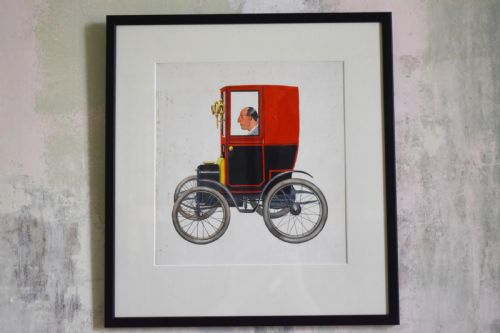
The selection on this page relies heavily on nineteenth-century prints alongside twentieth-century motoring posters and sporting plates. Most examples arrive behind glass in wooden or gilt frames that complement the age of the paper and ink.
Materials and techniques
Makers utilised paper and ink for engravings, etchings and mezzotints, applying pressure through printing presses to transfer fine lines onto the sheet. Artists also worked directly in oil on canvas or watercolour on paper for original painted works.
Frames incorporate wood, gilt wood, and gold leaf applied over gesso to protect the artwork. Glazing in glass preserves the delicate surface of paper prints from atmospheric dust and moisture.
Listings feature paper, glass, wood, ink, and oil on canvas across nineteenth-century and mid-twentieth-century items.
Variations in quality
Quality rests upon the crispness of the ink impression on paper and the depth of the plate mark left by the original etching or engraving. Strong impressions display sharp detail in facial expressions and background elements, whereas worn plates yield soft or muddy lines.
The integrity of the framing materials also distinguishes superior pieces, with original gilt wood frames and clean glass retaining more historical character than later replacements. The preservation of the paper sheet free from heavy foxing or fading defines the upper tier.
Herbert Dicksee·David Roberts·Sydney Wilson·Gustave Doré·Hendricus Joseph Dillens·Sir Thomas Lawrence·Terence Loudon·Arthur Hacker·James Dobie·Franz Reder Broili·Margaret Evangeline Wilson·Landseer·J F Herring
The Classic Artwork Print Glossary
- Etching
- A printmaking technique where an artist uses acid to cut into the unprotected parts of a metal plate to hold the ink. This method produces fine, fluid lines characteristic of many nineteenth-century works.
- Mezzotint
- A printmaking process of the intaglio family where the plate is roughened to produce dark tones and scraped to create light areas. It allows for subtle gradations of shade particularly suited to portraiture.
- Engraving
- A method of cutting design lines into a hard plate using a burin, resulting in precise and clean impressions on paper. Multiple copies are produced from a single prepared plate.
- Artist proof
- A trial print pulled to enable the artist to check the state of the plate before the main edition is printed. These pieces often command strong interest from collectors.
- Foxing
- Brown spots or patches caused by chemical reactions in ageing paper exposed to humidity over decades. This is a common occurrence in historic printed works.
Classic Artwork Print: Frequently Asked Questions
How do I care for a framed paper print?
Keep the piece away from direct sunlight to prevent the ink and paper from fading over time. Maintaining a stable room temperature protects the paper and the wooden frame from warping.
Ensure the glazing remains intact to shield the surface from dust and atmospheric pollutants. Professional framing using acid-free backing materials helps secure the paper for the future.
What is the difference between an etching and an engraving?
An etching relies on acid to bite lines into a metal plate, creating a freer and more painterly line quality. Engravings are cut directly into the metal using a sharp tool called a burin.
This mechanical cutting gives engravings a crisper and more uniform appearance. Both techniques produce fine art prints that retain their clarity across centuries.
Are these prints original to their stated period?
The listings on this page originate from the periods stated, ranging from Victorian times to the mid-twentieth century. The paper, printing technique, and framing methods align with the production standards of those eras.
Examining the plate marks, paper texture, and framing style helps confirm the historical context of each piece. Dealers assess these physical attributes to verify the age.
How should I hang vintage wall art?
Select a wall space that avoids strong, direct sunlight and excessive moisture such as a bathroom or damp hallway. Secure picture hooks directly into wall studs or use appropriate wall anchors to support the weight of the timber and glass.
Hang the artwork at eye level to enjoy the fine details of the engraving or oil painting. Ensure the frame sits level against the wall using stable fixings.