

Classic 1960s Dress Watch
A classic 1960s dress watch combines mid-century restraint with mechanical reliability, offering a slim profile that slips easily beneath a shirt cuff.
Classic 1960s Dress Watch
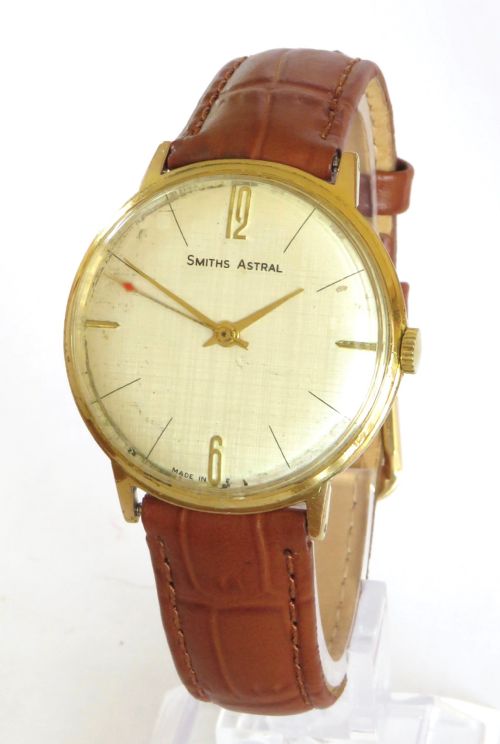
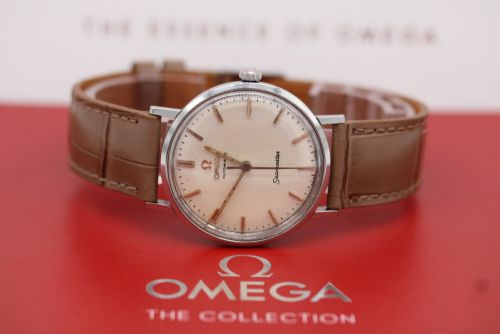
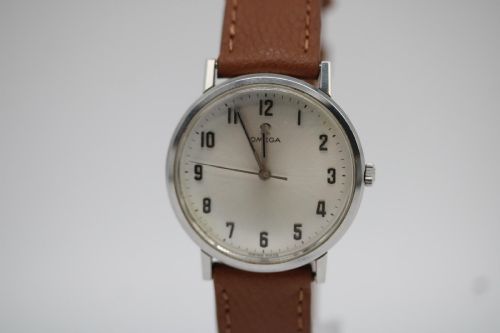
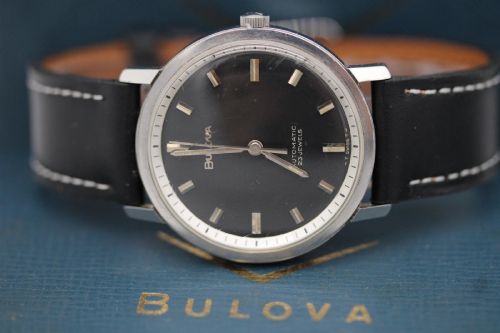
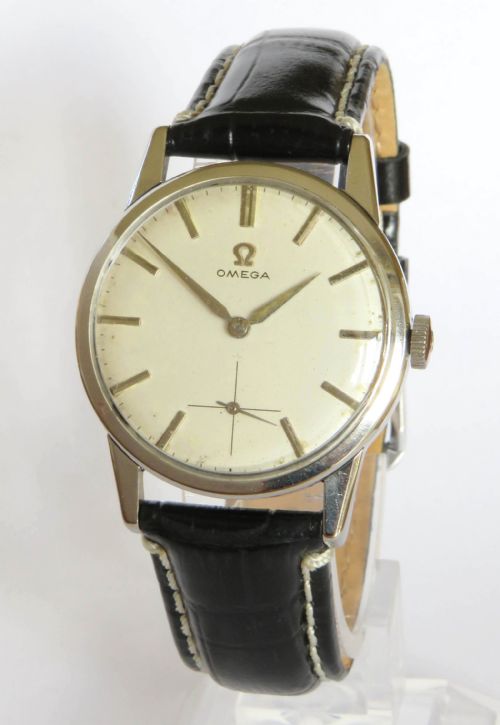
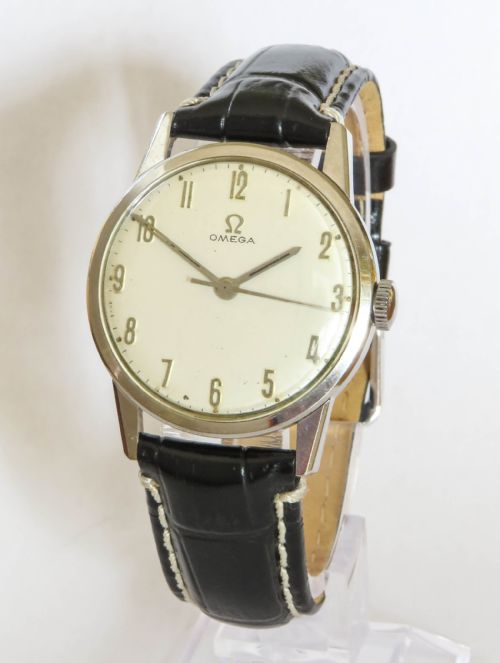
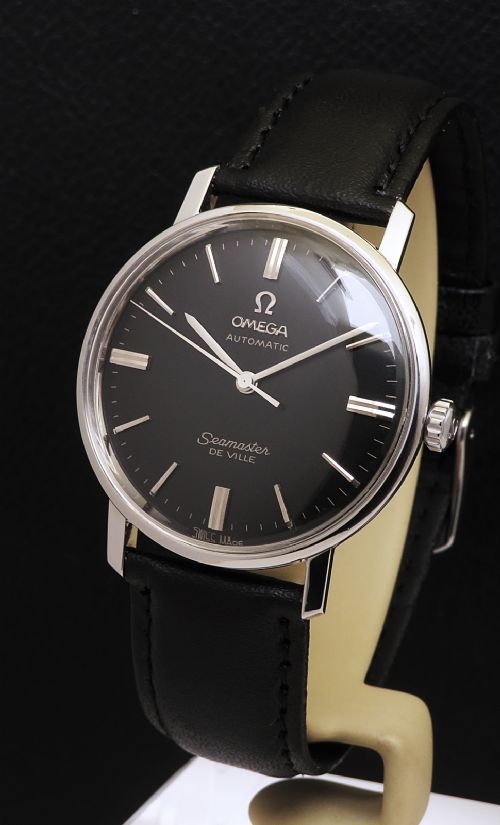
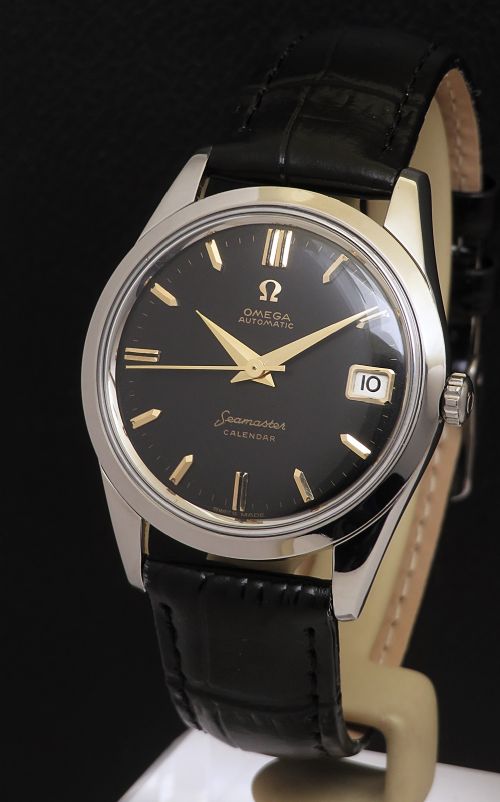
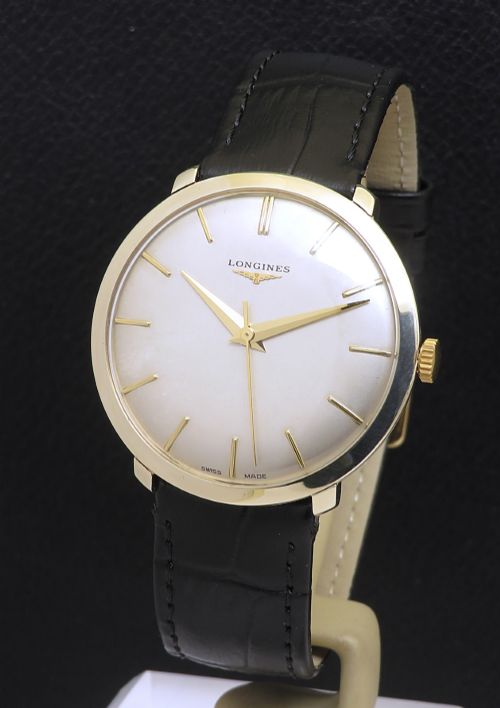
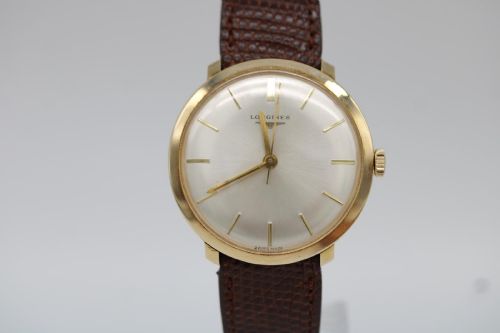
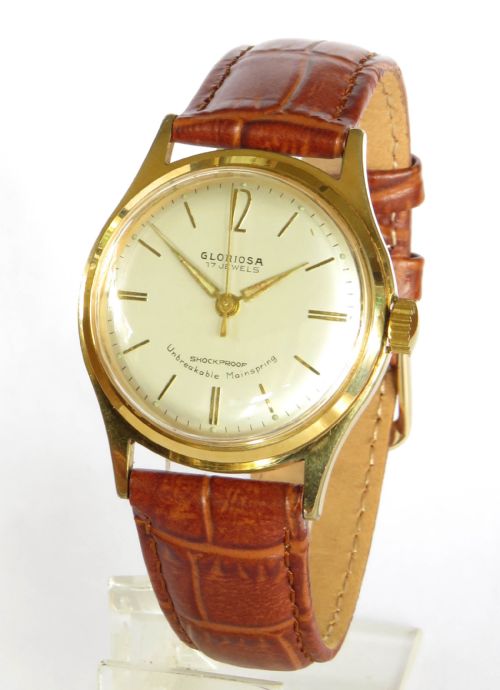
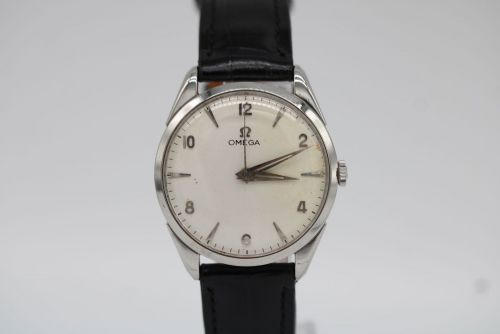
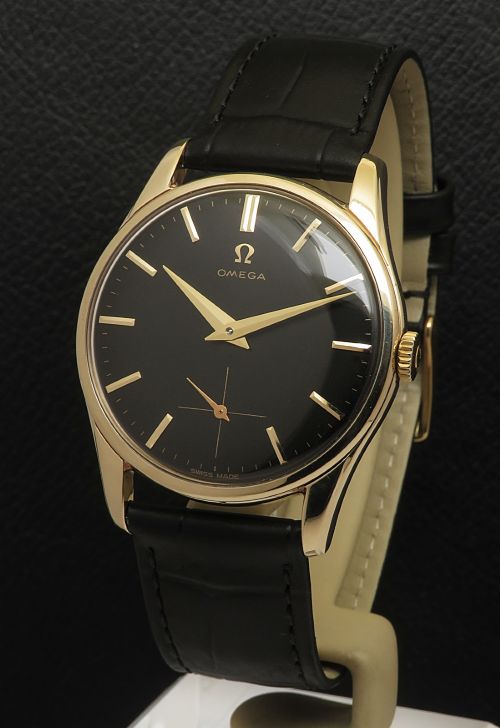
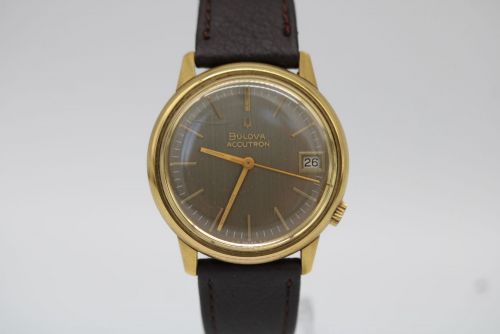
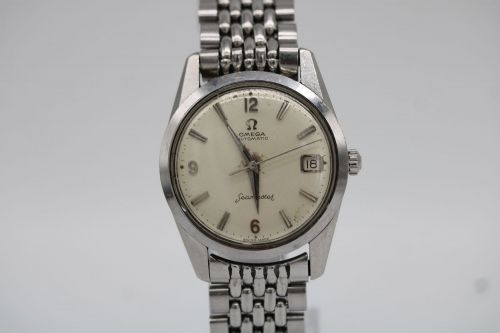
A classic 1960s dress watch is a gents or ladies timepiece built during a period that prioritised clean lines and understated dials. The versions met most often on this page take the form of manual wind or automatic wristwatches housed in round or tonneau cases.
The aesthetic sits firmly within mid-century design, drawing on styles described as mid-century modern or mid-century British. These pieces were produced by major Swiss and British makers to serve as dependable daily timekeepers for the wrist.
Makers focused on legibility and minimalism, resulting in silver, black, or gold sunburst dials free of extraneous decoration. Such designs reflect the architectural and industrial shifts of the 1950s and 1960s.
How They Were Made
Cases were fashioned from stainless steel, brass, gold plate, or solid 9ct and 18ct gold, paired with acrylic glass or acrylic crystal over the dial. Leather straps secured the watch to the wrist, often fastened with original buckles.
Internal movements relied on mechanical engineering, utilising manual wind calibres or automatic self-winding mechanisms containing multiple jewels. Dials incorporated applied hour markers and fine hands behind glass, sometimes protected by threaded or snap-on case backs.
Classic 1960s Dress Watch Retail Price Guide 2026
Typical asking prices for classic 1960s dress watch among the pieces listed under this phrase on Sellingantiques today, from the lower quarter to the upper quarter. They describe what is for sale here now, not the wider market.
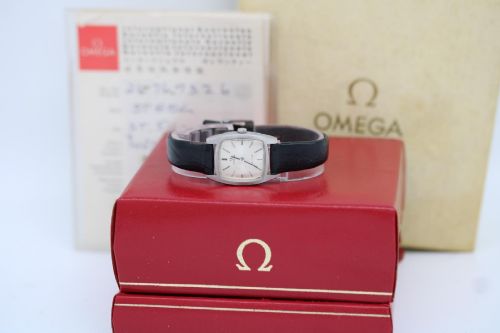
Several watches still retain their tiny branded boxes, proving that past owners kept the cardboard packaging for decades.
What Varies in Quality
Quality depends on the material of the case and the grade of the movement inside, moving from plated brass foundations up to solid 9ct or 18ct gold housings. The presence of original packaging, paperwork, and signed crowns elevates the integrity of an individual piece.
The condition of the dial dictates the desirability of the watch, with untouched sunburst or explorer layouts holding more appeal than heavily refinished surfaces. Mechanical preservation also plays a part, distinguishing recently serviced calibres from those requiring intervention.
Omega·Bulova·Smiths·Longines·Cyma·Rolex·Certina·Avia·Tudor·Eterna·Girard Perregaux·Garrard
The Classic 1960s Dress Watch Glossary
- Calibre
- The specific internal mechanical movement manufactured by a watchmaker. This identifier denotes the exact design and series of the gear train and escapement.
- Manual wind
- A mechanical movement wound by hand via the crown to tension the mainspring. This system requires daily interaction to keep the watch running.
- Automatic
- A self-winding mechanical movement that uses a weighted rotor to tension the mainspring through the natural motion of the wearer's wrist.
- Acrylic glass
- A lightweight, shatter-resistant plastic material shaped into domed crystals to cover the dial. It can be polished to remove surface scuffs.
- Sunburst dial
- A metallic dial finish featuring brushed lines radiating outwards from the centre. This treatment catches the light dynamically as the wrist moves.
Classic 1960s Dress Watch: Frequently Asked Questions
How do I wind a manual watch?
Turn the crown clockwise between your thumb and forefinger until you feel gentle resistance. Stop immediately to avoid over-tensioning the mainspring.
Wind the piece at the same time each day to maintain consistent tension and accurate timekeeping.
Can I wear my watch swimming?
Vintage dress watches from this era were not built for aquatic use and lack modern water-resistance seals. Exposure to moisture can rust internal steel components and ruin the dial.
Keep the watch away from sinks, showers, and rain to preserve the movement and leather strap.
How do I care for acrylic glass?
Acrylic glass is softer than mineral glass and picks up fine scratches during daily wear. These marks can be buffed out using a specialised polishing paste and a soft cloth.
Take care around sharp edges to avoid deep gouges that require complete crystal replacement.