

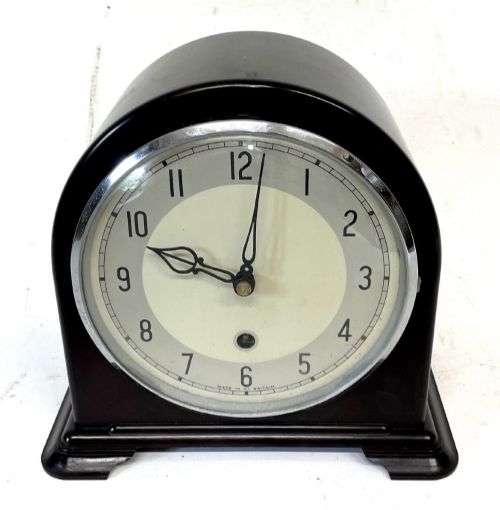


Vintage British Timekeeper
These vintage british timekeeper pieces bring mechanical precision and utility into daily life, offering a tangible connection to mid-century railway, military, and maritime operations.
Vintage British Timekeeper
A vintage british timekeeper encompasses portable pocket watches, wristwatches, heavy-duty wall clocks, and ship timepieces originating from British railway networks, government departments, and military services. Buyers encounter functional timepieces spanning the Victorian era through the mid-twentieth century, with a strong concentration of pieces from the 1930s to the 1960s.
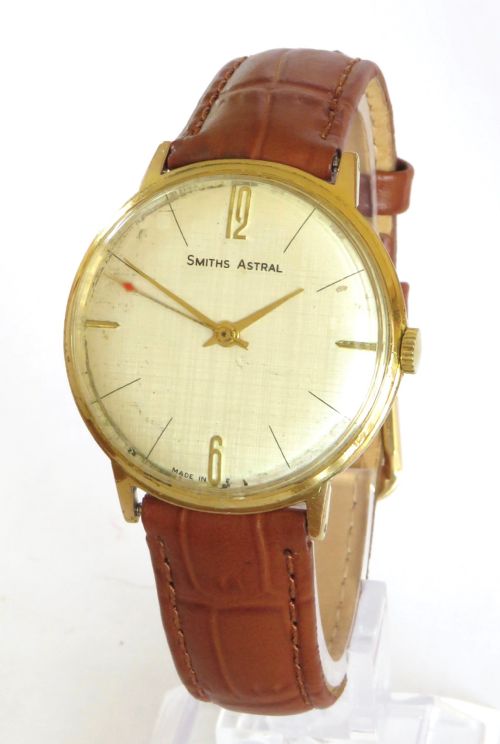
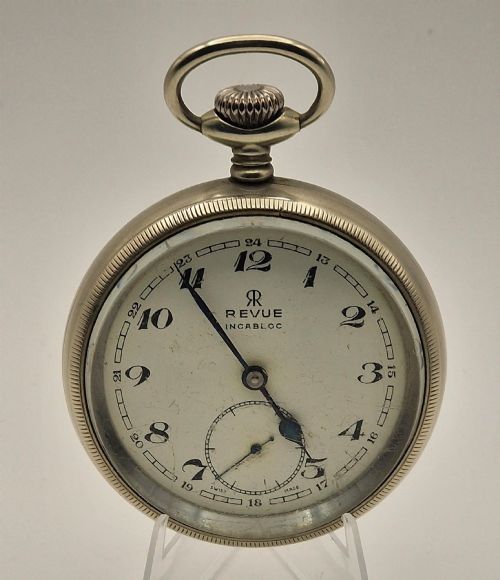
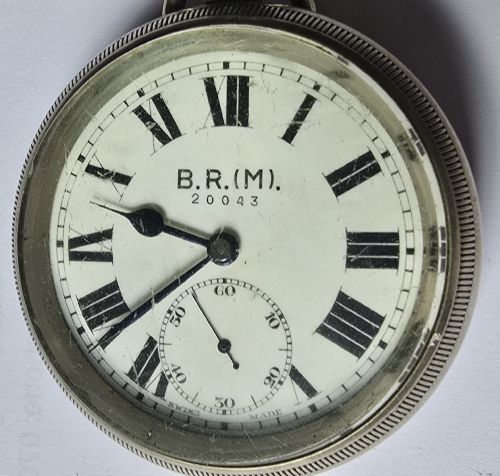
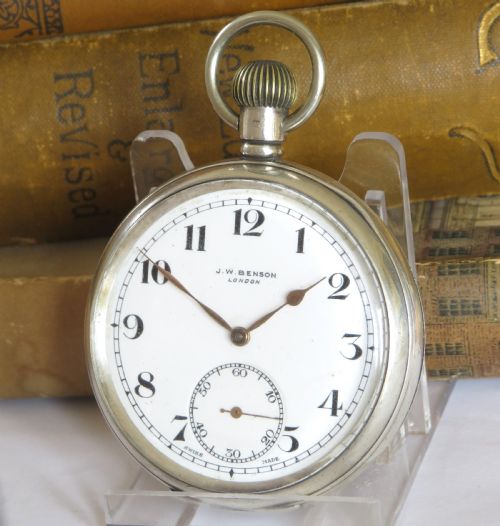
The selection on this page leans heavily toward utilitarian timepieces commissioned for specific transport and defence roles, including railway companies, the military, and maritime engine rooms. Pocket watches issued to regional railway workers and service wristwatches by makers such as Smiths dominate the forms available here.
Alongside personal timepieces, domestic and office clocks appear in materials like Bakelite and heavy brass, recording a period when instruments were built for hard service rather than decorative display. Each object carries the specific marks of its operational history, from broad arrows to engraved railway company initials.
How they were made
These timepieces rely on traditional metalworking techniques, utilising brass for internal movements, steel for springs and pinions, and chrome, nickel, or gold plate for protective outer cases. Industrial durability dictated the choice of materials, ensuring mechanisms could withstand vibration and regular handling.
Dials utilise vitreous enamel, painted metal, or paper under glass, marked with clear numerals designed for rapid reading in low light or high-pressure environments. Casings range from turned brass and heavy glass in marine engine rooms to moulded Bakelite and early plastics in later office environments.
Vintage British Timekeeper Retail Price Guide 2026
Typical asking prices for vintage british timekeeper among the pieces listed under this phrase on Sellingantiques today, from the lower quarter to the upper quarter. They describe what is for sale here now, not the wider market.
Listings feature timekeepers spanning the Victorian period through the mid-twentieth century, constructed in brass, steel, Bakelite, and glass.
What varies in quality
Quality in a vintage british timekeeper rests on the grade of the movement, the integrity of the issued markings, and the survival of the original casing. High-grade examples feature jewelled movements and signed dials from recognised retailers or direct military contractors, maintaining mechanical reliability over decades of service.
The presence of crisp, legible issue inscriptions - such as railway region stamps or Broad Arrow government marks - separates standard commercial variants from pieces tied to official service history. Preservation of original components, unpolished cases, and authentic dials dictates the standing of individual items within this field.
Smiths·Cyma·J W Benson·H W Bedford London·John Walker
The Vintage British Timekeeper Glossary
- Broad Arrow
- A British government ownership mark used extensively on military and official property, including timekeepers issued to the armed services. This stamp helps confirm a piece's official government provenance.
- Bakelite
- An early form of thermosetting plastic used for clock cases from the mid-twentieth century onwards. It provides a durable, dark housing favoured in office and mess environments.
- Vitreous Enamel
- A fused glass coating applied to metal clock dials to create a smooth, permanent white surface. This material prevents discoloration and keeps numerals sharp under heavy use.
- Engine Room Clock
- A robust marine timekeeper designed to withstand vibration and moisture in ship machinery spaces. These heavy brass instruments usually feature screw-bezel glass covers for secure sealing.
- Railway Issue
- A timekeeper purchased and distributed by railway companies to regulate train schedules and ensure operational safety. Pieces often bear engraved company initials on the case back.
Vintage British Timekeeper: Frequently Asked Questions
How do I identify a railway pocket watch?
Railway pocket watches typically feature engraved company initials or department names on the outer case back or dial, denoting their service on lines such as British Railways or the Great Northern Railway.
Movements inside these watches were built to strict timekeeping standards to ensure the safety and coordination of rail traffic across the network.
What does the Broad Arrow mark mean?
The Broad Arrow is a British government symbol stamped onto equipment, instruments, and timekeepers supplied to the military and official departments.
Its presence on a clock or watch indicates that the piece was government property, often issued for use by the armed forces or civil services.
How should I care for a mechanical timekeeper?
Mechanical pocket watches and clocks require regular winding and benefit from professional servicing every few years to keep the gear trains and springs functioning correctly.
Keep them away from excessive moisture, magnetic fields, and heavy impacts to preserve the delicate internal brass components.
Are these timekeepers suitable for daily wear?
Many vintage pocket watches and wristwatches remain robust enough for regular use, provided they are handled with care and kept away from water.
Because these pieces date back decades, treating them with greater care than modern items ensures their continued mechanical health.