

Circular Wooden Accent Table
A circular wooden accent table brings warmth and a handy surface to a corner, drawing on centuries of skill in mahogany, oak and walnut.
Circular Wooden Accent Table
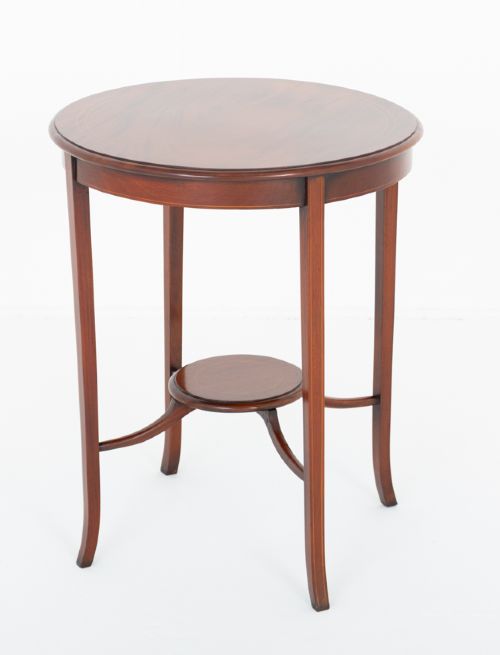
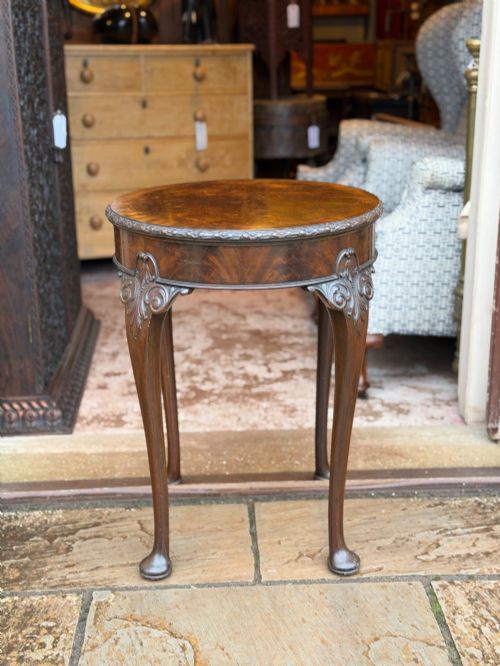
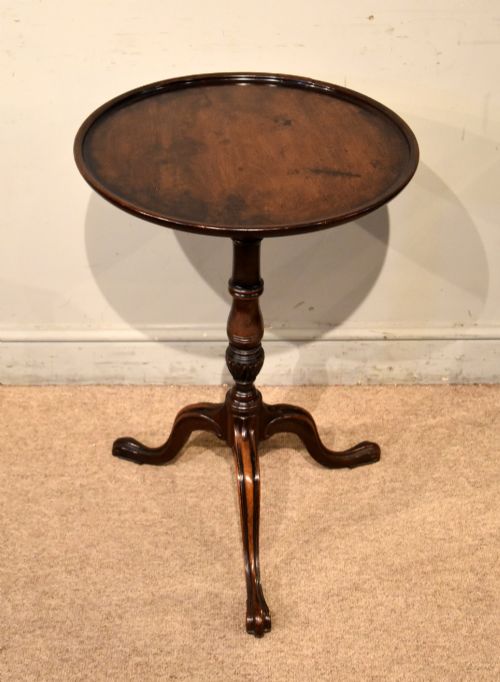
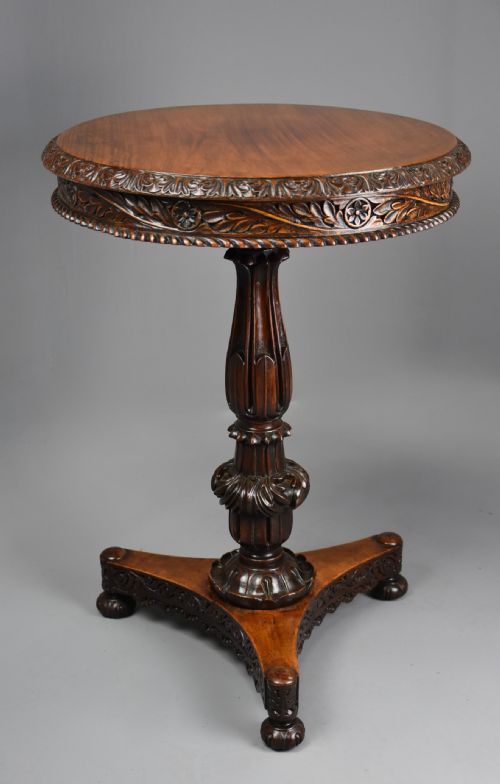
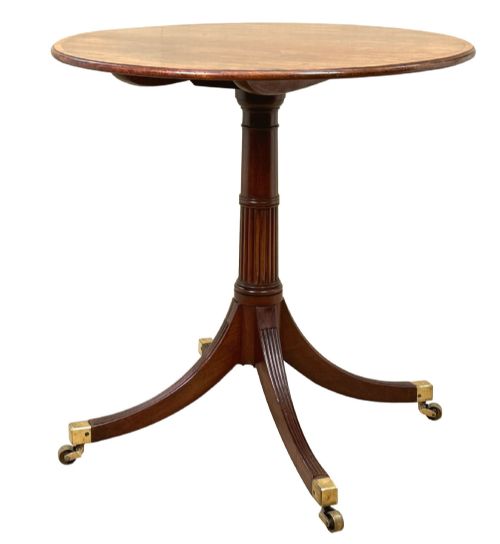
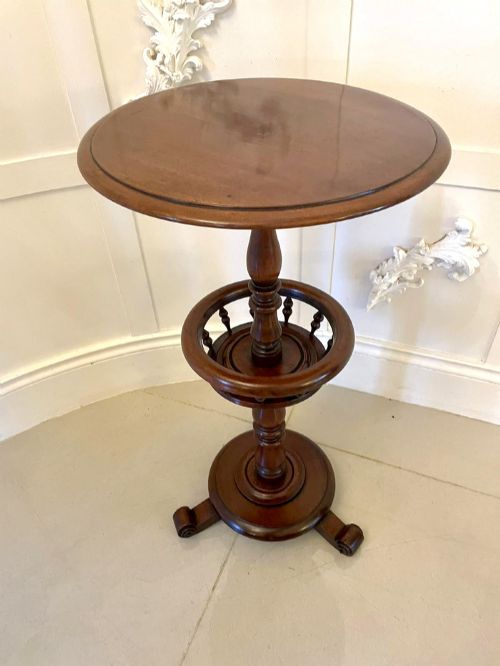
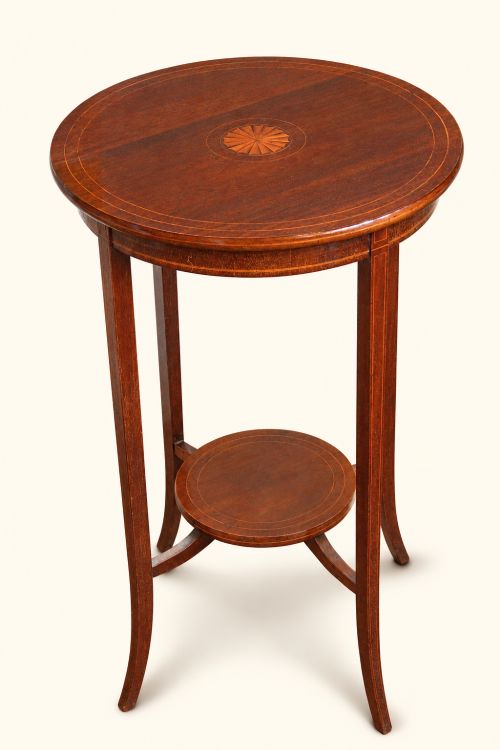
When searching for a circular wooden accent table, buyers encounter a diverse mix of forms that served various domestic purposes across past centuries. Occasional tables, wine tables, lamp tables and cricket tables dominate the selection, functioning historically as portable surfaces for drinks, reading materials or lighting.
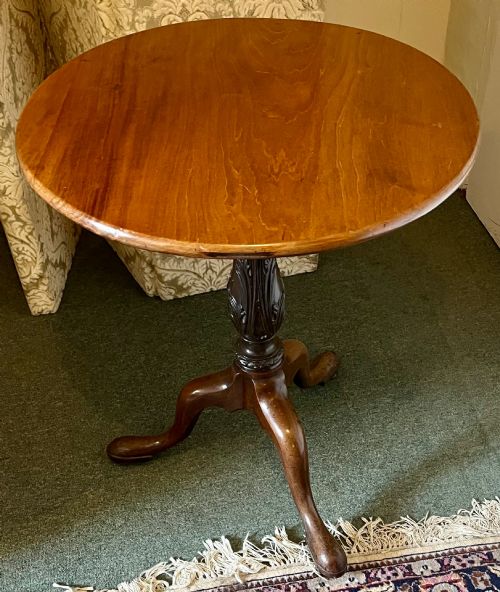
The pieces on this page span several distinct periods, reaching from the 18th century through the Victorian and Edwardian eras up to the 1930s. Mahogany and oak appear most frequently as the primary woods, often shaped into tripod bases or simpler three-legged cricket tables.
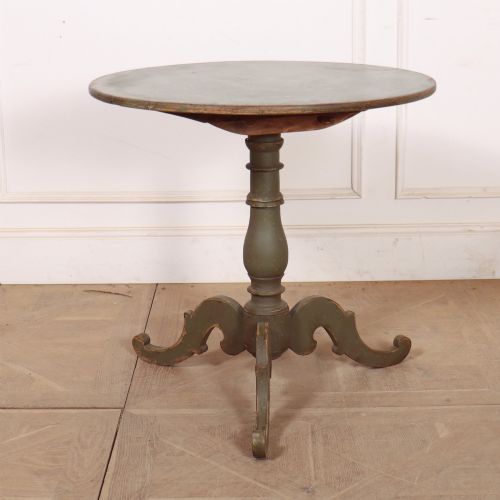
Regional variations also emerge within the selection, including Anglo-Indian padouk and satinwood tables, Swedish painted pieces, and Italian polychrome designs. Buyers will find both compact wine tables suited for tight corners and larger centre tables intended to anchor a room.
Materials and construction methods
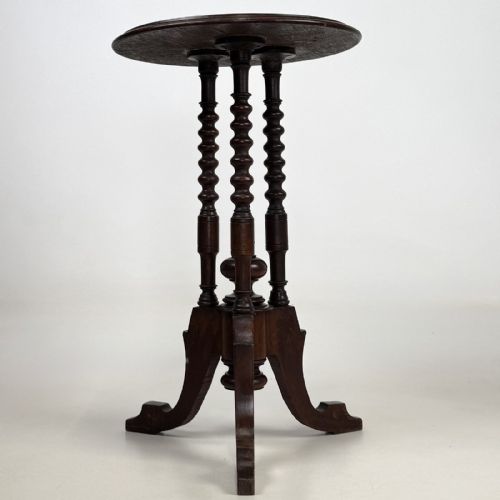
Cabinet makers utilised a range of dense hardwoods including mahogany, walnut, oak and padouk to build sturdy frames that could withstand daily use. Turning lathes shaped slender columns and bobbin-turned legs, while skilled joiners utilised mortise and tenon joints to secure tabletops to central pillars or tripod bases.
Surface decoration required specialised techniques such as marquetry inlay, polychrome paint, and tilt-top mechanisms allowing tabletops to stow away when not in use. Artisans also applied hand-rubbed finishes to bring out the natural grain patterns of burr walnut, birch and satinwood.
Circular Wooden Accent Table Retail Price Guide 2026
Typical asking prices for circular wooden accent table among the pieces listed under this phrase on Sellingantiques today, from the lower quarter to the upper quarter. They describe what is for sale here now, not the wider market.
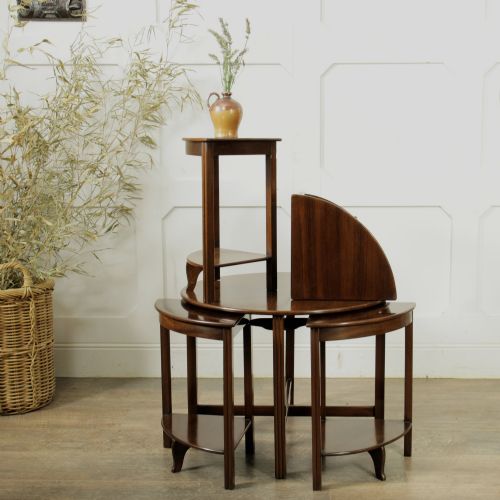
Table forms include occasional, wine, lamp, cricket, coffee, centre and nesting tables, often constructed with tripod or bobbin-turned bases.
Distinguishing quality across the range
The degree of refinement in timber selection and turning marks the difference between basic utilitarian items and fine parlour furniture. Dense mahogany and figured burr walnut demand greater skill to carve and finish than common softwoods or painted deal.
Proportion and stability separate standard production pieces from exceptional examples. A well-balanced tripod base and crisp, hand-carved details indicate a higher level of workshop attention during manufacture.
Howard and Sons
The Circular Wooden Accent Table Glossary
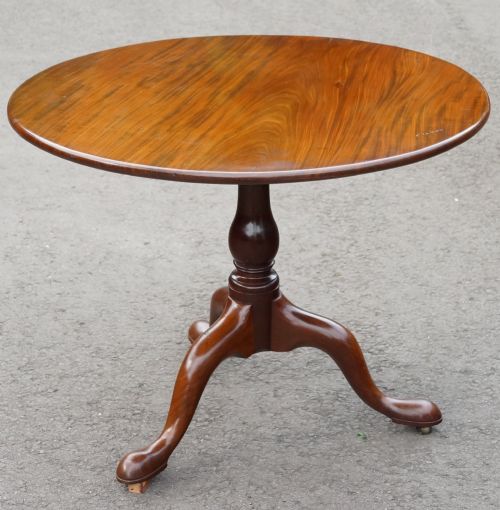
- Tripod table
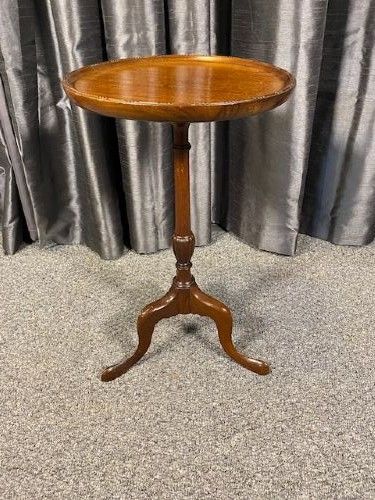
- A small freestanding table supported by three legs radiating from a central pillar. These tables appeared frequently in 18th-century parlours.
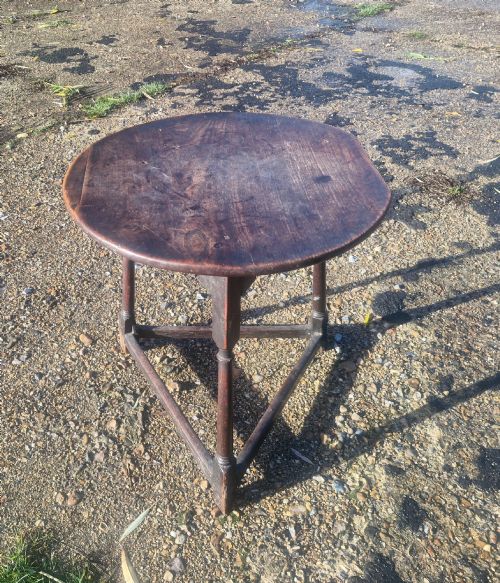
- Cricket table
- An early small round wooden table featuring three splayed legs and a stretcher frame. This sturdy vernacular design originated in domestic cottages.
- Tilt-top table
- A table equipped with a catch mechanism allowing the circular top to pivot vertically. This clever feature saved space when the furniture was pushed against a wall.
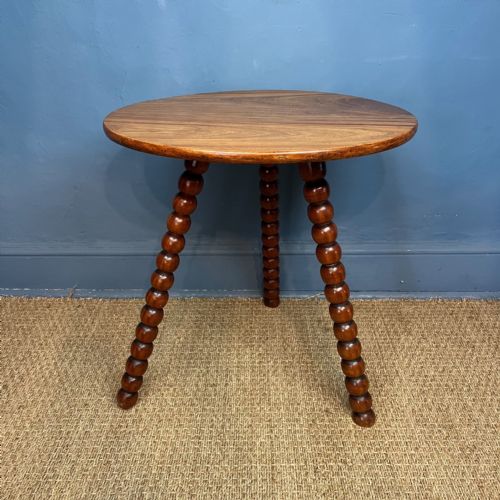
- Bobbin turned
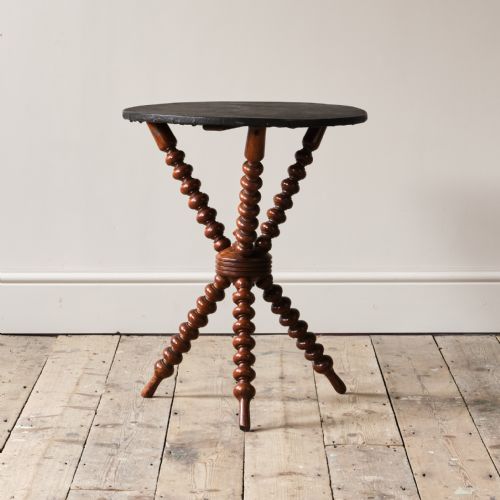
- A style of furniture leg shaped on a lathe to resemble a series of wooden reels or bobbins. It is commonly found on 19th-century gypsy and lamp tables.
Circular Wooden Accent Table: Frequently Asked Questions
What is a wine table used for?
A wine table provided a convenient, small surface for holding glasses and decanters beside seating during evening gatherings. Their compact footprints allowed servants to move them easily around a drawing room.
Today, these small stands function brilliantly as lamp tables or plant stands in tighter spaces where a full-sized table would overwhelm the room.
How do I identify a cricket table?
Cricket tables typically feature three splayed legs joined by a lower tier or stretchers, creating a very stable base on uneven farmhouse floors. The round wooden top is usually plain and thick.
Most examples date from the 18th or 19th century and bring an honest, rustic charm to modern interiors.
Where should I place a gypsy table?
Gypsy tables feature slender, often bobbin-turned legs and lightweight frames designed to be portable. They suit corners or beside an armchair where you need a light touch rather than heavy furniture.
Keep them away from direct heat sources and strong sunlight to protect the aged timber and delicate turned components.
What is a tilt-top table?
A tilt-top mechanism uses a hinged block beneath the circular surface, allowing the top to flip flat against the central pillar. This let owners tuck the table neatly out of the way against a wall when the room was cleared for dancing or dining.
When living with one, ensure the catch mechanism is engaged properly if you choose to display it in the upright position.