





Circular Tier Table
A circular tier table brings layered display surface and architectural silhouette to a room, spanning periods from Georgian dumb waiters to Art Deco coffee tables.
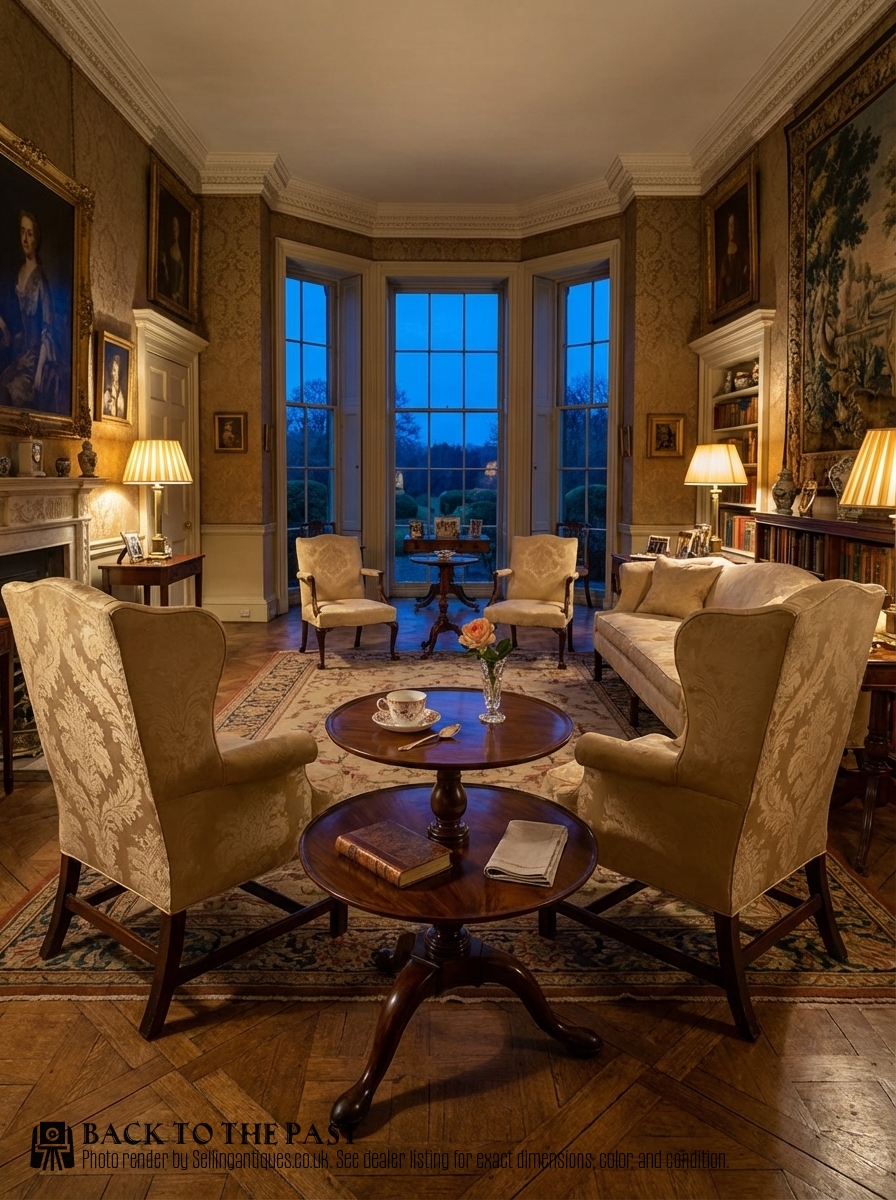
Circular Tier Table
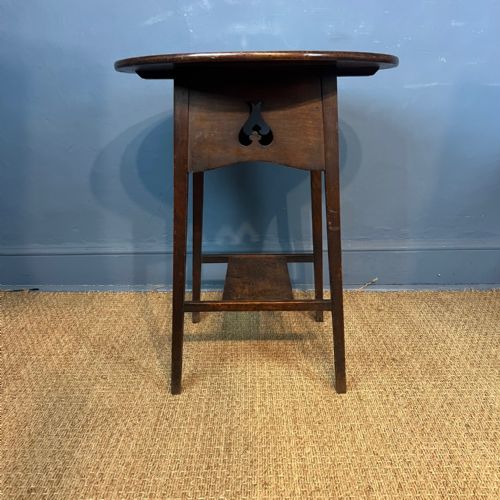
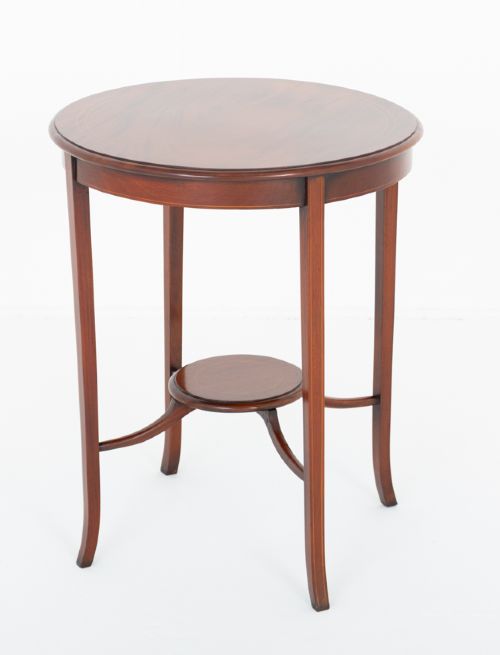
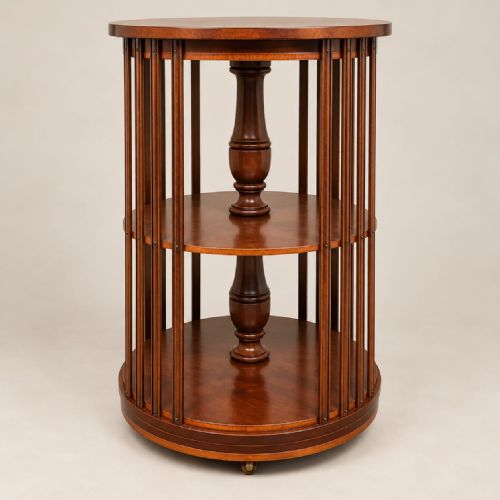
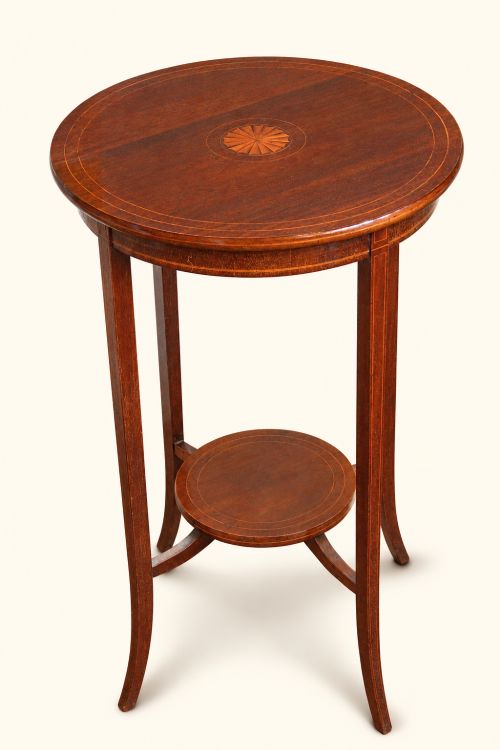
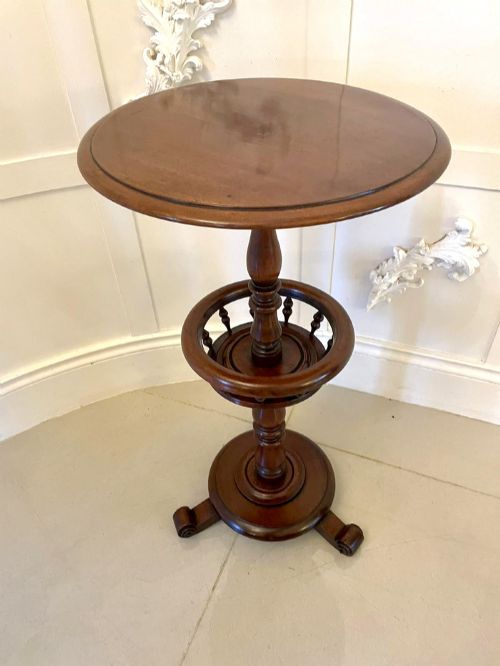
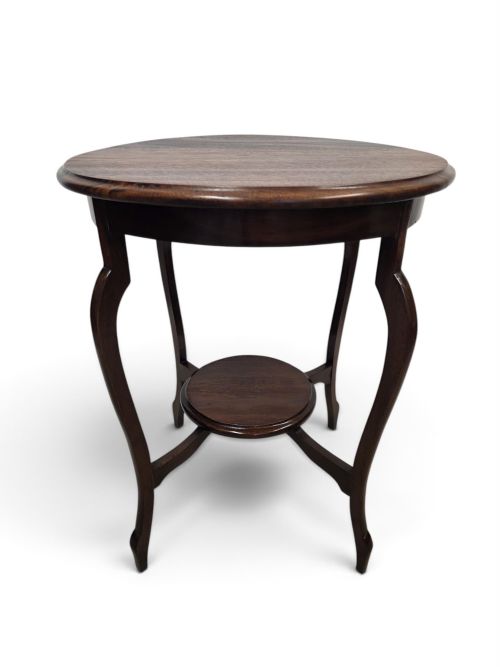
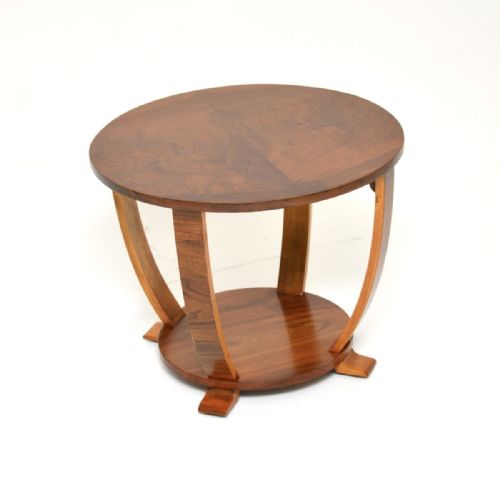
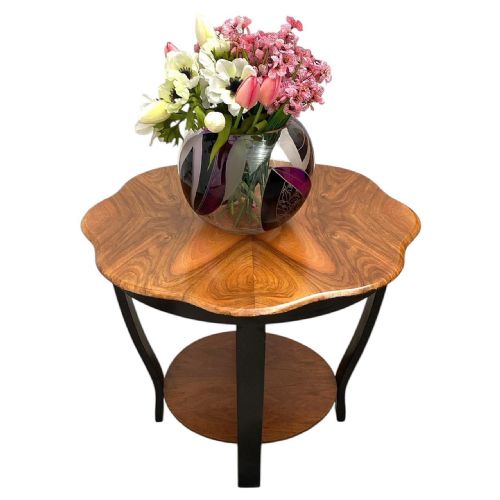
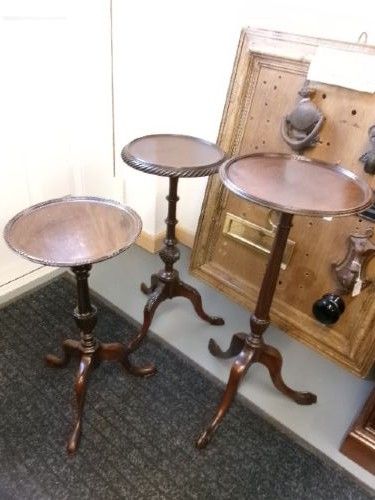
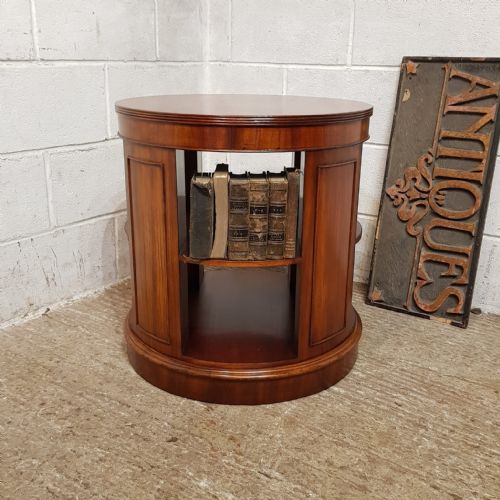
A circular tier table organises space vertically through stacked round surfaces, appearing primarily as occasional tables, coffee tables, and dumb waiters across this selection. These pieces emerge from periods spanning the Georgian era, Victorian times, the Edwardian period, and the 1930s.
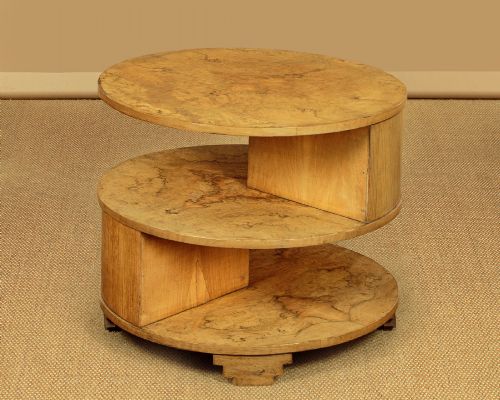
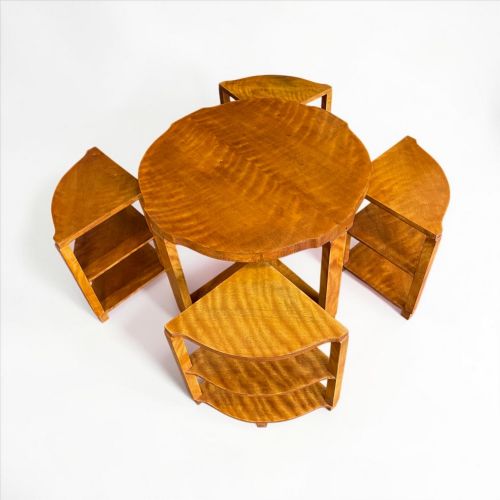
The most frequent iteration on this page is the Art Deco walnut or oak two-tier and three-tier coffee table from around 1930. Alongside these modern iterations, buyers encounter nineteenth-century mahogany dumb waiters, Edwardian tray top tables, and Aesthetic Movement designs.
Materials and construction methods
Cabinetmakers utilised dense hardwoods including mahogany, walnut, rosewood, and oak, often applying figured veneers such as burr walnut and birds-eye maple to prominent surfaces. Metal elements like brass inlay, chrome, and copper provide structural support and decorative contrast.
Construction techniques range from traditional tripod pedestal supports and turned pillars to multi-tiered framework. Tables from the Art Deco period incorporate modern materials like glass and chromium alongside traditional timber.
Circular Tier Table Retail Price Guide 2026
Typical asking prices for circular tier table among the pieces listed under this phrase on Sellingantiques today, from the lower quarter to the upper quarter. They describe what is for sale here now, not the wider market.
Listings feature materials ranging from traditional mahogany, oak, and rosewood to chrome, copper, and marble.
Evaluating craftsmanship and execution
Quality rests upon the selection of timber grain, the precision of veneer matching, and the stability of the tiered architecture. Pieces displaying finely figured walnut or rosewood demonstrate greater ambition than plain secondary timbers.
The integration of secondary materials, such as heavy brass inlay, marble tops, or specialised hardware, distinguishes standard production items from high-end workshop commissions.
The Circular Tier Table Glossary
- Dumb waiter
- A multi-tiered serving stand designed to hold dishes or books without servant assistance. These tiered tables date back to the Georgian period.
- Occasional table
- A small, movable table intended for specific, intermittent use in a room. They appear frequently in Edwardian and Art Deco forms.
- Tripod pedestal
- A central pillar support resting on three feet. This construction provides stability for multi-tiered round tables.
- Veneer
- A thin layer of figured wood applied to a base timber surface. Burr walnut and birds-eye maple veneers define many Art Deco examples.
Circular Tier Table: Frequently Asked Questions
What is a circular tier table used for?
These tables provide multiple stacked surfaces for displaying decorative objects, serving drinks, or holding books within a compact footprint.
Historically, larger tiered forms like dumb waiters functioned as dining room service pieces, while smaller Edwardian and Art Deco versions served as occasional or coffee tables.
How do I date a circular tier table?
Dating relies on identifying the prevailing timber choices, hardware, and stylistic markers associated with specific eras like the Georgian period, Victorian era, or 1930s.
For instance, heavy mahogany construction with graduated tiers often points to the eighteenth or early nineteenth century, while chrome accents and geometric veneers indicate Art Deco production.
Where should I place a multi-tier table?
Their compact round footprint makes these tables suitable for corners, beside seating arrangements, or as freestanding centre tables.
Because tiers offer vertical display space, they work effectively in rooms where floor area is limited yet surface space is required.
What woods are common on these tables?
Mahogany and walnut appear most frequently across the historical range, supported by oak, rosewood, and satin birch.
Cabinetmakers also utilised exotic veneers such as burr walnut and birds-eye maple, particularly on pieces produced during the Art Deco era.