






Circular Picture Frame
A circular picture frame centres the eye upon a portrait or needlework, bringing quiet harmony to a wall.
Circular Picture Frame
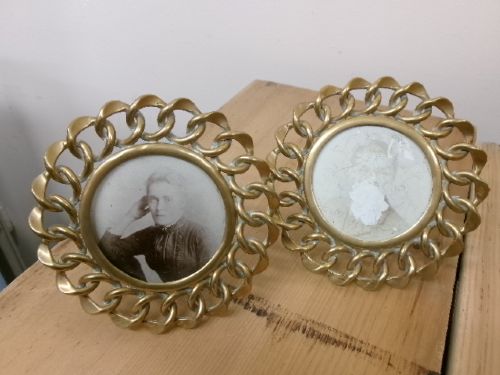
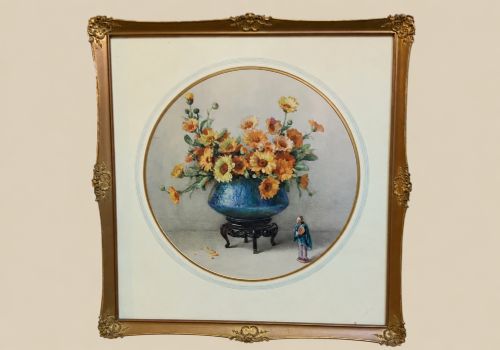
A circular picture frame provides a distinct round boundary for watercolours, engravings, and needlework pictures. These pieces appear across the nineteenth and twentieth centuries, encompassing Victorian, Edwardian, and Regency periods.
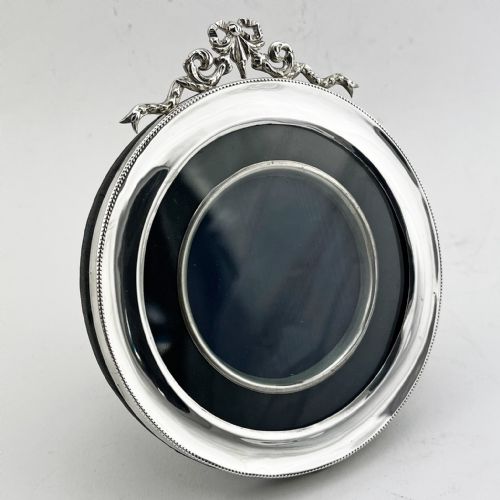
You will encounter silver photo frames alongside giltwood, wood, and gilt bronze designs housing portraits, prints, or textiles. The form accommodates delicate miniatures and botanical studies just as easily as coastal scenes.
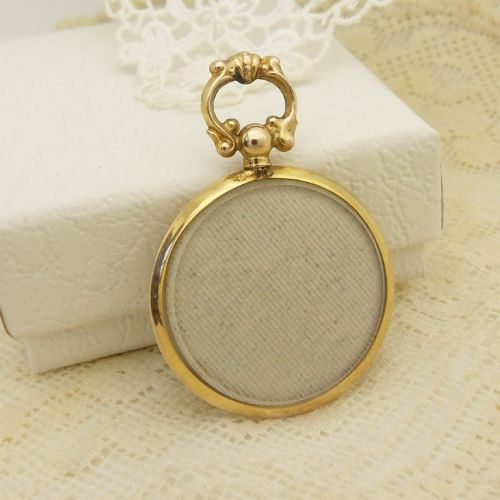
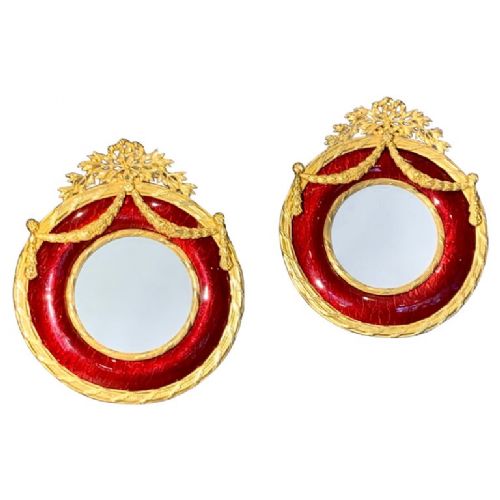
Makers shaped these surrounds in sterling silver, bronze, and carved timber to complement domestic interiors. The resulting objects range from simple polished bands to ornate buckle styles and intricate enamelwork.
Materials and construction
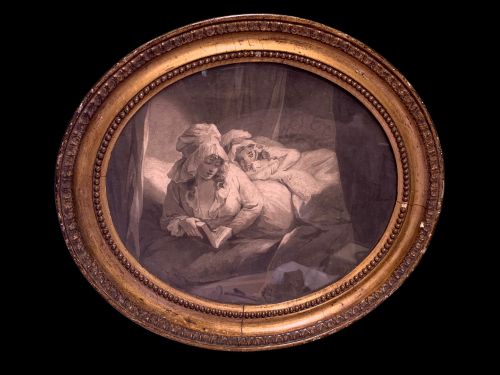
Metals such as sterling silver and gilt bronze were cast, chased, and engraved to form sturdy photo and picture housings. Wood was carved and gilt to create deep profiles that gave a sense of perspective to the artwork within.
Backings often incorporated velvet, silk, or paper to protect the delicate contents of the frame. Glazing preserved fragile watercolours and paper engravings from dust and moisture over generations of display.
Circular Picture Frame Retail Price Guide 2026
Typical asking prices for circular picture frame among the pieces listed under this phrase on Sellingantiques today, from the lower quarter to the upper quarter. They describe what is for sale here now, not the wider market.
Listings feature items from the eighteenth, nineteenth, and twentieth centuries, utilising materials such as sterling silver, giltwood, silk, and velvet.
Assessing craftsmanship
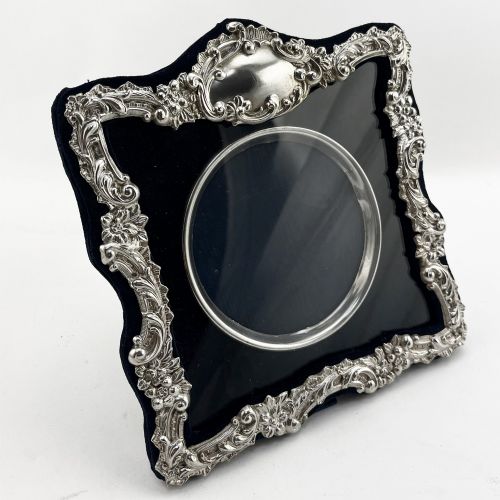
The refinement of the chasing on silver or the crispness of carved detail in giltwood distinguishes superior examples. Quality lies in the proportion of the moulding and the integrity of the original backing materials.
Superior pieces retain their original glass and fit harmoniously around the artwork they enclose without pinching or distortion. The weight of the metal and the smoothness of the finish speak directly to the maker's skill.
Henry Matthews·Lady Francis Herbert·Henry Corbould
The Circular Picture Frame Glossary
- Giltwood
- Wood coated with a thin layer of gold leaf or powder. This finish was widely utilised on Regency and Victorian frames to catch the candlelight.
- Sterling silver
- An alloy of silver containing ninety-two point five percent pure silver. It was the preferred material for Edwardian and George V photo frames.
- Gilt bronze
- An alloy treated to simulate gold, also known asormolu. It was frequently employed during the Napoleon III period for decorative picture frames.
- Needlework picture
- A decorative textile created with thread on canvas or linen. These were often mounted within round frames during the nineteenth century.
- Miniature portrait
- A small, highly detailed painting on paper, ivory, or vellum. They demand intimate, compact surrounds to properly frame their delicate scale.
Circular Picture Frame: Frequently Asked Questions
How do I hang a round frame?
Round frames require a secure central fixing to hang straight and true on the wall. A sturdy wire or ring attached to the reverse ensures the piece remains balanced.
Take care to position the frame at eye level where its curved geometry can contrast pleasingly with rectangular pictures nearby.
Can I polish antique silver frames?
Polishing should be done sparingly with a soft cloth to preserve the crispness of the engraved or chased details. Avoid harsh commercial dips that strip away the natural patina accumulated over decades.
Gentle cleaning maintains the soft lustre prized by collectors without harming the underlying metal.
What fits inside these frames?
These surrounds were originally designed for watercolours, portrait miniatures, engravings, and needlework pictures. Their distinct shape complements circular botanical studies and small landscape paintings.
Ensure any replacement artwork matches the exact inner diameter of the rebate to prevent shifting.
How do I date a silver photo frame?
Hallmarks stamped on the silver provide the exact town, maker, and year of assay. Examining the style of the engraving or the form of the buckle offers further clues to the period.
Edwardian and George V examples often feature crisp hallmarks along the outer rim or support strut.