



Brass Miniature Frame
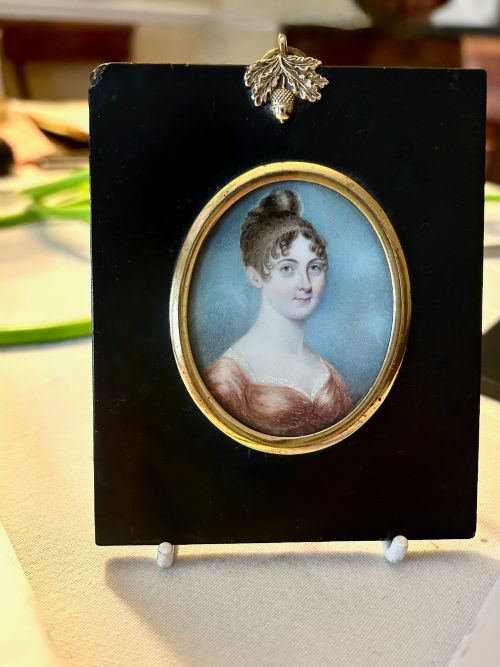
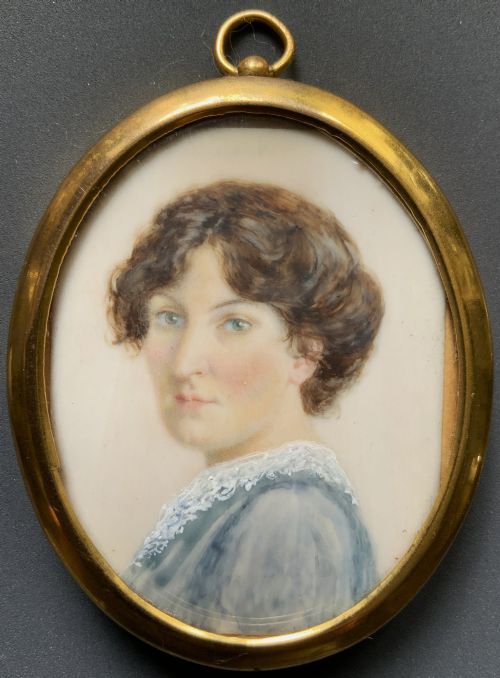
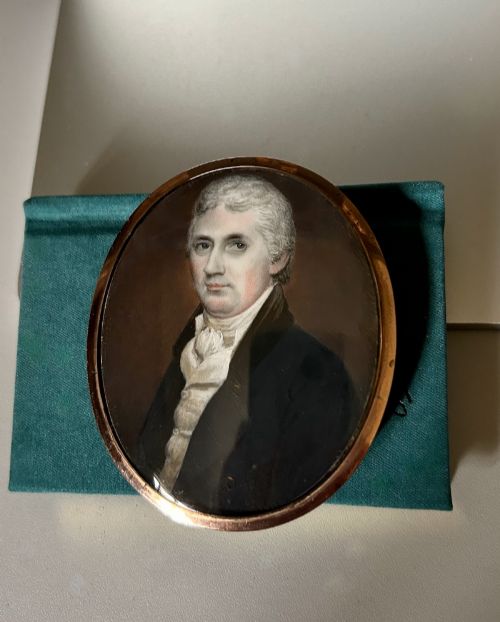
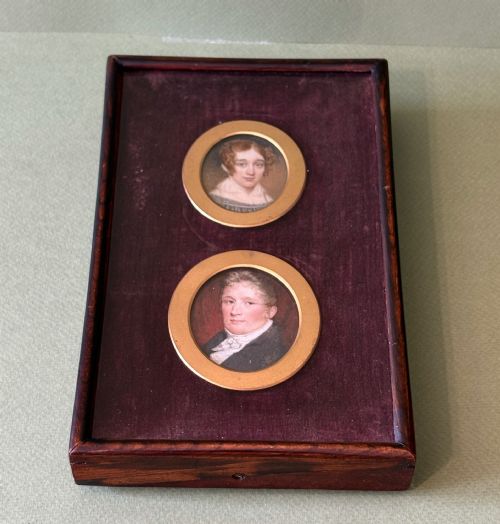
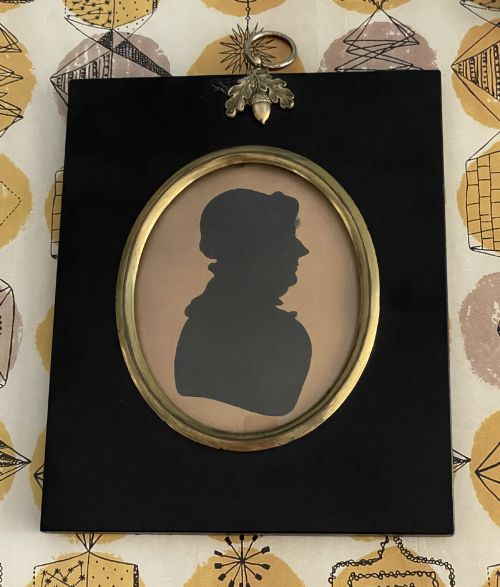
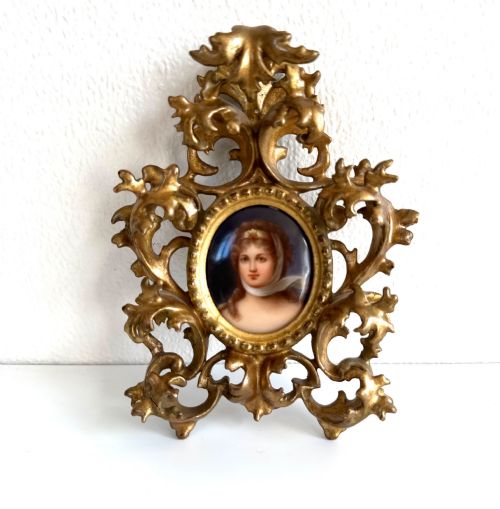
A brass miniature frame holds small portraits, silhouettes and watercolours in cast or stamped metal housings that display intimate portraiture.
Brass Miniature Frame
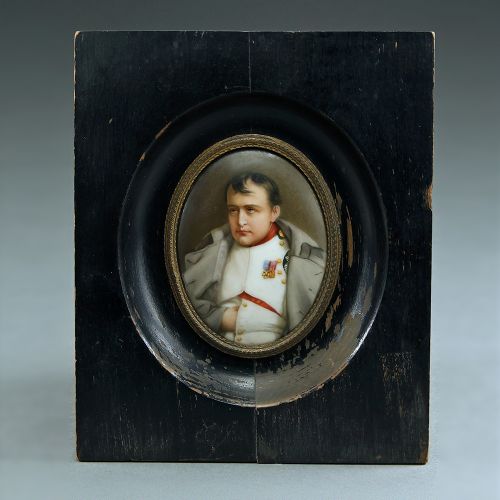
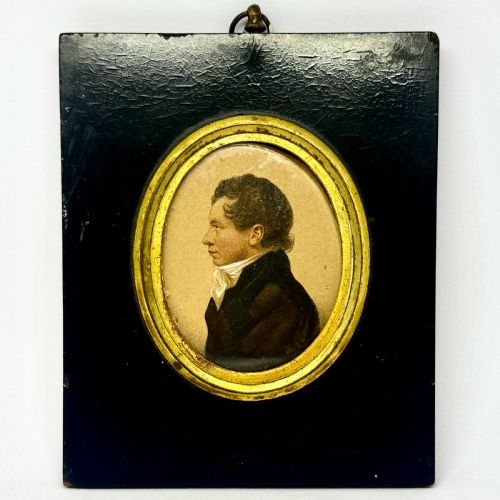
A brass miniature frame contains small painted or photographic works designed for desk placement or wall hanging. These housings appear across Georgian, Regency and Victorian periods, often enclosing watercolour, enamel or silhouette portraits.
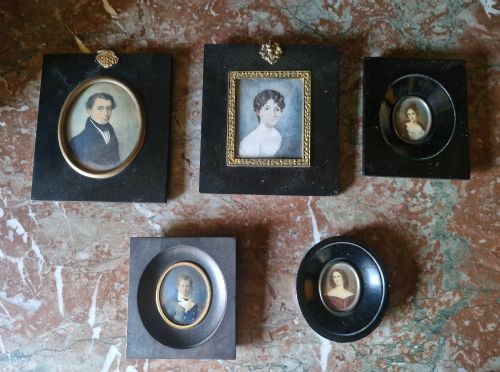
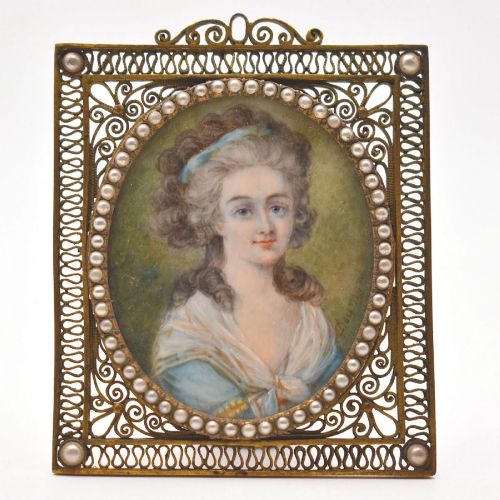
Collectors encounter oval and rectangular formats in gilt brass, gilt bronze and brass chain link designs. The pieces bridge portraiture and decorative metalwork from the eighteenth to the early twentieth century.
How they were made
Metalworkers cast and stamped brass and gilt metal into delicate surrounds, integrating glass panels to protect the delicate paper, enamel or watercolour artwork within. Many examples incorporate ebonised wood backs, brass stands or ribbon crestings.
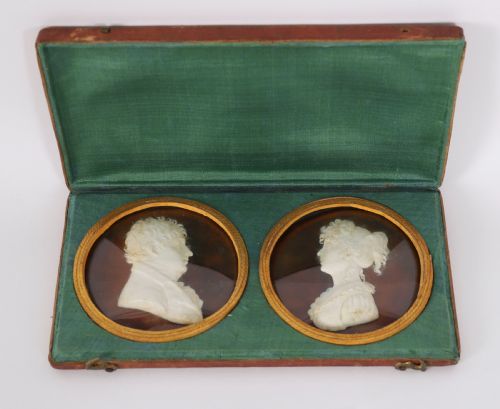
The contents rely on hand-painted watercolours, cut paper silhouettes, wax reliefs and enamel plaques. Makers mounted these delicate interior works securely behind bevelled or flat glass held by the metal rims.
Brass Miniature Frame Retail Price Guide 2026
Typical asking prices for brass miniature frame among the pieces listed under this phrase on Sellingantiques today, from the lower quarter to the upper quarter. They describe what is for sale here now, not the wider market.
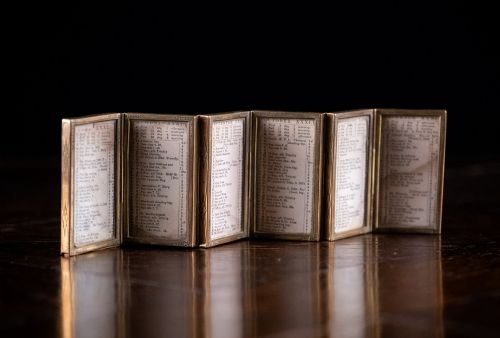
A travelling mount packs a six-fold London almanac inside brass and glass to keep a tiny calendar close at hand.
What varies in quality
The definition of the brass casting and the crispness of chased or stamped ornamentation dictate the standard of the frame. Superior examples display clean joints, intact gilding and well-fitted easel backs or hanging loops.
The integration between the miniature artwork and its brass housing matters greatly. Fine pieces pair artist-signed portrait miniatures or detailed silhouettes with robust, well-preserved metal mounts that retain their original glass and backing.
George Atkinson·James Gillespie·Thomas London·John Miers·Emma Kendrick·Susie Lassam
The Brass Miniature Frame Glossary
- Silhouette
- A profile portrait cut from paper or painted onto plaster, card or glass. These monochrome likenesses gained popularity during the Georgian and Regency eras.
- Gilt Bronze
- An alloy of copper and zinc treated with a gold wash or mercury gilding to produce a rich metallic surface. This material appears on decorative frames and small mounts.
- Enamel
- A glassy substance fused to a metal base through firing, used for small painted portrait plaques and decorative box lids. South Staffordshire workshops produced notable examples in the eighteenth century.
- Plumbago
- A drawing executed in graphite, taking its name from the Latin term for lead ore. Eighteenth-century artists used this medium for detailed miniature portraits.
Brass Miniature Frame: Frequently Asked Questions
How do I hang a brass miniature frame?
Many smaller frames feature integrated brass loops or ribbon mounts designed for wall display on picture rails or small hooks.
Alternatively, pieces equipped with swing stands or easel backs rest securely on desks, tables and mantelpieces.
What periods do these frames cover?
The selection spans the eighteenth century through the Georgian, Regency and Victorian eras up to the nineteen-twenties.
Earlier examples often feature heavy cast brass or gilt bronze housings, while later nineteenth-century pieces introduce chain link and ribbon motifs.
Can I change the picture inside?
These housings are constructed specifically for their original contents, such as period silhouettes, watercolours or enamel plaques.
Opening the sealed backs risks damaging delicate historical artwork like paper watercolours or early portrait miniatures.
How do I clean brass frames?
Dust the metal gently with a soft dry cloth to remove surface particles without disturbing the surrounding glass.
Avoid liquid metal polishes, as chemical cleaners can seep inside the frame and ruin vulnerable painted portrait surfaces.