
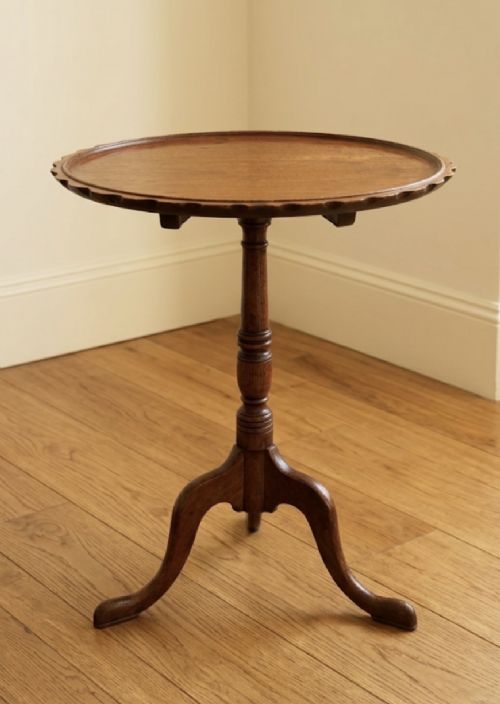


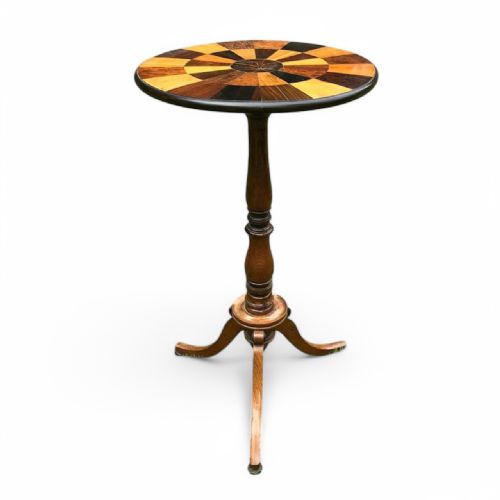


Circular Oak Accent Table
A circular oak accent table brings practical timber warmth to a corner, offering a compact surface suited for daily domestic use.
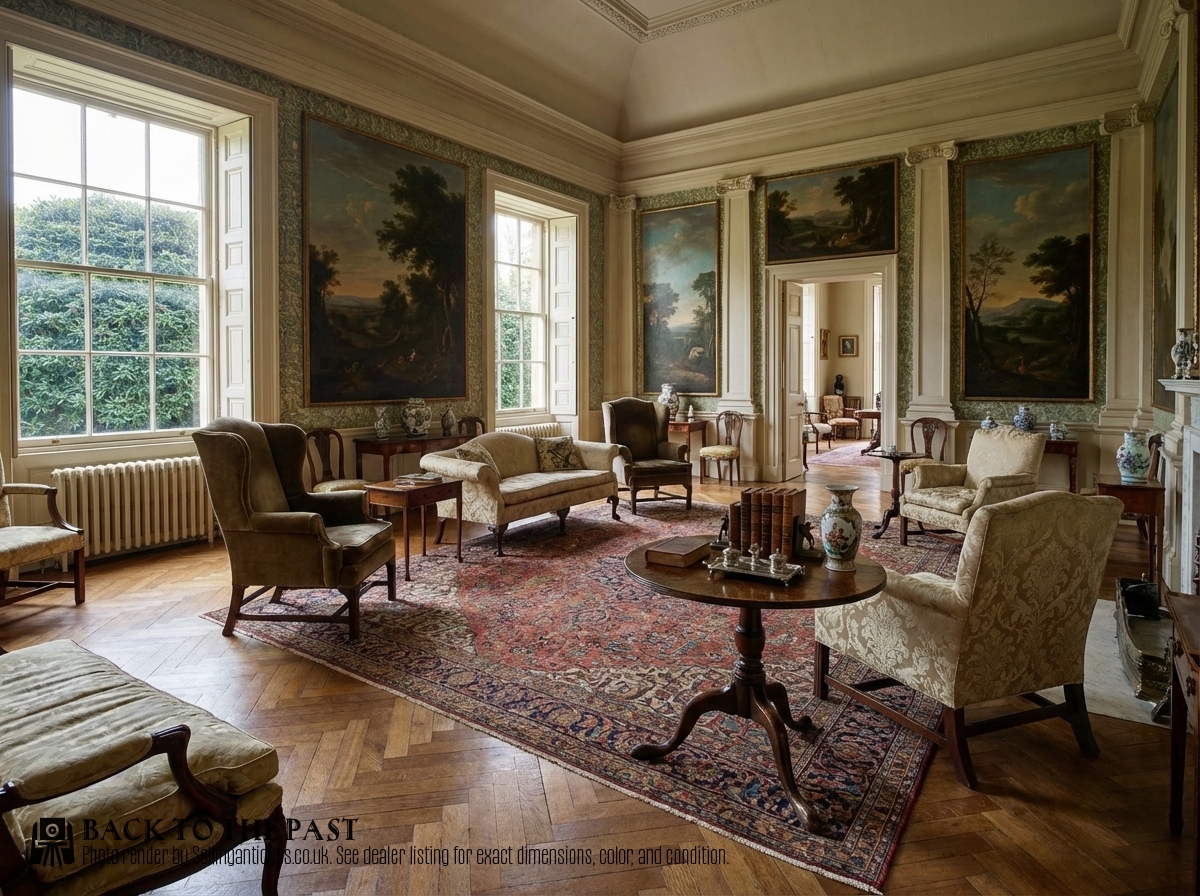
Circular Oak Accent Table
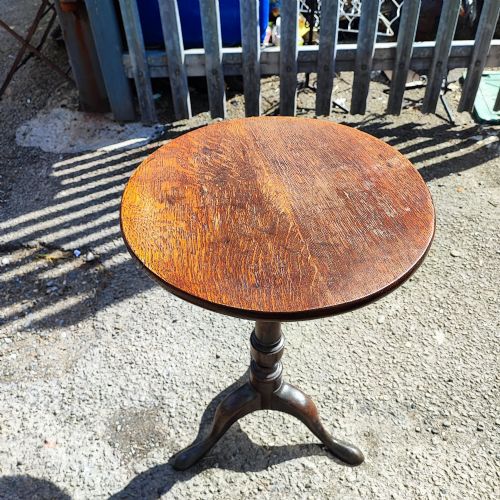
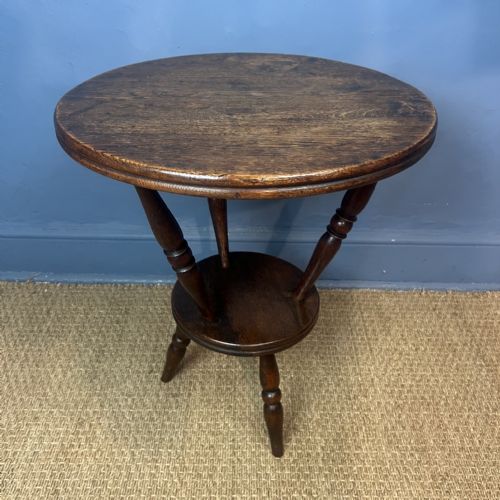
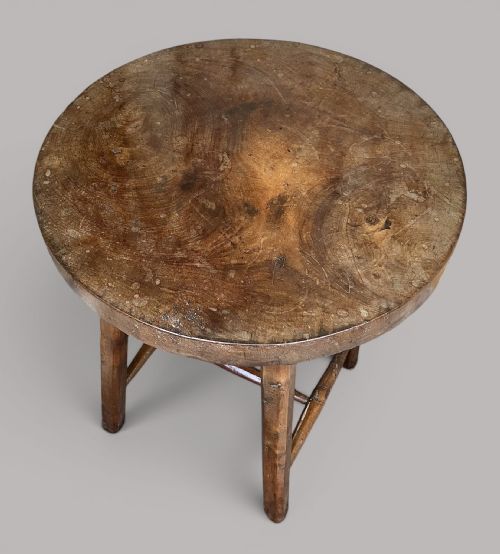
A circular oak accent table takes several forms across the centuries, ranging from compact tripod wine tables to larger cricket tables and coffee tables. These pieces serve as functional small surfaces in living spaces, hallway corners, and beside seating.
The selections span distinct periods from the eighteenth century through the art deco era and into early twentieth-century designs. Examples include tilt-top mechanisms, painted finishes, and multi-tiered structures.
Georgian and nineteenth-century vernacular pieces dominate the selection, often featuring turned pedestals or three-legged bases. Buyers encounter both utilitarian painted surfaces and polished timber grains.
Materials and construction methods
Construction relies primarily on solid oak, frequently paired with secondary timbers, brass fittings, and occasional painted surfaces. Workshops utilised traditional joinery, turning lathes for pedestals, and stable three-legged tripod arrangements to prevent wobbling on uneven floors.
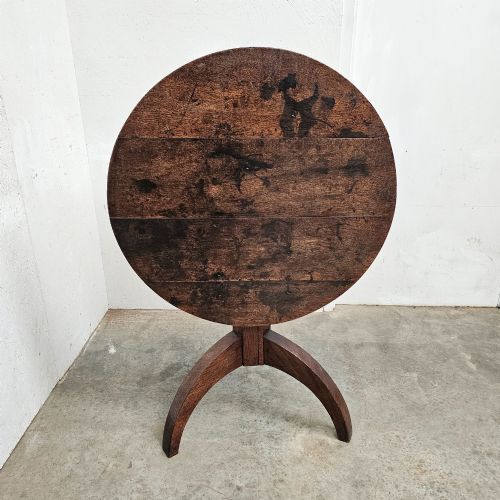
Specialised variations incorporate tilt-top mechanisms, hinged folding legs as seen on coaching tables, and segmented top construction. Surfaces range from unadorned rustic timber to painted finishes applied over the wood base.
Some historic tables fold completely flat for travel, proving that portable convenience is not a modern invention.
Assessing quality in construction and material
Quality rests in the selection of the timber grain, the stability of the central pedestal or leg joints, and the integrity of any working mechanisms such as tilts or folding braces. Finer examples display thoughtful proportion between the top diameter and the support base.
Simpler vernacular pieces rely on honest utility, where tool marks and visible grain patterns define the character. The execution of turned elements and the tightness of peg or mortise joints distinguish standard production from superior cabinet work.
The Circular Oak Accent Table Glossary
- Tripod table
- A small freestanding table supported by a central pillar above three legs. This design provides stable placement on uneven floors.
- Cricket table
- A small round wooden table typically featuring three splayed legs and an under-tier. These originated as practical vernacular furniture in domestic settings.
- Tilt-top
- A table mechanism allowing the top to pivot to a vertical position when not in use. This saved floor space in smaller rooms.
- Coaching table
- A portable table designed with folding legs for transport. These items combine utility with clever mechanical hinges.
- Occasional table
- A small piece intended for movable, intermittent use around a room rather than a fixed central purpose. They accommodate lamps, drinks, and books.
Circular Oak Accent Table: Frequently Asked Questions
What is a cricket table?
A cricket table is a traditional three-legged round table, often featuring an under-tier shelf for storage.
These versatile pieces were built for everyday utility in historical homes and function well as compact side tables today.
Where should I place an accent table?
An accent table fits neatly beside armchairs, in narrow hallways, or as a corner lamp stand.
Its compact circular footprint ensures it occupies minimal floor space while providing a convenient surface for daily items.
How do I care for antique oak?
Antique oak benefits from occasional waxing with natural beeswax to nourish the timber and maintain a soft sheen.
Avoid placing solid wood furniture in direct sunlight or close to intense heat sources to prevent timber splitting.