


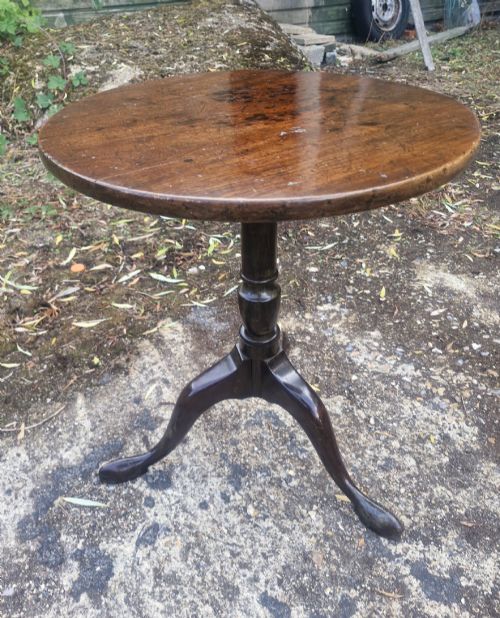
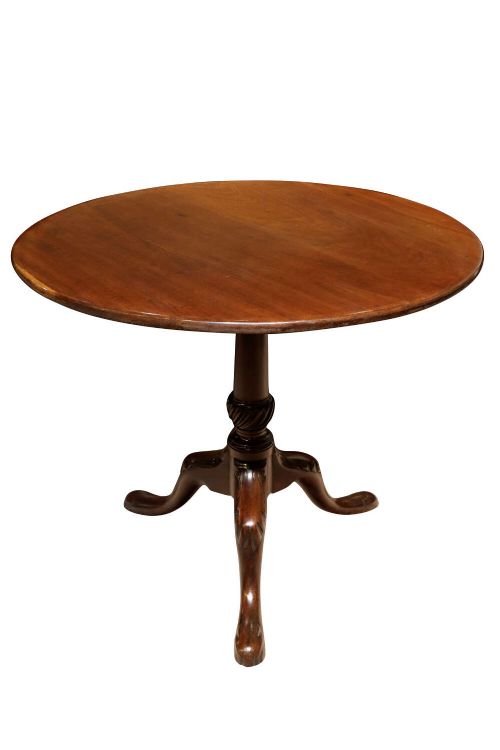
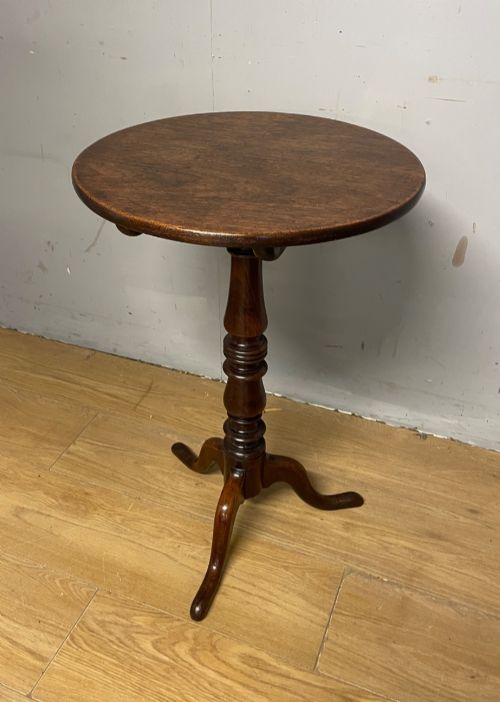
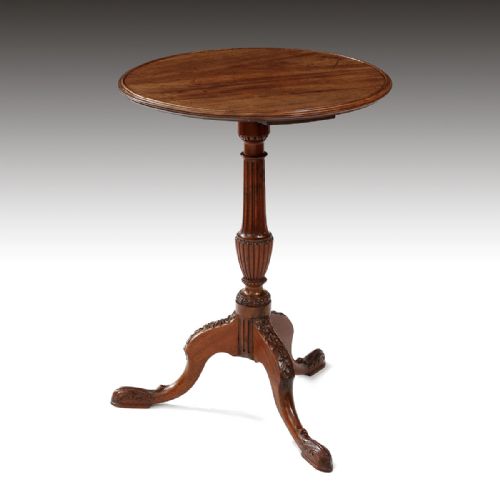
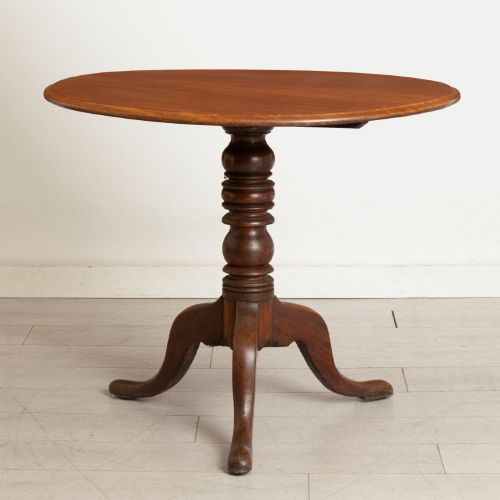
Circular Mahogany Pedestal
When you search for a circular mahogany pedestal, you are looking at tables that balance central support with round tops across Georgian, Regency, and Victorian periods.
Circular Mahogany Pedestal
A circular mahogany pedestal brings together a round timber top and a single central pillar, taking forms from small wine tables to large dining pieces. These items appear frequently in Georgian, Regency, and Victorian designs, serving functions from occasional surfaces to central room pieces.
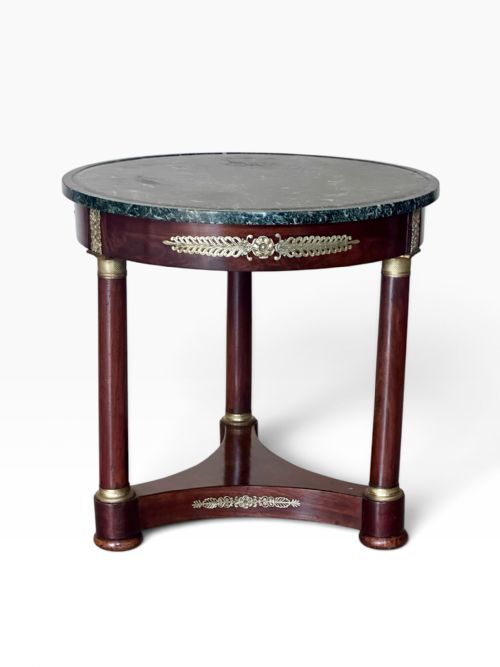
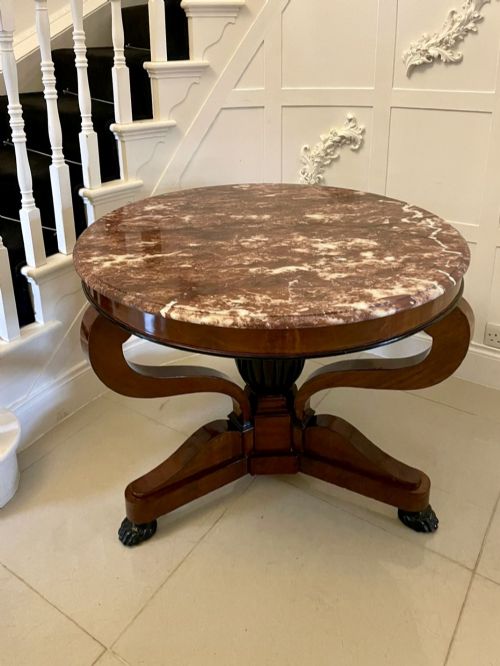
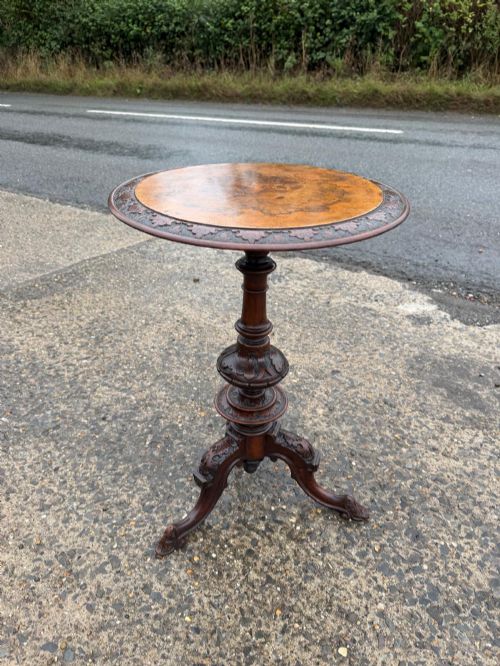
The selections on this page span intimate tripod wine tables alongside larger breakfast and centre tables supported by triform or platform bases. Buyers encounter variants featuring tilt-top mechanisms, drum configurations with drawers, and occasional tables with leather or marble inserts.
Originating largely from British and French workshops, these tables reflect the changing domestic spaces of the eighteenth and nineteenth centuries. They offer stability and proportional symmetry, making them practical for modern rooms while retaining historical character.
Materials and Construction
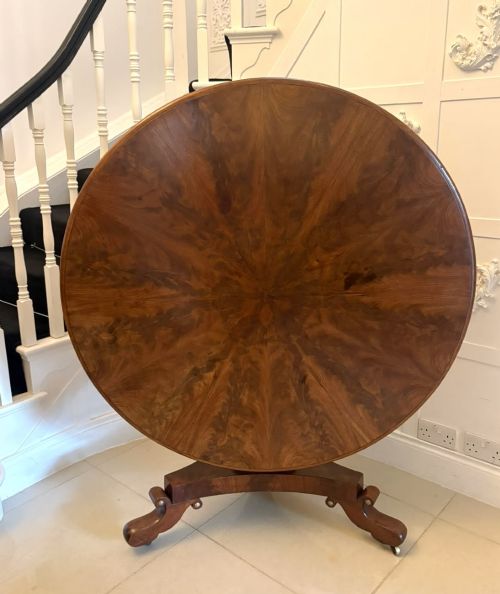
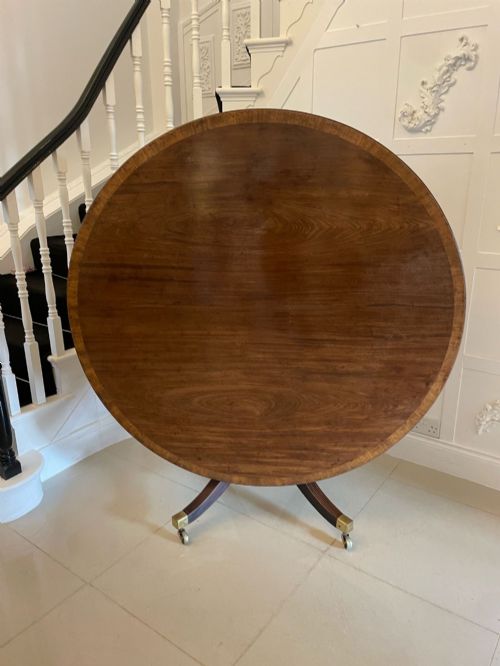
Cabinet makers utilised solid mahogany and applied flame mahogany or burr wood veneers to achieve rich grain patterns on the circular tops. This timber was selected for its durability and responsiveness to turning and polishing.
Support structures combine turned central pillars with tripod legs, platform bases, or heavy triform feet, often enriched with brass castors. Joinery techniques such as tilt-top mechanisms and birdcage supports allowed tops to fold or rotate for storage and use.
Surface details incorporate secondary materials including leather inserts, veined marble slabs, and ormolu mounts, particularly on French Gueridon and Empire examples. French polishing methods built up a glossy finish that highlighted the natural depth of the wood.
Listings feature mahogany, rosewood, brass, leather, and marble across Georgian, Regency, and Victorian periods.
Assessing Quality and Craftsmanship
The distinction between ordinary and superior pieces lies in the choice of timber figure, such as highly figured flame mahogany or burr wood veneers. Master makers selected grain patterns that created visual movement across the circular surface.
Structural integrity of the central column and base determines long-term stability, particularly on tilt-top and tripod forms where joints endure regular stress. Finely turned pillars and well-fitted brass hardware indicate a higher standard of original workshop production.
Gillow·M.Willson
The Circular Mahogany Pedestal Glossary
- Tilt-top table
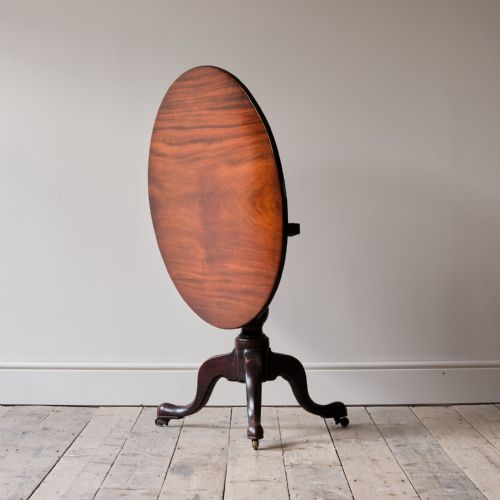
- A table with a mechanism allowing the circular top to pivot vertically when not in use. This design saved space in period homes.
- Drum table
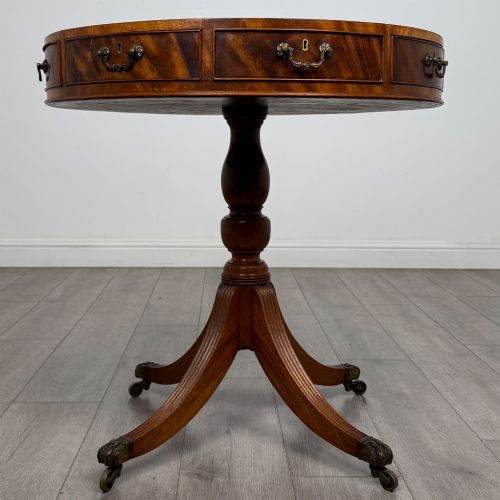
- A large circular table containing a deep frieze fitted with drawers around the circumference. They were traditionally used in libraries and studies.
- Gueridon
- A French term for a small circular support table or centre table. These often feature marble tops and decorative ormolu mounts.
- Tripod base
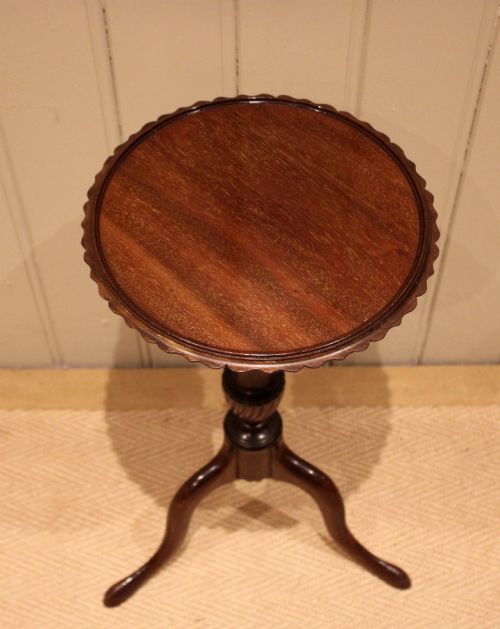
- A pedestal support terminating in three legs. It provides stable floor contact on uneven historic surfaces.
- Flame mahogany
- Timber cut from the fork of the mahogany tree to produce a distinctive flickering flame pattern. It was favoured for high-status table tops.
Circular Mahogany Pedestal: Frequently Asked Questions
What is a tilt-top mechanism used for?
The tilt-top mechanism allows the circular table top to lock into a vertical position. This allowed period households to push tables against walls to reclaim floor space.
In daily use today, it remains a practical feature for storage and reveals the secondary wooden catches and birdcage joints beneath the top.
How do I distinguish a breakfast table from a wine table?
Breakfast tables are built with wider diameters and robust pedestal bases to hold dining settings. They date predominantly from the Regency and William IV periods.
Wine tables are smaller occasional pieces designed to hold glasses or bottles near seating. They usually feature slender tripod legs and lighter proportions.
Where were drum tables placed in period homes?
Drum tables were positioned in libraries, studies, and large living rooms as central writing and storage surfaces. Their revolving or stationary drawers held stationery and books.
Because of their substantial proportions and enclosed storage, they function well as freestanding centre pieces in modern rooms.
What distinguishes French Gueridon tables from English designs?
French Gueridon tables frequently incorporate inset marble tops and bronze or ormolu mounts. Their structural lines often follow Empire and Victorian classical influences.
English equivalents tend to focus on figured mahogany timbers and polished wood surfaces without stone inserts, relying on timber grain for decoration.