

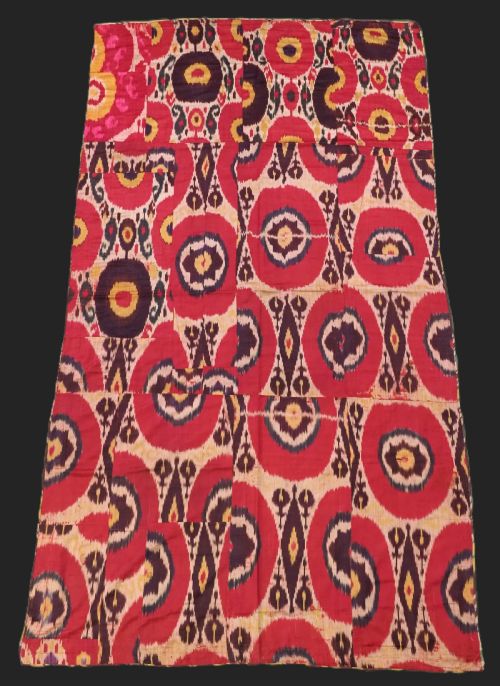


Circa 1900 Silk Rug
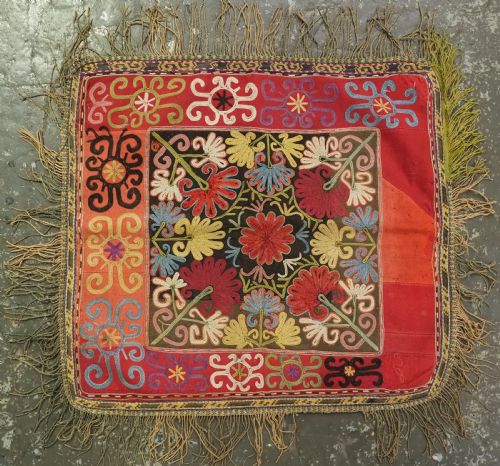
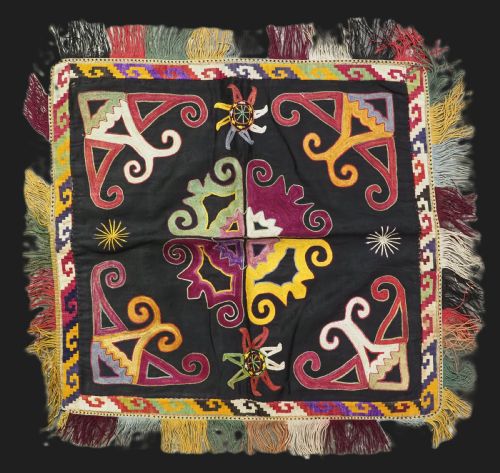
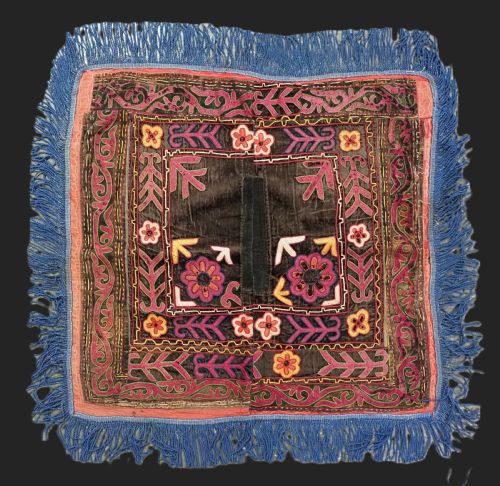
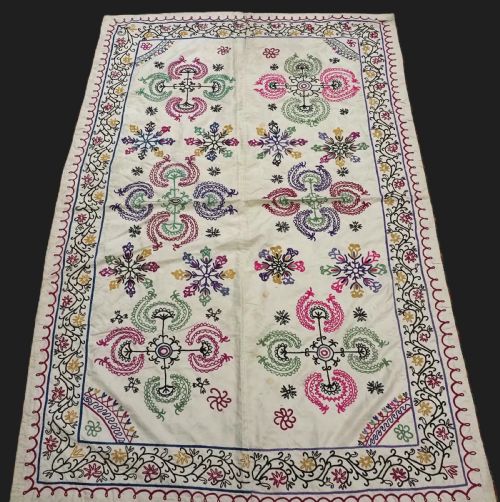
A circa 1900 silk rug brings together finely worked Central Asian and Persian textiles that collectors seek for their intense needlework and vibrant historical palettes.
Circa 1900 Silk Rug
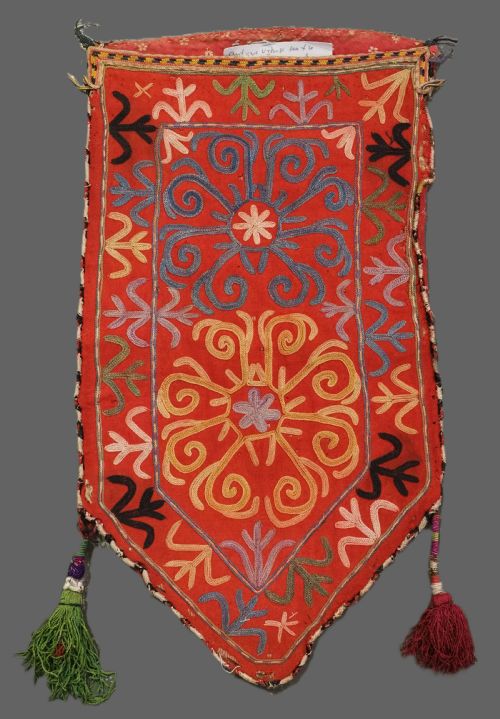
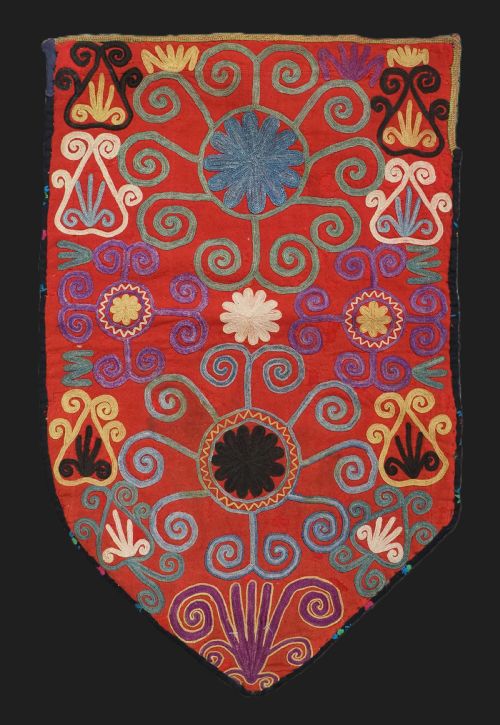
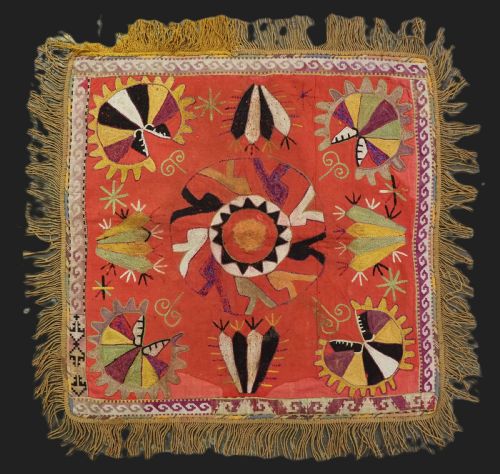
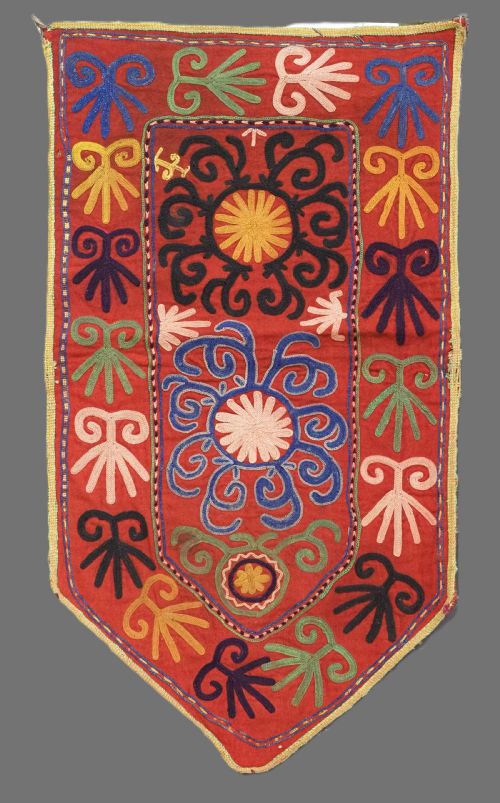
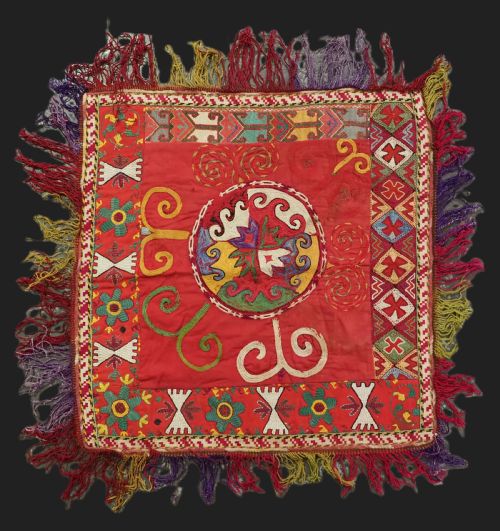
These textiles stem primarily from the 1900 and 1910 periods, bridging late nineteenth-century tribal traditions with early twentieth-century domestic production. The forms range from small prayer panels and bed covers to larger fabric panels and tribal rugs with silk highlights.
The regional origins span Bukhara, Shahrisabz, and Tashkent, reflecting the rich textile heritage of Central Asia and Persia. Buyers will find that many items served specific cultural functions, such as dowry elements or yurt wall decorations, before entering the collector market.
What varies in quality
Quality rests upon the density of the needlework and the precision of the execution, particularly visible in full work Suzanis and tribal embroideries. Finer examples demonstrate superior command of colour harmony and a more disciplined layout across the ground material.
The choice and preservation of the ground fabric, whether cotton, felt, or silk, influence the overall integrity and visual depth of the piece. Superior items retain their original vibrancy in the pastel or saturated hues without losing definition in the central medallions and border motifs.
The inventory records materials ranging from pure silk and cotton to wool felt, velvet, and semi-silk adras across Central Asian and Persian pieces.
The Circa 1900 Silk Rug Glossary
- Suzani
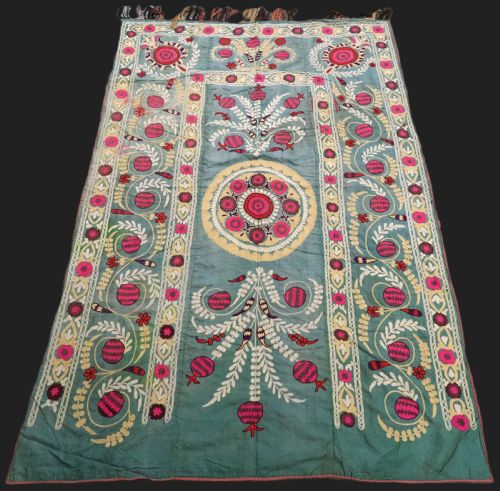
- An embroidered tribal hanging originating from Central Asia, traditionally worked in silk on a cotton or linen ground as part of a bride's dowry.
- Adras
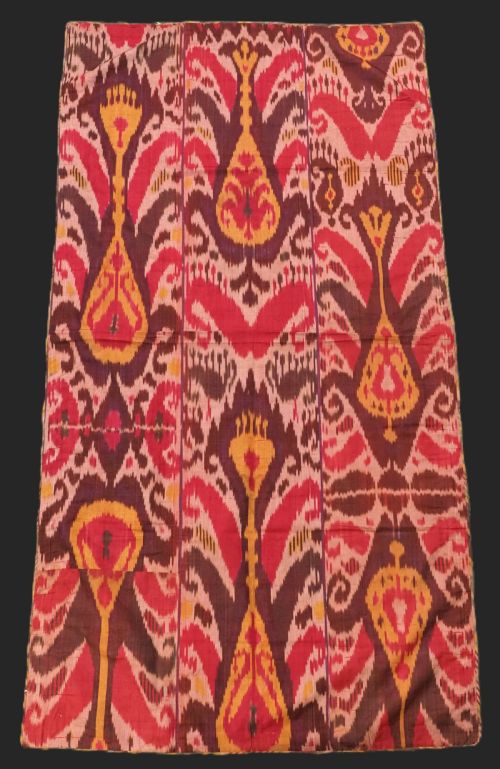
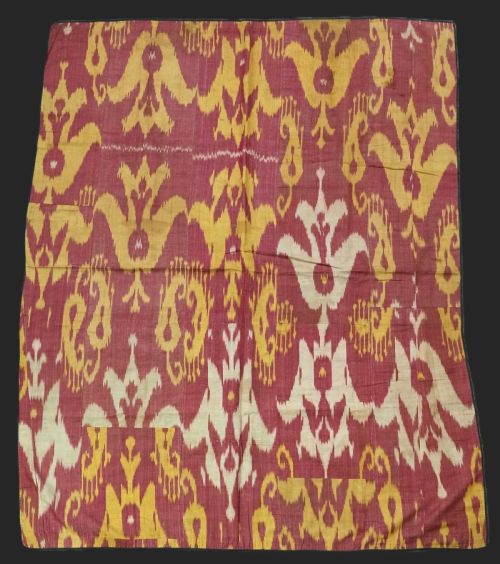
- A traditional woven fabric composed of a silk warp and a cotton welt, frequently utilised for Central Asian ikat panels.
- Ilgich
- A specific type of Central Asian tribal hanging or dowry embroidery, often produced by the Lakai tribe around the turn of the twentieth century.
- Rasht embroidery
- A traditional Persian textile technique involving inlaid felt and detailed silk chain-stitch embroidery to form floral or star medallions.
- Torba
- A small Turkmen wall pocket or storage bag, occasionally embellished with silk highlights on a wool ground.
Circa 1900 Silk Rug: Frequently Asked Questions
What is a suzani?
A suzani is a large embroidered textile created in regions like Uzbekistan, traditionally stitched by brides as part of their dowry.
These pieces feature bold floral designs or medallion patterns worked in silk thread on cotton or silk foundations.
How were these textiles used?
Many of these items functioned as wall hangings, bed covers, or decorative tent furnishings within nomadic and settled households.
Pieces like the uut kap were specifically designed as storage bags for nomadic dwellings.
How do I identify Lakai work?
Lakai embroideries often display distinct geometric motifs, dynamic asymmetry, and heavy reliance on silk on felt or wool grounds.
They frequently take the form of small wall hangings or dowry bags from Central Asia.
Where were Rasht embroideries made?
Rasht embroideries originate from the Gilan province in northern Persia, known for its distinctive needlework traditions.
These works utilise silk chain-stitch embroidery applied to coloured felt backgrounds, often incorporating central medallions.