

Circa 1900 Jewellery
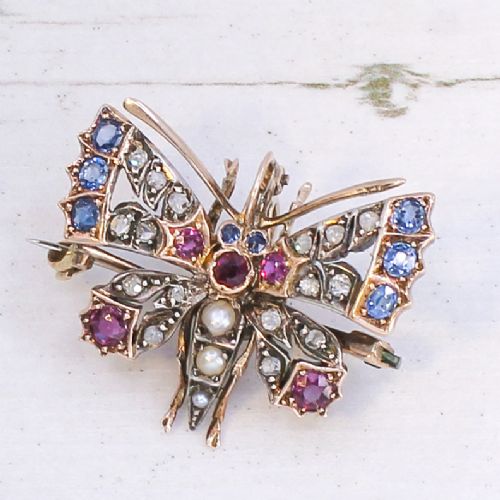
Circa 1900 jewellery encompasses the delicate craftsmanship and organic motifs of the Edwardian, Art Nouveau, and Arts and Crafts periods, capturing a pivotal moment of stylistic transition.
Circa 1900 Jewellery
Circa 1900 jewellery captures a distinct transitional design era bridging late Victorian traditions with the emerging aesthetics of Edwardian refinement and Continental Art Nouveau. Pieces from this period frequently draw upon naturalistic motifs, floral garlands, and geometric symmetry executed during the turn of the twentieth century.
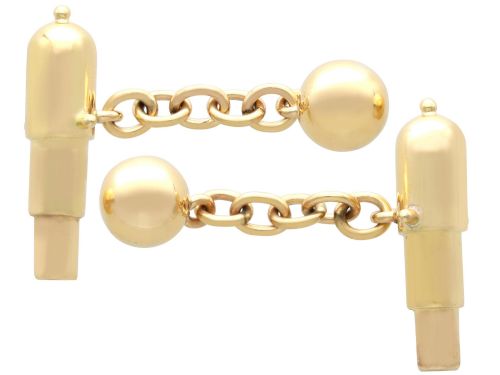
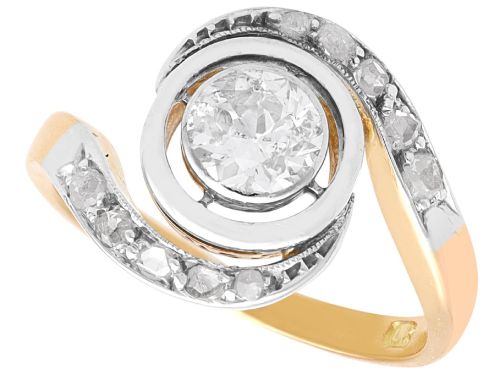
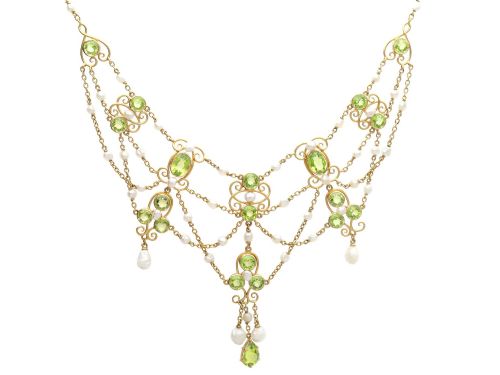
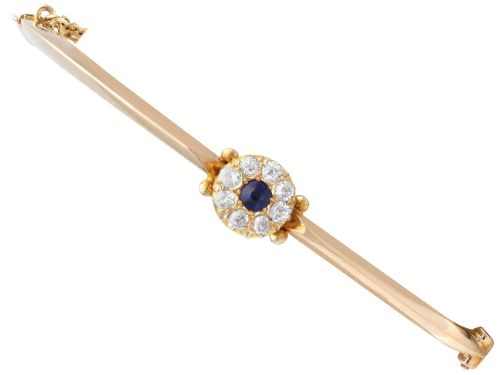
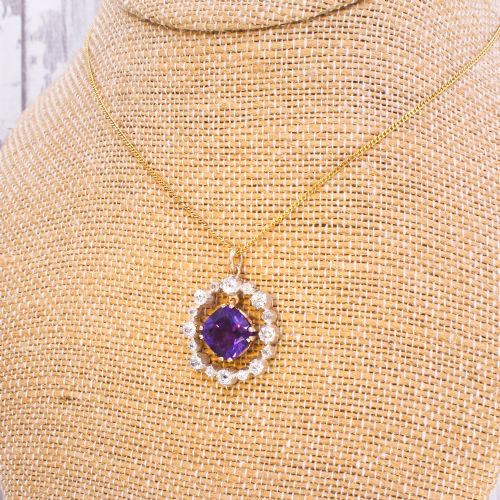
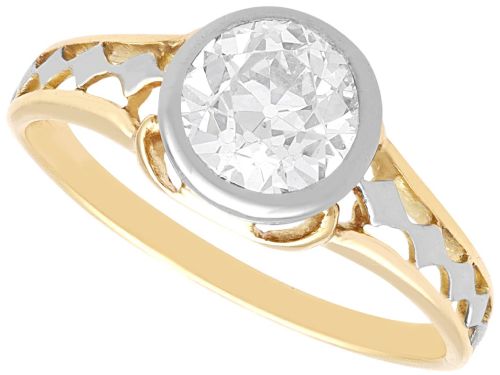
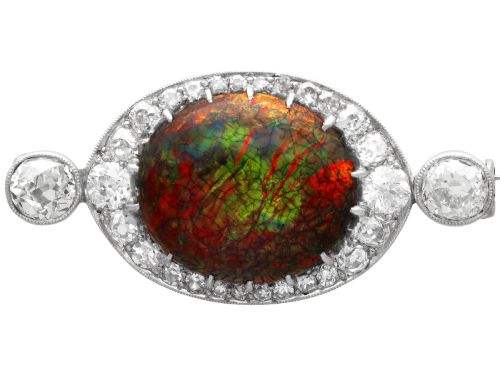
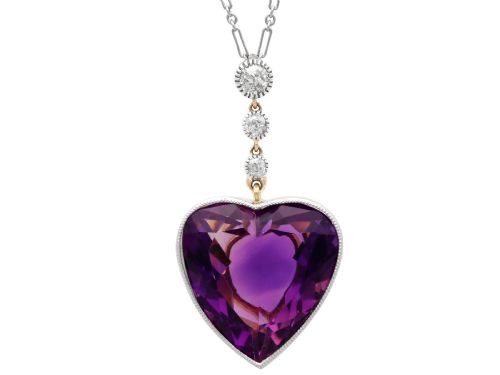
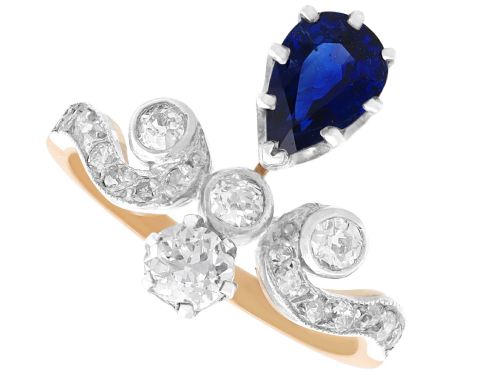
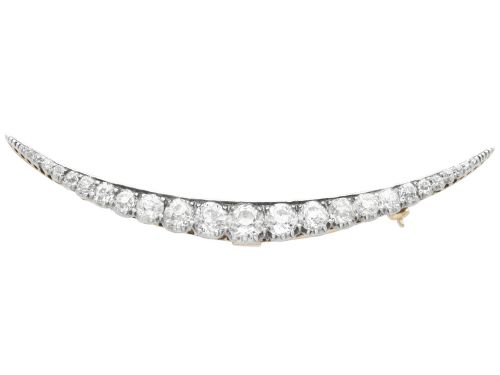
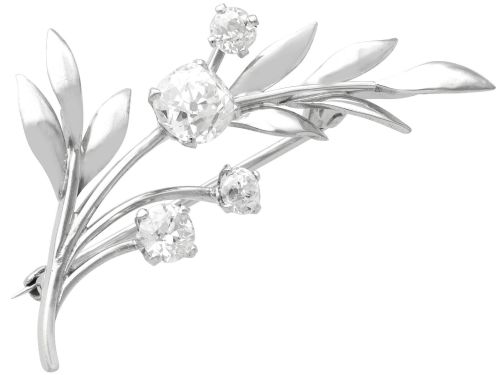
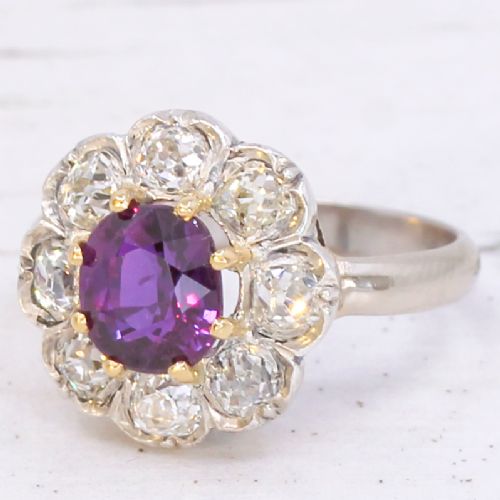
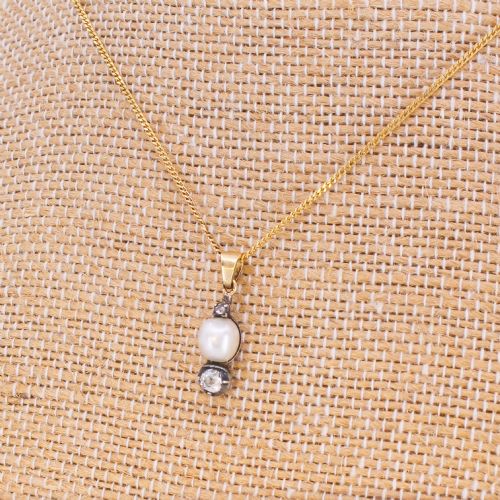
Buyers exploring circa 1900 jewellery most commonly encounter rings, brooches, and pendants utilising yellow gold, platinum, and silver alongside diverse gemstones. The selection includes delicate seed pearl necklaces, diamond cluster rings, and enamelled brooches reflecting Arts and Crafts ideals.
The objects span varied stylistic influences ranging from French Belle Epoque sophistication to Jugendstil and British Arts and Crafts movements. This diversity reflects a period where traditional goldsmithing met innovative design philosophies across Europe and beyond.
Materials and manufacturing techniques
Goldsmiths of this era utilised yellow gold, 15ct gold, and increasingly platinum to mount intricate gemstone arrangements. Platinum permitted the creation of lighter, stronger settings that maximised light transmission through old cut diamonds and coloured stones.
Enamelling techniques such as plique-à-jour played a prominent role in Art Nouveau and Arts and Crafts pieces, suspending translucent enamel within wire frameworks to resemble stained glass. Hand-hammered copper, silver, and repoussé work also emerged in decorative boxes and wearable items.
Gemstones including sapphires, opals, peridots, and natural pearls were integrated using precision claw and bezel settings. Master artisans combined traditional hand-cutting methods for old cut diamonds with detailed millegrain borders to soften metal edges.
Circa 1900 Jewellery Retail Price Guide 2026
Typical asking prices for circa 1900 jewellery among the pieces listed under this phrase on Sellingantiques today, from the lower quarter to the upper quarter. They describe what is for sale here now, not the wider market.
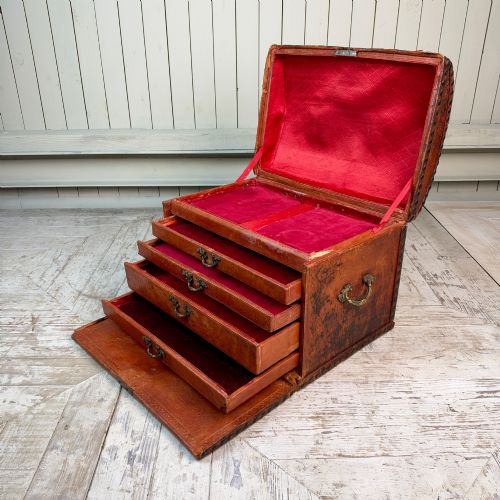
Even cigar boxes and tea jars received the full artistic treatment around 1900.
Factors influencing quality and craftsmanship
The calibre of circa 1900 jewellery depends significantly on the precision of the metalwork and the integrity of the gemstone settings. Superior examples display meticulous hand-finishing, such as finely executed millegrain work and balanced stone proportions that harmonize with the overall design.
Structural durability and originality of components separate standard production from exceptional pieces. Retaining original clasps, uncompromised gemstone integrity, and crisp architectural lines without modern repairs elevate the standing of any jewel.
Murrle Bennet and Co·Erhard and Sohne·French Baccarat
The Circa 1900 Jewellery Glossary
- Old Cut Diamond
- A precursor to the modern brilliant cut featuring a smaller table, higher crown, and open culet designed to catch candlelight. These stones exhibit distinctive hand-faceted charm.
- Plique-à-jour
- An enamelling technique where enamel is applied cell by cell without a backing, allowing light to shine through transparent coloured glass. It resembles miniature stained glass.
- Millegrain
- A decorative jewellery technique involving a border of tiny raised metal beads along the edges of a setting. This softens the transition between metal and gemstone.
- Repoussé
- A metalworking method where a malleable sheet of metal is hammered from the reverse side to form a raised design. It is frequently seen in Arts and Crafts metalwork.
- Natural Pearl
- A pearl formed organically within an oyster or mollusc without human intervention, highly prized for its distinct lustre compared to cultured alternatives.
Circa 1900 Jewellery: Frequently Asked Questions
What defines circa 1900 jewellery?
Jewellery from this era bridges the late Victorian period with Edwardian elegance and Art Nouveau fluidity. Designs often incorporate floral motifs, garlands, and lighter metal structures.
Craftsmen utilised newly accessible platinum alongside traditional yellow gold, setting old cut diamonds and coloured stones in inventive configurations.
How do I identify an Edwardian piece?
Edwardian items frequently rely on platinum and white gold settings paired with diamonds and pearls to create light, airy aesthetics. Look for delicate garland patterns, bow motifs, and fine millegrain detailing.
These pieces contrast sharply with the heavier yellow gold styles typical of the mid-nineteenth century.
What is Art Nouveau jewellery?
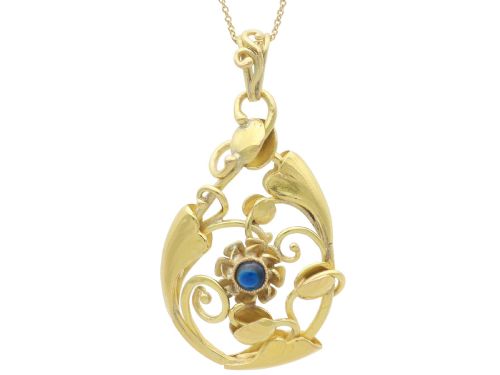
Art Nouveau jewellery embraces asymmetrical, organic lines inspired by plants, insects, and the female form. Plique-à-jour enamel and cabochon gemstones are common hallmarks of this movement.
Maker signatures and distinct continental European design influences often accompany these expressive wearable art objects.
How should I care for antique jewellery?
Antique pieces require gentle handling due to their delicate settings, natural pearls, and softer gems like opals. Avoid ultrasonic cleaners and harsh chemicals that might damage enamel or compromise old settings.
Store items individually in soft pouches to prevent scratching between different metal types and gemstone surfaces.