



Fine Gemstone Ring
A fine gemstone ring brings together precious stones and enduring metals across Victorian, Edwardian, Art Deco and mid-century designs.
Fine Gemstone Ring
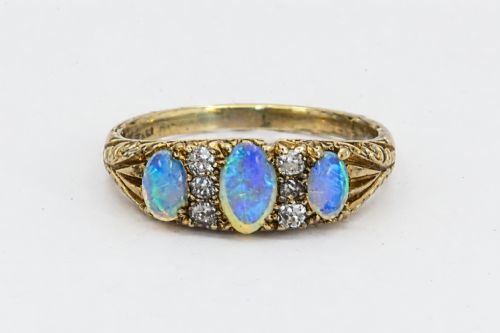
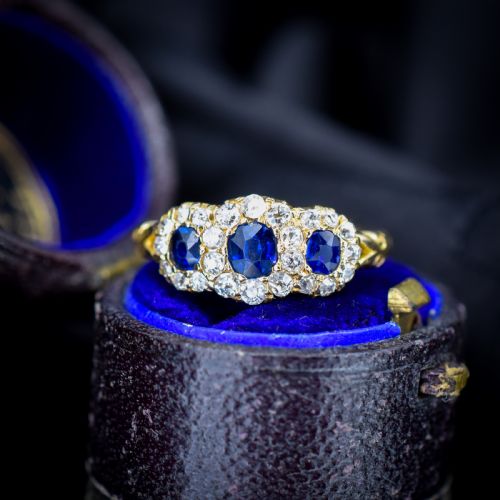
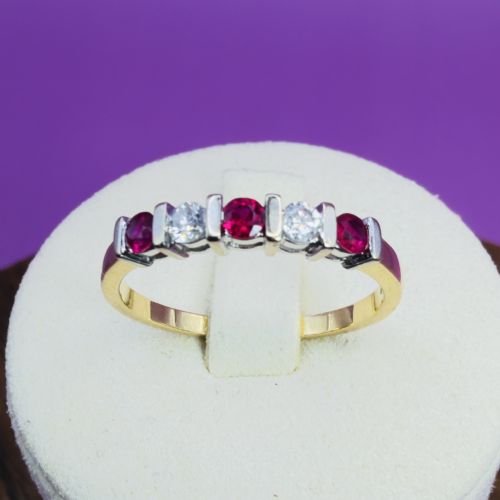
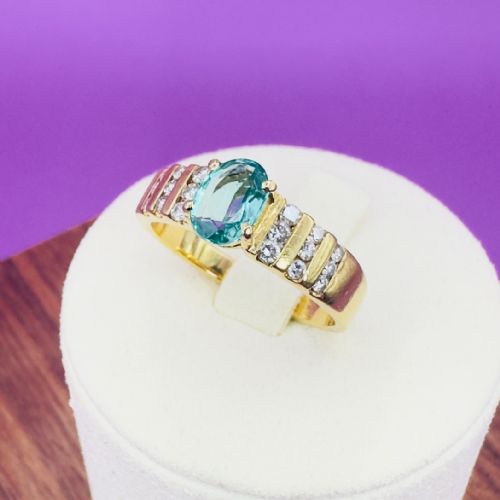
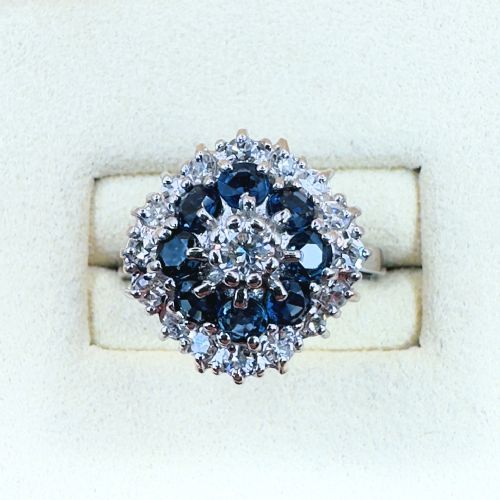
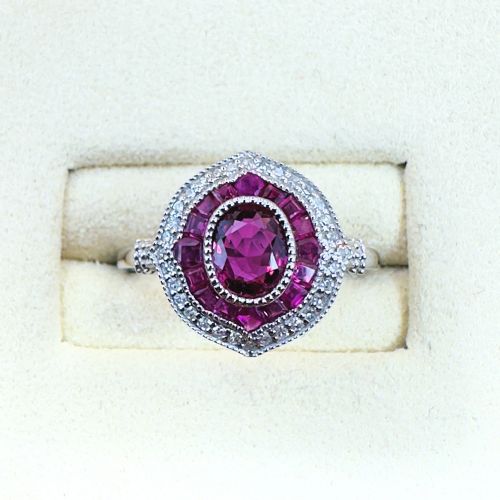
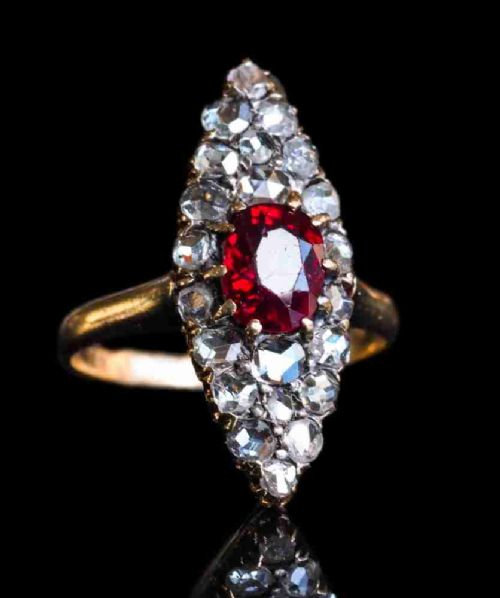
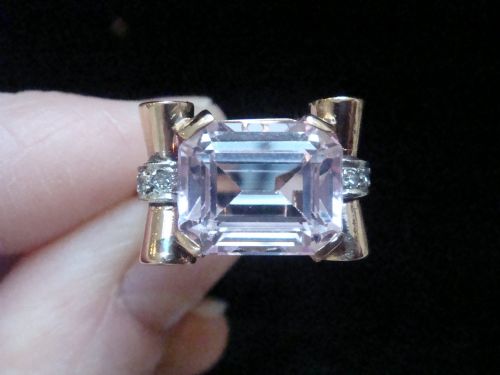
A fine gemstone ring encompasses a diverse array of precious and semi-precious stones set into durable bands, reflecting periods from the early nineteenth century through to the late twentieth century. When searching for a fine gemstone ring, buyers encounter distinctive forms including traditional cluster rings, five stone bands, solitaires and bold cocktail rings.
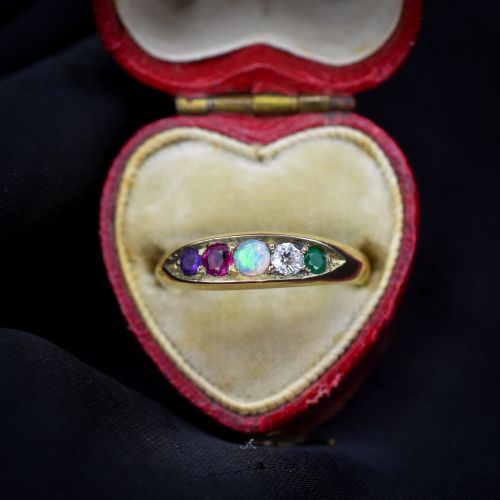
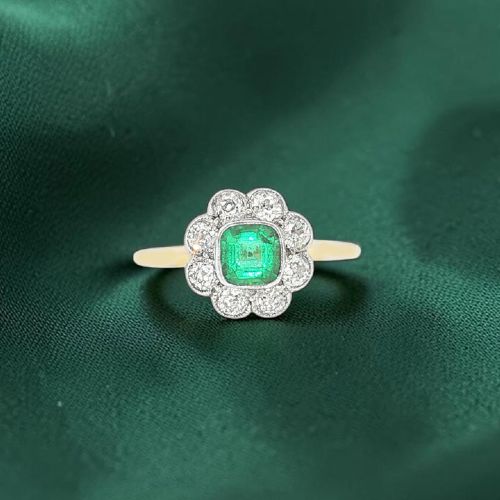
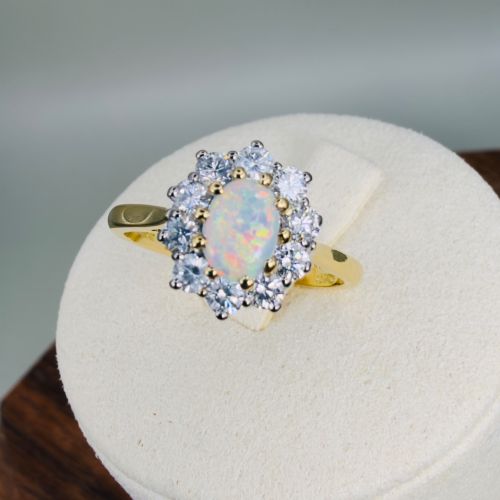
The pieces appearing most frequently on this page combine 18ct yellow or white gold with diamonds and central coloured stones like sapphire, ruby, emerald and opal. Victorian and Edwardian examples sit alongside 1930s Art Deco pieces and 1950s or 1960s retro designs, offering a wide spectrum of historical aesthetics.
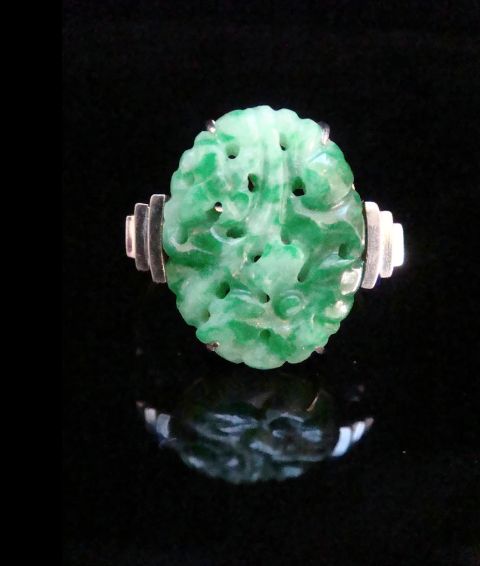
Makers and jewellers utilised varied cuts such as oval, emerald, princess and cabochon to showcase the natural character of each stone. Whether configured as a triple cluster, a navette shape or a ballerina setting, these rings serve as both historical artefacts and wearable jewellery.
How they were made
The construction of these pieces relies heavily on 18ct yellow gold, 18ct white gold, platinum and occasionally 14ct or 9ct gold to securely house the stones. Jewellers employed claw settings, rubover techniques and intricate cluster arrangements to mount diamonds alongside primary gems like tanzanite, kunzite, tsavorite and amethyst.
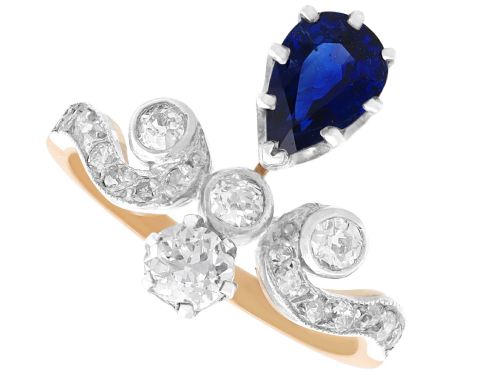
Craftsmen shaped platinum and gold into geometric Art Deco lines, flowing Edwardian motifs and robust mid-century cocktail silhouettes. Hand-set diamond accents, including rose-cuts and baguette-cuts, surround central stones to enhance the visual depth of each mounting.
Fine Gemstone Ring Retail Price Guide 2026
Typical asking prices for fine gemstone ring among the pieces listed under this phrase on Sellingantiques today, from the lower quarter to the upper quarter. They describe what is for sale here now, not the wider market.
Several pieces weigh in with substantial character, including a cushion cut amethyst tipping the scales at over twenty-eight carats.
What varies in quality
Quality in these pieces is dictated by the natural characteristics of the primary gemstone, including its depth of colour, clarity and carat weight, alongside the quality of the surrounding diamond work. Stones described as natural, unheated or possessing specific geographical origins tend to represent the upper echelon of the selection.
The execution of the metalwork also separates standard examples from superior ones, visible in the precision of the claw settings, the weight of the gold or platinum, and the overall architectural balance of cluster or ballerina configurations.
The Fine Gemstone Ring Glossary
- Cluster ring
- A ring design featuring a central gemstone surrounded by a group of smaller stones, typically diamonds. This layout maximises the overall visual presence and sparkle of the piece.
- Navette
- A boat-shaped setting that tapers to points at either end, often associated with Edwardian and Victorian styles. The elongated silhouette sits flat along the finger.
- Cabochon
- A gemstone shaped and polished with a smooth, rounded surface rather than faceted. This cut is frequently utilised for opals, turquoises and star stones to highlight optical phenomena.
- Ballerina ring
- A mid-century cocktail ring style where a central stone is encircled by tapered baguettes or narrow diamonds resembling a tutu. This complex mounting creates high dimensionality.
- Rubover setting
- A mounting style where a thin rim of metal is pushed over the edge of the gemstone to hold it securely. It offers a smooth profile and protects the girdle of the stone.
Fine Gemstone Ring: Frequently Asked Questions
How do I care for antique gemstone rings?
Precious metals and durable stones like diamonds and sapphires tolerate gentle cleaning with warm soapy water and a soft brush. Softer or treated stones such as opals, emeralds and pearls require much more careful handling and professional maintenance.
Storing each ring in a separate compartment prevents harder stones from scratching softer metals or gems. Regular checks by a jeweller ensure that claws and settings remain secure over time.
What is a cluster ring?
A cluster ring arranges multiple smaller stones around a larger central gemstone to create a prominent focal point. This configuration gained immense popularity during the Victorian and Edwardian eras.
Jewellers utilised this layout to amplify light reflection and colour contrast. The resulting designs range from tight floral patterns to geometric Art Deco arrangements.
How do I identify Art Deco rings?
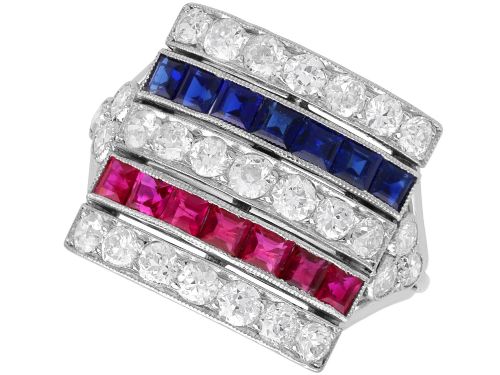
Art Deco rings typically display strong geometric lines, symmetrical patterns and extensive use of platinum alongside white gold. They frequently feature step-cut stones like emerald cuts alongside calibré-cut accents.
This style emerged around the 1920s and 1930s, moving away from the softer, organic curves of the preceding Edwardian period. The focus rests on architectural precision and high-contrast colour pairings.