


Church Wall Carving
A church wall carving brings architectural devotion into a room, offering centuries of historic timber and stone relief.
Church Wall Carving
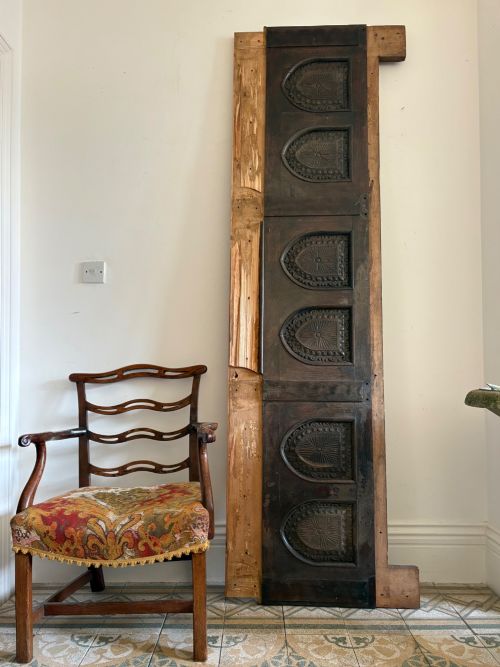
When you search for church wall carving, you encounter architectural salvage and devotional objects salvaged from ecclesiastical buildings across Britain and Europe. These pieces take the form of wall sculptures, reliefs, panels, and mirrors shaped by centuries of religious architecture.
The selections span from pre-sixteenth century medieval fragments up to twentieth-century Gothic revival works. Oak and pine predominate among the wooden forms, alongside occasional limestone, marble, and gilt gesso details.
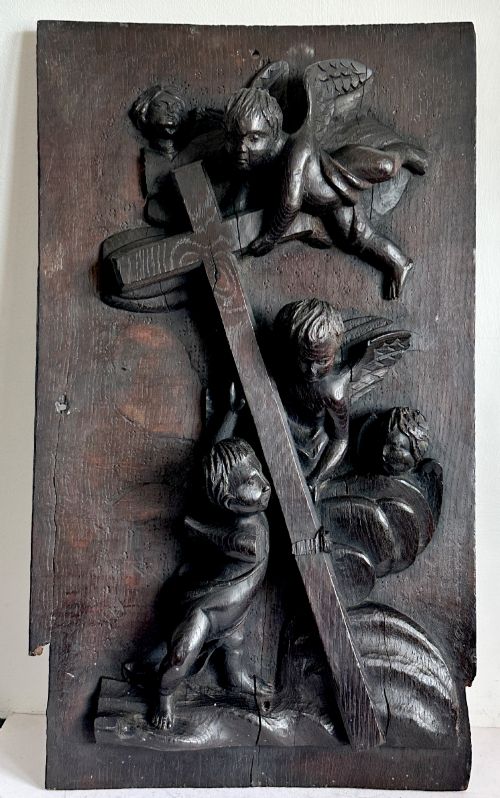
You are most likely to meet seventeenth-century oak panels and nineteenth-century Gothic revival mirrors or angelic figures. These items carry the distinct aesthetic of medieval Gothic, Baroque, and Victorian ecclesiastical design into domestic interiors.
What varies in quality
The integrity of the original surface finish, whether aged polychrome pigment or intact gold leaf over gesso, dictates the historical value. Intact joinery and minimal structural timber replacement preserve the authentic character of early panels.
Listings feature items spanning from pre-sixteenth century medieval stone up to nineteen-thirties art deco oak.
The Church Wall Carving Glossary
- Corbel
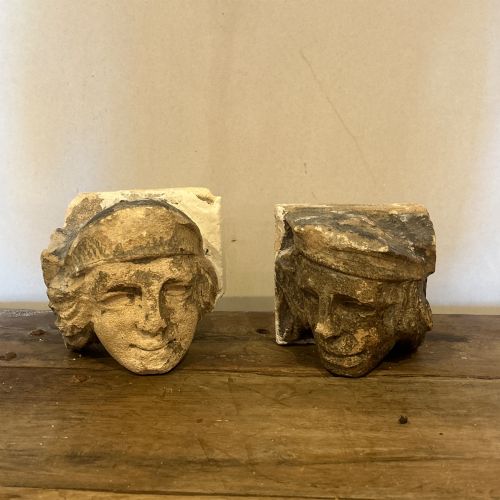
- A projecting stone or timber bracket built into a wall to support a weight above. They often take carved figural or architectural shapes in medieval buildings.
- Tracery
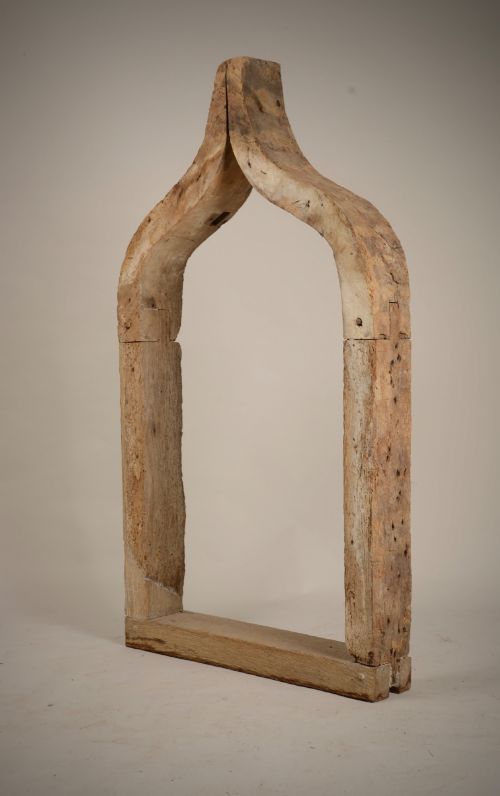
- The stonework or timber framing supporting glass in a Gothic window or panel decoration. This geometric design defines much of the ecclesiastical aesthetic.
- Polychrome
- Painted in several colours, typically applied to wood or stone sculptures. This ancient technique added lifelike detail to religious figures.
- Gesso
- A plaster mix applied to wood surfaces as a base for painting or gilding. It provides a smooth ground for gold leaf application on devotional panels.
- Gothic Revival
- An architectural and artistic movement originating in the eighteenth century and flourishing through the Victorian era. It imitates medieval styles and forms.
Church Wall Carving: Frequently Asked Questions
How do I hang a heavy oak panel?
Heavy carved panels require secure wall anchoring into structural studs or masonry using substantial steel brackets. Professional installation ensures the weight of dense oak or stone is safely distributed.
Smaller architectural fragments often feature original iron hanging loops or benefit from custom concealed French cleats. Check the rear of each piece to determine the safest mounting method.
Can these carvings go in bathrooms?
Historic timber and gesso finishes react poorly to high humidity and fluctuating moisture levels found in bathrooms. Dry living spaces and hallways provide the stable environment needed to preserve ancient wood and paint.
Limestone and marble elements tolerate damp conditions better than wood but still risk surface degradation from direct water exposure. Keep sensitive polychrome and gilt pieces away from steam.
Are these pieces from actual churches?
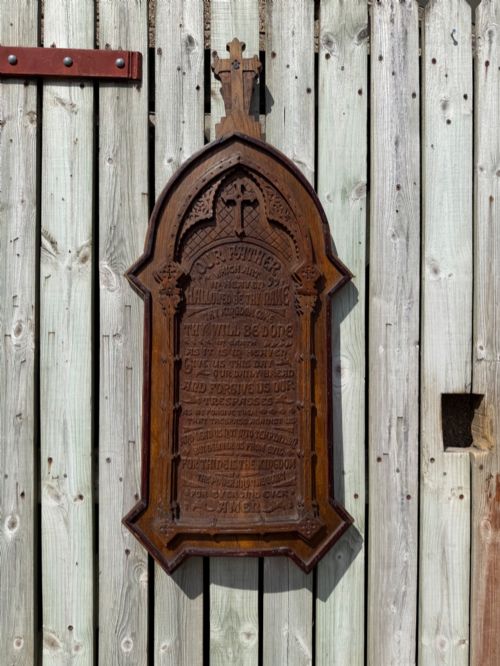
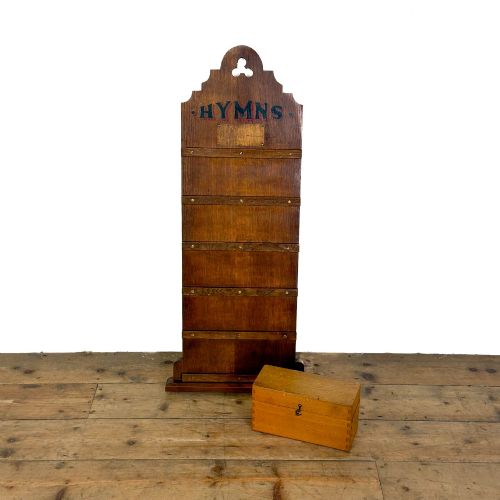
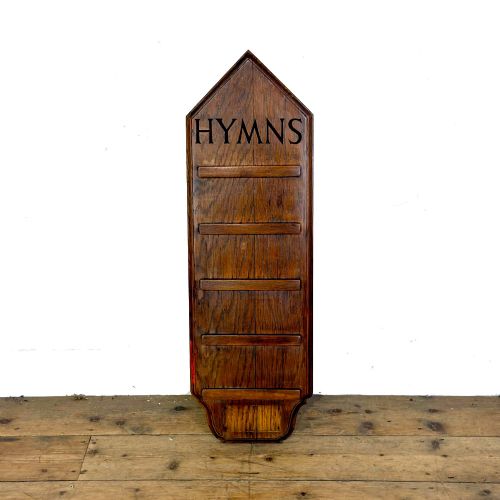
The majority of these items originate from ecclesiastical salvage, having been removed during church restorations, repurposing, or demolition over the past two centuries. Architectural elements like hymn boards and wall plaques served practical functions within parish life.
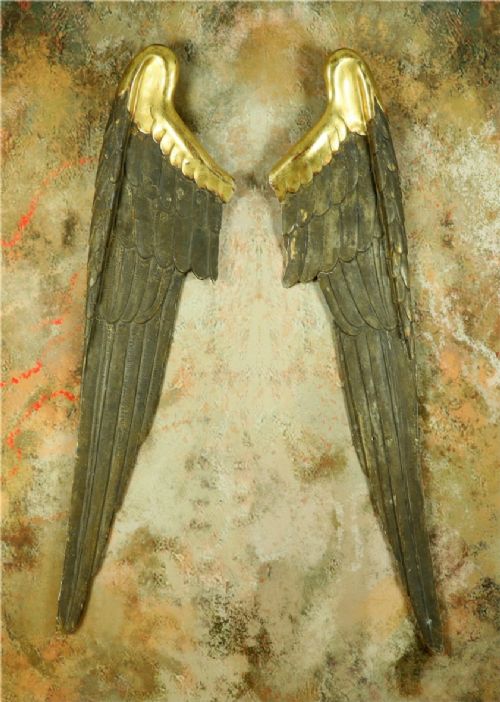
Figural carvings and angels often decorated rood screens, altars, or structural wall brackets inside European sanctuaries. Their removal preserves them for domestic architectural study and display.