



Chippendale Tray Top Tables
These chippendale tray top tables combine practical raised edges with refined eighteenth-century cabinet-making, offering both decorative surface utility and period elegance.
Chippendale Tray Top Tables
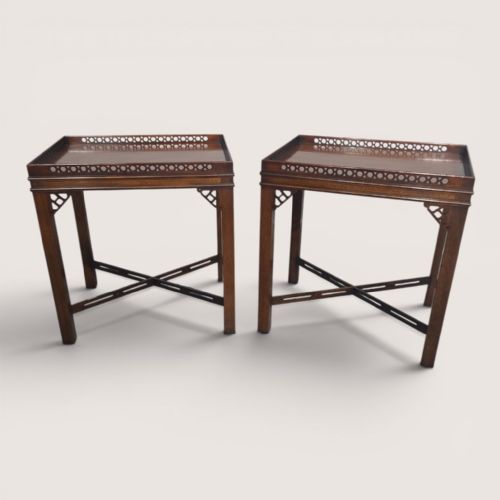
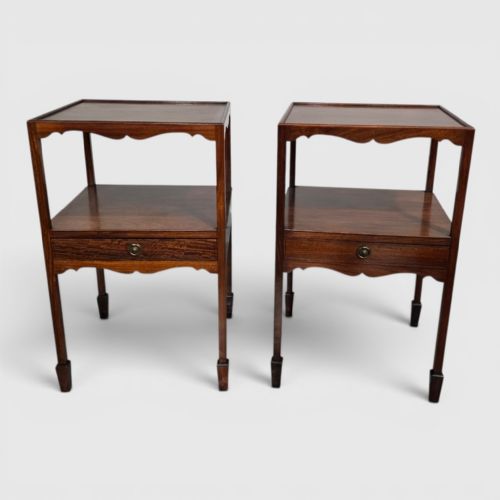
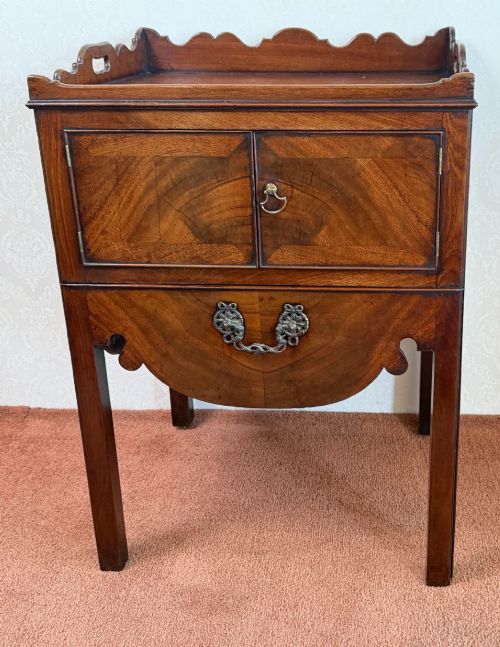
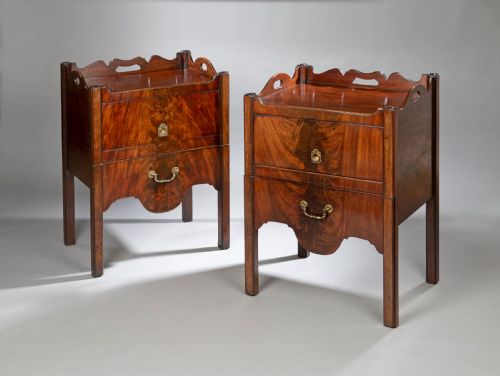
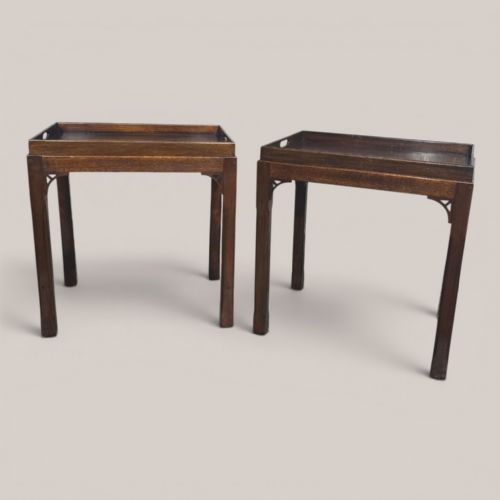
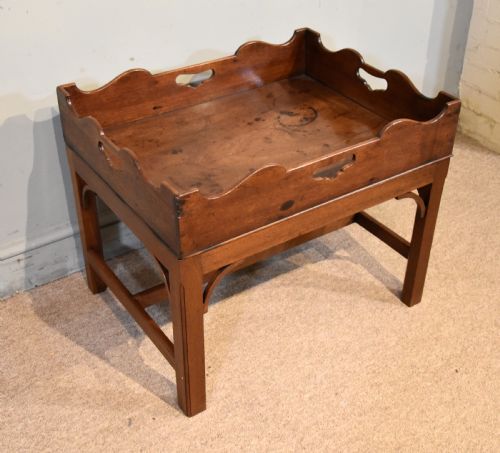
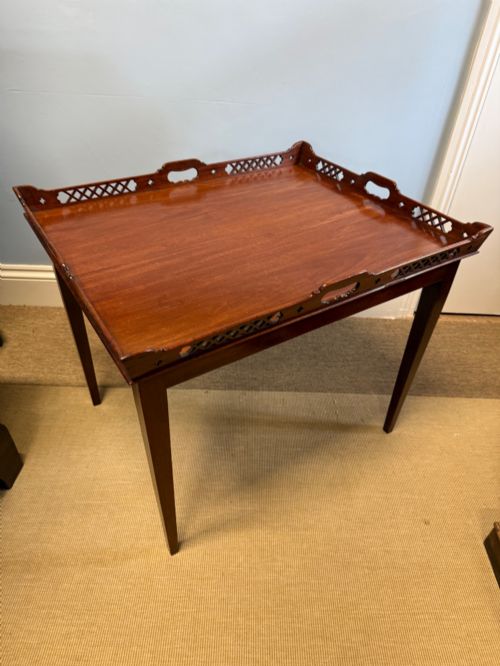
When you search for chippendale tray top tables, you encounter versatile small furniture designed for bedside use, silver display, or occasional placement in reception rooms. The forms range from compact commodes and cupboards to slender lamp tables and silver tables resting on raised stands.
The examples available stretch across multiple eras, led by eighteenth-century originals from the Georgian period alongside later revivals from the Victorian, Edwardian, and early twentieth-century decades. Mahogany dominates the selection, though variations in walnut and black lacquer also appear.
Buyers frequently meet bedside variants featuring enclosed cabinets alongside open occasional tables and two-tier designs. This variety ensures suitable options for both authentic period interiors and more eclectic domestic spaces.
Materials and construction
Makers relied principally upon dense, durable mahogany, selecting timber with rich grain patterns to form the tabletops, sides, and supporting structures. Selected pieces incorporate contrasting brass hardware, intricate inlay work, or distinctive black lacquer finishes upon walnut foundations.
Constructive integrity relies upon traditional joinery methods that secure the raised tray rims characteristic of the style. Stands and table bases frequently feature carved detailing, subtle serpentine contours, or tiered lower shelves to enhance structural stability.
Early cabinet-makers designed these raised tray edges precisely to save precious porcelain and silver tea wares from disastrous tumbles during busy Georgian evenings.
Assessing quality and craftsmanship
Superior examples distinguish themselves through the crispness of carved details along the tray borders and supporting legs, reflecting the skill of the original workshop. Finer pieces demonstrate careful timber selection, where the grain of the mahogany flows harmoniously across the visible surfaces.
Period authenticity also governs valuation, separating eighteenth-century Georgian items from later revival pieces made during the Edwardian era or the nineteen-twenties. The precision of the joinery and the integrity of the surface finish further separate standard utility furniture from exceptional cabinet-making.
The Chippendale Tray Top Tables Glossary
- Tray top
- A tabletop finished with a raised moulded rim designed to prevent items from rolling off the surface. This feature defines the primary functional form of these tables.
- Commode
- A enclosed bedside or freestanding cabinet with cupboard doors or drawers. In earlier periods, these pieces often served utilitarian bedroom functions.
- Silver table
- An elevated display table traditionally utilised for holding silver tea services or presentation items. These forms typically feature raised gallery edges and slender proportions.
- Serpentine
- A curved furniture outline featuring a concave centre flanked by convex ends. This fluent contour appears on premium cabinet fronts and tabletops.
- Chippendale revival
- A later period of furniture production during the nineteenth and twentieth centuries that recreated eighteenth-century designs. These pieces emulate the distinct carving and proportions associated with Thomas Chippendale.
Chippendale Tray Top Tables: Frequently Asked Questions
What were tray top tables used for?
These tables served various domestic purposes, functioning as secure surfaces for holding tea services, silver presentation pieces, or bedside necessities. The raised edges ensured that items remained contained while servants moved the trays or tables between rooms.
Over time, their refined appearance transitioned them into formal reception spaces as occasional tables and lamp stands. Today, they continue to provide practical surface space combined with distinct historical character.
How do I distinguish an eighteenth-century table from a revival piece?
Differentiating period originals from later revivals requires careful inspection of the timber patina, tool marks, and construction techniques. Eighteenth-century pieces exhibit natural ageing, hand-cut joinery, and timber shrinkage consistent with centuries of use.
Revival pieces from the Edwardian era or the nineteen-twenties often display more uniform machine manufacturing methods and cleaner interior secondary woods. Comparing the specific carving styles and hardware types against documented examples helps clarify the date of manufacture.
Where should I place a tray top table at home?
These compact tables fit easily beside armchairs, sofas, or beds where a small surface is required. Their raised edges make them particularly secure for holding drinks, books, or small decorative objects.
Placing them in hallways or drawing rooms allows the carved details and timber grain to function as decorative focal points. Their versatile proportions ensure they integrate smoothly into both traditional and contemporary interiors.
Are mahogany and walnut the only materials used?
Mahogany forms the vast majority of the tables in this selection, prized by historical cabinet-makers for its strength and rich reddish-brown colour. Walnut and black lacquer variations also appear among the listed items, offering alternative aesthetic choices.
Additional materials include brass handles, hinges, and decorative inlay work that accentuates the primary timber structures. Each material combination reflects the specific stylistic preferences of its period of origin.