



Chippendale Tray Table
A chippendale tray table brings timeless utility and distinct period character to any room, offering a raised edge to keep items secure.
Chippendale Tray Table
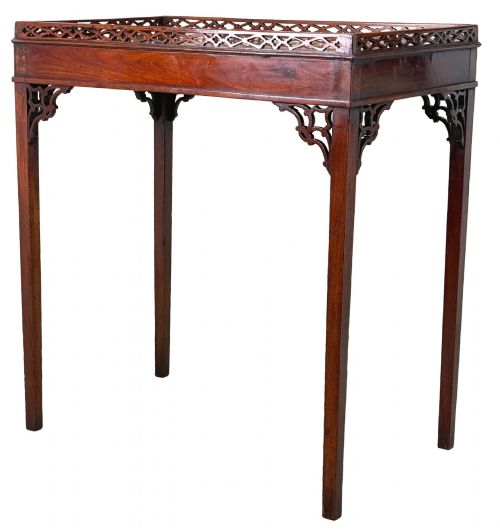
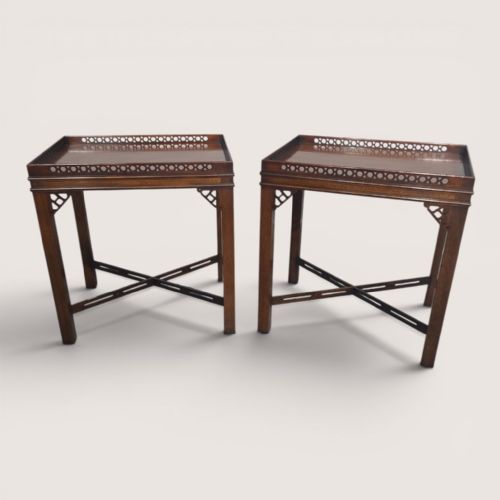
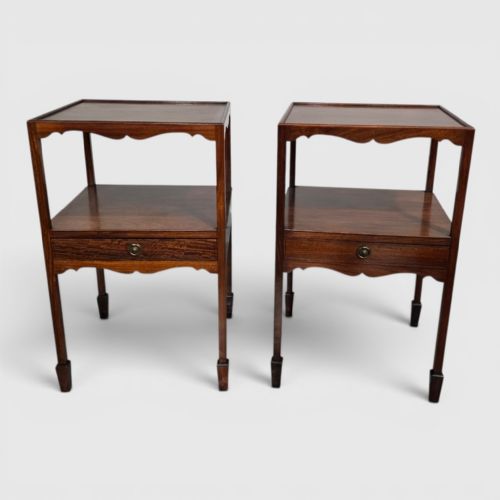
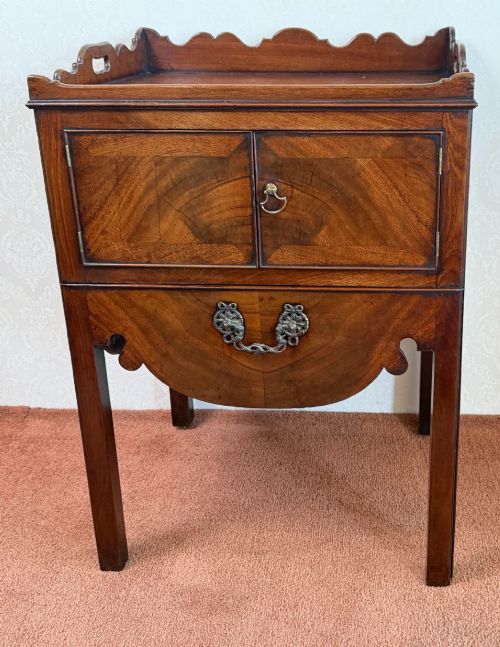
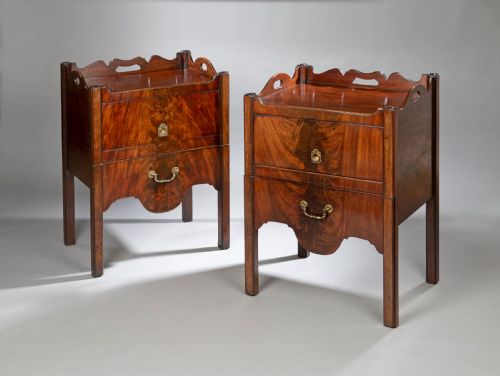
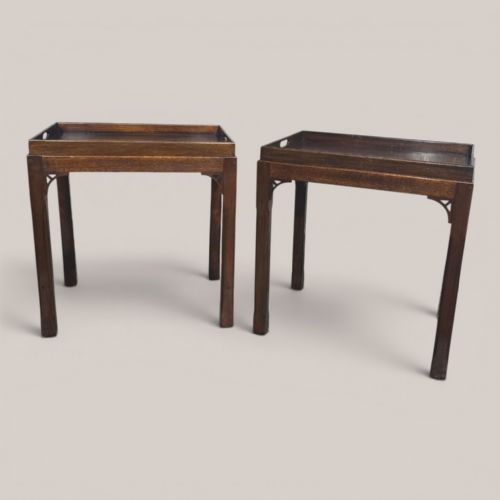
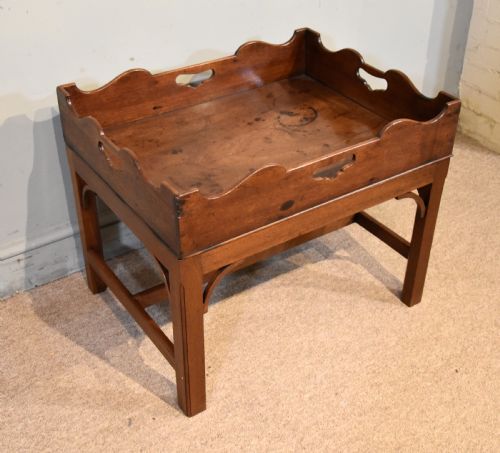
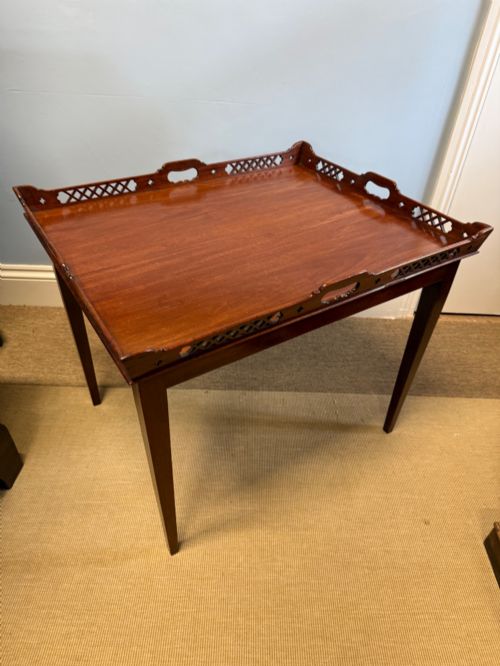
When you search for a chippendale tray table, you encounter diverse forms ranging from silver tables and bedside commodes to occasional stands and butler trays. These versatile items bridge functional surface utility with decorative elegance through raised tray borders designed to secure objects.
You meet pieces originating from the eighteenth century alongside revival examples made in the nineteenth and twentieth centuries. The selection encompasses authentic Georgian period pieces as well as Edwardian and later interpretations bearing classic stylistic influences.
Materials and construction
Makers utilised solid timbers primarily, selecting mahogany and walnut for their strength and rich grain patterns. Brass hardware often provides functional accents, while specialised examples incorporate delicate inlay work or black lacquer finishes.
Construction methods evolved across periods, pairing traditional cabinet-making joints with carved details. The integration of removable trays onto dedicated stands or folding frames defines the practical mechanical design of these items.
Listings feature mahogany predominantly, alongside walnut, brass accents, intricate inlay work, and black lacquer surfaces.
Distinguishing quality factors
The sophistication of the carved woodwork and the crispness of the tray moulding dictate the primary tier of craftsmanship. Superior examples display thoughtful proportions, balanced structural symmetry, and refined timber selection without superfluous additions.
Period authenticity heavily influences the standing of a piece, separating eighteenth-century originals from later revival interpretations. The integrity of the surface finish and the preservation of original mounts contribute significantly to overall execution.
The Chippendale Tray Table Glossary
- Tray top
- A tabletop featuring a raised gallery or rim designed to prevent items from sliding off. This practical feature defines many serving and display tables from the period.
- Commode
- A low cabinet or chest of drawers often adapted with a tray top for bedside or general room use. These pieces combine enclosed storage with an upper display surface.
- Silver table
- A specialised occasional table utilised for displaying tea services or silver objects. They frequently incorporate galleries and intricate carved details beneath the top surface.
- Chippendale revival
- Furniture produced in later centuries, such as the Edwardian era, copying the distinctive stylistic elements of eighteenth-century maker Thomas Chippendale. These items adapt historical aesthetics for contemporary homes.
- Butler tray
- A portable tray designed to lift off a folding or fixed wooden stand. This form prioritised mobility and convenient storage for domestic service.
Chippendale Tray Table: Frequently Asked Questions
What is a chippendale tray table used for?
These tables function as versatile surfaces for serving drinks, displaying decorative objects, or holding bedside essentials. The raised gallery edge keeps items secure during use.
Historically, specific forms like silver tables supported tea services, while commodes offered enclosed storage beneath the tray top.
How do I date a chippendale tray table?
Dating relies on examining timber characteristics, construction joints, and stylistic cues present in the carving. Eighteenth-century pieces exhibit period-specific joinery and genuine age to the mahogany or walnut surfaces.
Revival examples from the Edwardian period or later decades often display standardised machine-made elements alongside stylistic nods to George III designs.
Are these tables sturdy enough for daily use?
Solid mahogany and walnut construction provides substantial durability for everyday placement in modern rooms. The robust frames handle regular placement of lamps, books, or drinks.
Care should be taken with antique surfaces, utilising coasters and placemats to protect the polished wood from moisture and heat.
What is the difference between a silver table and a tray table?
Silver tables generally feature fixed tops with elaborate galleries designed specifically for displaying precious tableware. They often incorporate more ornate carving on the legs and frame.
Tray tables can feature removable trays resting on stands, offering a modular design intended for practical domestic service and mobility.