






Chippendale Style Wine Stand
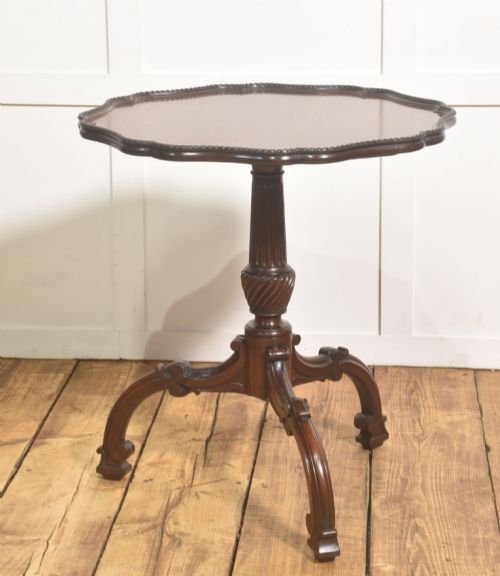
A chippendale style wine stand brings distinct 18th-century proportions and carved tripod bases to smaller surfaces, serving as a versatile antique table.
Chippendale Style Wine Stand
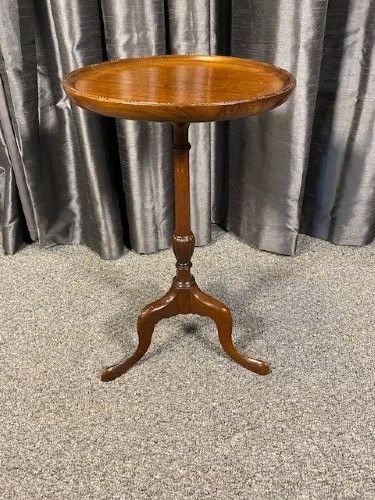
A chippendale style wine stand typically manifests as a compact tripod table designed for serving or holding lamps, originating in forms from the 18th century through to later revival periods. The listings here range from genuine Georgian pieces to 20th-century reproductions in the Chippendale and Georgian Revival styles.
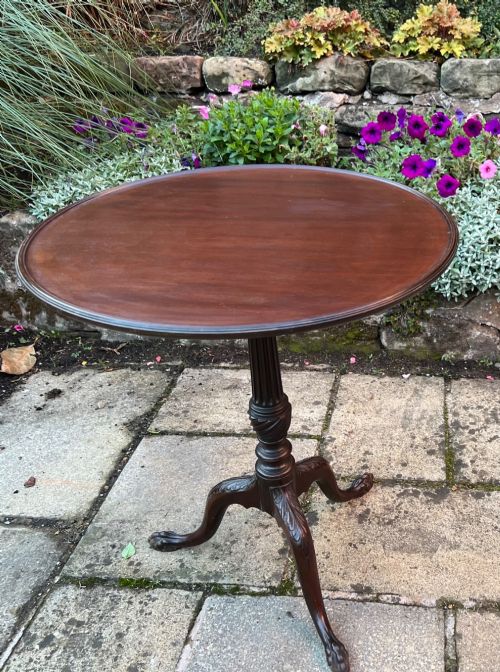
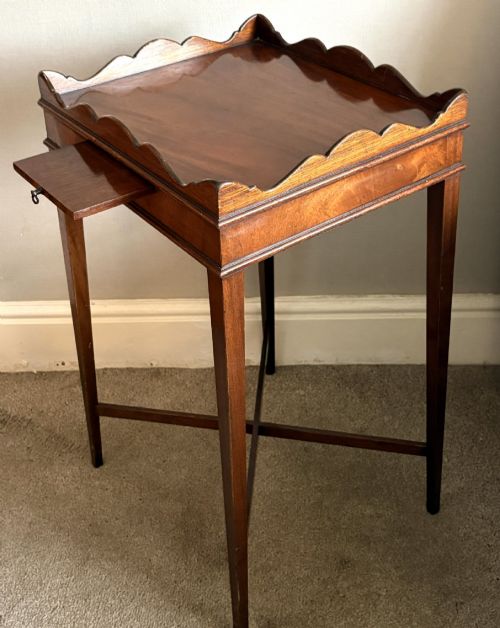
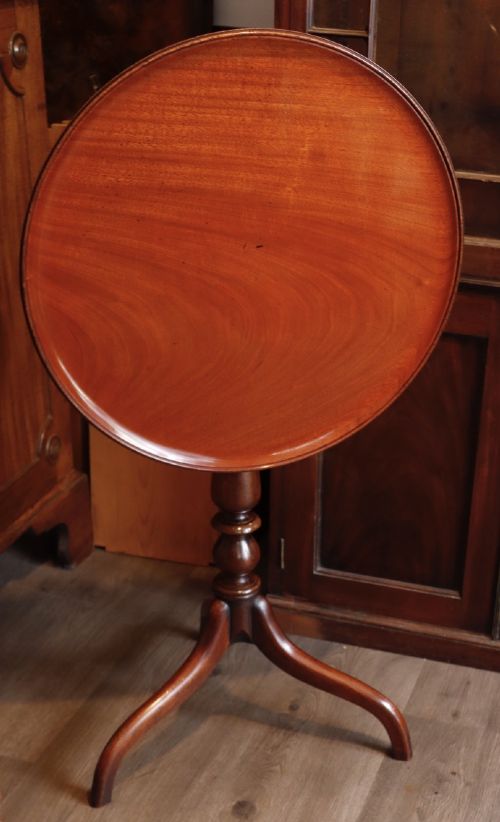
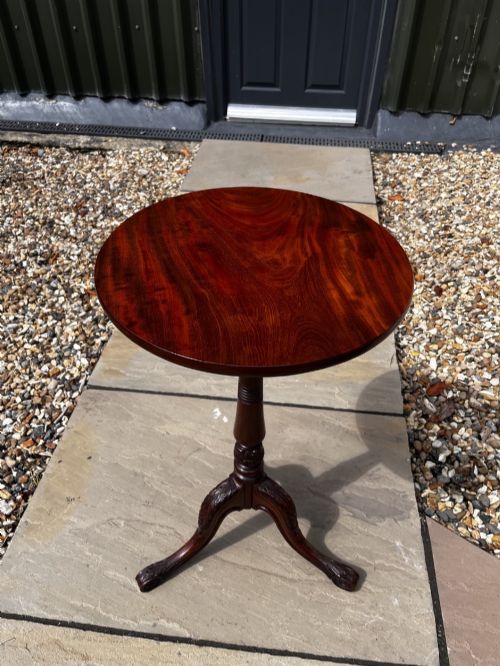
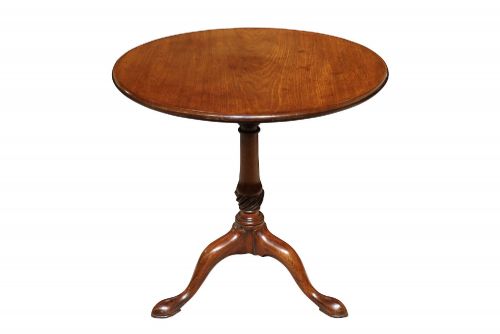
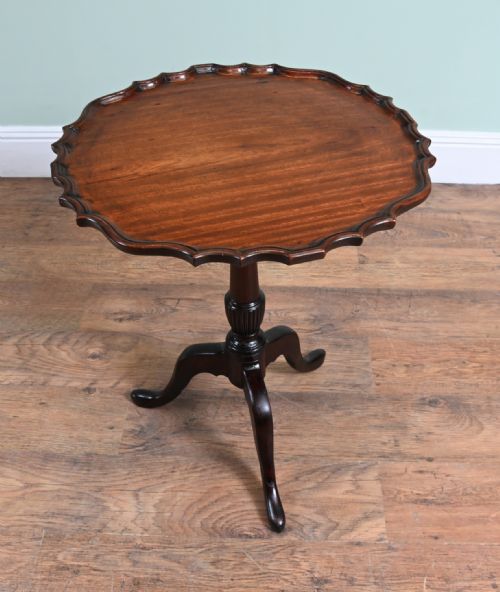
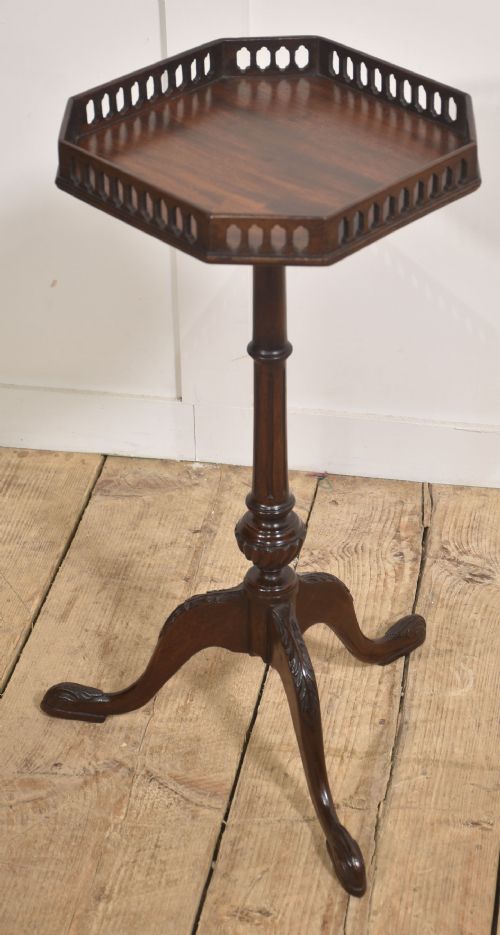
Buyers will encounter various top configurations among these pieces, including plain circular boards, raised pie crust edges, serpentine galleries, and tilt-top mechanisms. Supporting these tops are slender columns resting on three-legged tripod bases, frequently terminating in pad or claw and ball feet.
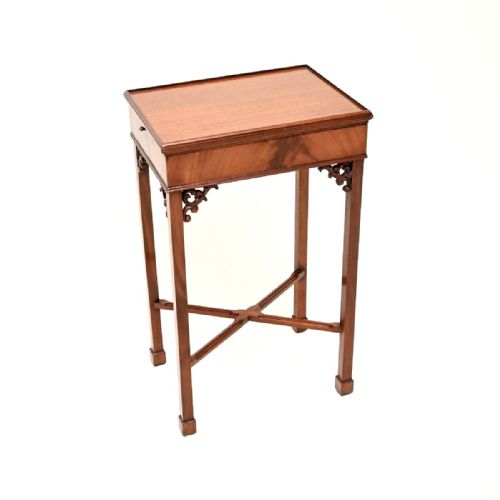
Occasional tables and lamp tables appear frequently alongside traditional wine tables, sharing the same fundamental tripod construction and mahogany construction. Pieces span eras from the 18th century and George III period down to Edwardian and 1930s interpretations.
Assessing craftsmanship and period integrity
The crispness of the hand-carving on the knees of the tripod legs and the moulding on the edges distinguish finer examples from simpler production. Superior tables demonstrate harmonious proportions between the height of the central column and the spread of the legs.
Original 18th-century pieces carry the patina of age and period-correct joinery, whereas 20th-century revivals display the cleaner machining methods of their respective decades. The integration of functional elements like working tilt-top latches and steady birdcage pivots reflects the underlying build standard.
Chippendale Style Wine Stand Retail Price Guide 2026
Typical asking prices for chippendale style wine stand among the pieces listed under this phrase on Sellingantiques today, from the lower quarter to the upper quarter. They describe what is for sale here now, not the wider market.
Several tables retain clever birdcage pivots designed so a dining room could be cleared for dancing in seconds.
The Chippendale Style Wine Stand Glossary
- Tripod table
- A small freestanding table supported by a central pillar on three legs. This form became dominant in British furniture during the 18th century.
- Birdcage
- A wooden box-like framework beneath the table top that permits the surface to tilt and revolve. It represents a hallmark of better-quality Georgian stands.
- Pie crust
- A raised, scalloped edge carved directly from the solid timber of the table top. This decorative feature appears frequently on finer tea and wine tables.
- Tilt-top
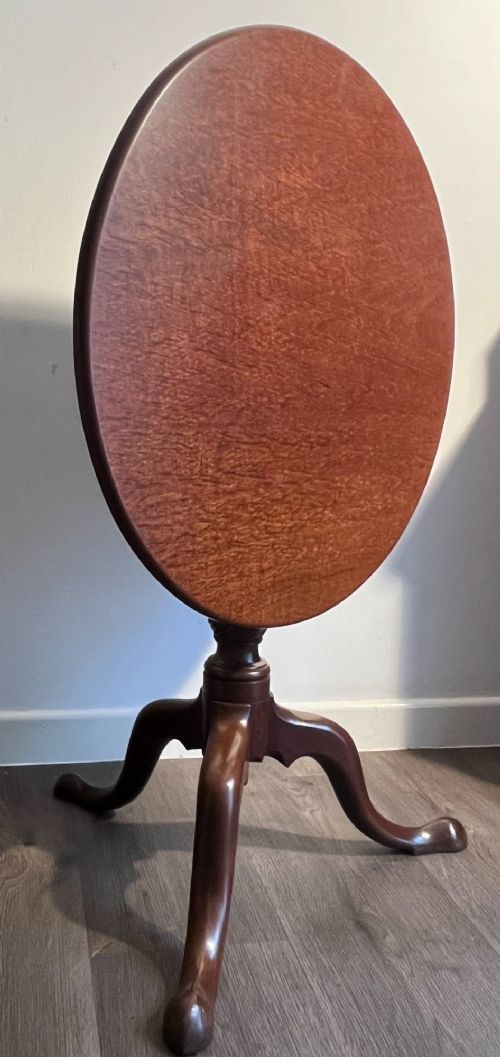
- A mechanism allowing the table top to hinge flat against the central pillar when not in use. This saved precious floor space in historic interiors.
- Serpentine gallery
- A raised border around the edge of the table with a undulating, wavy outline. It prevented items from sliding off the polished surface.
Chippendale Style Wine Stand: Frequently Asked Questions
What is a chippendale style wine stand used for?
These compact stands function primarily as occasional tables, lamp tables, or bedside surfaces in modern rooms. Their small footprint allows them to fit easily beside armchairs or in tight corners.
Historically, similar tripod tables held candles, wine bottles, or tea service equipment during the Georgian era. Today, they provide a decorative surface for displaying small objects or lighting.
How do I tell an 18th-century table from a revival piece?
Examine the timber shrinkage, tool marks underneath the top, and the wear patterns around the pivot joints and feet. Genuine 18th-century examples display hand-cut joinery and dry, oxidised mahogany surfaces.
Revival pieces from the Edwardian era or the 1930s often show more uniform machine-tooling and modern fixings. Comparing the timber colour and construction methods against documented period pieces helps clarify the date.
What does a tilt-top mechanism do?
A tilt-top utilises a sophisticated hinge block or birdcage pivot beneath the table surface. This allows the top to lock flat for use or swing vertically against the central column.
In historic homes, this feature enabled servants to store multiple tables against the wall when rooms needed to be cleared for dancing or dining.
Are all these tables made of mahogany?
Mahogany forms the vast majority of the stands listed, prized by cabinetmakers for its strength and suitability for carving. It accounts for nearly all the Chippendale and Georgian style pieces.
A small number of alternatives appear in the evidence, including figured walnut, solid walnut, and oak. These represent different stylistic preferences or regional traditions across various decades.