

Antique Style Accent Table
An antique style accent table brings useful surface space and period character to a room, ranging from mahogany occasional pieces to French marquetry designs.
Antique Style Accent Table
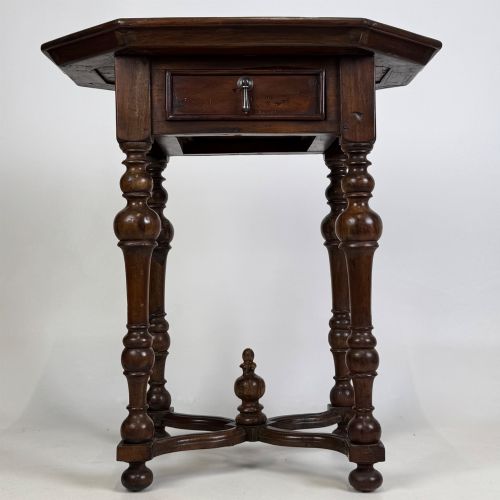
When you search for an antique style accent table, you look at compact furnishings designed to sit beside seating or in corners, spanning periods from the eighteenth century through to the Edwardian era. These pieces include side tables, occasional tables, coffee tables, nests of tables, centre tables, and plant stands created in various regional tastes.
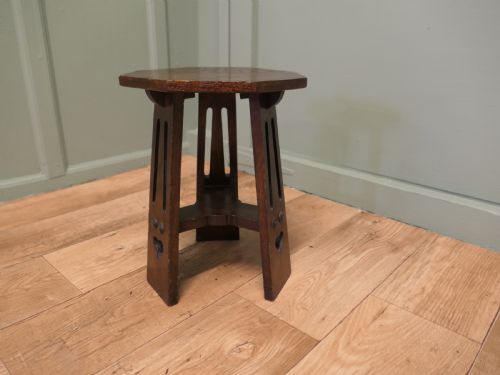
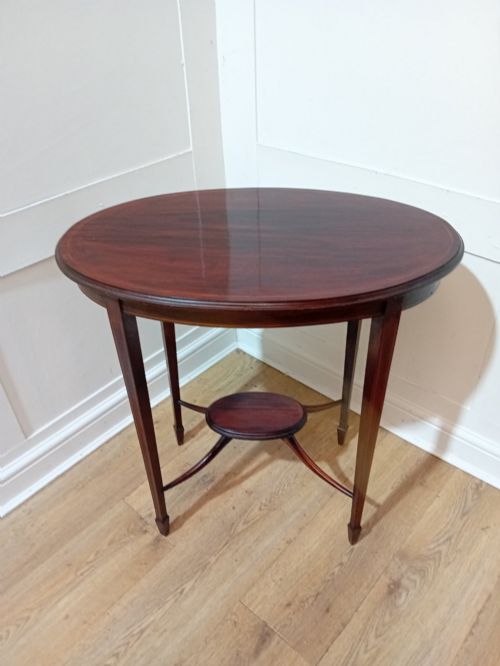
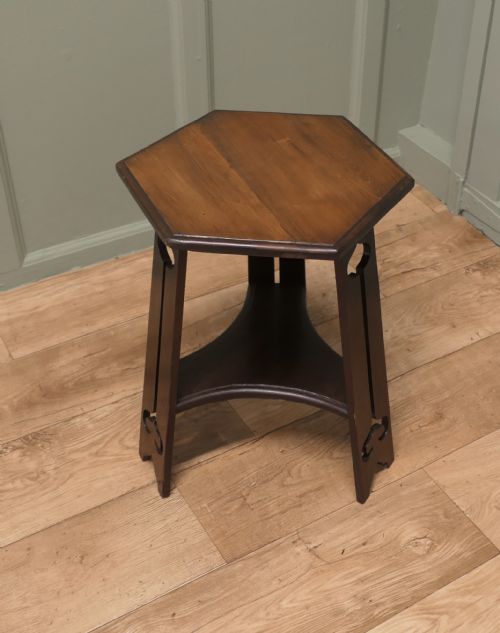
The most common examples you meet on this page date from the nineteenth century and the early twentieth century, constructed in oak, walnut, and mahogany. Makers of these periods drew on earlier revivals, producing Jacobean, Louis XV, Sheraton, and Arts and Crafts interpretations for domestic interiors.
How they were made
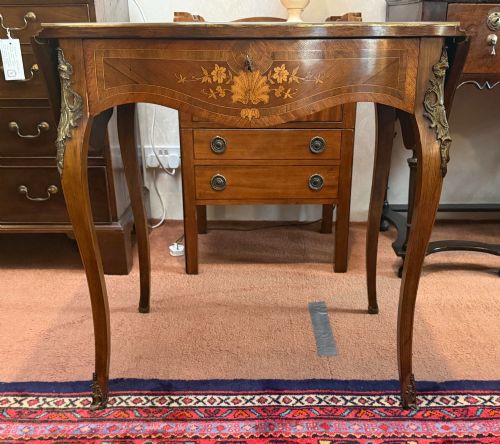
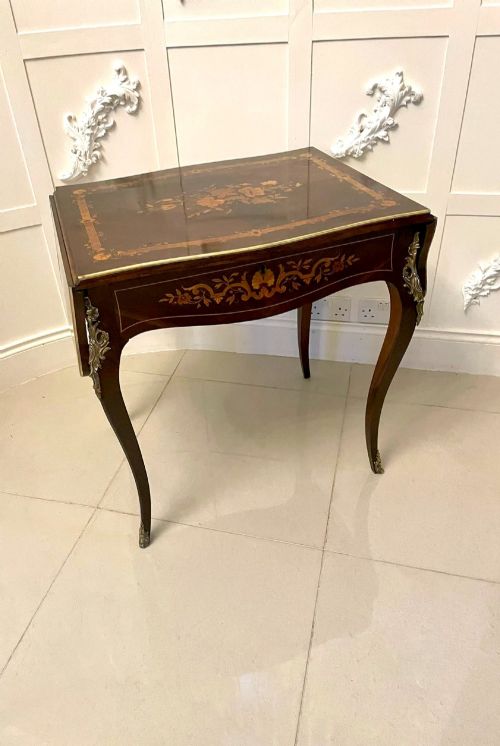
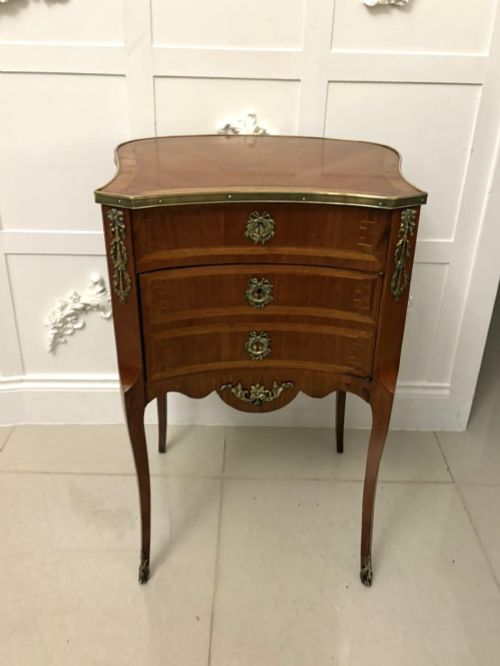
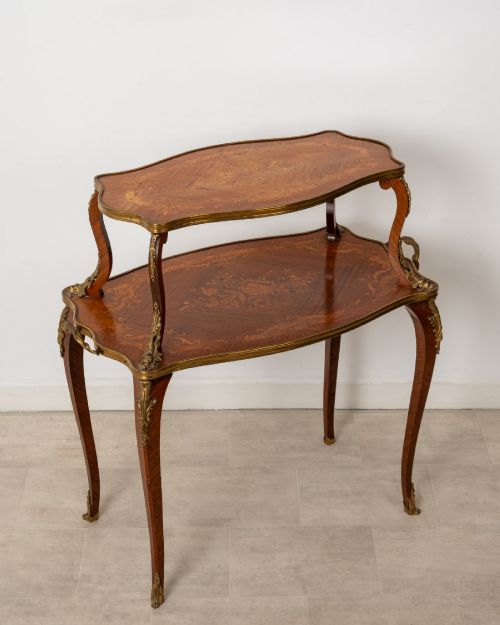
Cabinetmakers utilised solid timbers and veneers such as walnut, oak, mahogany, rosewood, and satinwood, often embellishing surfaces with marquetry inlay, mother of pearl, lacquer, or painted floral decoration. Structural elements relied on traditional joinery, turning, and carving.
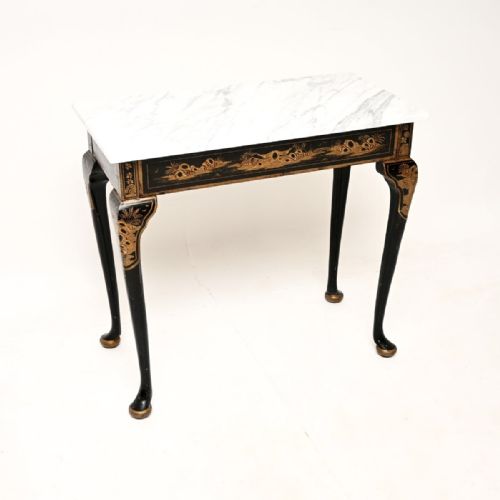
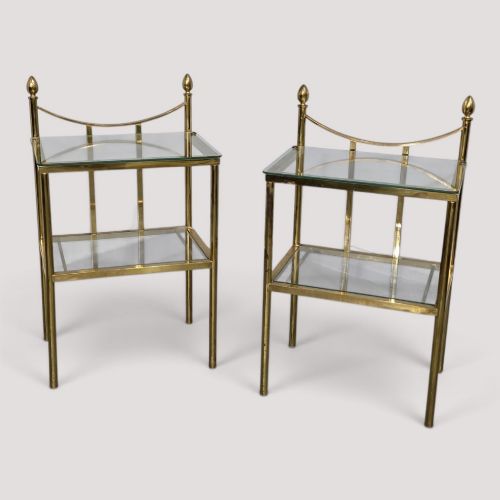
Metal components like brass, ormolu, and gilt bronze appeared on mounts, handles, and lamp bases, while specialised items incorporated marble tops, grotto work pine, or faux bamboo paintwork.
Listings feature accent tables spanning the eighteenth century through to the Edwardian era, constructed in oak, walnut, mahogany, beech, pine, and satinwood.
What varies in quality
The standard of an accent table rests on the selection of timber and the precision of the cabinetmaker's work, particularly in the cut of veneers and the execution of marquetry inlay. Pieces featuring detailed hand-carving, painted decoration, or specialist tops like marble sit at a higher level than plain utilitarian items.
Proportion and structural integrity also separate standard examples from finer ones, as balanced forms and well-preserved original finishes retain their character better over time.
Gillows
The Antique Style Accent Table Glossary
- Marquetry
- Decorative veneer work arranged in geometric or pictorial patterns across a wooden surface. Craftsmen cut thin slices of different coloured woods to fit together precisely.
- Gueridon
- A small French occasional table or stand, typically round and supported by a central pillar or three legs. These appeared frequently in nineteenth-century drawing rooms.
- Étagère
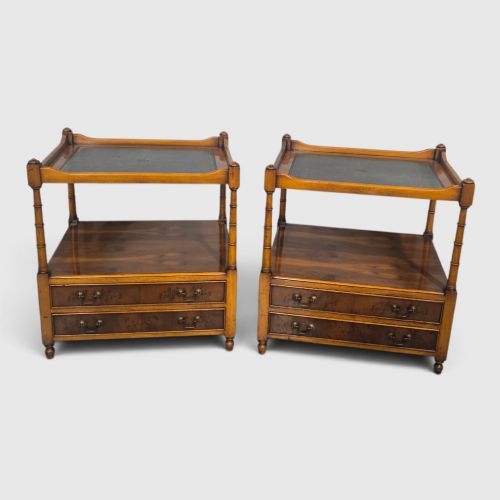
- A set of open shelves or a multi-tiered small table used for displaying ornaments or holding items. They gained popularity during the late nineteenth and early twentieth centuries.
- Chinoiserie
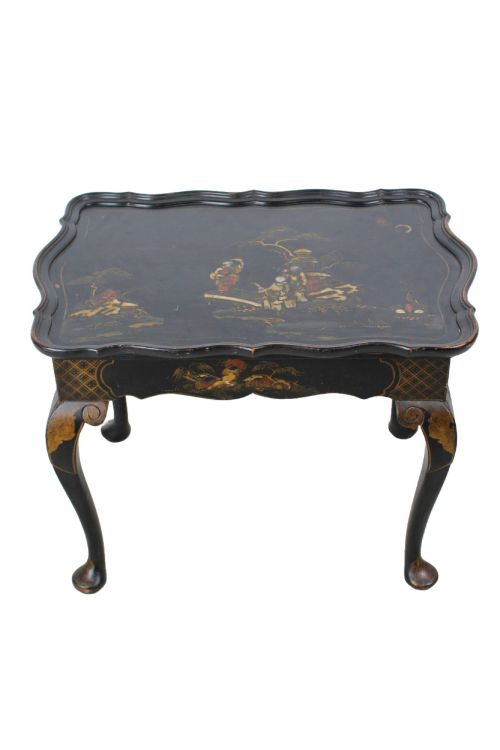
- European decorative style reflecting Chinese artistic motifs, often rendered in lacquer with gold highlights on dark backgrounds.
- Tray top
- A table surface featuring a raised moulded edge resembling a serving tray, designed to prevent items from sliding off.
Antique Style Accent Table: Frequently Asked Questions
What is an accent table used for?
An accent table serves as a functional surface for lamps, drinks, or books while adding decorative interest to a living space or hallway. These small furnishings fit easily beside chairs or in empty corners.
Historically, specific forms were designed for specialised tasks, such as candle lighting, writing, or displaying plants and decorative objects.
How do I identify the period?
Dating relies on observing the combination of timber, construction methods, and stylistic revival influences present in the piece. For instance, heavier carved oak often points towards nineteenth-century revivals of earlier styles, while satinwood and painted details frequently indicate Edwardian manufacture.
Comparing the hardware, joinery techniques, and overall silhouette against documented examples helps narrow down the decade of production.
Where should I place one?
These compact pieces work well beside sofas, armchairs, or beds where a reachable surface is practical. They also fit into narrow hallways or empty alcoves as display points for lamps or ceramics.
Because many examples feature finished sides all around, freestanding placement in the middle of a room or near a window remains a viable option.
Are nest of tables practical?
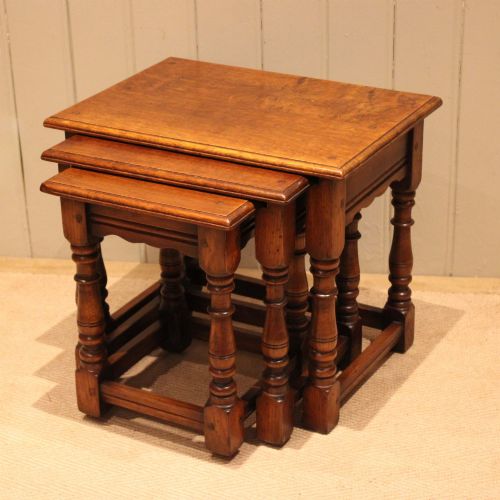
A nest of tables provides multiple surfaces that occupy the floor space of only a single small table when stacked together. This arrangement suits rooms where extra surface area is needed occasionally.
They appear frequently in early twentieth-century oak and mahogany, offering both utility and straightforward storage.