

Chippendale Style Furniture
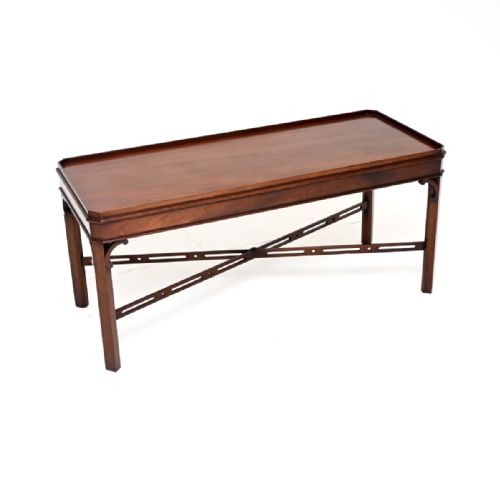
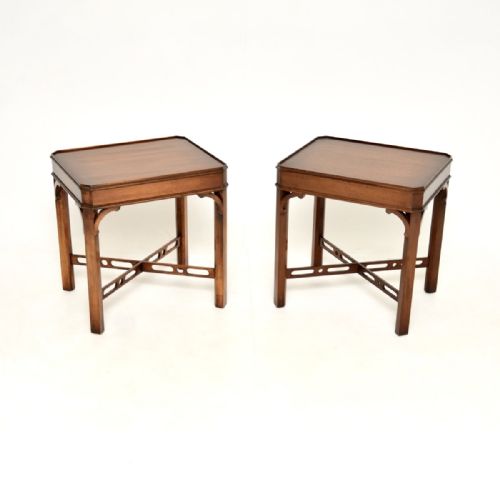
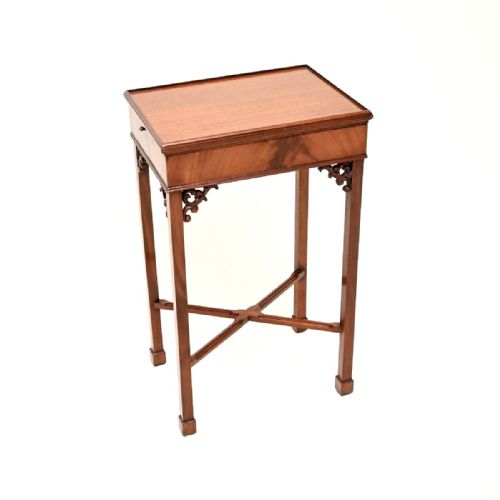
Chippendale style furniture encompasses seating, desks, and storage pieces executed in mahogany and other woods during the Georgian era and subsequent revival periods.
Chippendale Style Furniture
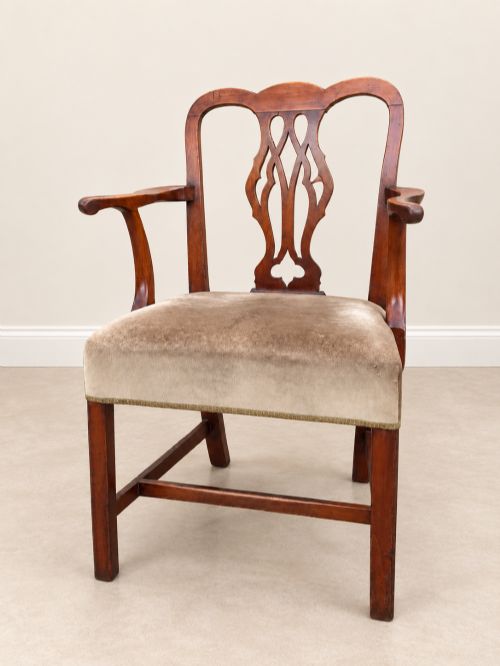
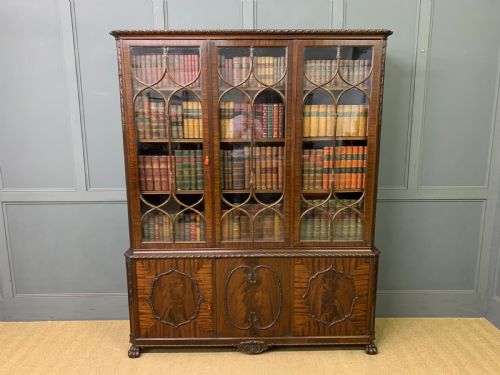
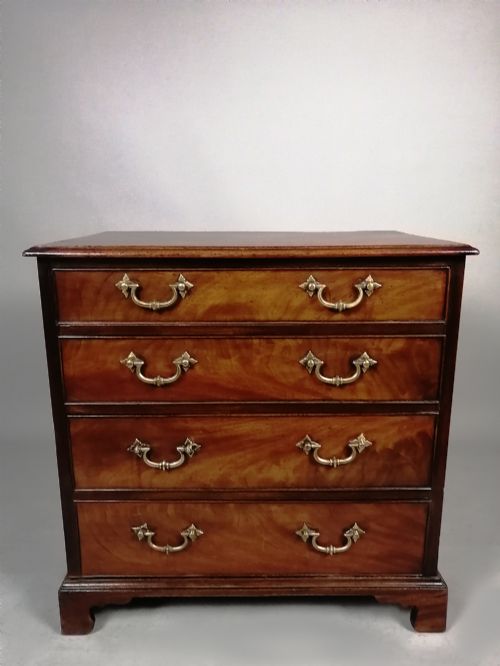
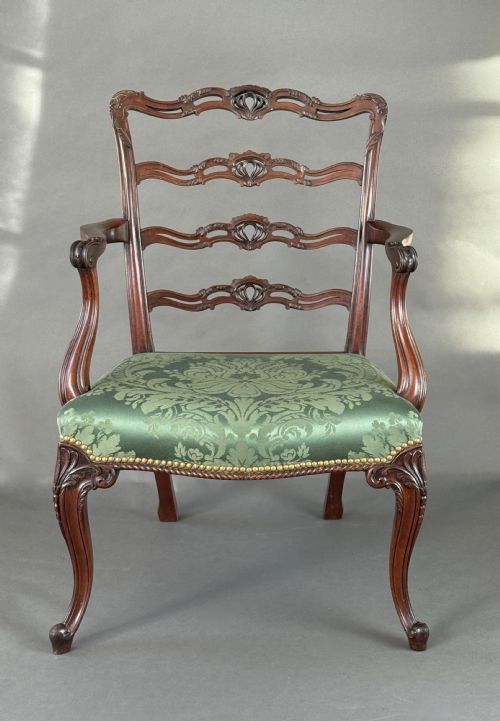
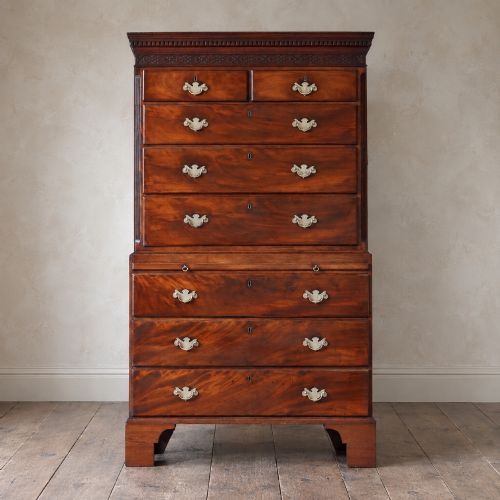
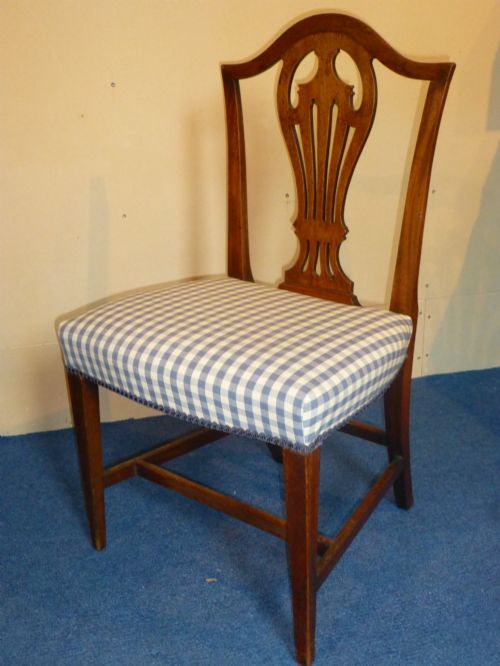
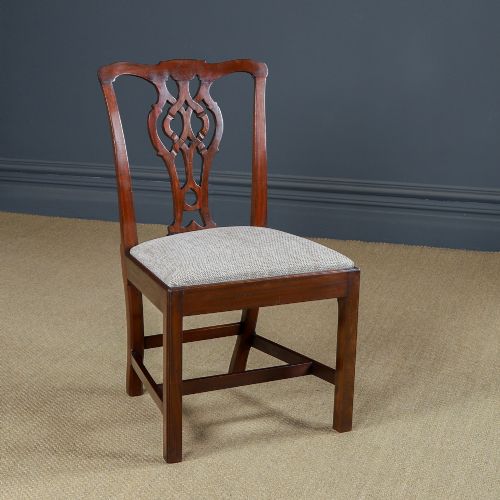
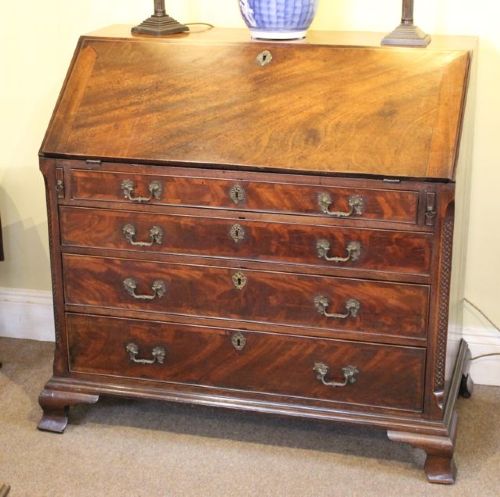
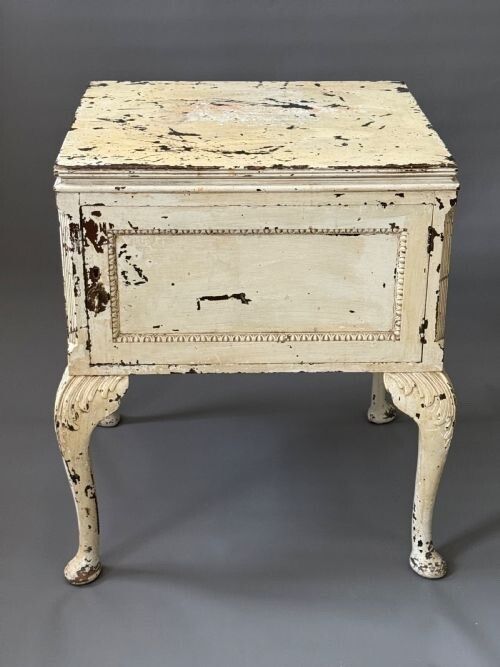
Chippendale style furniture covers a diverse group of practical domestic objects spanning the eighteenth century and several later revival eras. Buyers encounter seating such as dining chairs and armchairs, alongside storage forms including chests of drawers, desks, and display cabinets.
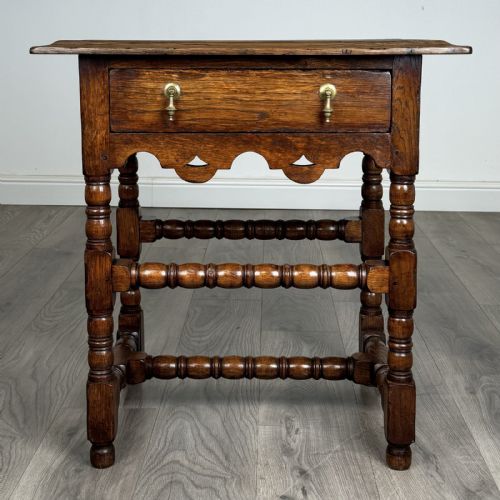
The material record shows a strong preference for mahogany, supplemented by oak, yew wood, fruitwood, and walnut. Pieces originate from eighteenth-century workshops as well as Edwardian and Victorian revival periods.
Materials and construction
Makers utilised solid timbers such as mahogany, walnut, and oak to construct structural frames and cabinet carcases. Secondary woods were often employed for internal drawer linings and hidden framing.
Joinery techniques included traditional dovetailing for drawers and mortise and tenon joints for chair frames. Decorative surfaces frequently featured hand carving, brass hardware, and upholstered seats in leather, fabric, or tapestry.
Chippendale Style Furniture Retail Price Guide 2026
Typical asking prices for chippendale style furniture among the pieces listed under this phrase on Sellingantiques today, from the lower quarter to the upper quarter. They describe what is for sale here now, not the wider market.
Listings span the eighteenth, nineteenth, and early twentieth centuries, featuring mahogany, oak, walnut, and brass.
Assessing quality
Quality rests upon the crispness of hand-carved ornamentation and the selection of figured timber veneers. Superior examples display balanced proportions, refined timber grain, and meticulous attention to structural joinery.
Later revival pieces differ from eighteenth-century originals through mechanical production methods and variations in timber density. The integrity of original surfaces and secondary woods influences the standing of each piece.
Hille·Wheelers of Arncroach·Butlers of Dublin·Hicks of Dublin
The Chippendale Style Furniture Glossary
- Chippendale Revival
- A later period of production spanning the nineteenth and early twentieth centuries that imitated eighteenth-century designs. Cabinetmakers during this era recreated classic chair patterns and storage forms.
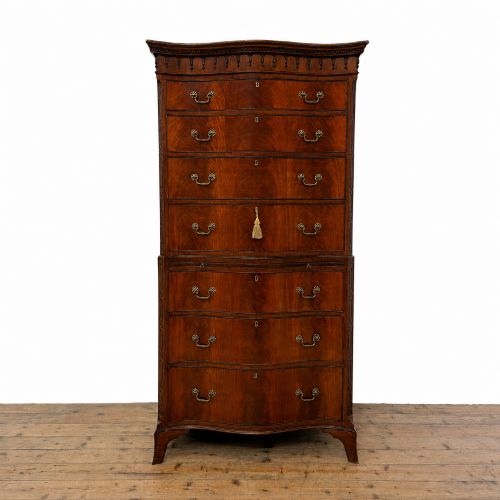
- Chest on Chest
- A tall storage unit comprising one cabinet stacked directly upon a larger base chest. This form maximises vertical storage space in bedrooms.
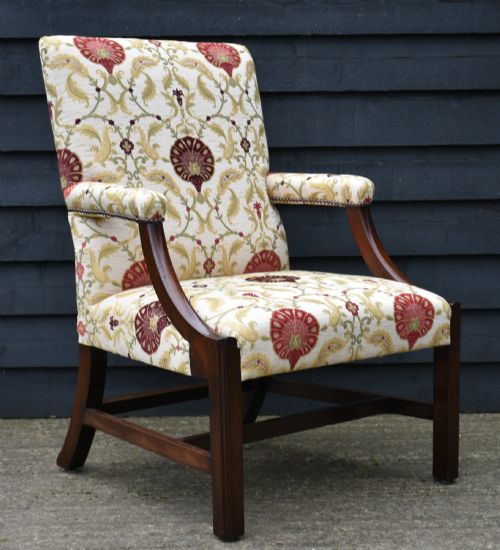
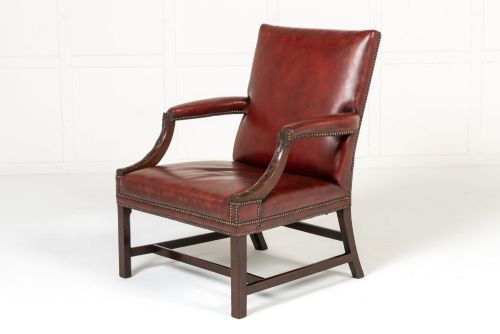
- Gainsborough Chair
- A wide, upholstered armchair with open arms designed for writing desks or parlour use. These seats feature padded armrests and substantial wooden underframes.
- Kneehole Desk
- A writing table featuring a central recessed space flanked by pedestals of small drawers. This compact form provides functional workspace with integrated storage.
Chippendale Style Furniture: Frequently Asked Questions
How do I identify a revival piece?
Revival pieces display machine-cut internal components and wood characteristics typical of the Victorian and Edwardian eras. Closer inspection of timber shrinkage and secondary woods helps differentiate them from eighteenth-century originals.
Examining the construction methods inside drawers and beneath seats reveals the manufacturing period.
What woods were commonly used?
Mahogany forms the primary material across the majority of recorded items, appearing in Cuban and figured varieties. Other timber species include oak, walnut, yew wood, and fruitwood.
Makers selected these dense hardwoods for durability and their capacity to hold intricate carved detail.
How should I care for mahogany surfaces?
Keep wooden furniture away from direct heat sources and strong sunlight to prevent timber splitting and fading. Regular dusting with a dry, soft cloth maintains the polished finish.
Avoid silicone-based polishes and apply traditional beeswax sparingly when the wood appears dry.
Were these items meant for dining?
Many items serve specific domestic functions such as dining chairs, card tables, and writing desks. Armchairs and side tables were distributed across parlours, libraries, and bedrooms.
Each form was designed for specific daily activities within the Georgian home.