



Chippendale Style Bureau Desk
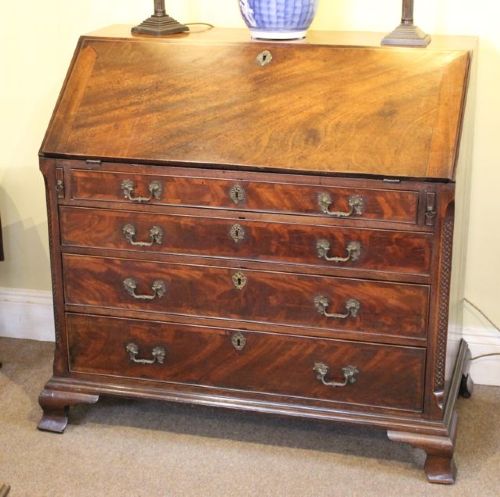
A chippendale style bureau desk brings substantial timber craftsmanship and fitted interior drawers into a study.
Chippendale Style Bureau Desk
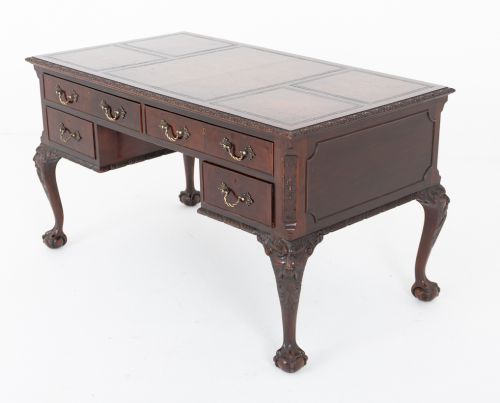
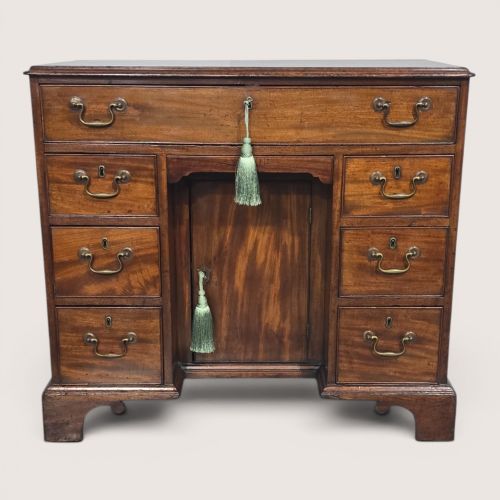
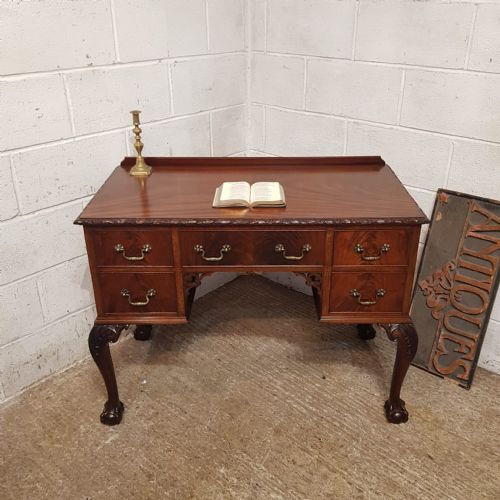
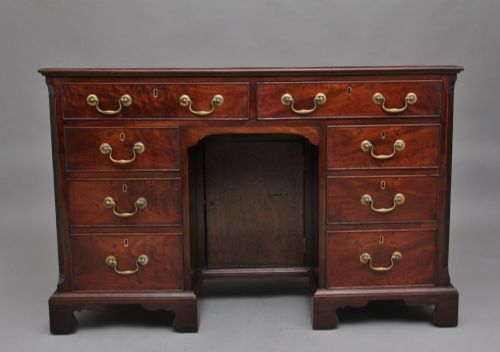
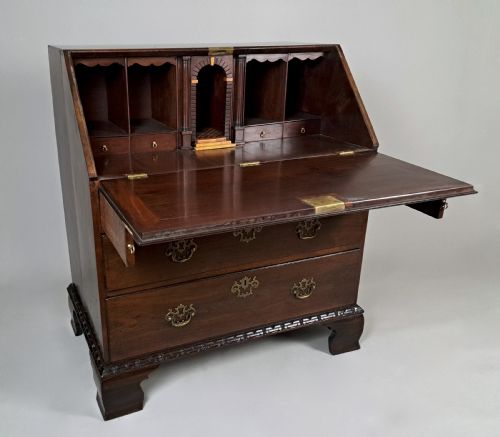
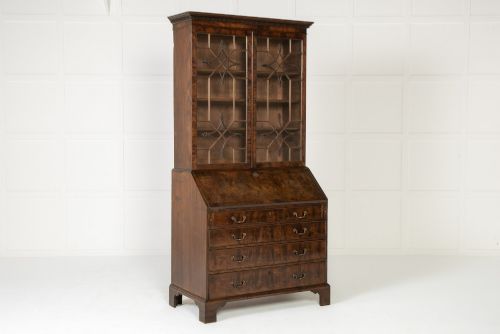
When you search for a chippendale style bureau desk, you enter a field defined by Georgian proportion and later revival interpretations spanning the eighteenth to the early twentieth century. The forms range from fall-front writing bureaux and kneehole desks to tall bureau bookcases featuring swan neck pediments.
You are most likely to encounter mahogany and oak pieces built in various regional British workshops during the Georgian period or reproduced around nineteen hundred. These writing pieces combine practical enclosed storage with dedicated writing surfaces.
The construction varies from simpler country house estates to elaborate Chinese Chippendale and serpentine desk designs. Each piece reflects the enduring influence of cabinetmaker aesthetic principles across multiple centuries of furniture production.
Materials and construction techniques
Makers relied heavily on solid mahogany, oak, and occasional padauk wood to build structural carcases capable of supporting fitted interior compartments and heavy book-cabinets. Marquetry inlay, satinwood detailing, and brass handles provided decorative contrast against the dark timbers.
Joinery techniques involved precise dovetailing for drawer construction and sturdy framing to support fall-front writing flaps and heavy bureau bookcases. Secondary woods were selected for internal drawer linings while primary display surfaces received polished finishes.
Miniature fall-front desks let tiny people pretend they run a vast Georgian shipping empire from the parlour mantelpiece.
Distinctions in craftsmanship and materials
The upper tier of pieces is distinguished by dense timber selection, such as padauk wood or finely figured mahogany, paired with intricate internal compartment layouts and crisp carving on bracket feet or pediments. Secondary examples display simpler regional timbers like oak and more utilitarian internal joinery.
Proportion and execution of decorative details, including glazing bars on bookcases and brass hardware integrity, separate master cabinet work from standard production pieces. The depth of patination on the timber surface further indicates the age and handling history of the desk.
Gillows·Giles Grendy
The Chippendale Style Bureau Desk Glossary
- Bureau bookcase
- A writing cabinet featuring a sloping fall-front desk compartment positioned beneath glazed upper shelving doors. This form allowed owners to store correspondence and reference volumes within a single tall piece of furniture.
- Kneehole desk
- A freestanding writing table with a central recessed space for the user's legs flanked by banks of small drawers. These desks often present finished backs suitable for central room placement.
- Padauk wood
- A dense tropical timber valued by eighteenth-century cabinetmakers for its rich colour and durability. It yields a smooth polished surface that resists heavy daily use.
- Swan neck pediment
- A decorative broken arch top moulding terminating in inward-curving scrolls often centred on tall bookcase cornices. This architectural detail dominated high-status Georgian case furniture.
- Secretaire
- A dedicated writing drawer or pull-out compartment fitted with small pigeonholes and hidden document slots. It integrates into larger chests and bookcases to provide writing utility without a full fall-front desk.
Chippendale Style Bureau Desk: Frequently Asked Questions
How do I use a bureau desk?
Lower the hinged fall-front writing flap to reveal the internal array of pigeonholes and small drawers. This creates a stable sloped surface for correspondence before enclosing your papers away again.
Larger bureau bookcases also provide upper shelving for books and display items while keeping your working papers concealed behind the closed desk lid.
Where should I place a kneehole desk?
Many library and pedestal desks feature finished backs designed to stand away from walls in the centre of a room. Position yours where natural light falls across the writing surface from the side.
Ensure adequate clearance around the central kneehole recess for comfortable seating during daily writing tasks.
How do I identify eighteenth-century pieces?
Look for hand-cut dovetails on drawer interiors and timber shrinkage patterns that reflect prolonged ageing. Eighteenth-century construction relies on native hardwoods and pegged joints rather than modern mechanical fasteners.
Examine the secondary woods inside drawer frames and carcase backs for consistency with period workshop practices.
What is the difference between Georgian and revival desks?
Original Georgian pieces date from the eighteenth century and display period timber patination accumulated through centuries of domestic use. Revival desks originate from later nineteenth and early twentieth-century eras copying those earlier design vocabularies.
Both categories utilise mahogany and traditional joinery, but revival pieces generally show different interior secondary woods and manufacturing tool marks.