



Chippendale Pier Table
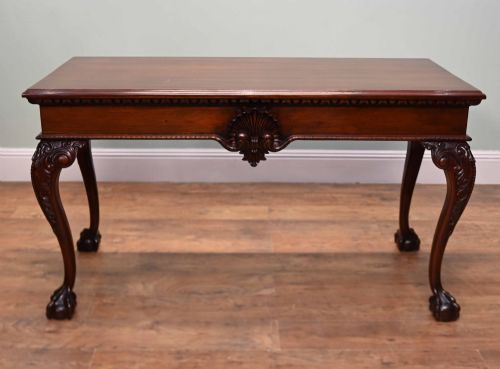
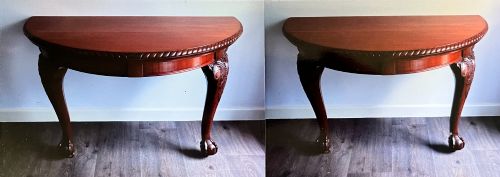
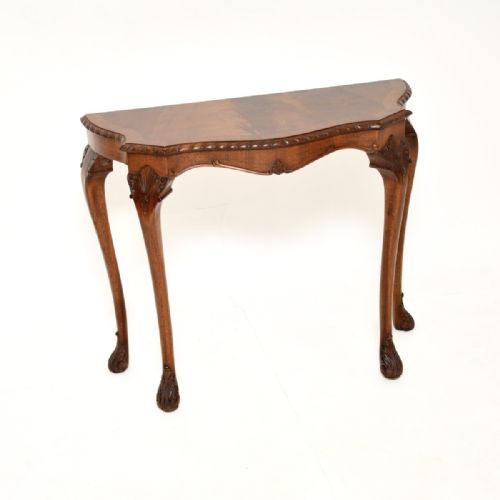
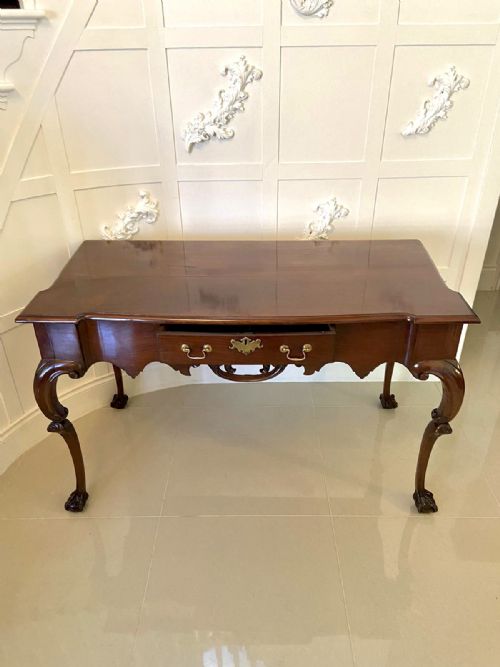
These chippendale pier table pieces are substantial console and serving furniture built for grand reception rooms, offering classical proportion and rich mahogany surfaces.
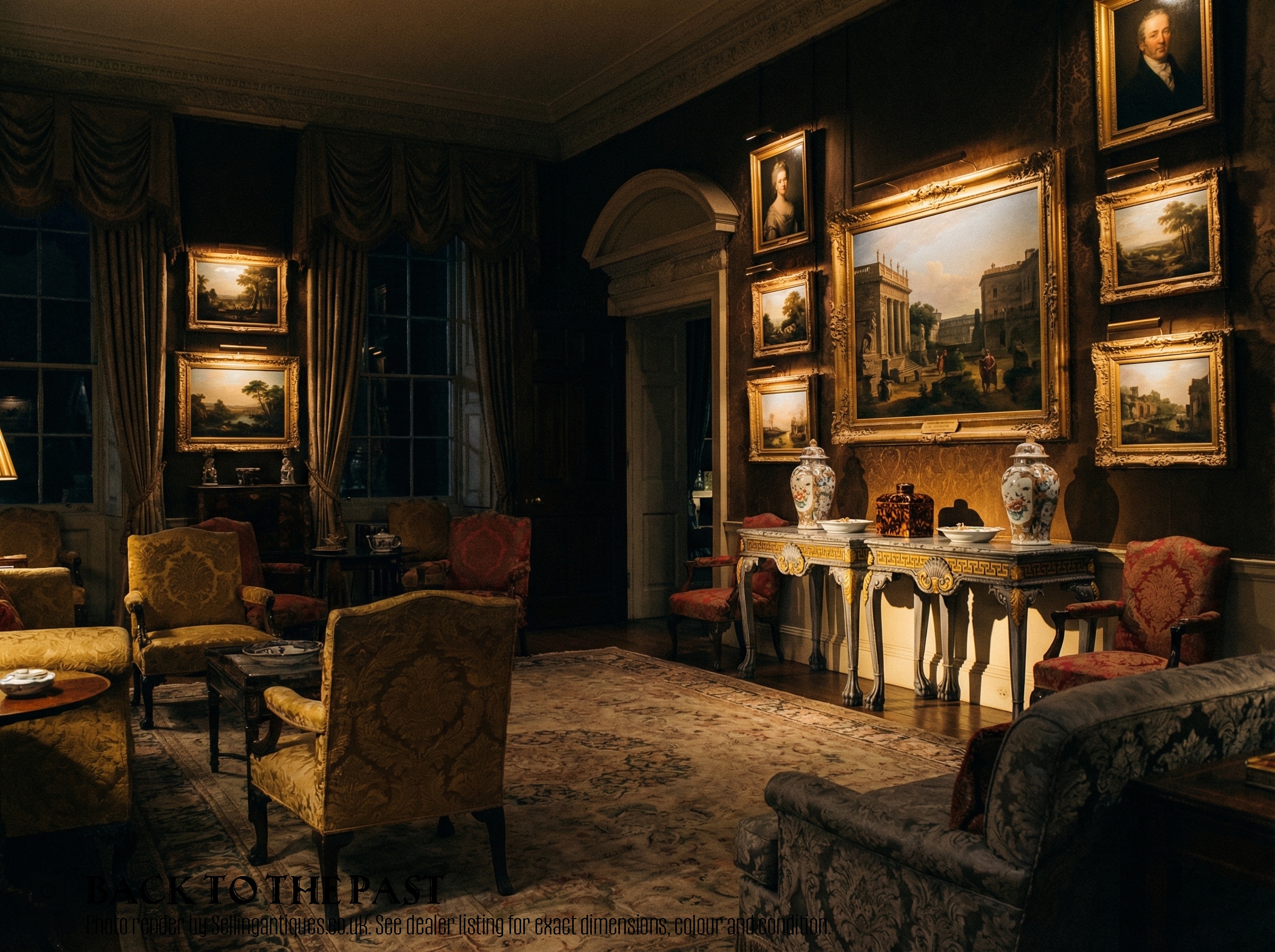
Chippendale Pier Table
A chippendale pier table is a console or serving surface designed to sit against a wall, frequently appearing in forms spanning the eighteenth century through later revival periods. The examples found here range from eighteenth-century Georgian origins to nineteenth-century Victorian interpretations and twentieth-century revivals.
Buyers encounter console tables, tea tables, and dedicated pier tables executed in styles that include Chinese Chippendale, Irish Chippendale, and George III designs. Mahogany forms the primary structural material across these pieces, occasionally accompanied by paint or gold leaf details.
Origins vary from English workshops to Irish interpretations and American examples, reflecting diverse regional craftsmanship within the Chippendale tradition. The form functions primarily as a decorative and practical surface for formal interiors.
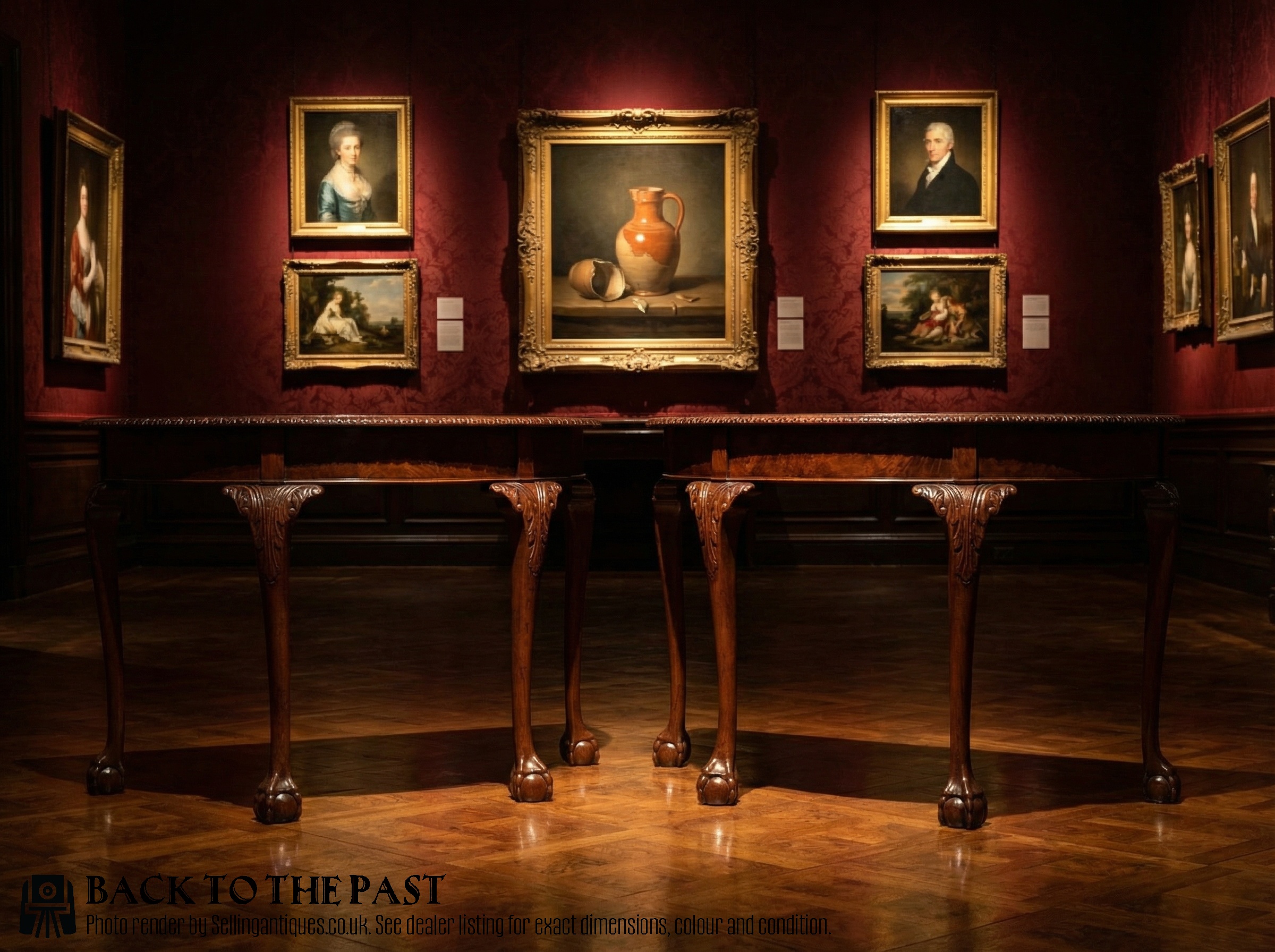
How they were made
Makers constructed these tables predominantly from solid mahogany, utilising dense timbers capable of supporting intricate carved ornamentation along aprons and legs. Wood selection dictated the depth of colour and surface patination achievable through finishing.
Surface treatments in the evidence include applied paint and gold leaf, enhancing specific stylistic interpretations such as Chinese Chippendale motifs. Structural joinery supported heavy marble tops on select pier tables, demanding robust framing beneath the serving surface.
Chippendale Pier Table Retail Price Guide 2026
Typical asking prices for chippendale pier table among the pieces listed under this phrase on Sellingantiques today, from the lower quarter to the upper quarter. They describe what is for sale here now, not the wider market.
Mahogany serves as the predominant timber across these listings, supplemented by occasional instances of paint and gold leaf.
What varies in quality
Quality in a chippendale pier table rests upon the crispness and depth of the carved detailing across the timber frame. Deeper, more confident hand-carving distinguishes superior examples from simpler revival productions.
The choice of mahogany timber and the resulting natural patination significantly influence the visual presence of the table. Superior pieces display rich grain figure and harmonious colour achieved through age and skilled polishing.
Thomas Chippendale·Mayhew and Ince·Hicks of Dublin
The Chippendale Pier Table Glossary
- Pier table
- A table designed to stand against the wall between windows, frequently paired with a matching mirror above. These surfaces served both decorative and display functions in formal rooms.
- Console table
- A table supported by wall brackets or console legs, functioning as a side or serving table. The form shares close structural ties with the pier table.
- Chippendale style
- Design characteristics derived from the eighteenth-century aesthetic associated with Thomas Chippendale and his contemporaries. This encompasses fretwork, elaborate carving, and specific leg forms.
- Patination
- The surface sheen and colour acquired by wood over decades of handling and exposure to light. Good patination reveals the natural warmth of the mahogany grain.
Chippendale Pier Table: Frequently Asked Questions
What is a pier table?
A pier table is a formal console table traditionally placed against the wall between two windows. They often featured marble tops and elaborate wood carving.
These pieces served as prominent display surfaces in grand reception rooms and halls during the Georgian period and subsequent revivals.
How do I identify a Chippendale style table?
Chippendale style tables typically feature rich mahogany construction, intricate carved details, and distinctive leg forms such as cabriole or straight Chippendale legs. Chinese Chippendale variants incorporate geometric fretwork.
Reviewing the overall proportions and the crispness of the carving helps distinguish authentic period pieces from later revival items.
Where should I place a console table?
Console tables fit naturally against flat walls in hallways, living rooms, or dining spaces where floor space is limited. Their shallow depth allows them to function effectively as serving surfaces or display areas.
Pairing a console table with a mirror or artwork hung directly above creates a balanced focal point in a room.
What is Irish Chippendale?
Irish Chippendale refers to furniture produced in Ireland during the eighteenth century that adopted and often exaggerated the prevailing English Chippendale styles. These pieces are noted for robust proportions and bold carving.
They represent a distinct regional interpretation of the aesthetic found in high-status Irish townhouses and country estates.