

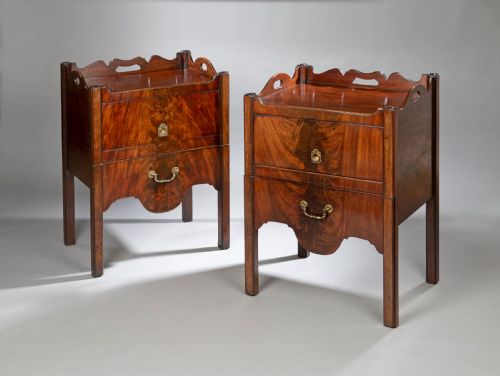


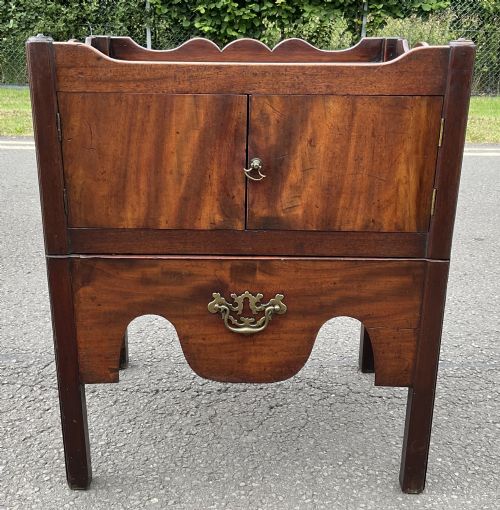


Chippendale Mahogany Bedside Cupboard
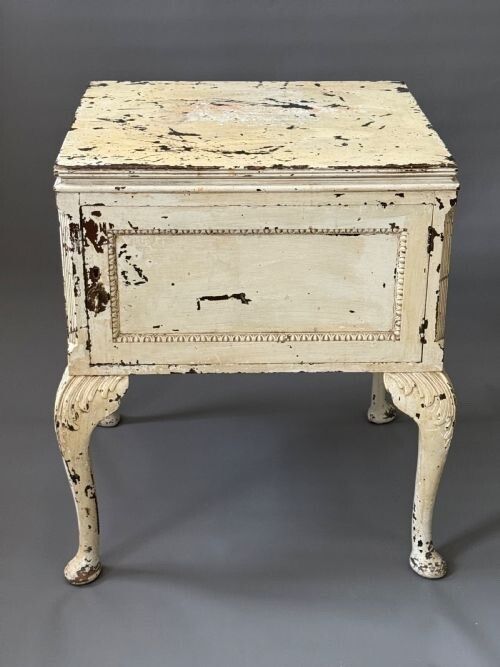
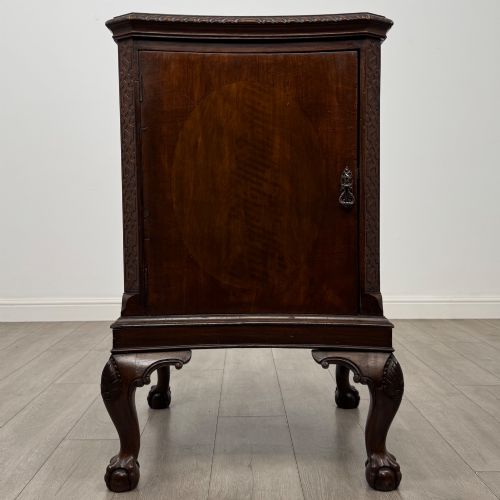
A Chippendale mahogany bedside cupboard is a classic piece of period furniture that brings distinct Georgian character and practical bedside storage to a room.
Chippendale Mahogany Bedside Cupboard
A Chippendale mahogany bedside cupboard is a form of small storage furniture designed for the bedroom, emerging primarily from the eighteenth century. Buyers searching this phrase look for functional pieces that reflect Georgian cabinet-making traditions through timber and proportion.
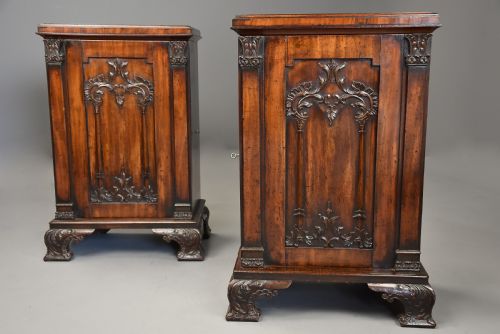
The versions most frequently met on this page span the eighteenth century, including the Georgian and George III periods, alongside later revivals from the Edwardian era and the 1920s. These pieces appear as bedside cabinets, commodes, pedestal cabinets, and night tables.
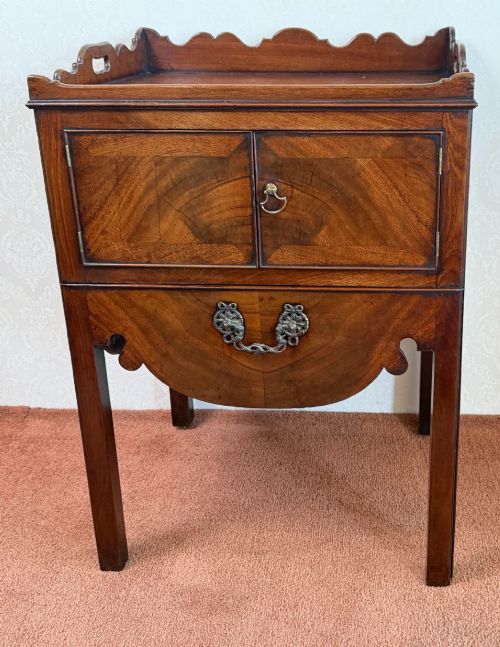
Makers and cabinet-makers of these eras utilised mahogany as the primary timber, often shaping the tops into trays or serpentine fronts. The functional forms include enclosed cupboards and small chests suited to domestic chambers.
How they were made
Makers constructed these cabinets using solid mahogany, often selected for deep grain and rich colour. Workshops shaped the timber manually, employing joinery techniques suitable for small bedside furniture.
Surfaces frequently feature raised gallery edges known as tray tops, or curved serpentine outlines that required careful cutting and smoothing. Brass hardware and occasional painted details or inlay completed the construction of these cupboards.
Listings feature mahogany as the dominant material, alongside brass fittings, paint, inlay, and wire mesh across various periods.
What varies in quality
The distinction between standard examples and the finest pieces lies in the crispness of the timber carving and the subtlety of the proportions. Superior cabinets display thoughtful grain selection in the mahogany and balanced lines across the front.
Original brass fittings and uncompromised structural integrity elevate an individual piece above later replacements or heavily restored alternatives. The quality of the joinery at the corners and the finish of the tray top or serpentine edge also define the tier of craftsmanship.
The Chippendale Mahogany Bedside Cupboard Glossary
- Tray top
- A tabletop finished with a raised moulded rim designed to prevent items from rolling off. This feature is common on eighteenth-century bedside commodes.
- Serpentine front
- A furniture front curving outward in the centre and inward at the sides. This shape demands precise woodworking skills.
- Commode
- A small low cabinet or chest with doors or drawers. In eighteenth-century usage, this term often describes bedside storage units.
- Pedestal cabinet
- A freestanding vertical cabinet supported on a base. These tall forms provide enclosed storage within a compact footprint.
Chippendale Mahogany Bedside Cupboard: Frequently Asked Questions
What is a tray top commode?
A tray top commode is a small bedside cabinet featuring a raised wooden edge around the top surface. This design kept small personal items secure during the night.
Such pieces date predominantly to the eighteenth century and served as functional furniture in Georgian bedrooms.
How do I date a mahogany cupboard?
Dating involves examining the construction methods, timber characteristics, and overall design styling. Eighteenth-century examples show hand-cut joinery and dense mahogany timber.
Later Edwardian and 1920s revival pieces often display different interior timber choices and slightly more uniform machining of parts.
Where were these cabinets placed?
These cabinets sat beside the bed to hold chamber utensils, books, or candles. Their compact dimensions suited the proportions of period sleeping chambers.
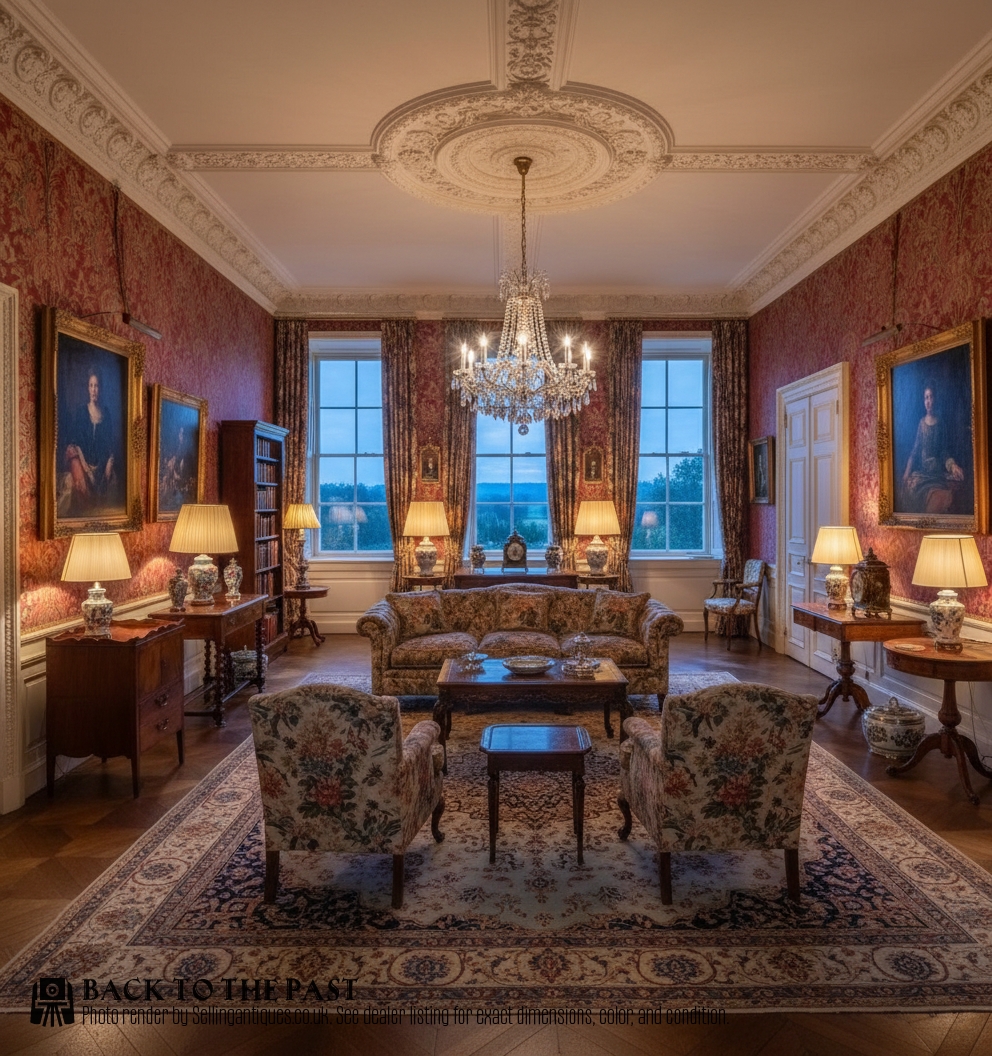
Today, collectors use them as bedside tables or small lamp stands in sitting rooms.
What defines Chippendale style?
Chippendale style reflects the cabinet-making vocabulary associated with Thomas Chippendale and his contemporaries in the eighteenth century. It combines solid mahogany construction with refined proportions.
Details often include serpentine fronts, subtle bracket feet, and neat tray tops without excessive ornamentation.