

Chippendale Library Armchair
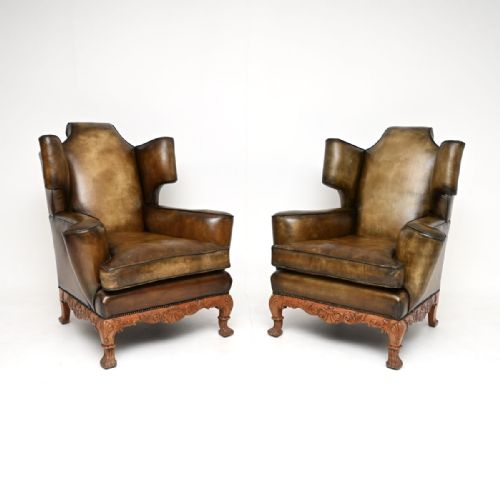
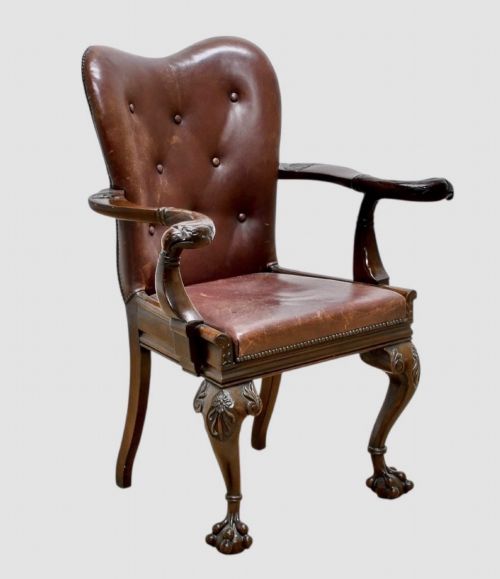
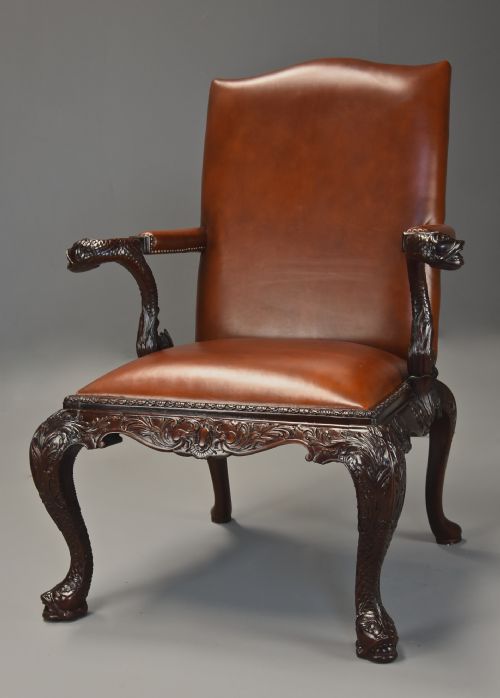
When you search for a chippendale library armchair, you are looking at substantial seating designed for reading rooms, typically upholstered in leather and framed in solid timber.
Chippendale Library Armchair
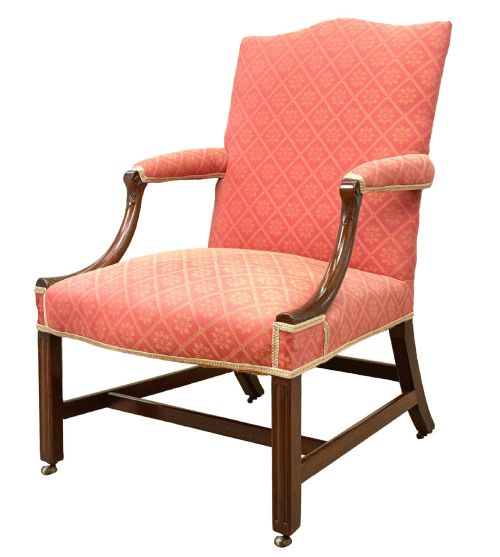
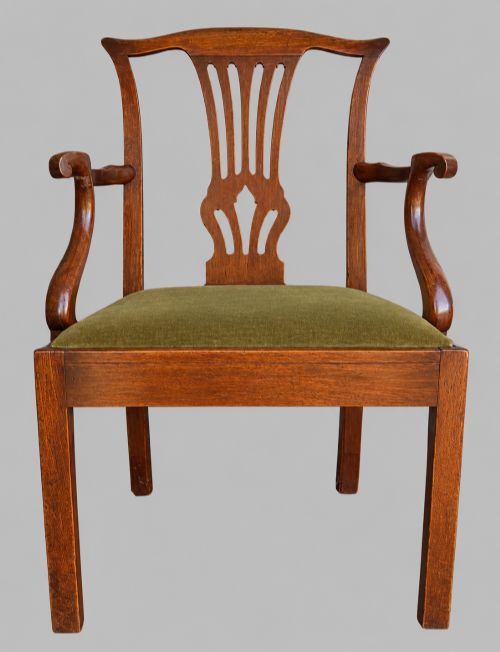
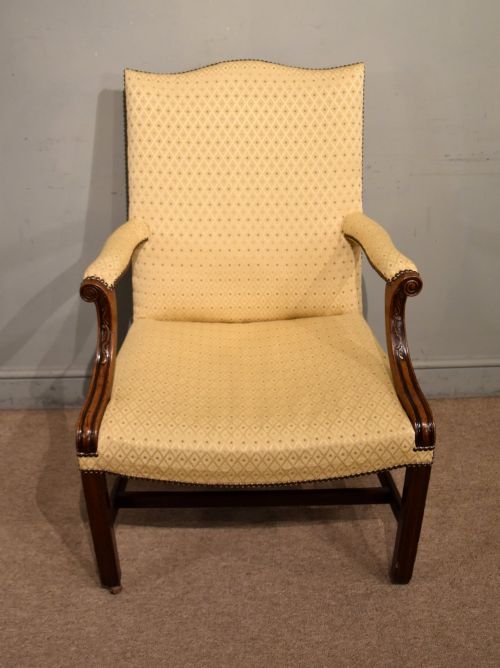
A chippendale library armchair combines formal upholstered comfort with exposed timber framing, designed specifically for domestic studies and private libraries during the eighteenth century and subsequent revival periods.
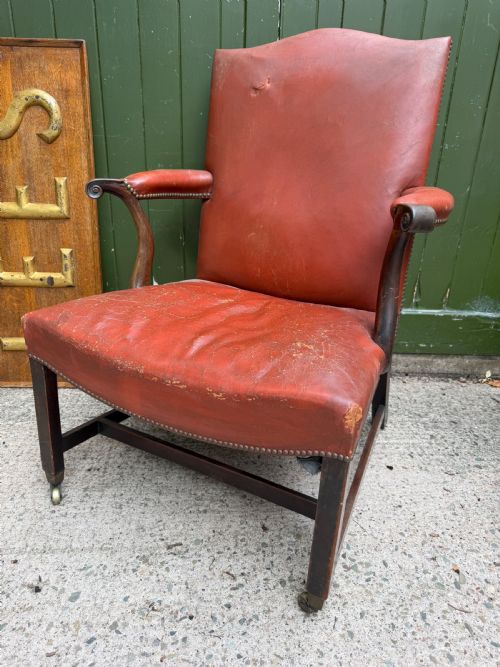
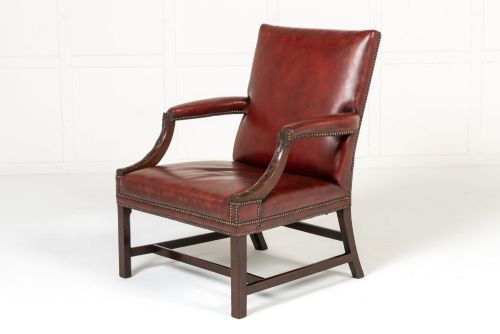
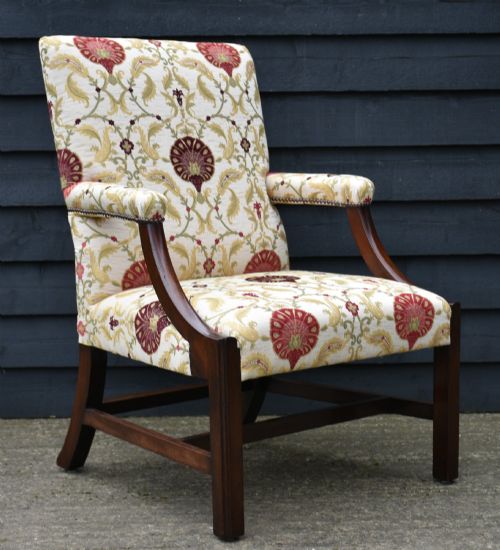
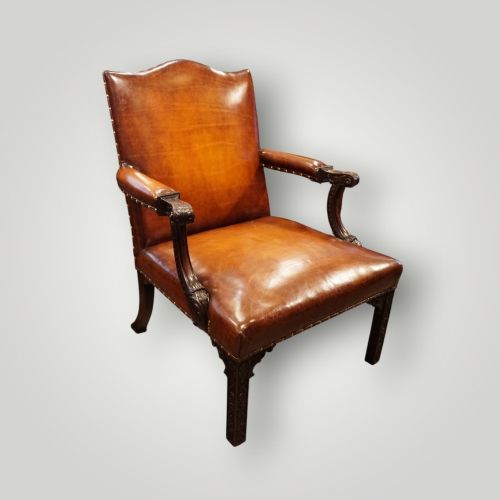
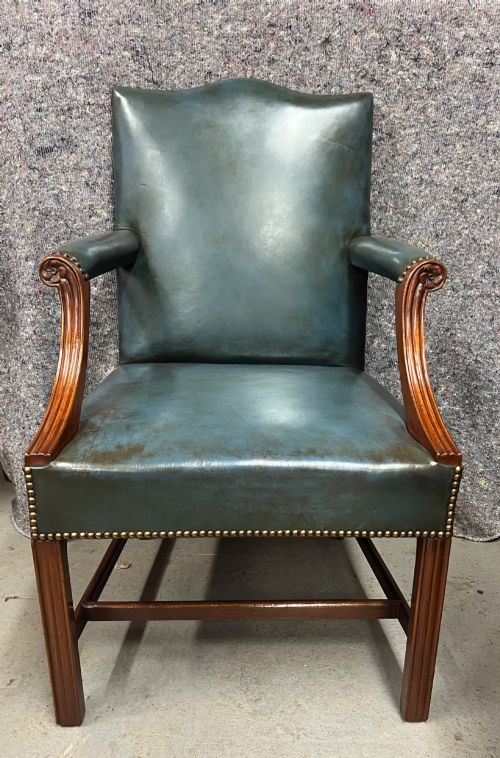
The version you are most likely to encounter on this page is the open-armed form often called a Gainsborough chair, featuring padded armrests and a square upholstered back supported on cabriole or straight legs.
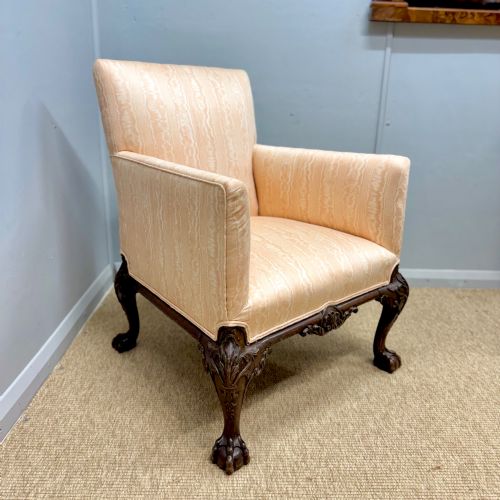
Pieces span genuine eighteenth-century examples from the Georgian era alongside nineteenth-century Victorian interpretations and later revival pieces from the early twentieth century.
Materials and Construction
Makers relied primarily on dense mahogany, selecting timber capable of supporting complex hand-carved details along the arm supports and leg structures without splitting.
Upholstery techniques combined traditional horsehair stuffing and webbing with top layers of hand-dyed leather, red hide, or woven fabric secured by individual brass tacks.
Early library chairs were built wide enough to accommodate voluminous historical garments without crushing the silk.
Assessing Quality and Execution
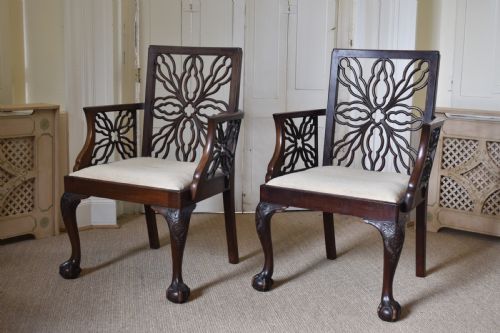
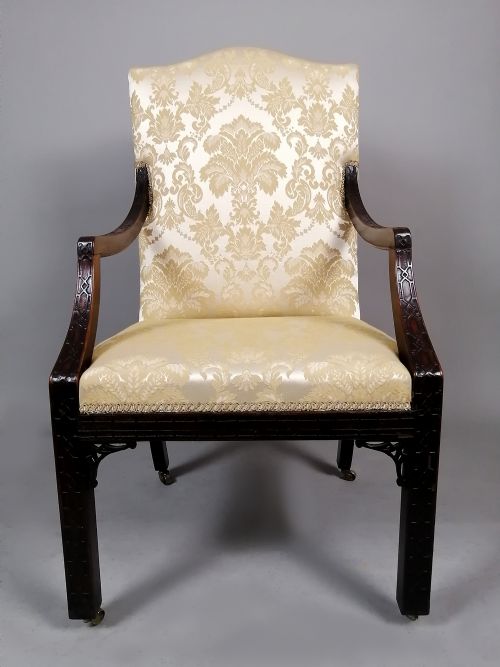
Quality rests in the crispness of the hand-carving on the woodwork, particularly where blind fretwork or acanthus leaf motifs adorn the frame.
The Chippendale Library Armchair Glossary
- Gainsborough chair
- An upholstered open armchair with padded armrests, a wide seat, and a low back designed for eighteenth-century writing desks.
- Cabriole leg
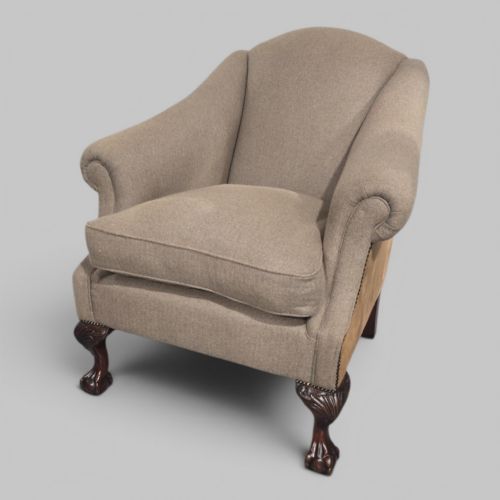
- A furniture leg that curves outward at the knee and tapers inward toward the foot, frequently ending in a claw and ball.
- Blind fretwork
- Carved low-relief ornamentation applied to straight furniture legs or rails, imitating Chinese lattice designs popular in the mid-eighteenth century.
- Elbow chair
- A traditional British term for an armchair, often used to describe seating with supportive wooden armrests flanking an upholstered desk chair.
Chippendale Library Armchair: Frequently Asked Questions
What defines a library armchair?
A library armchair is traditionally built with a fully upholstered back and seat combined with open wooden arms to allow comfortable movement while reading or writing at a desk.
These chairs prioritised sturdy construction and durable leather upholstery to withstand daily use in private studies and libraries.
How do I tell an 18th century chair from a revival piece?
Eighteenth-century chairs display period-specific joinery techniques, hand-cut timber variations, and natural wear patterns accumulated over centuries of use.
Revival pieces from the Victorian and Edwardian eras often utilise machine-assisted precision in their carving and feature standardised internal framing methods.
Where were these chairs placed?
They originated in the private libraries, studies, and drawing rooms of large country houses, positioned near writing desks or fireplace hearths.
Today, they function equally well as desk chairs in home offices or statement seating in traditional living spaces.
What leather is used on these armchairs?
Traditional examples feature hand-dyed English hide leather or rich red leather secured tightly across the seat and back panels.
Over decades, this leather develops a distinct patina that distinguishes period seating from modern reproductions.