


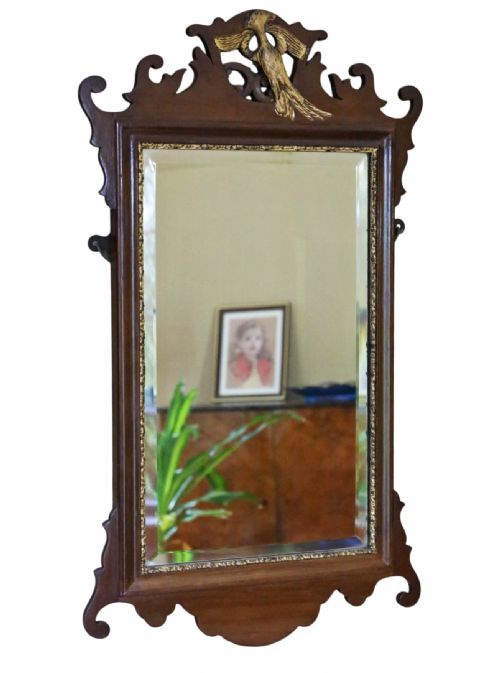


Chippendale Fret Carving Mirror
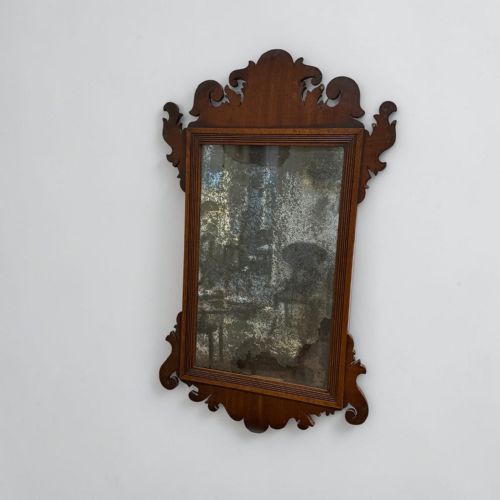
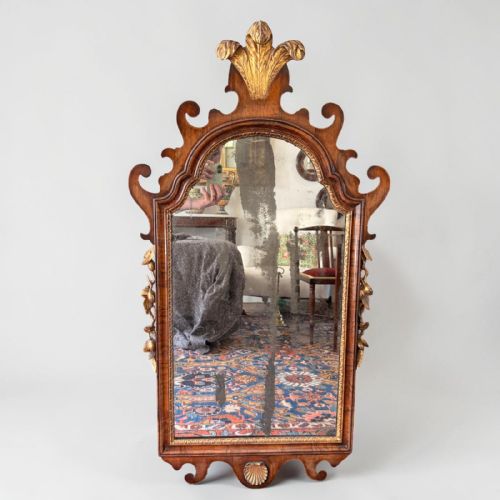
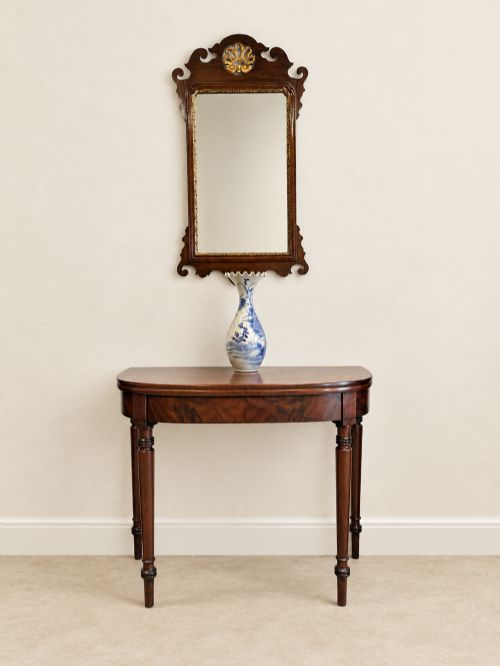
These chippendale fret carving mirror pieces combine scrolling fretwork frames with classic timber grains for formal interior hanging.
Chippendale Fret Carving Mirror
A chippendale fret carving mirror brings classic wall hanging geometry to period interiors through pierced wooden frames and structured proportions. When you search for this phrase, you encounter wall mirrors spanning original Georgian eras alongside Edwardian revivals.
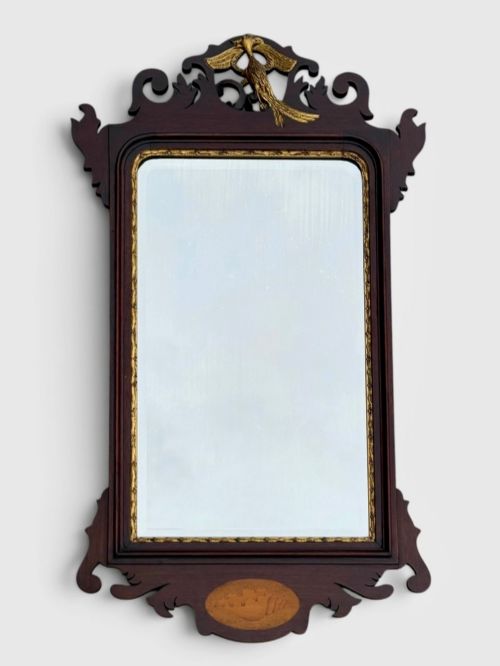
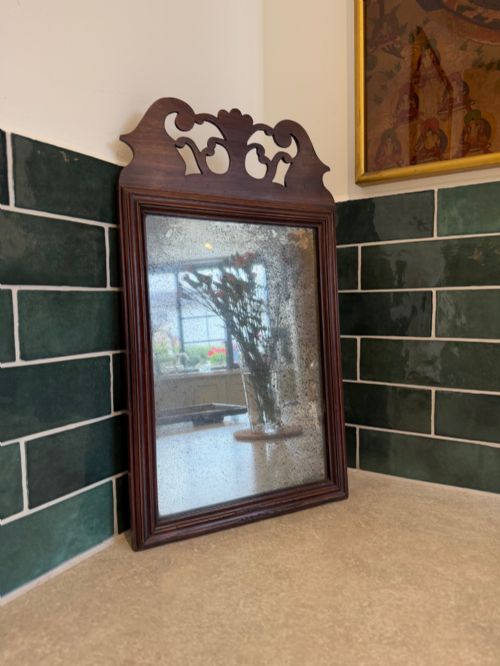
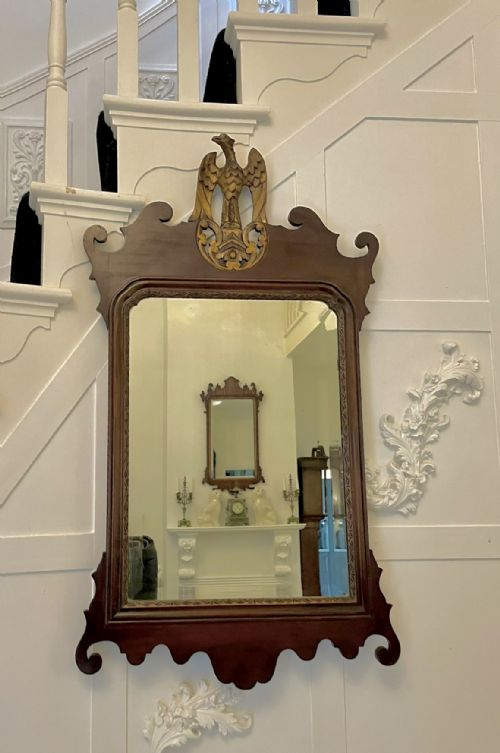
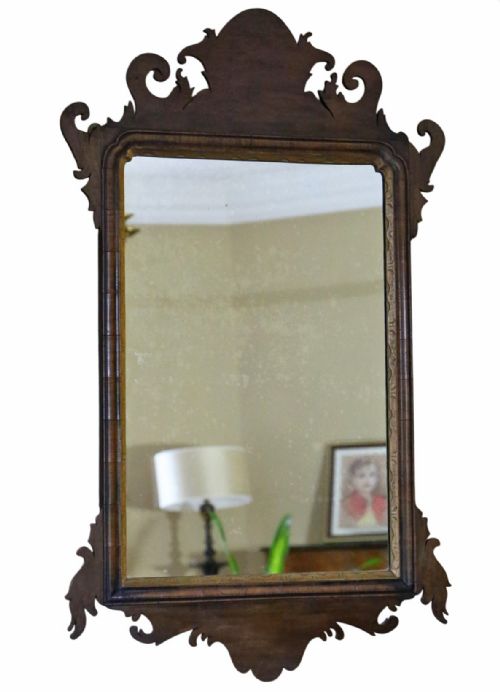
The pieces on this page primarily showcase mahogany or walnut timbers, frequently paired with gilt accents or intricate fretted silhouettes. You meet everything from George II iterations to early twentieth century revivals that replicate eighteenth century design principles.
Materials and construction
Craftsmen built these frames using dense hardwoods like mahogany and walnut, which held sharp fretwork lines without splintering. Timber selection dictated the initial structural integrity before artisans applied giltwood details, satinwood inlay, or parcel gilt highlights.
Technique focused on precise fret-cutting to form intricate pierced scrollwork outlines around the glass plate. Many examples incorporate bevel-edged glass held securely within shaped wooden rebated frames.
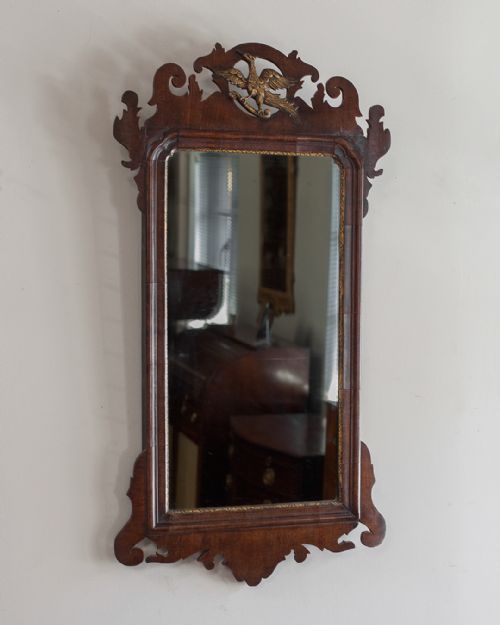
Some frames secretly double as bird watchers, featuring carved phoenixes perched permanently at the very top.
Assessing quality and finish
Quality rests upon the crispness of the fret-cut patterns and the depth of the timber grain rather than superficial embellishments. Finer examples display meticulous symmetry in their pierced scrollwork and clean joinery at the corners.
The choice of primary wood also signals grade, with figured mahogany and rich walnut standing apart from plainer secondary timbers. Gilding application adds another layer, where neat parcel gilt highlights elevate the overall visual weight.
The Chippendale Fret Carving Mirror Glossary
- Fretwork
- Openwork ornamentation carved or pierced from a thin flat board of timber. This technique creates the signature silhouette associated with these wall mirrors.
- Giltwood
- Timber coated with gold leaf or gold paint to provide metallic contrast against the dark wood grain. It frequently highlights carved crests and edging.
- Vauxhall plate
- An early type of mirror glass characterised by thick plates with bevelled edges. These appear in mid Georgian examples.
- Parcel gilt
- A decorative method where only specific portions of a wooden frame receive gilding. This leaves the natural timber grain visible elsewhere.
Chippendale Fret Carving Mirror: Frequently Asked Questions
How do I hang a heavy fret mirror safely?
Use secure wall anchors matched to your wall type, supporting the weight from the main wooden frame structure rather than the decorative crest.
Ensure the hanging wire or integrated brackets distribute the load evenly to prevent strain on the antique joints.
Are Edwardian revivals as authentic as Georgian originals?
Edwardian and 1920s revival pieces replicate the aesthetic and construction methods of the eighteenth century using period machinery and seasoned woods.
They represent distinct eras of craftsmanship rather than direct copies, offering substantial historical character in their own right.
What is a Ho Ho bird?
A Ho Ho bird is a stylised phoenix motif frequently carved into the crest or scrollwork of eighteenth century style mirrors.
This decorative element draws inspiration from Chinese artistic traditions popular during the Georgian period.
How do I clean an antique glass plate?
Wipe the glass gently with a soft microfibre cloth slightly dampened with distilled water or a mild vinegar solution.
Avoid spraying liquid directly onto the glass to prevent moisture seeping behind the plate or damaging the wooden rabbet.