




Chippendale Brass Handle Chest
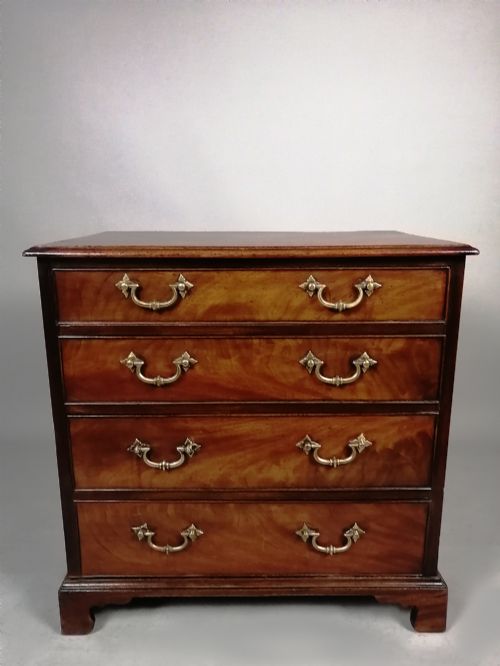
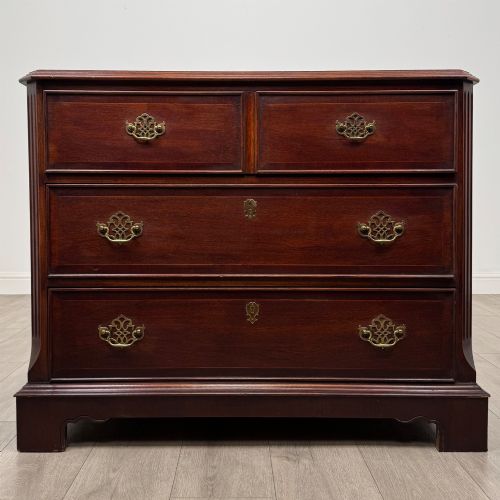
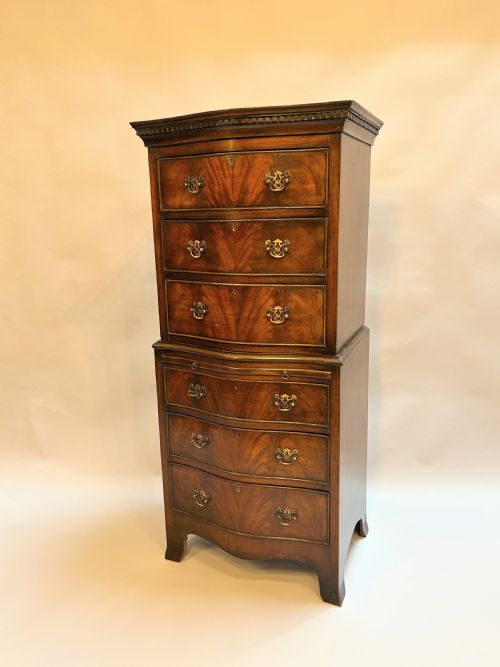
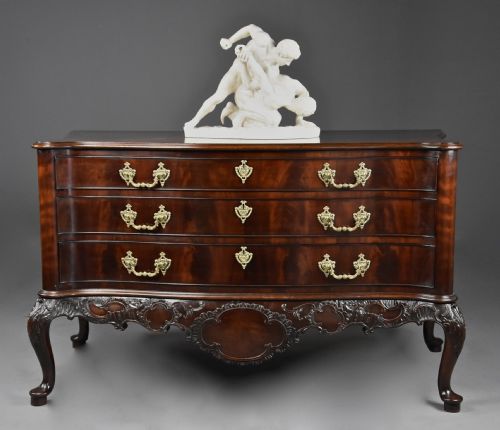
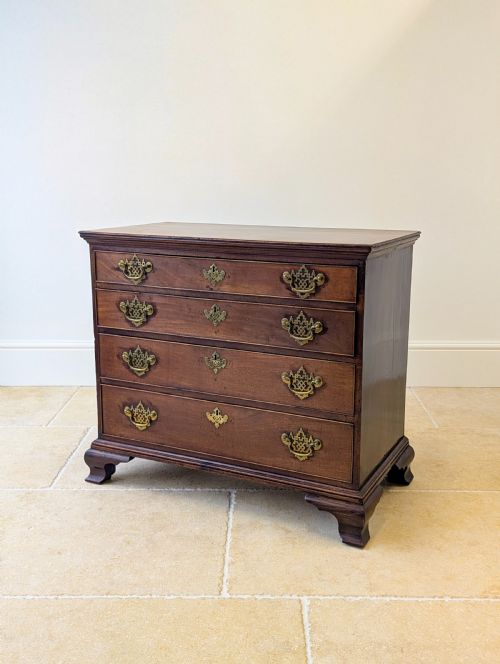
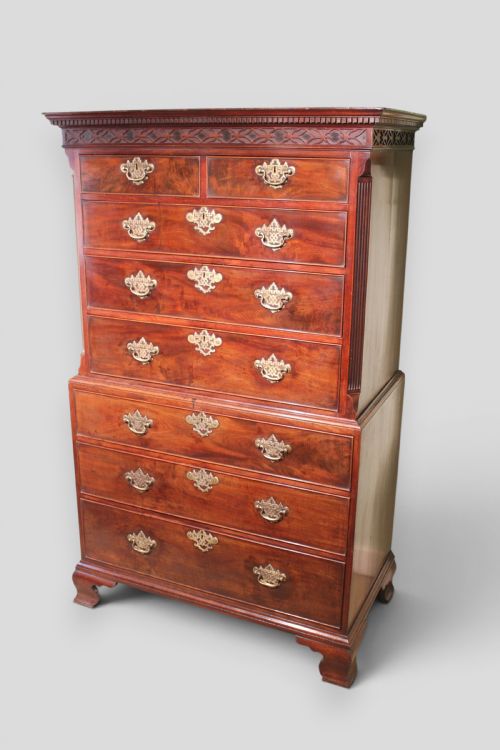
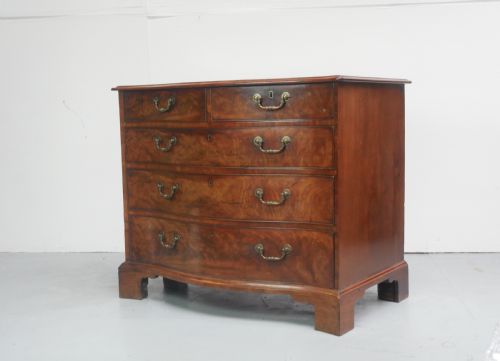
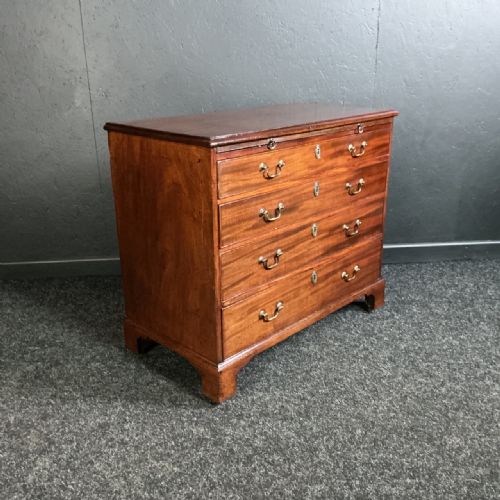
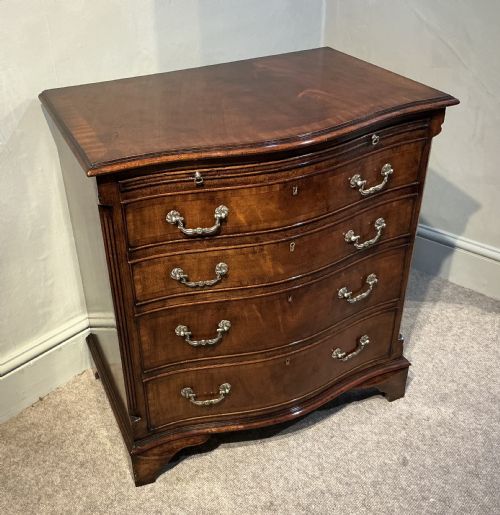
A chippendale brass handle chest brings together solid mahogany and cast brass hardware to anchor a period interior with architectural presence.
Chippendale Brass Handle Chest
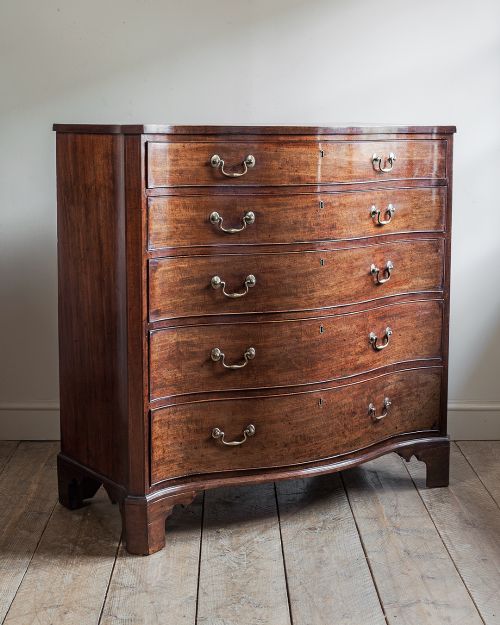
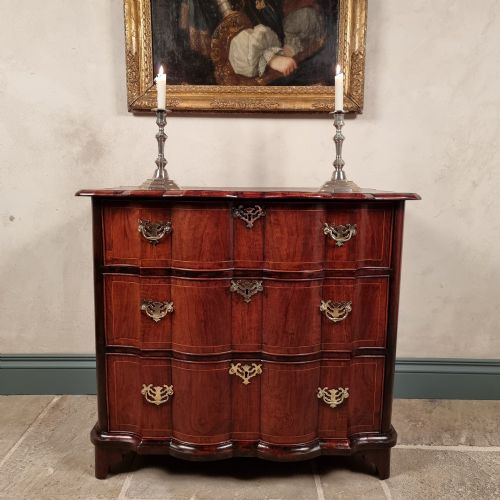
The versions most frequently encountered on this page range from Georgian originals dated to the seventeen-seventies through to later Chippendale style pieces produced around nineteen hundred and nineteen twenty. These later interpretations often replicate the serpentine fronts and bracket feet of the earlier centuries.
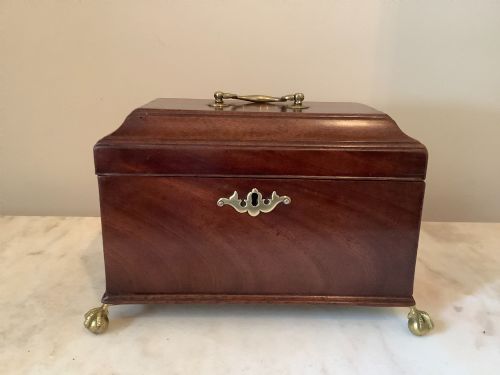
Beyond standard drawer units, the selection encompasses related forms such as dressing tables, tea caddies, and writing desks sharing the same cabinetmaking traditions. Each variation employs specific timber selections and brass mounting styles suited to its domestic function.
Materials and Construction
Cabinetmakers constructed these pieces primarily using solid mahogany, Cuban mahogany, and occasionally oak or satinwood for secondary framing and interior elements. Timber choice determined the weight and grain figure of each carcass, while boxwood and glass sometimes appeared in auxiliary pieces.
Brass formed the primary metal for handles, key escutcheons, and decorative mounts fixed to the drawer fronts with pins or threaded posts. Surviving examples frequently retain original brass swan neck handles mounted above bracket feet or ball and claw feet.
Hidden compartments inside secret drawer tea caddies rewarded owners who knew which secret panel to press.
Markers of Standard
The calibre of timber preparation and the crispness of carved details dictate the standing of an individual piece within its period. High grade items display finely figured mahogany grain matched across drawer fronts, alongside deeply undercut mouldings and accurately formed bracket feet.
The integrity of the brass hardware and the precision of the drawer joinery further separate superior examples from standard workshop production. Original brasses showing aged patination alongside tight dovetail construction denote careful historical craftsmanship.
Waring s Gillows·Muirhead Moffat Co
The Chippendale Brass Handle Chest Glossary
- Serpentine
- A front profile shaped with a convex centre flanked by concave curves. This contour requires precise woodworking skill to execute across multiple drawer fronts.
- Tallboy
- A tall chest of drawers built in two stacked sections, often combining a lower chest with an upper chest or commode.
- Brushing slide
- A pull-out shelf integrated above the top drawer used for folding linen or resting grooming items.
- Swan neck handle
- A pair of curved metal grips pivoting from two vertical backplates, common on eighteenth century brass mounted furniture.
- Bracket foot
- A corner foot formed by two mitred pieces of wood shaped in an arch or ogee profile at the base of a cabinet.
Chippendale Brass Handle Chest: Frequently Asked Questions
How do I spot a reproduction?
Examine the secondary timbers inside the drawers and inspect the drawer linings for machine-cut marks rather than hand-cut dovetails. Modern fixings or inconsistent timber ageing usually point to twentieth-century revival manufacture.
Compare the brass handle backplates with period examples to check if the piercing and casting match authentic eighteenth-century manufacturing techniques.
What is a brushing slide used for?
The pull-out shelf positioned just beneath the top surface served as a temporary writing desk or a clean surface for folding garments.
In period dressing chests, this slide protected the polished top during morning grooming routines.
Why choose Cuban mahogany?
Cuban mahogany offered exceptional density, deep natural colour, and a rich grain figure that resisted warping over centuries of domestic use.
Cabinetmakers favoured this heavy timber for high-status case pieces requiring fine carved details.
How do I care for antique brass?
Dust the brass hardware gently with a dry cloth and avoid abrasive metal cleaners that strip away the historical patination.
Leave the accumulated surface age intact, as collectors value the dark oxidation built up over generations.