


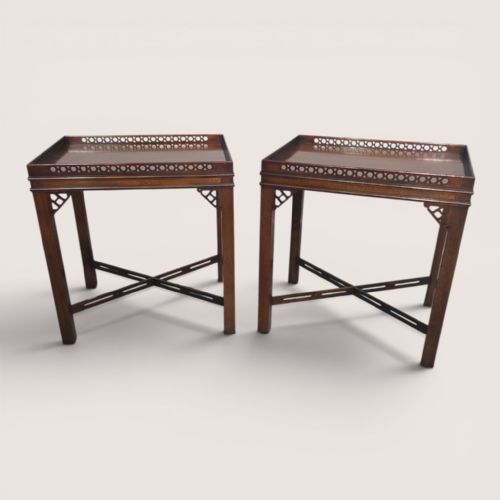


Chippendale Bedside Table
A chippendale bedside table brings refined Georgian joinery to the bedroom, offering enclosed storage and classic mahogany surfaces.

Chippendale Bedside Table
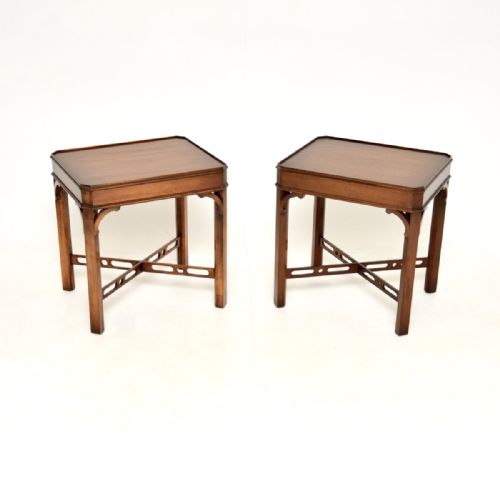
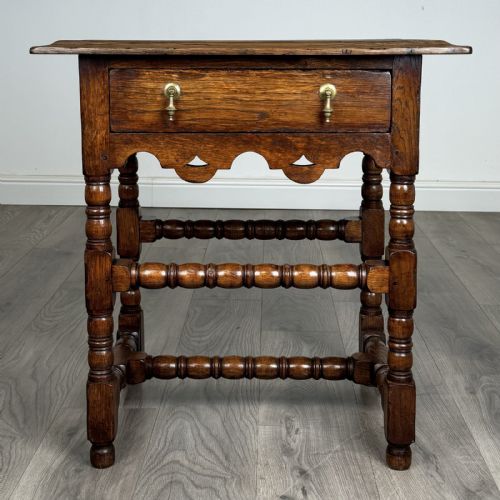
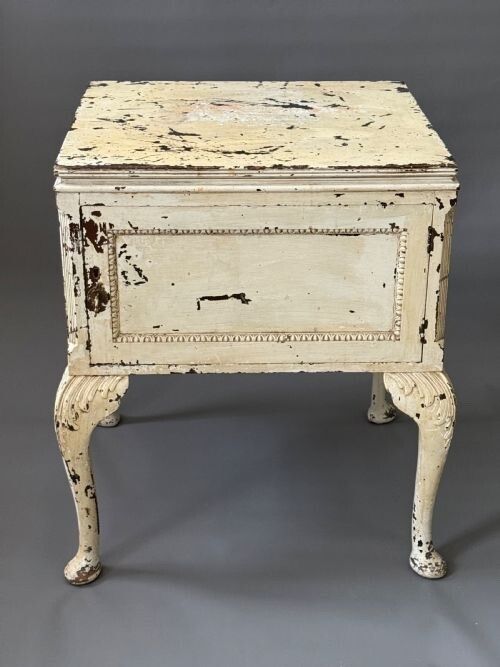
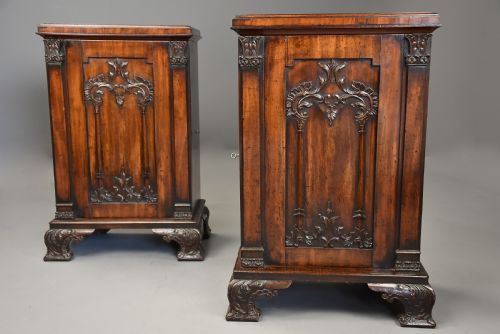
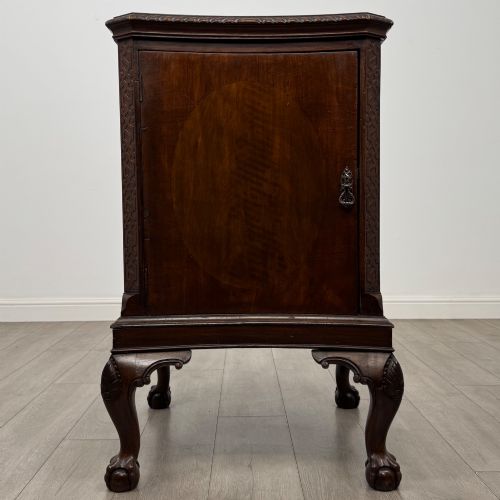
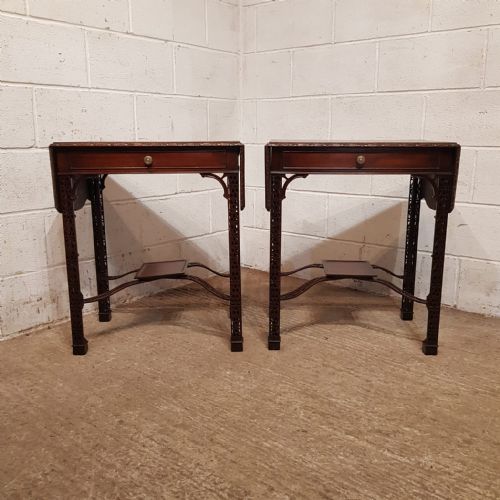
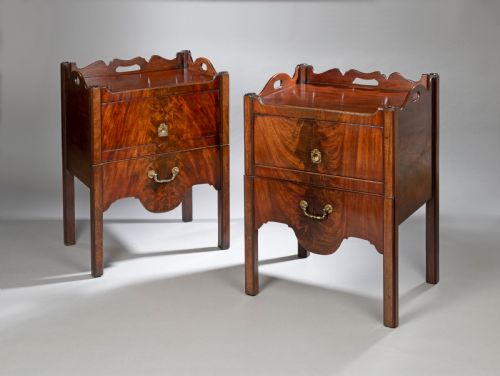
A chippendale bedside table covers several distinct forms, from enclosed bedside cabinets and pedestal cupboards to open lamp tables and drop-leaf side tables. The evidence shows these pieces span genuine 18th century Georgian origins as well as later Chippendale Revival interpretations from the Edwardian era and the early twentieth century.
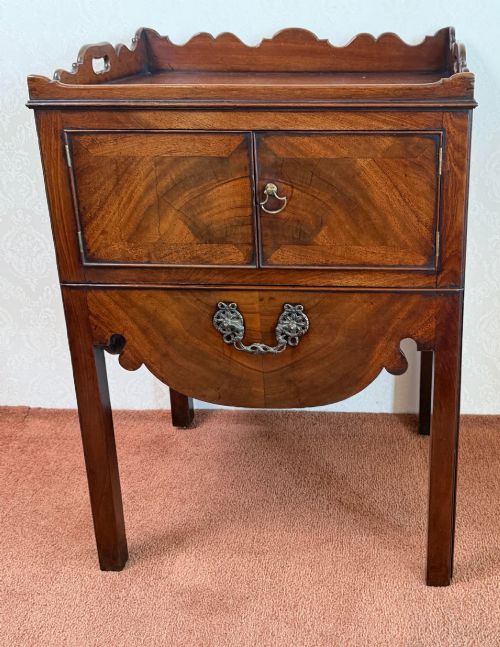
Buyers will encounter traditional tray-top commodes alongside serpentine fronted cabinets and two tier occasional tables. The most frequent examples rely on mahogany construction, occasionally featuring brass hardware or painted details to suit the room.
Construction and materials
Mahogany forms the primary structural material across these items, selected for its dense grain and stability. Joiners utilised traditional framing methods to build sturdy cabinets, drop-leaf surfaces, and tray tops that could withstand daily use.
Brass fittings provide functional accents for pulls and hinges, while occasional pieces incorporate wire mesh or delicate inlay work. Cabinetmakers shaped serpentine fronts and moulded edges by hand, achieving the distinct silhouettes associated with the style.
Chippendale Bedside Table Retail Price Guide 2026
Typical asking prices for chippendale bedside table among the pieces listed under this phrase on Sellingantiques today, from the lower quarter to the upper quarter. They describe what is for sale here now, not the wider market.
The listings span the 18th century, the Edwardian era, and the 1920s, united by their use of solid mahogany.
Judging quality in period and revival pieces
Quality separates pieces by the crispness of their carved details and the choice of mahogany timber figure. Period examples from the eighteenth century demonstrate superior hand joinery and timber selection compared to later revival items.
The refinement of the tray top, the integrity of the serpentine shaping, and the presence of original brass hardware distinguish finer items. Proportions and stability remain consistent markers of better workshop execution across both Georgian and revival periods.
The Chippendale Bedside Table Glossary
- Tray top
- A tabletop finished with a raised moulded edge or gallery designed to prevent items from rolling off. This feature appears frequently on Georgian commodes and bedside cabinets.
- Serpentine
- A curved furniture front featuring a convex centre flanked by concave ends. This contour requires precise woodworking to execute cleanly.
- Commode
- A low cabinet with doors or drawers used for storage in a bedroom or dressing room. In eighteenth century contexts, this term often describes a bedside table with enclosed storage.
- Drop leaf
- A hinged table leaf that folds down when not in use to save space. It appears on side tables within the available selection.
- Chippendale Revival
- A later stylistic movement reproducing or reinterpreting eighteenth century designs. Edwardian workshops produced many pieces in this manner.
Chippendale Bedside Table: Frequently Asked Questions
How do I spot an 18th century piece?
Examine the timber shrinkage, secondary woods used in the interior framing, and the hand-cut joinery methods. Eighteenth century pieces show authentic age through dry patination and tool marks left by period craftsmen.
Compare the construction details against known Georgian workshop practices to confirm the period of manufacture.
What is a tray top commode?
A tray top commode is a small enclosed bedside cabinet featuring a raised gallery edge around the top surface. This design kept water jugs and small items secure.
These pieces typically open with cupboard doors concealing a compartment once used for chamber pots.
Are revival pieces well made?
Edwardian and early twentieth century revival pieces often exhibit high standards of cabinetmaking. Workshops utilised solid mahogany and traditional joinery to emulate Georgian proportions.
These items offer functional bedroom storage with period aesthetic appeal at a different level of antiquity.
How do I care for mahogany?
Keep mahogany furniture away from direct heat sources and strong sunlight to prevent the timber from splitting or fading. Dust regularly with a dry cloth and apply occasional wax polish to maintain the finish.
Avoid using silicone-based sprays that can penetrate the historic grain.