




Chinoiserie Wall Hanging
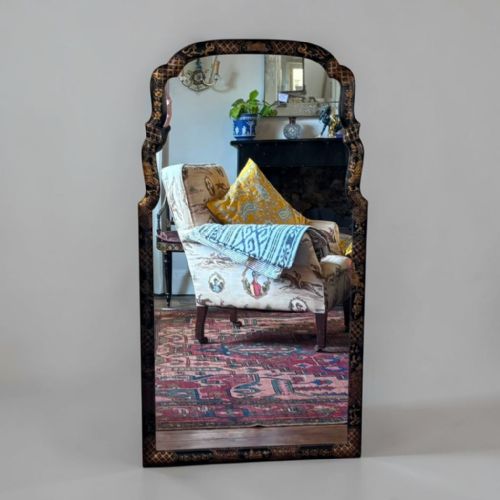
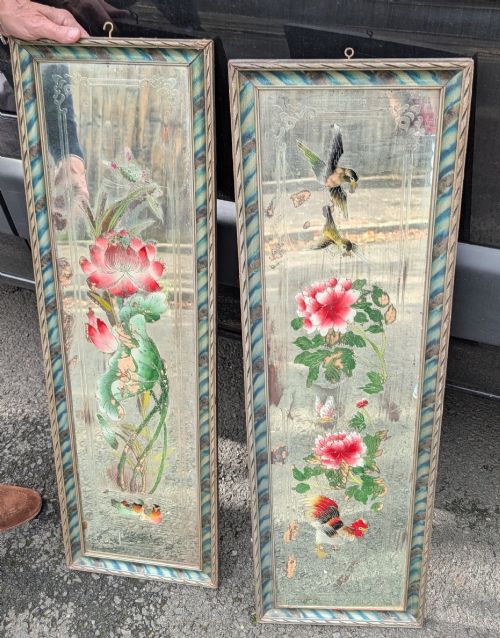
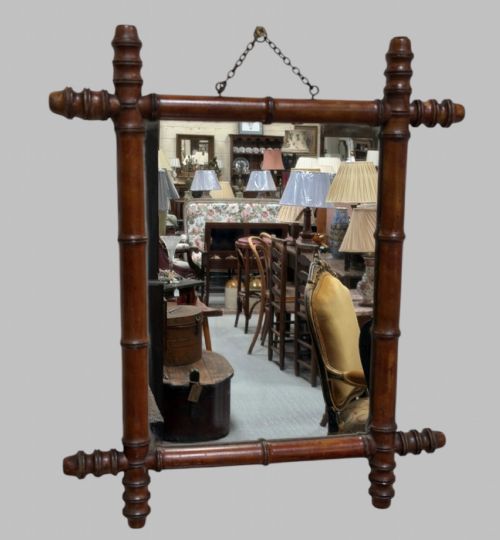
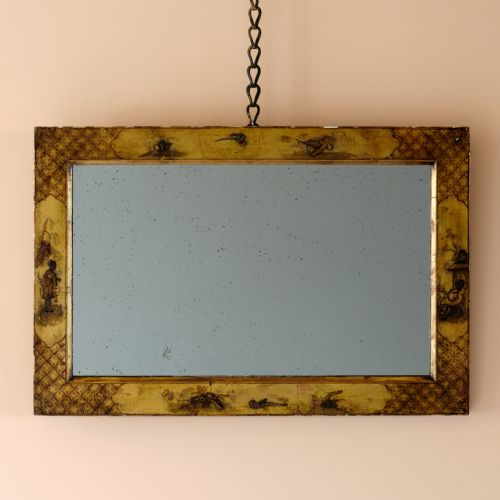
These chinoiserie wall hanging pieces bring painted motifs and lacquered surfaces to a room.
Chinoiserie Wall Hanging
A chinoiserie wall hanging encompasses items designed to be mounted on vertical surfaces, ranging from mirrors and decorative panels to corner cupboards and chargers. The selection spans periods from the eighteenth century through to the early twentieth century, taking in Georgian, Victorian, and Edwardian interpretations.
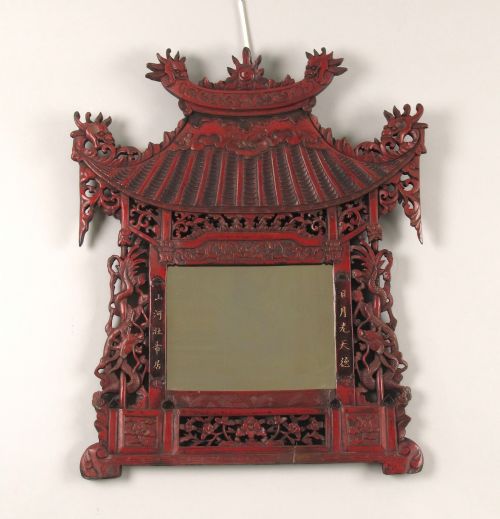
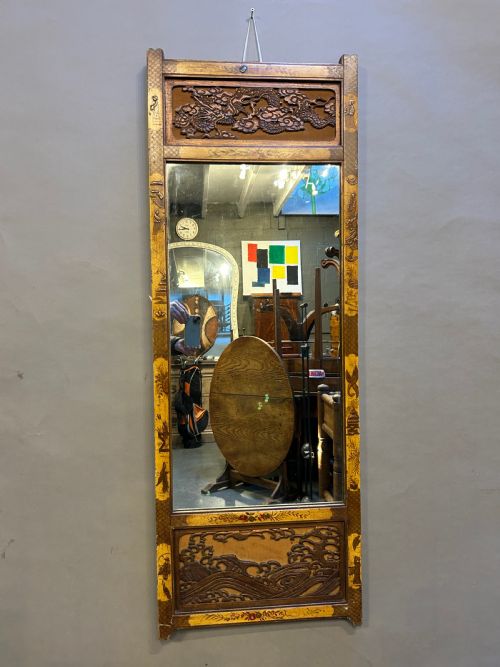
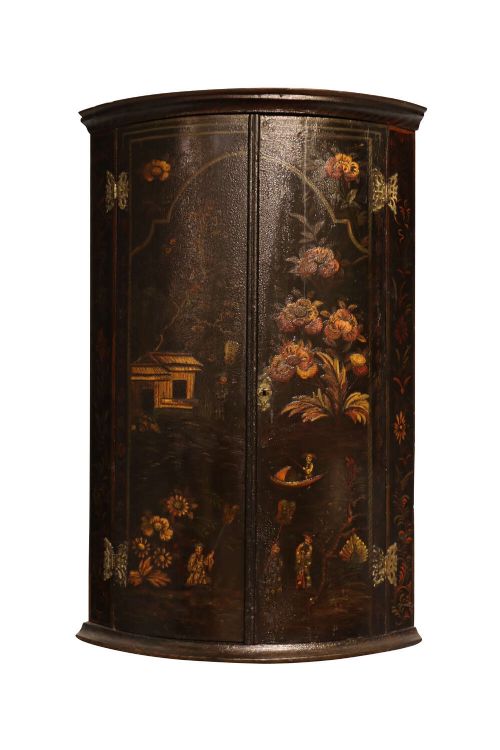
Mirrors form a substantial portion of the pieces encountered, often featuring lacquered frames, faux bamboo, or giltwood carvings. Alongside these, buyers find corner cupboards, canvas and wallpaper panels, and painted ceramic plaques.
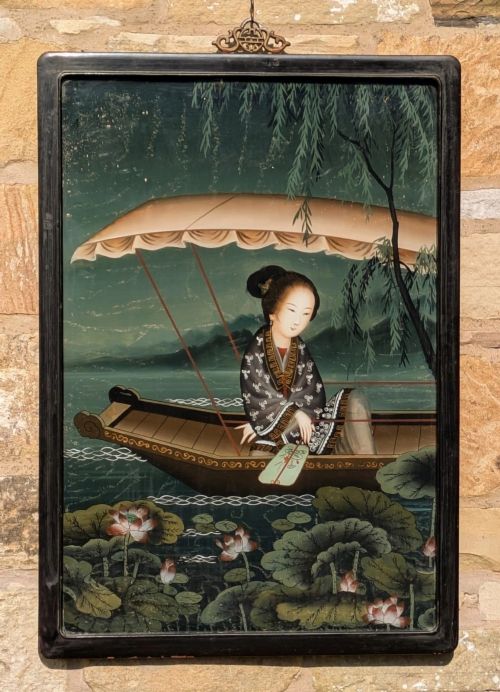
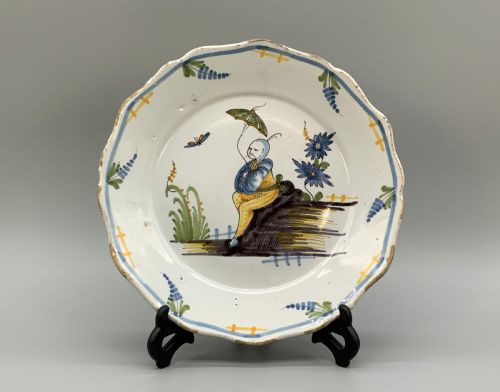
Origins reflect both British and continental European craftsmanship, incorporating styles such as French Delft, Chinese reverse painting on glass, and traditional japanned finishes. Each object offers a distinct way to introduce orientalist decoration into an interior scheme.
Materials and construction techniques
Construction relies heavily on wood, glass, and ceramic, shaped into cabinets, frames, and display plates. Carved wood and gilt surfaces provide structural and decorative definition.
Finishes involve lacquer, paint, gold leaf, and manganese or yellow glazes on faience. Japanning and reverse painting on glass demand specialised layering and drying processes to achieve deep decorative contrast.
The object types span wall mirrors, wall art, corner cupboards, decorative plates, wall panels, and serving trays.
Assessing quality in hanging pieces
The degree of refinement in painted and lacquered details distinguishes standard utility items from finer works. Hand-painted panels and crisp giltwood carving demonstrate greater artisan skill than mass-produced decorative applications.
The preservation of original surfaces dictates the integrity of each piece. Original paintwork, unblemished glass, and intact lacquer layers command higher regard than later repainting or heavy restoration.
The Chinoiserie Wall Hanging Glossary
- Chinoiserie
- European artistic styles reflecting Chinese and East Asian motifs, popular in furniture, mirrors, and decorative panels. This aesthetic dominated several periods of British and continental design.
- Japanning
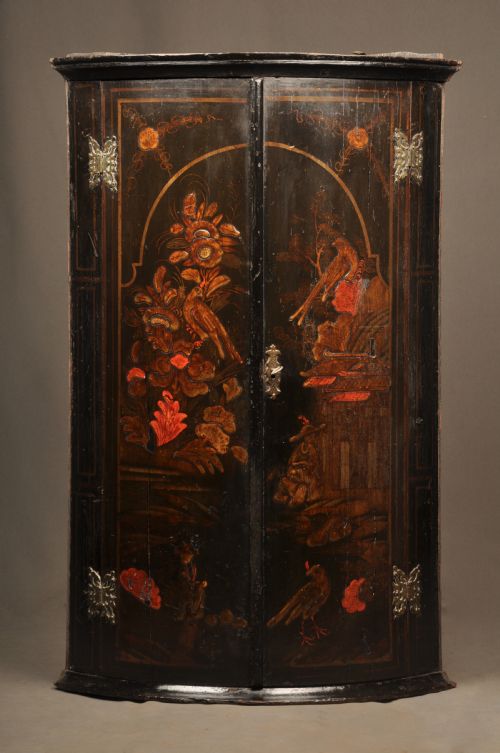
- A type of European finish that emulates East Asian lacquerware using heat-dried varnish layers. It frequently appears on eighteenth and nineteenth-century corner cupboards and frames.
- Pier mirror
- A tall narrow mirror designed to hang on the wall between windows. These pieces often feature elaborate frames matching the chinoiserie style.
- Faience
- Tin-glazed earthenware produced in Europe, seen in decorative plates and charger dishes. Dutch and French examples often display orientalist motifs.
- Reverse painting on glass
- A technique where an image is painted directly onto the back of a glass panel to be viewed from the front. This method yields a glossy and protected surface finish.
Chinoiserie Wall Hanging: Frequently Asked Questions
How were chinoiserie corner cupboards used?
These cabinets fitted into room junctions to store or display porcelain and glassware. Their painted doors added decorative interest to otherwise utilitarian spaces.
Over time, they transitioned from functional storage to prominent decorative wall furniture in period interiors.
What is the difference between japanning and lacquer?
Lacquer refers to traditional Asian resin finishes applied in multiple cured layers. Japanning is the European imitation technique using varnishes and heat treatments.
Both finishes create a hard, glossy surface suited to intricate painted decoration.
How do I identify an eighteenth-century panel?
Eighteenth-century wall panels and wallpaper sections exhibit hand-painted pigments on canvas, paper, or wood. Examination of the substrate and pigment ageing helps confirm the period.
These fragments were frequently mounted for display in period domestic settings.
Can heavy mirrors be hung securely?
Large carved wood and gilt mirrors require appropriate wall fixings and weight distribution to support the frame. Professional installation ensures safety when mounting substantial pieces.
The weight varies depending on whether the core is timber, glass, or composite material.