
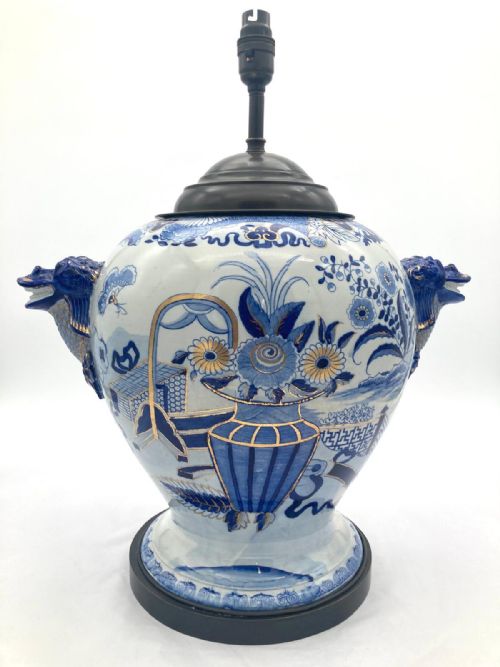


Chinoiserie Porcelain Lamp Base
These chinoiserie porcelain lamp bases bring painted narrative scenes and rich oriental palettes into domestic spaces, prized for their decorative presence and historical weight.
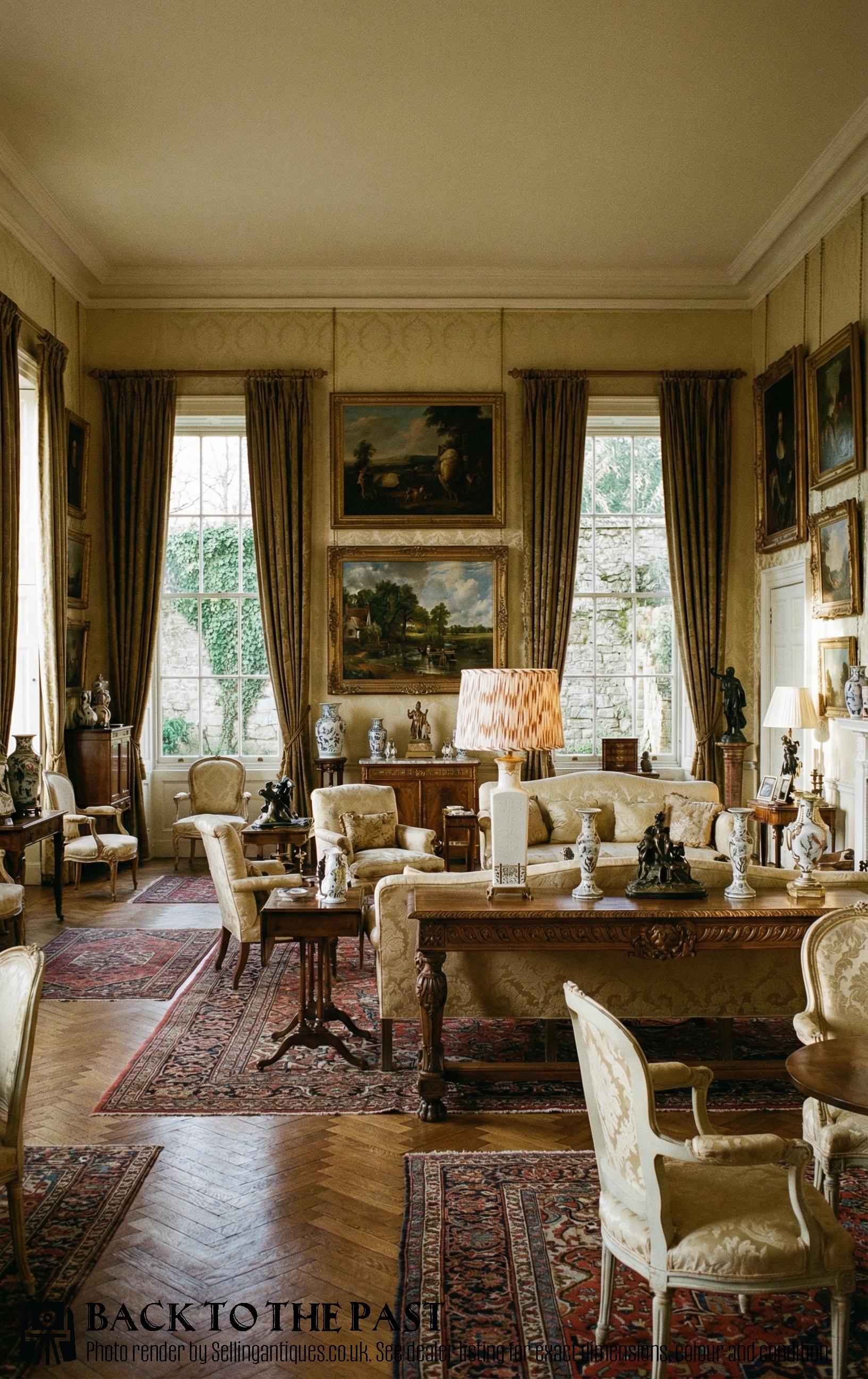
Chinoiserie Porcelain Lamp Base
A chinoiserie porcelain lamp base transforms historic oriental vessels, particularly ginger jars, baluster vases and cylindrical vessels, into functional lighting for interiors. These pieces draw heavily on styles from the Qing Dynasty, Chinese Export traditions and European interpretations including Regency Chinoiserie and Georgian designs.
Vessels arrive mounted onto various platforms, frequently paired with handmade silk or fabric shades designed to complement the proportions of the ceramic body beneath.
Materials and conversion techniques
The foundational bodies utilise ceramic and porcelain, often decorated with cobalt blue underglazes or polychrome enamels in famille rose and famille verte palettes. Potters shaped these forms into ginger jars, baluster vases and cylindrical vessels before firing.
Conversion into lighting involved the addition of metal elements such as brass, gilt bronze, or ormolu mounts fitted to the base and neck to secure electrical fittings. Fabric and silk components complete the upper structure for contemporary use.
Ginger jars once stored preserved spices before finding a second life as stately living room illumination.
Judging quality in converted lamp bases
Quality rests significantly on the fidelity and age of the porcelain body, where crisp hand-painted details in famille rose or fine blue and white pigment distinguish superior vessels. The execution of the ceramic form, whether a delicate baluster silhouette or heavy crackleware, dictates the baseline desirability.
The integration of metal mounts, such as ormolu, gilt bronze, or brass fittings, dictates the refinement of the piece. Superior examples feature mounts tailored specifically to the ceramic contours rather than generic adaptations.
Hicks and Meigh
The Chinoiserie Porcelain Lamp Base Glossary
- Famille Rose
- A palette of opaque enamel colours dominated by pink or rose hues, introduced during the Qing dynasty. This palette permits subtle shading of floral and figurative motifs.
- Famille Verte
- A translucent green enamel palette characteristic of Qing dynasty porcelain, often combined with iron red, blue, and yellow. It creates vibrant, multi-coloured pictorial surfaces.
- Baluster
- A vertical ceramic form with a rounded lower body that tapers towards a narrow neck. This shape provides stable volume for conversion into table lighting.
- Ormolu
- Gilded brass or bronze applied as decorative mounts to furniture and ceramics. It adds architectural weight and a polished finish to the base of a lamp.
- Crackware
- A ceramic glaze intentionally patterned with a network of fine decorative fissures. This finish appears frequently on nineteenth-century Chinese export vases.
Chinoiserie Porcelain Lamp Base: Frequently Asked Questions
How do I choose the right shade?
Match the scale of the fabric or silk shade to the visual weight of the ceramic body below. Taller baluster forms require wider proportional widths to balance the silhouette.
Consider the colour palette of the painted porcelain, selecting neutral silks that do not compete with intricate famille rose or blue and white motifs.
Were these originally made as lamps?
Almost all bodies began life as decorative vases, ginger jars, or storage vessels before conversion into functional table lighting. Makers adapted these historic ceramics by adding metal mounts and electrical wiring.
This conversion process preserves the artistic merit of nineteenth-century and earlier ceramics while integrating them into modern rooms.
How do I date a porcelain lamp base?
Examine the characteristics of the ceramic body, glaze consistency, and painting style to determine the likely period of manufacture. Nineteenth-century pieces often display distinct crackleware finishes or characteristic blue and white pigments.
Inspect the metal mounts and wiring hardware for clues regarding when the vessel was adapted into a lamp.
How do I care for antique porcelain lamps?
Dust the ceramic body gently with a dry, soft cloth to prevent accumulation on painted or glazed surfaces. Avoid harsh chemical cleaners that might damage delicate enamel work or gilt bronze mounts.
Check electrical components periodically to ensure the vintage or added brass fittings remain safe for domestic use.