
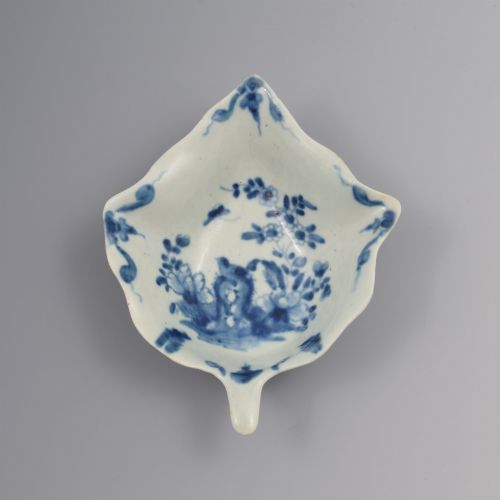


Chinoiserie Pattern Ceramic Dish
These chinoiserie pattern ceramic dish examples bring eighteenth and nineteenth century Eastern motifs into British dining rooms.
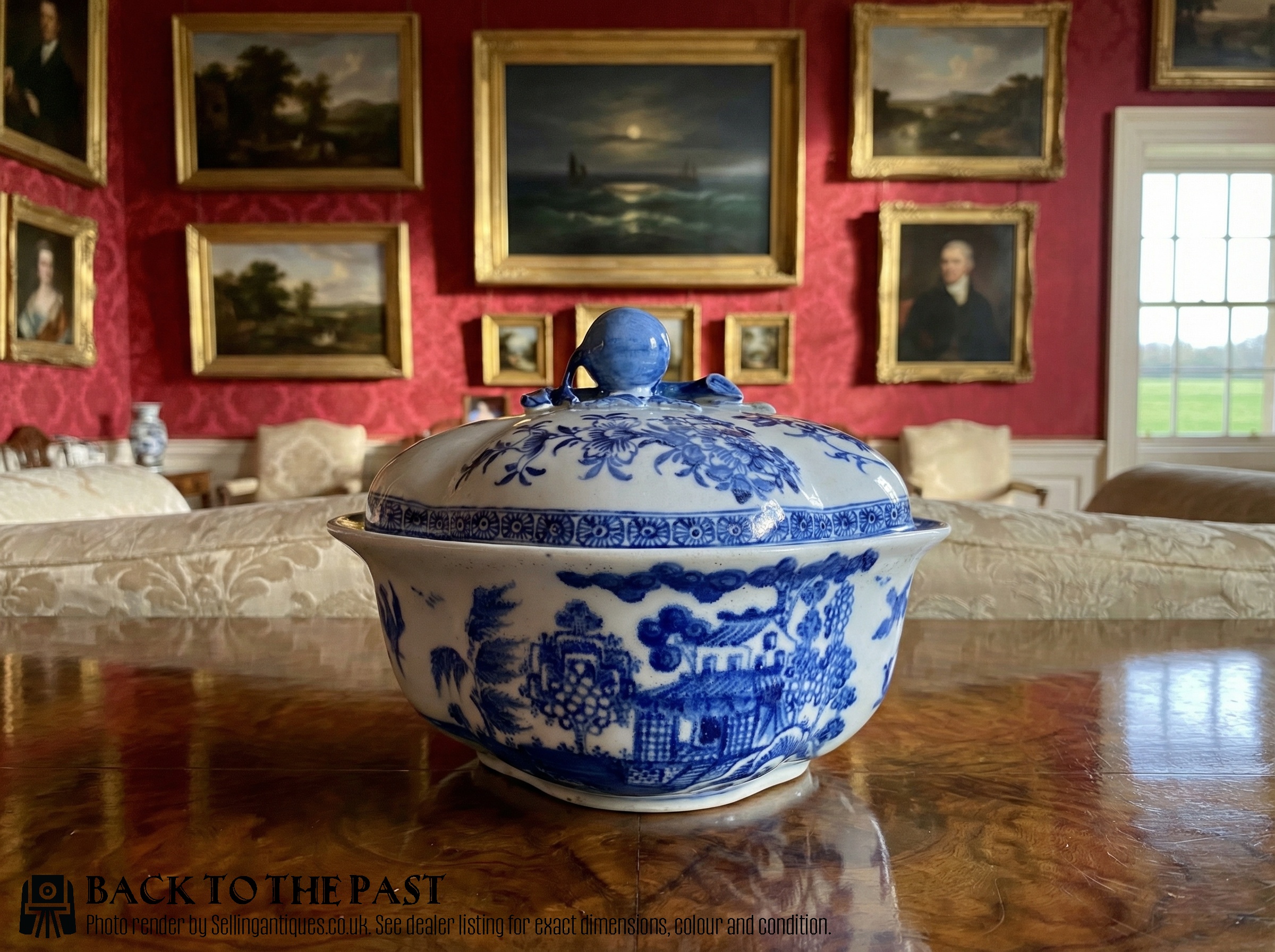
Chinoiserie Pattern Ceramic Dish
A chinoiserie pattern ceramic dish typically takes the shape of a plate, charger, platter, pickle dish, or covered tureen for the table. These items span the eighteenth and nineteenth centuries, crossing Georgian, Regency, and Victorian eras.
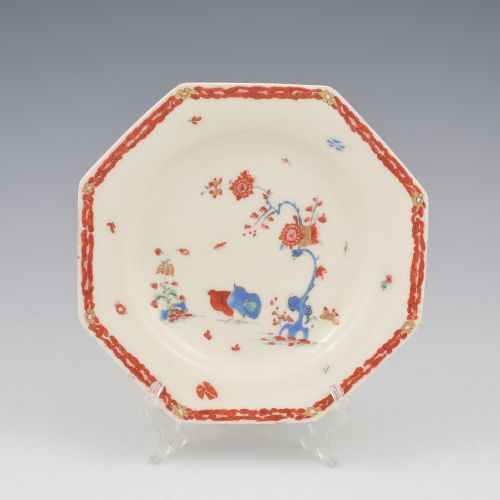
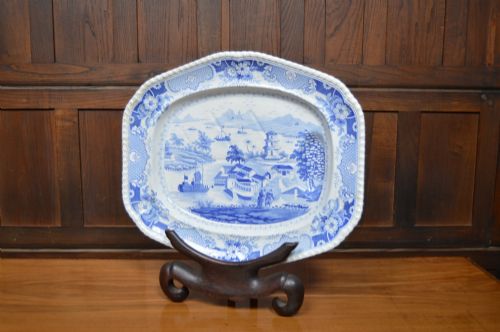
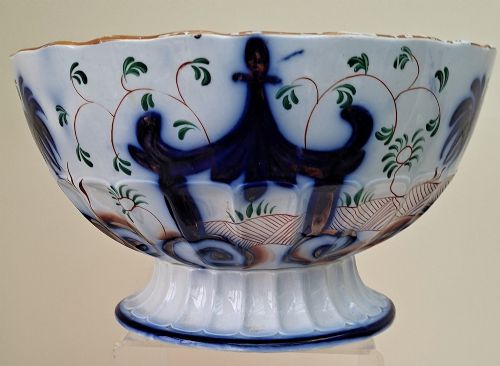
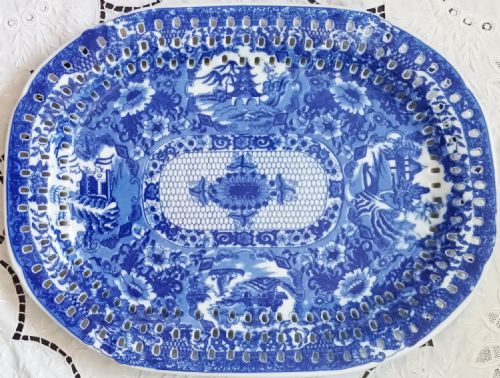
The selection ranges from early soft paste porcelain plates to ironstone chargers and earthenware serving platters. Many examples display transfer printed or hand painted scenes of pagodas, birds, and imagined oriental gardens.
Materials and methods
Potters shaped these objects from soft paste porcelain, ironstone, pearlware, and earthenware, applying tin glazes or clear covers over the body. Cobalt blue transfer printing and polychrome enamel painting supplied the characteristic motifs.
Some plates and dishes incorporate gold leaf accents or raised details moulded directly into the ceramic paste before firing in the kiln.
Certain early plates feature startled quails hiding among stylized rocks, bringing unexpected avian drama to the dinner table.
Quality factors
The crispness of the transfer print and the precision of the hand painted enamel brushwork determine visual strength. Early porcelain bodies show greater translucency than later heavy ironstone or earthenware bodies.
Dr Wall Worcester·Mason Ironstone·John Ridgway·John Rogers and Son
The Chinoiserie Pattern Ceramic Dish Glossary
- Transferware
- Pottery decorated by applying a printed design from an engraved copper plate onto paper and then onto the ceramic surface before glazing.
- Ironstone
- A dense, durable type of earthenware patented in the nineteenth century to imitate porcelain.
- Pickle dish
- A small, often leaf shaped dish used for serving small portions or condiments at the dining table.
- Comport
- A raised dish or bowl used for serving fruit or sweets as part of a table centrepiece.
- Soft paste porcelain
- An artificial porcelain composition fired at lower temperatures than hard paste, common in eighteenth century English factories.
Chinoiserie Pattern Ceramic Dish: Frequently Asked Questions
What is a chinoiserie pattern ceramic dish?
It is a European plate, platter, or tureen decorated with European interpretations of Chinese and East Asian landscapes, figures, and architectural motifs. These designs draw upon imagined exotic themes popular from the eighteenth century onward.
Potters applied these patterns using hand painting or blue and white transfer printing on materials ranging from fine porcelain to sturdy ironstone.
How were these dishes used originally?
Serving dishes and platters held meats, bread, or vegetables at grand dining tables, while smaller pickle dishes contained sauces or relishes. Chargers served as decorative under plates or centrepiece bases.
Many pieces formed part of larger dinner or dessert services used during formal meals in Georgian and Victorian households.
How do I identify eighteenth century pieces?
Eighteenth century examples frequently employ soft paste porcelain or English delftware with hand painted motifs like Kakiemon designs or early blue and white transfer prints. These objects often display potting characteristics unique to early factories like Bow or Worcester.
Weight, body translucency, and specific factory patterns help differentiate these early wares from nineteenth century ironstone productions.
How should I display antique plates?
Plates and chargers can be mounted securely on walls using specialist hangers or displayed upright on plate stands within cabinets or on mantelpieces. Proper support ensures the ceramic body remains protected from strain.
Keeping them away from direct sunlight preserves the hand painted enamel colours and gold leaf details over time.