



Chinoiserie Hanging Mirror
A chinoiserie hanging mirror brings exotic narrative and rich lacquerwork to a room, offering an atmospheric focal point rooted in centuries of decorative tradition.
Chinoiserie Hanging Mirror
A chinoiserie hanging mirror is a decorative wall-mounted looking glass influenced by European interpretations of Chinese art, spanning styles from Victorian and Edwardian periods down to the early twentieth century. These pieces function primarily as wall mirrors and wall art, incorporating distinct cultural motifs into domestic interiors.
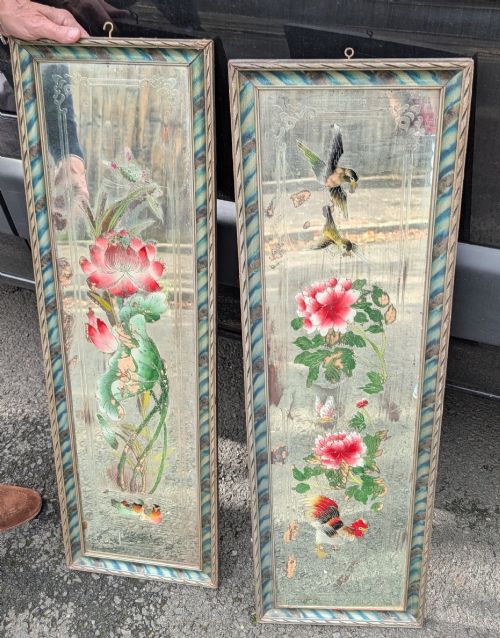
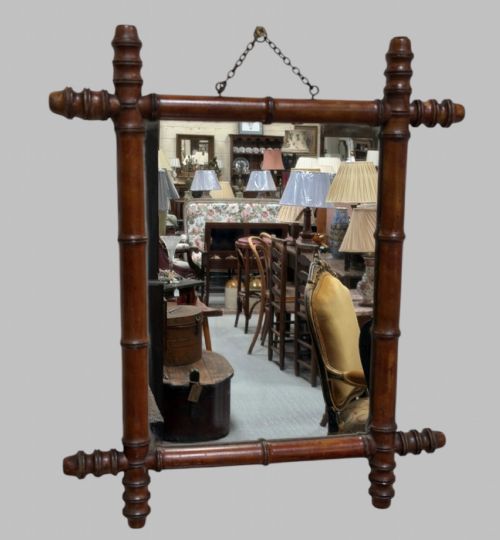
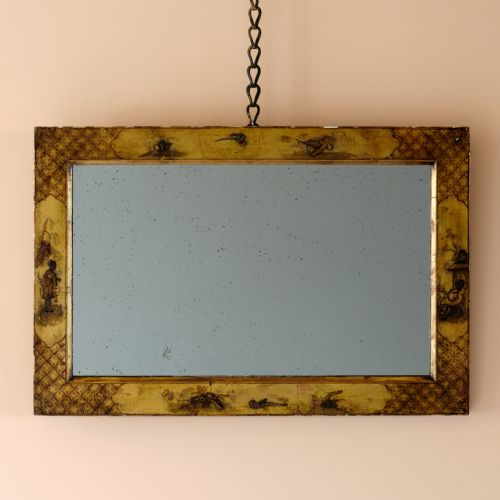
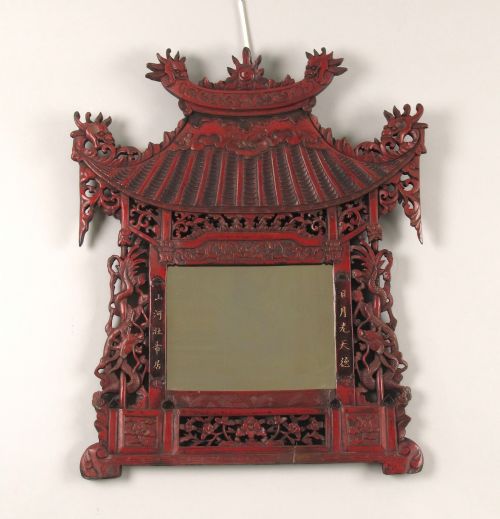
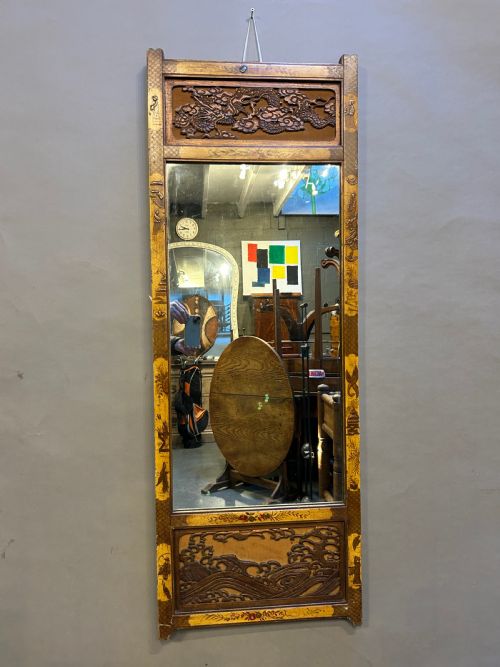
Buyers browsing this selection frequently encounter nineteenth-century examples alongside Edwardian and 1920s iterations. Forms range from red lacquer pagoda frames to carved giltwood and faux bamboo designs.
Originating across different historical eras, these mirrors reflect both strict period aesthetics and eclectic revivals like Chinese Chippendale and French Provincial. Each item presents a unique balance of functional glass and narrative ornamentation.
What varies in quality
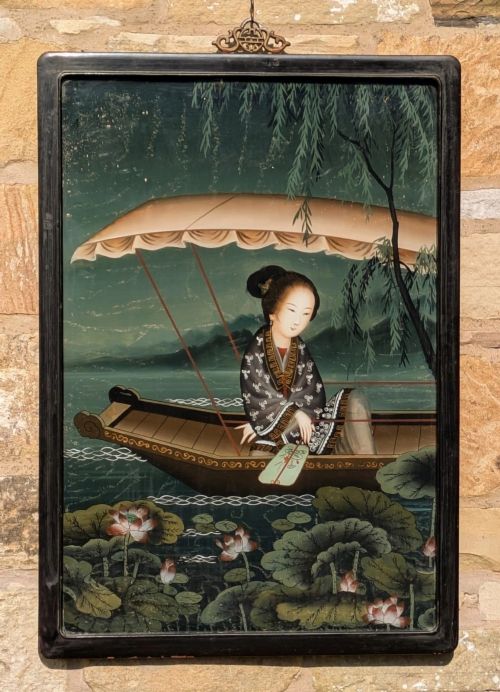
The sophistication of the surface decoration dictates the upper tier of quality, distinguishing meticulously hand-painted lacquer scenes from simpler printed or applied motifs. Carved giltwood examples demonstrate varying depths of relief and crispness in the woodwork.
Materials also separate standard production from superior pieces, particularly the weight of the timber and the purity of the gold leaf applied to the frame. Age-related patination on the glass and the stability of the lacquer finish indicate how well a piece has survived.
Listings feature items spanning the nineteenth century up to the 1930s, incorporating wood, glass, lacquer, and gold leaf.
The Chinoiserie Hanging Mirror Glossary
- Chinoiserie
- European artistic style reflecting Chinese motifs and techniques. This aesthetic dominated various periods through imaginative interpretations of landscapes and figures.
- Lacquer
- A durable resin finish applied in multiple layers. It serves as the glossy, pigmented ground for painted oriental decoration.
- Giltwood
- Wood carved and coated with gold leaf or gold paint. This technique creates a luminous, reflective surface on elaborate frames.
- Faux bamboo
- Wood turned or carved to imitate natural bamboo stalks. It became particularly popular in nineteenth-century decorative furniture.
- Pagoda
- A tiered tower architectural motif. It frequently tops the crests of oriental-style wall mirrors.
Chinoiserie Hanging Mirror: Frequently Asked Questions
Where should I hang a chinoiserie mirror?
These mirrors suit spaces where they can function as a primary decorative focal point, such as above a mantelpiece or an entryway console table. Their reflective glass helps bounce light around darker rooms while the frame adds visual weight.
Ensure the wall structure securely supports the weight of the timber and glass. Positioning them away from direct, harsh sunlight helps protect sensitive lacquer finishes over time.
How do I identify an Edwardian chinoiserie mirror?
Edwardian examples often combine lighter construction methods with eclectic revival styles popular at the turn of the twentieth century. They frequently feature hand-painted decoration on lacquered wood grounds.
Comparing the framing techniques and secondary woods helps distinguish these from earlier nineteenth-century production. Stylistic details often lean towards whimsical garden scenes and pavilion motifs.
What is a pier mirror?
A pier mirror is traditionally designed to hang on the narrow wall section between two windows. These tall formats make efficient use of limited wall space.
In chinoiserie styles, pier mirrors often incorporate vertical architectural elements like pagodas or elongated side panels. They serve to amplify natural light within period interiors.
How do I clean the lacquered frame?
Dusting the frame gently with a dry, soft microfiber cloth prevents the accumulation of dirt without risking the delicate finish. Avoid using chemical sprays or abrasive household cleaners that can damage old lacquer.
For the glass plate, apply a mild glass cleaner to a cloth rather than spraying directly onto the surface. This prevents liquid from seeping behind the antique glass or into the wooden frame joints.