




Chinoiserie Blue White Pottery
These chinoiserie blue white pottery pieces bring European interpretations of East Asian motifs into domestic spaces through tin-glazed earthenware and porcelain.
Chinoiserie Blue White Pottery
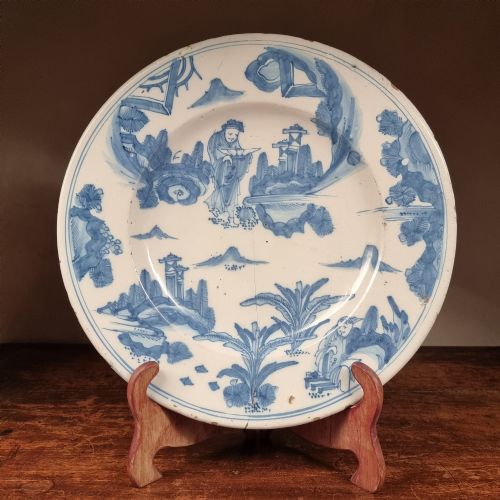
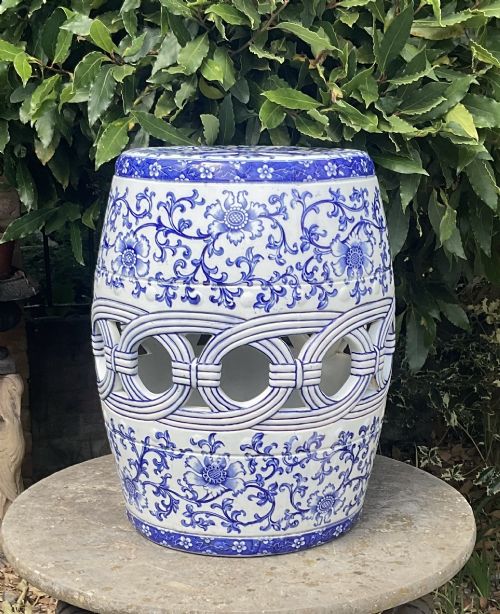
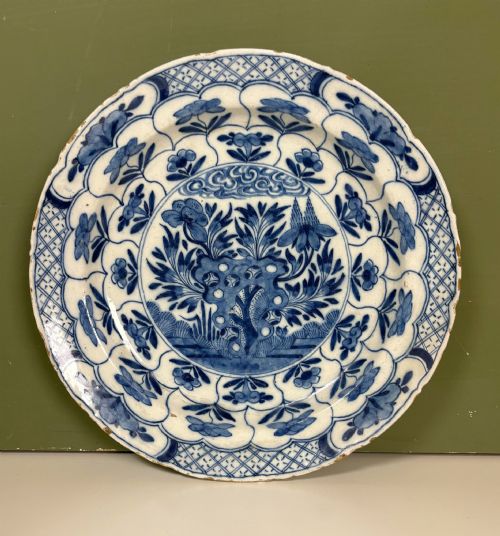
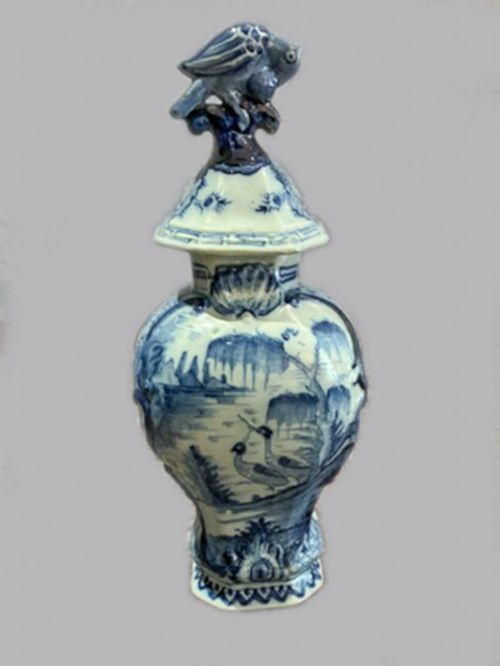
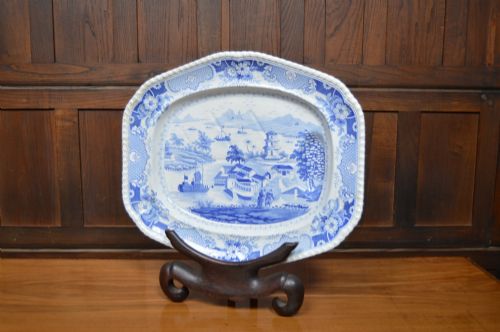
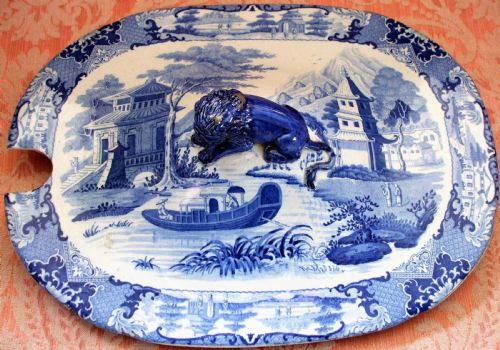
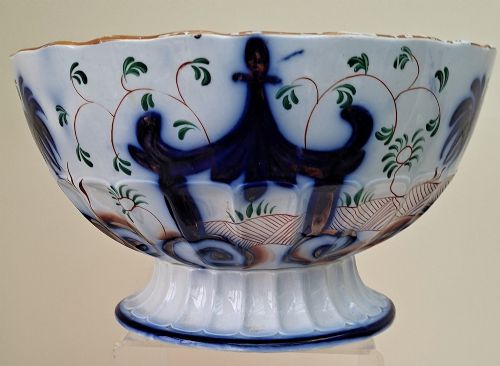
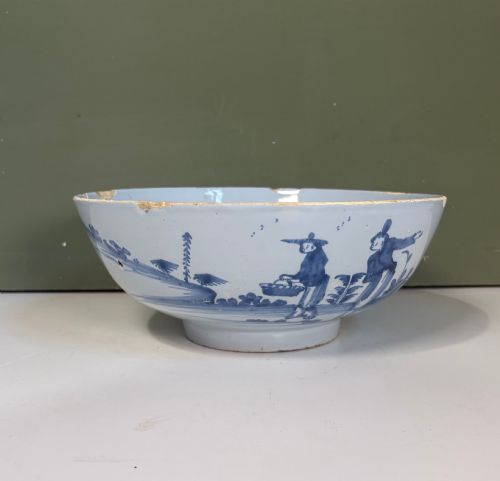
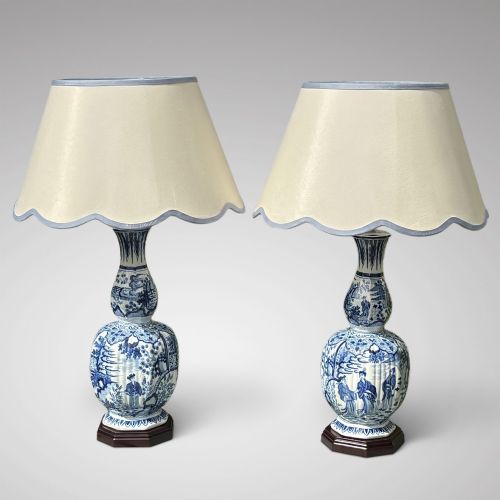
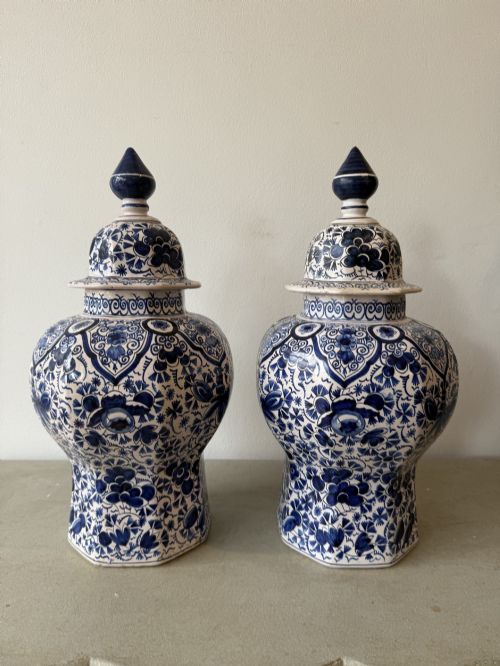
When searching for chinoiserie blue white pottery, collectors encounter vessels and tableware spanning from the seventeenth century through the Victorian era. These pieces include large chargers, baluster vases, lidded jars, serving platters, and table lamps bearing hand-painted or printed orientalist scenes.
Dutch delftware and English delftware dominate the earlier periods, often displaying tin-glazed surfaces with birds, flowers, and imaginary landscapes. Later nineteenth-century examples introduce transfer-printed pearlware and ironstone items depicting temples, rivers, and pagoda motifs.
Domestic serving dishes and decorative plates make up the majority of tableware items, while larger jars and beaker vases serve as principal display pieces. Many antique examples have been converted into lamps while retaining their original ceramic bodies and painted decoration.
Materials and Methods
Potters built these items using earthenware, porcelain, and pearlware bodies coated in opaque tin glaze or translucent ceramic glazes. Artisans applied cobalt pigment directly onto the unfused glaze or raw clay body before high-temperature firing produced the characteristic deep blue coloration against a white ground.
Transfer printing emerged alongside hand-painted brushwork during the Georgian period, allowing makers to apply intricate pictorial scenes onto plates, platters, and serving dishes with mechanical precision. Earlier Dutch and English delft pieces relied entirely on freehand brushwork executed by studio painters working within established workshop traditions.
Listings feature items spanning the seventeenth to the twentieth centuries, utilising earthenware, porcelain, and pearlware.
Evaluating Quality
The clarity and depth of the cobalt pigment define the visual success of each piece, distinguishing bold, fluid brushwork from rigid or blurred application. Sharpness in transfer-printed details and precision in the tin glaze coating reveal the technical capability of the individual pottery.
Artistic execution separates standard utilitarian items from exceptional display pieces, particularly in the rendering of botanical motifs, birds, and architectural elements. The weight of the ceramic body, the stability of footed bowls, and the symmetry of thrown vases also indicate high standards of period production.
Minton·Robert Hamilton·John Ridgway·Mason's Ironstone·Caughley
The Chinoiserie Blue White Pottery Glossary
- Tin-glaze
- A ceramic glaze made opaque by the addition of tin oxide, providing a white background for cobalt painting. This technique defines traditional delftware production.
- Pearlware
- A refined earthenware developed in the late eighteenth century featuring a subtle bluish glaze that pooled in recesses to mimic Chinese porcelain.
- Charger
- A large decorative plate or shallow dish intended for ceremonial display on a sideboard or wall rather than daily dining use.
- Transferware
- A pottery decoration method where an engraved copper plate transfers a printed ink design onto paper and then onto the ceramic surface before firing.
- Baluster
- A vase or candlestick shape characterised by a rounded lower body that tapers upward into a narrow neck.
Chinoiserie Blue White Pottery: Frequently Asked Questions
How do I date early delftware?
Early delftware pieces are generally dated by examining the composition of the ceramic body, the thickness of the tin glaze, and the stylistic rendering of the painted motifs. Seventeenth-century examples often display thicker tin glazes with minor edge chipping and looser brushwork compared to later eighteenth-century production.
Changes in palette depth and the specific shade of cobalt pigment also assist in determining the period of manufacture. Examining the unglazed base provides additional clues regarding kiln furniture marks and regional British or Dutch working methods.
Are these pieces waterproof?
Most antique earthenware and delftware vessels are porous to some degree due to the nature of historic ceramic bodies and tin glazes. Using them to hold water for extended periods can cause moisture to seep through micro-fissures in the glaze.
It is therefore advisable to use internal glass liners if displaying antique vases with fresh flowers. Displaying them dry ensures the glaze and underlying ceramic body remain protected from mineral deposits.
How should I clean antique pottery?
Antique ceramics require gentle maintenance using warm water and a mild, non-abrasive detergent when cleaning becomes necessary. Harsh scrubbing agents and modern dishwashers must be avoided entirely because they can damage historic glazes and weaken old repairs.
Allowing pieces to air dry on a padded surface prevents accidental chipping of fragile rims and foot rings. Regular dusting with a soft, dry brush is usually sufficient for pieces kept on display.