


Chinese Temple Lion Sculpture
These Chinese temple lion sculpture pieces guard thresholds and interiors alike, bringing centuries of tradition and fierce sculptural presence into your home.
Chinese Temple Lion Sculpture
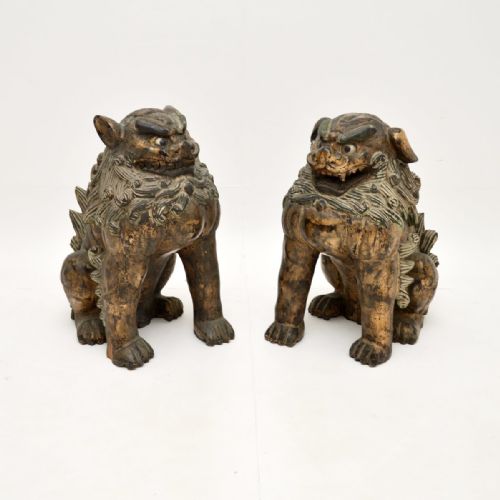
A Chinese temple lion sculpture serves as a traditional guardian figure, historically placed outside sacred spaces and domestic residences to ward off malevolent spirits. Buyers seeking these guardians encounter robust figures cast in bronze, carved from timber, or formed in ceramic, often appearing as matched pairs with distinct gender roles.
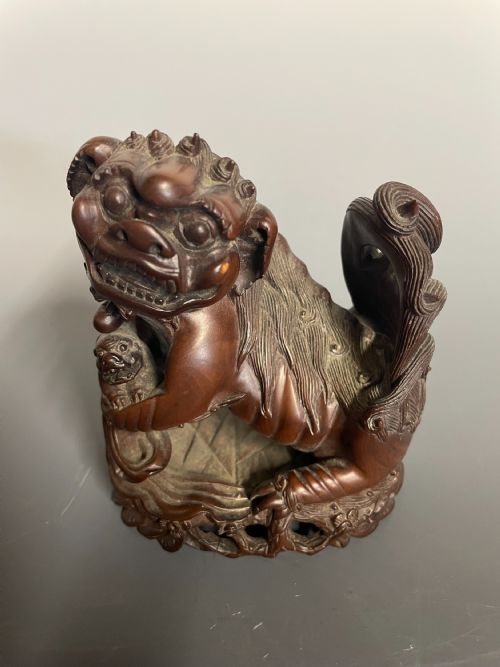
The selections available here span multiple centuries, ranging from eighteenth-century wooden guards to nineteenth-century gilt specimens and cast bronze examples. Forms vary from small boxwood carvings to substantial heavy temple guards, reflecting diverse regional workshops and materials across different eras.
Materials and Construction
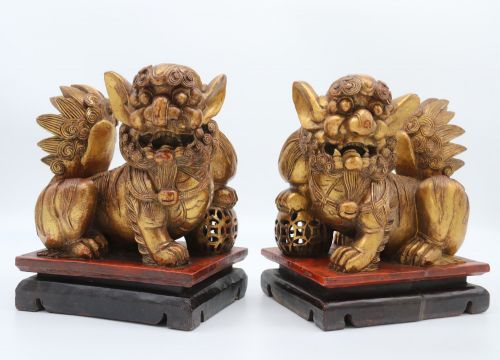
Artisans carved these guardians primarily from dense timbers such as boxwood and general timber, frequently applying layers of polychrome paint, lacquer, and surface gilding to enhance their decorative impact. Metal versions utilise bronze, brass, and cast iron, requiring advanced casting techniques to capture the intricate mane and muscular form.
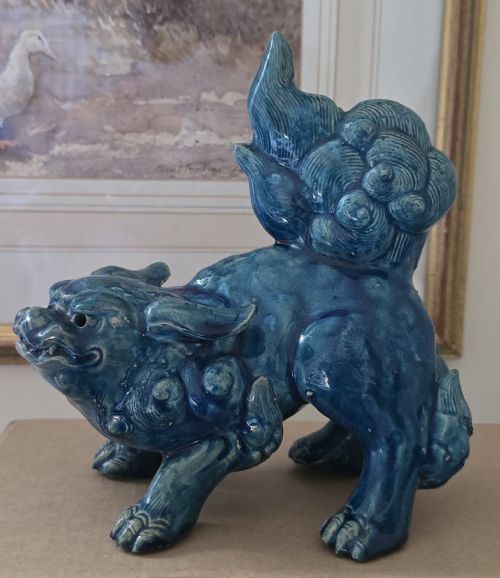
Ceramic and stone interpretations involve specialist moulding, carving, and glazing processes, producing turquoise finishes or enamelled porcelain surfaces. Each medium demands distinct technical skill, whether the precision of hand-carved wood or the high-temperature firing of glazed ceramics.
The listings encompass items produced across the eighteenth, nineteenth, and early twentieth centuries.
Markers of Quality
Quality reveals itself in the vigour of the carving and the depth of detail present in the muscular anatomy, facial expression, and ceremonial ornaments. Crisp execution of the curly mane and expressive claws distinguishes superior sculptural works from simpler commercial productions.
The preservation of original surface treatments, such as genuine period gilding, lacquer, and polychrome pigments, significantly elevates a piece. Harmony within matched pairs and the integrity of the base material further define the upper tier of these sculptures.
The Chinese Temple Lion Sculpture Glossary
- Foo Dog
- A common Western term for the guardian lions traditionally seen outside Chinese temples and imperial palaces. These mythical beasts combine the majesty of the lion with the loyalty of the dog.
- Shishi
- The Japanese equivalent term for guardian lions, often associated with Meiji period ceramic and bronze figures. They share stylistic roots with their Chinese prototypes.
- Gilt
- A thin layer of gold applied to the wooden or bronze surface of a sculpture. This technique enhances the decorative presence and denotes finer historical examples.
- Polychrome
- The application of multiple colours of paint to wood, stone, or ceramic sculptures. This finish enlivens the decorative details of the guardian figures.
- Qing Period
- The final imperial dynasty of China, spanning the seventeenth to the early twentieth century. Many traditional decorative arts and temple sculptures originate from this era.
Chinese Temple Lion Sculpture: Frequently Asked Questions
Where should I place a temple lion sculpture?
Traditionally, these guardian figures flank entrances, doorways, or hearths to provide symbolic protection and anchor a room's decorative scheme.
In modern interiors, they sit comfortably upon pedestals, sideboards, or mantelpieces where their sculptural weight commands attention.
How do I care for wooden guardian sculptures?
Keep carved wooden and lacquered pieces away from direct sunlight and fluctuating heat sources to prevent timber splitting and surface cracking.
Dust gently with a dry, soft cloth and avoid chemical polishes that might damage historic lacquer or gilt surfaces.
Are these sculptures always found in pairs?
Many historical examples were created as matched pairs, traditionally representing a male holding a brocade ball and a female with a cub.
Individual figures also appear frequently, serving as standalone decorative objects or focal points in smaller spaces.
How do I distinguish bronze from cast iron pieces?
Bronze examples typically exhibit a heavier feel, warmer metallic undertones, and resistance to standard oxidation.
Cast iron pieces often display a darker, heavier industrial weight and are prone to surface rusting if exposed to moisture.