




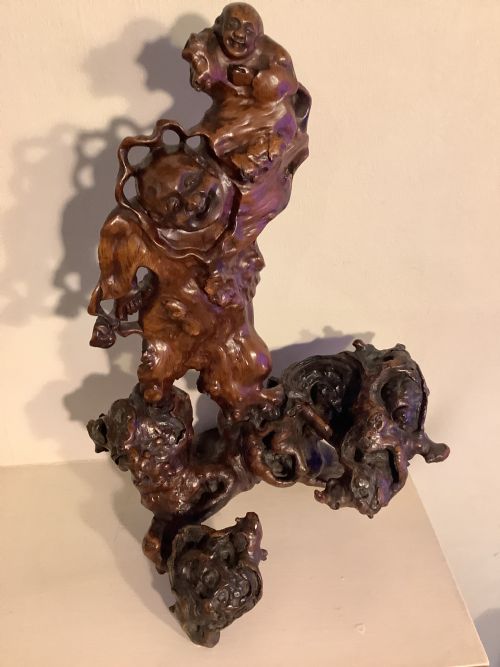
Carved Root Wood Sculpture
A carved root wood sculpture turns the eccentric twists of natural timber into figures, stands, and lamps that celebrate organic form.
Carved Root Wood Sculpture
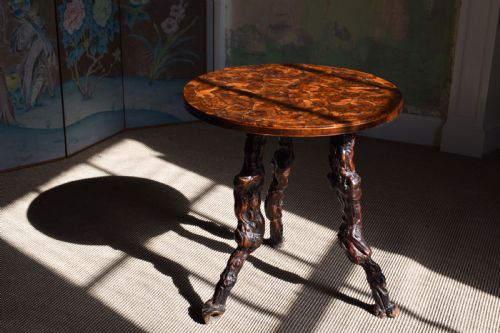
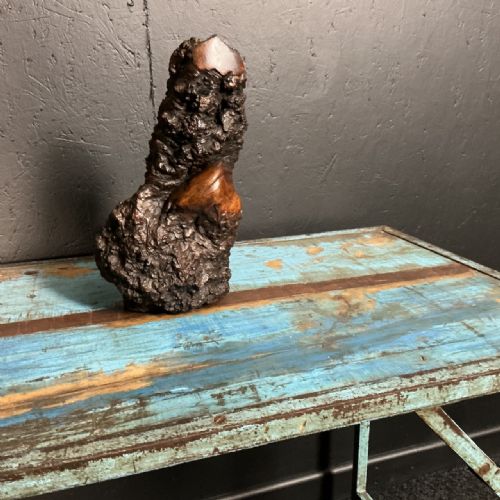
When you search for carved root wood sculpture, you enter a domain where natural tree growth dictates the final shape of the object. These pieces harness the gnarled knots, burls, and root systems of timber to create expressive figures, animals, and functional items like tables and stands.
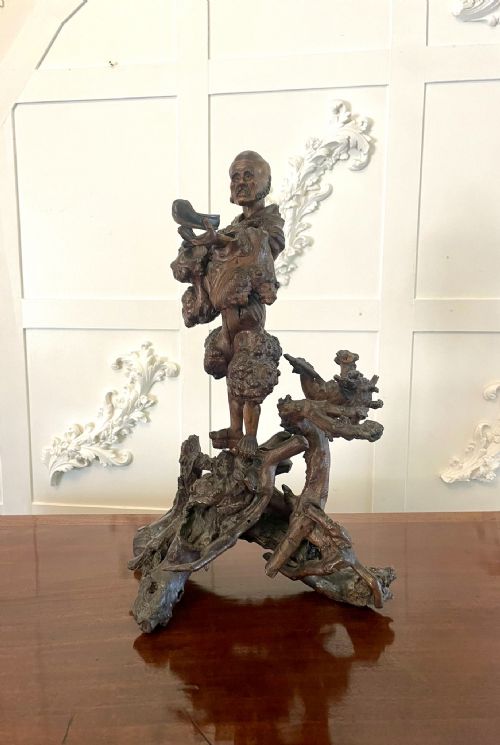
The versions you are most likely to meet on this page span the nineteenth century, drawing heavily on traditional Chinese craftsmanship alongside Victorian rustic expressions. They range from small scholarly carvings of figures to substantial furniture pieces and mounted sculptures.
Makers utilised the inherent fissures and twists of the material, allowing the original growth pattern to suggest a deity, a scholar, or an abstract natural form. The resulting objects blur the boundary between natural tree specimen and deliberate human artistry.
How they were made
Makers selected dense hardwoods, burr walnut, yew, and bamboo, choosing sections with heavy grain distortion and eccentric branching. These raw timbers required patient shaping to preserve the natural contours while defining faces, limbs, or flat surfaces for display.
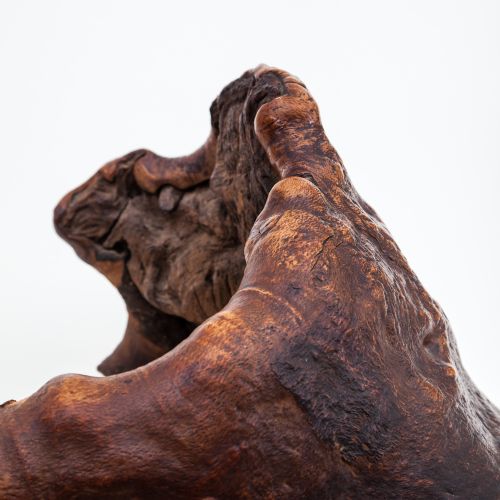
Carvers worked extensively with the rootwood and burl wood, following the natural grain rather than imposing a strict geometric plan. Finishing involved polishing and occasionally applying lacquer to accentuate the deep figure and rich patina of the wood.
Listings feature items spanning the nineteenth century up to nineteen thirty, incorporating materials like bamboo, burl wood, and bronze.
What varies in quality
Quality rests upon the harmony between the natural growth of the timber and the intervention of the carver. Superior pieces make clever use of a root's eccentric twists to articulate a figure or animal without forcing an unnatural geometry onto the material.
The depth of the finish and the preservation of a warm, handled patina elevate certain works above standard examples. Finer items also display a confident handling of complex root systems, turning chaotic tangles into coherent, balanced sculptures or functional stands.
The Carved Root Wood Sculpture Glossary
- Rootwood
- Timber sourced from the underground or stump portions of a tree, prized for its dense grain and irregular, gnarled growth patterns. Carvers exploit these natural distortions to create dynamic sculptures.
- Burl wood
- A tree growth in which the grain has grown in a deformed manner, commonly resulting in a cluster of small knots. This material creates highly decorative surfaces with intricate swirling patterns.
- Patina
- The deep sheen and surface alteration developed through age, handling, and polishing over many decades. A good patina indicates genuine age and regular interaction with the piece.
- Qing Dynasty
- The final imperial dynasty of China, spanning from sixteen forty-four to nineteen twelve, associated with intricate hardwood and root carvings. Many traditional figures and scholar's objects originate from this extended period.
- Foo dog
- A traditional guardian lion depicted in Chinese art and sculpture to ward off evil spirits. These mythical beasts frequently appear in carved root wood and hardwood figures.
Carved Root Wood Sculpture: Frequently Asked Questions
What is a root wood sculpture?
A root wood sculpture is an art object shaped from the gnarled underground or trunk sections of a tree. Carvers work with the natural twists of the timber to reveal figures, animals, or functional stands.
These pieces celebrate the organic irregularities of the wood rather than imposing a uniform shape. They range from small scholar's objects to substantial furniture items.
How do I clean root wood?
Clean root wood sculptures gently using a dry, soft brush to remove dust from deep crevices and gnarled surfaces. Avoid using water or harsh chemical cleaners that can strip the historic polish.
Keeping the piece out of direct sunlight and away from sudden temperature changes protects the timber from splitting. Occasional light waxing can maintain the sheen on polished hardwoods.
Where were these carvings made?
Many of these carvings originate from traditional Chinese workshops, particularly associated with Qing Dynasty aesthetics and scholar's taste. Other examples emerge from European folk art traditions, such as Victorian rustic furniture and branch work.
Makers across different regions shared a common interest in highlighting natural timber forms. This global appreciation for organic material links disparate regional styles.
How can I tell the age?
Age is determined by evaluating the depth of the patina, tool marks left by the carver, and the overall dryness and shrinkage of the timber. Nineteenth-century examples often display a mellow, handled surface acquired over generations.
Stylistic cues, such as traditional Chinese deity depictions or Victorian rustic forms, also help anchor the piece within a specific era. Comparing the wood density and finish provides further context for dating.