

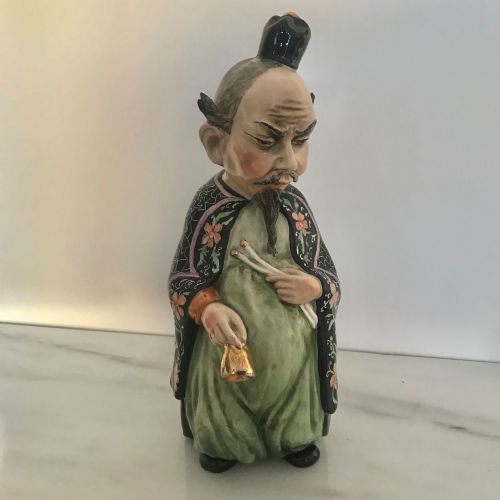


Chinese Scholar Figure
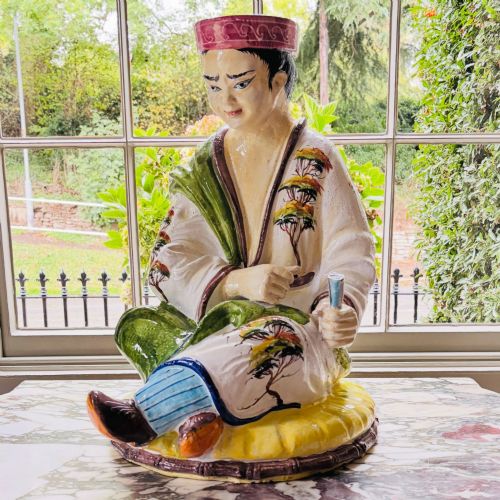
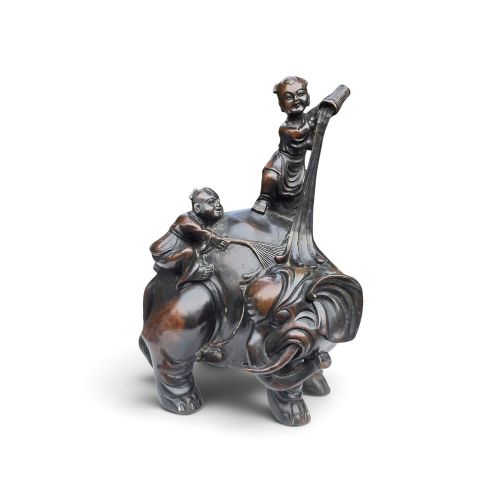
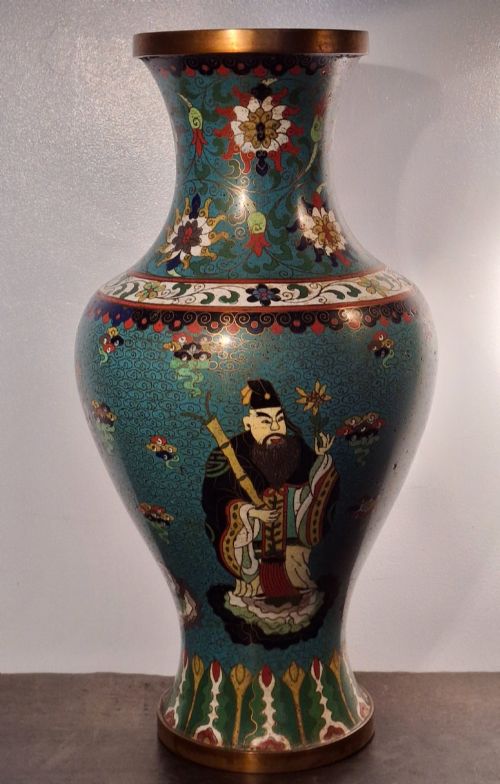
A chinese scholar figure captures the quiet dignity of traditional learning, rendered in bronze, porcelain, root wood and stone across various dynasties.
Chinese Scholar Figure
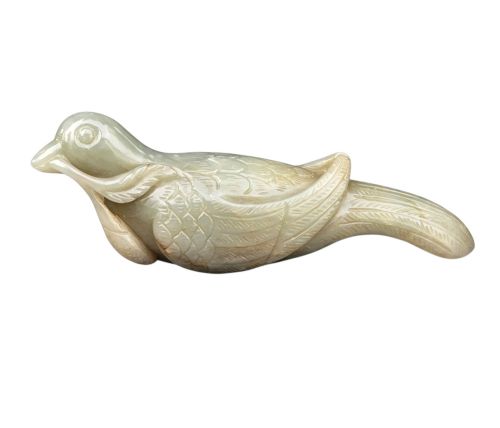
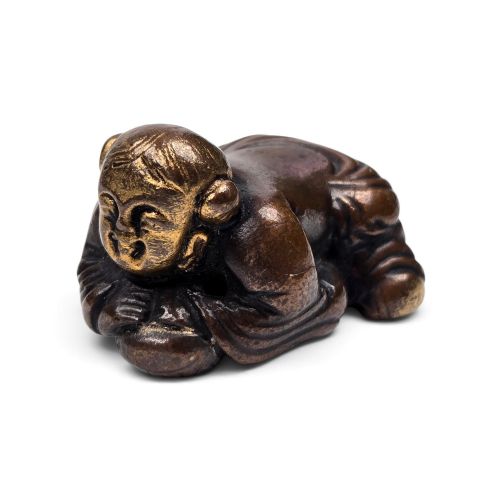
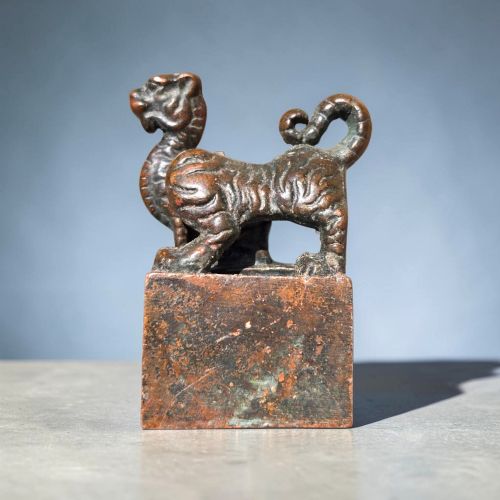
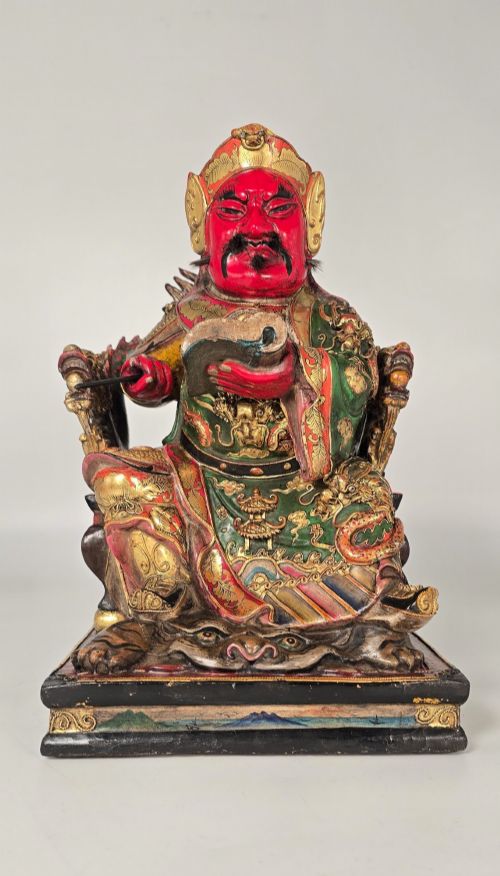
A chinese scholar figure embodies the scholarly ideal of ancient traditions, depicting wise men, officials, sages and figures from literature. Buyers seeking these pieces encounter representations carved from root wood, cast in bronze, moulded in porcelain or shaped from stone.
The selections span multiple periods, from pieces bearing Ming and Qing dynasty characteristics through to works from the nineteenth and early twentieth centuries. Forms range from freestanding desk sculptures and paperweights to brush pots and boxwood carvings associated with scholars' desks.
Materials and methods
Carving and casting form the primary techniques evident across these works, utilising organic materials like burr root wood and boxwood alongside metals such as bronze and brass. Artisans also worked with stone, including Shoushan stone, soapstone and jade, shaping intricate details by hand.
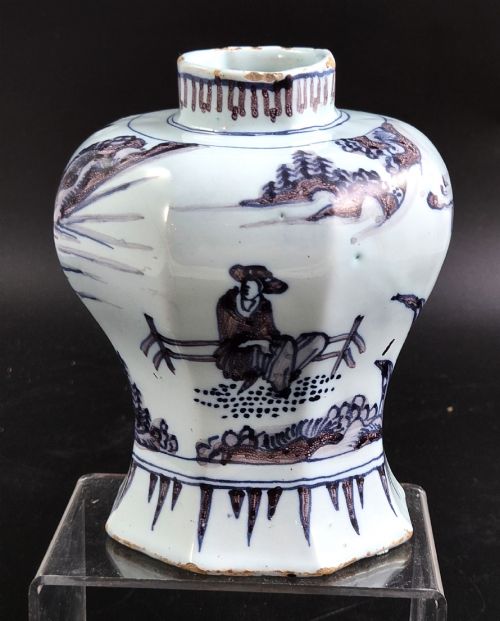
Ceramic pieces utilise porcelain with hand-enamelled decoration, blue and white pigments, or celadon glazes. Artisans additionally applied lacquer, gold leaf and fire-gilding to enhance bronze and wooden surfaces.
Chinese Scholar Figure Retail Price Guide 2026
Typical asking prices for chinese scholar figure among the pieces listed under this phrase on Sellingantiques today, from the lower quarter to the upper quarter. They describe what is for sale here now, not the wider market.
Form categories include sculptures, brush pots, desk seals, paperweights, and decorative carvings associated with traditional scholars' objects.
Judging quality
Quality rests upon the fineness of the carving and the precision of the casting. Pieces featuring intricate facial expressions, naturalistic postures in root wood, and well-defined drapery in bronze or stone stand apart from simpler work.
The choice of material also dictates distinction, where select hardwoods, solid-cast fire-gilded bronze, or finely carved jade and soapstone elevate a piece. Evidence of skilful hand-painting on porcelain and balanced proportions further separate standard items from superior examples.
YA MING
The Chinese Scholar Figure Glossary
- Zhenzhi
- A desk paperweight often cast in bronze and formed in figurative shapes. These objects served functional and decorative purposes on a scholar's table.
- Bitong
- A cylindrical brush pot used for holding writing brushes. They appear in materials such as porcelain and carved wood.
- Qing Dynasty
- The final imperial dynasty of China, spanning from the seventeenth to the early twentieth century. Many carved figures and porcelain items date from this era.
- Ming Dynasty
- The imperial dynasty preceding the Qing, known for accomplished bronze casting and early scholar's objects. Pieces from this time display distinct traditional motifs.
- Shoushan Stone
- A type of pyrophyllite stone quarried in Fujian province and utilised for fine Chinese carvings and desk seals. Its varied natural colours suited intricate figurative sculpture.
Chinese Scholar Figure: Frequently Asked Questions
How were scholar figures used?
These figures traditionally inhabited the desk or studio of an educated scholar, serving as inspirations for contemplation and poetry. Some pieces doubled as practical scholar's objects such as paperweights, seals, or wrist rests.
Others functioned purely as decorative carvings or container ornaments within a scholar's private study.
What materials are common?
Common materials include bronze, brass, porcelain, and various woods like boxwood, burr root, and hardwood. Artisans also utilised stones such as soapstone, Shoushan stone, and jade.
Some pieces incorporate supplementary finishes like lacquer, gold leaf, or hand-painted enamel decoration.
How do I tell periods apart?
Periods are identified by stylistic characteristics, material treatments, and reign marks where present. Ming and Qing dynasty pieces display distinct casting techniques, glaze types, and carving styles typical of those eras.
Nineteenth- and early twentieth-century works often reflect transitional manufacturing methods while maintaining traditional scholarly themes.