


Chinese Ritual Bronze
Chinese ritual bronze vessels and incense burners bring ancient ceremonial forms and rich patinas into modern interiors.
Chinese Ritual Bronze
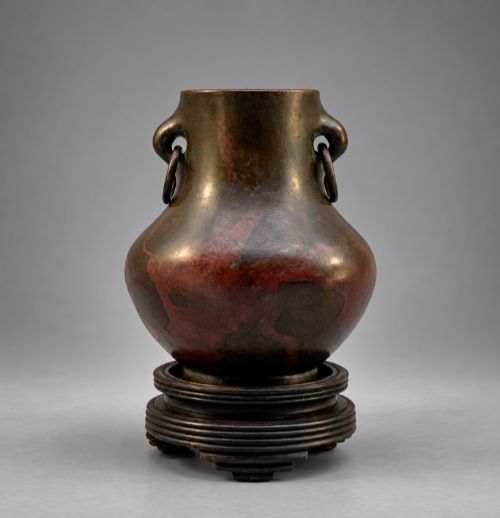
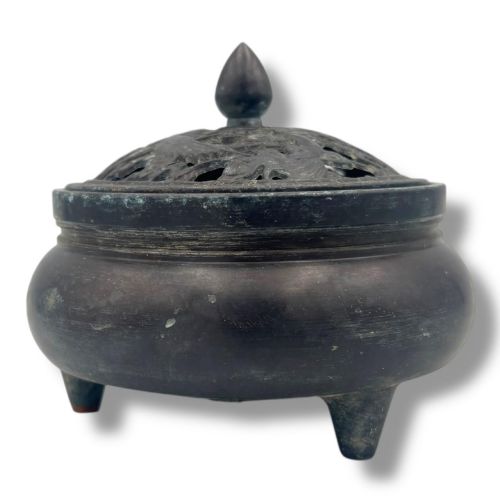
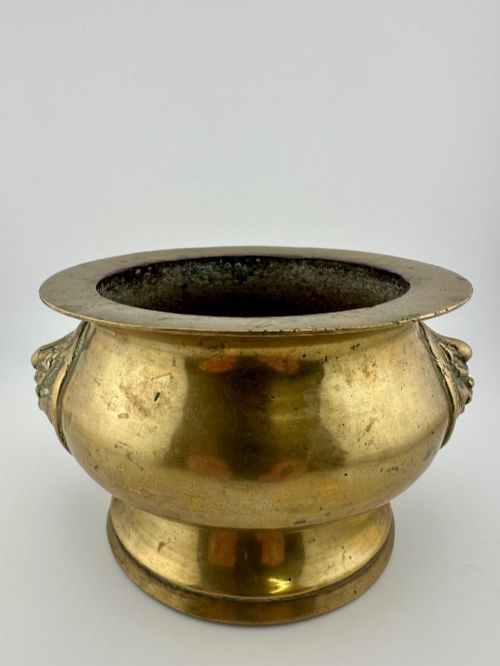
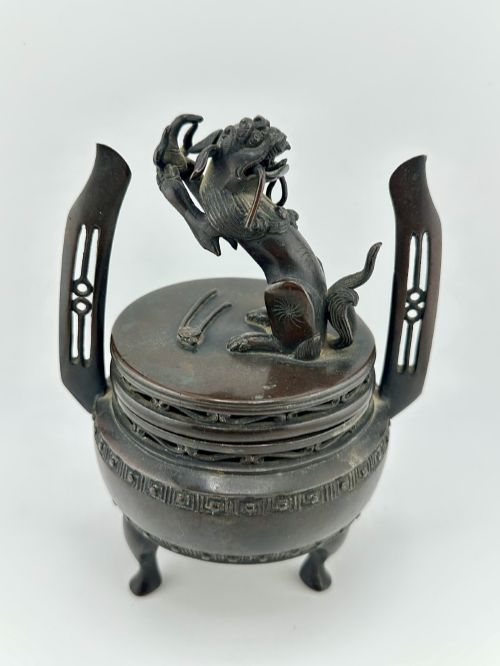
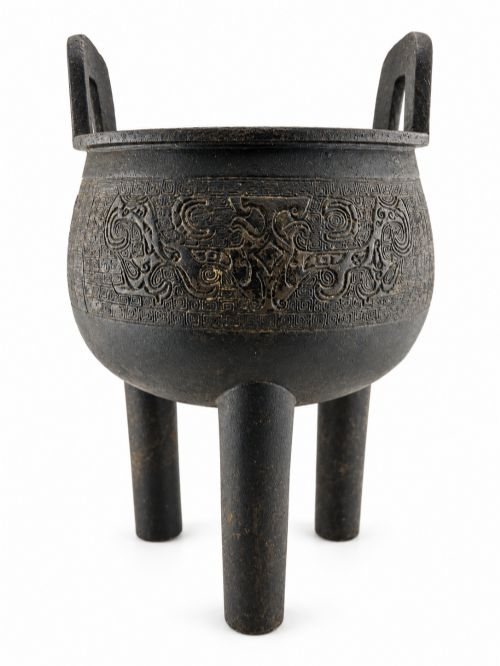
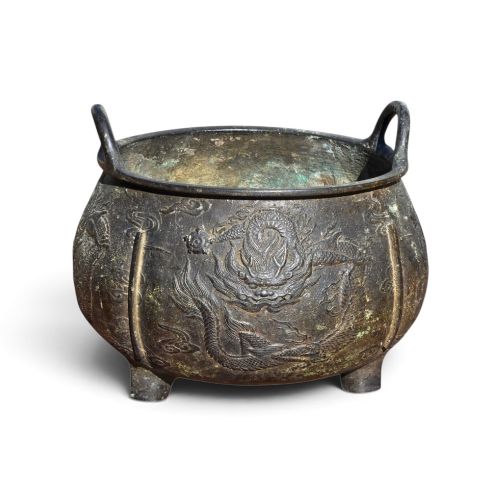
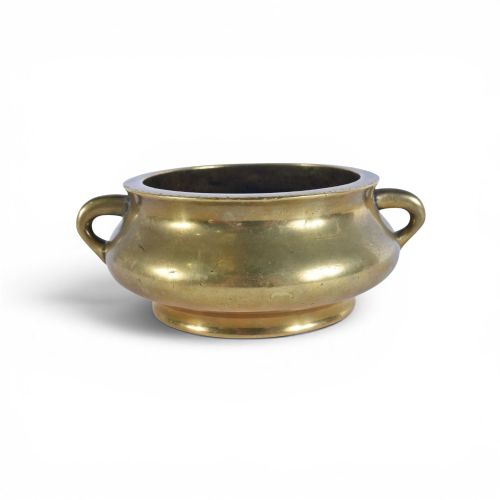
When buyers search for chinese ritual bronze, they look for ancient sacrificial vessels, wine cups, and incense burners rooted in dynastic traditions. The selection here most frequently includes heavy tripod censers, ding vessels, and gu vases dating from the Ming and Qing dynasties, alongside later archaistic interpretations.
Forms span utilitarian ritual items such as the jue wine vessel and the gui food bowl, each echoing archaic Shang and Zhou prototypes. These pieces served ancestral rites and scholar literati pursuits, carrying symbolic motifs like the taotie mask, dragon, and phoenix.
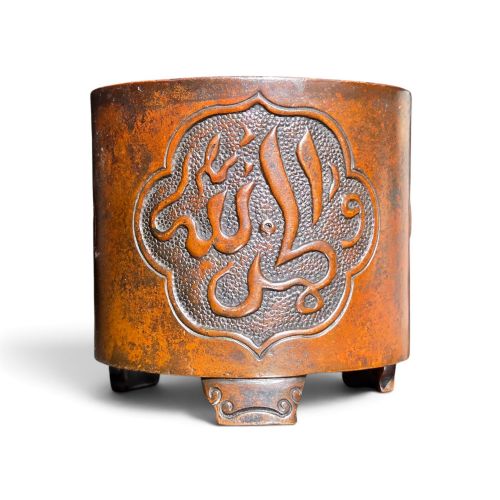
Origins stretch from the sixteenth century through the early twentieth century, incorporating both genuine period pieces and later Qing dynasty revivals. Collectors encounter utilitarian censers designed for the Islamic market as well as monumental altar vessels meant for temples and scholars' desks.
Materials and Casting Techniques
Foundry workers utilised traditional lost-wax and piece-mould casting methods to form heavy copper alloy and bronze compositions. These metals were handled to achieve substantial physical weight, allowing vessels to produce bell-ring resonance when struck.
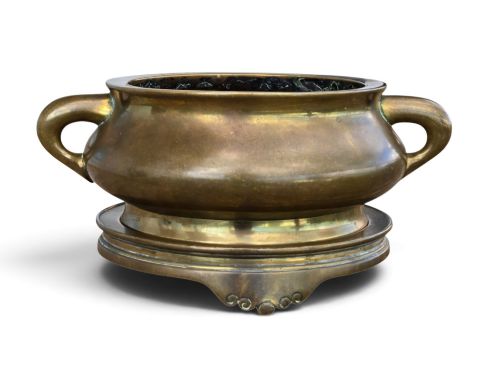
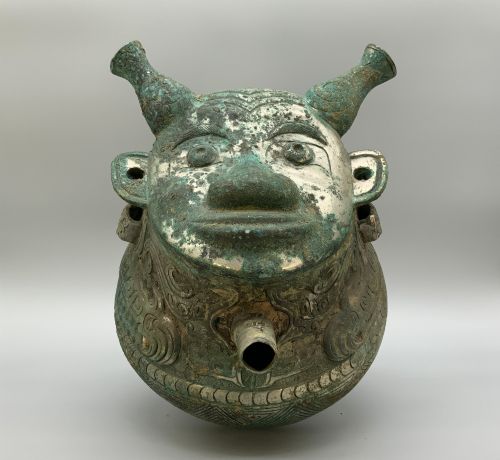
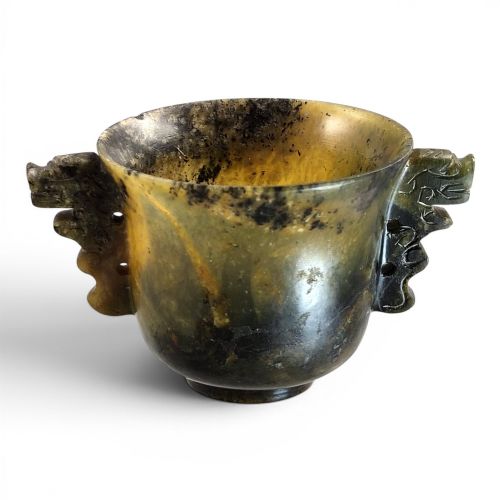
Surfaces developed distinctive patinas over centuries, ranging from deep brown tones to deliberate verdigris coatings. Artisans occasionally integrated nephrite jade handles or applied cloisonné enamel details to enrich the cast metallic bodies.
The inventory spans the sixteenth century through the early twentieth century, featuring cast bronze, brass, copper alloy, and nephrite jade elements.
Defining Quality and Execution
The distinction between ordinary metalwork and superior casting lies in the crispness of the relief work and the density of the alloy. Heavy, substantial casting with cleanly defined taotie masks and symmetrical tripod legs separates masterworks from simpler decorative wares.
Proportion and fidelity to archaic models dictate the standing of a piece within its period. Examples bearing apocryphal Xuande marks or exhibiting refined patination demonstrate the elevated standards demanded by scholarly collectors.
The Chinese Ritual Bronze Glossary
- Archaistic
- Imitating the style, motifs, or forms of ancient dynasties while manufactured in a later period. This approach honours historical aesthetics.
- Ding
- A traditional three-legged ritual food vessel featuring upright handles. These forms originate in early Chinese bronze culture.
- Taotie
- A stylized zoomorphic mask motif commonly cast in low relief upon ritual vessels. It serves as a prominent decorative element in archaic metalwork.
- Jue
- An ancient tripod wine vessel with a channel spout and two short posts. These pieces held ritual libations during ancestral ceremonies.
- Censer
- A vessel designed for burning incense, frequently taking tripod forms with lion mask handles or pierced lids. They occupied central positions on scholarly tables.
Chinese Ritual Bronze: Frequently Asked Questions
How do I identify an archaistic piece?
Archaistic examples copy the shapes and surface patterns of much older dynasties, such as the Shang or Zhou, but date to later periods like the Qing.
Examinations of the weight, alloy composition, and patination help determine the actual manufacturing era of the vessel.
Where were these pieces used?
Original pieces functioned in domestic ancestral halls, imperial temples, and the studies of scholarly literati.
Incense burners stood upon desks for contemplation, while wine vessels and ritual bowls played roles in formal ceremonies.
How do I care for bronze patinas?
Surfaces benefit from light dusting with a dry, soft cloth to preserve the natural oxidation and verdigris layers developed over decades.
Avoiding abrasive cleaners and moisture protects the historical metal finish from unnecessary wear.