
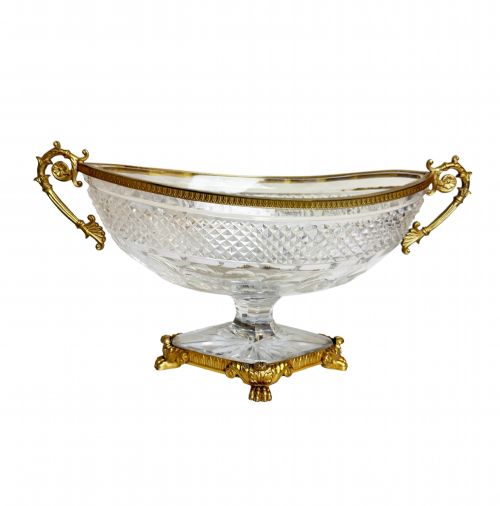


Bronze Vessel on Stand
A bronze vessel on stand combines metalwork with a fitted base, bringing sculptural presence and refined proportion to a room.
Bronze Vessel on Stand
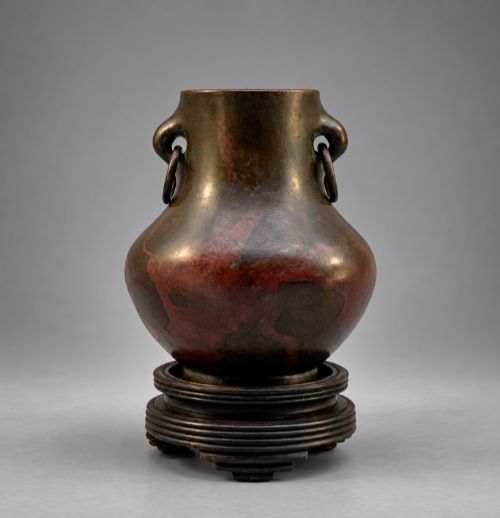
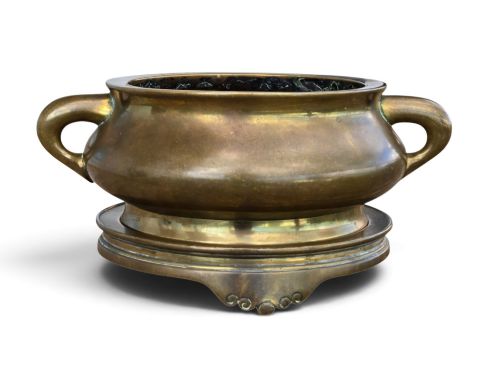
When you search for a bronze vessel on stand, you encounter ritual forms, decorative urns, and censers rooted in distinct cultural traditions. These pieces combine cast metal bodies with custom wooden pedestals, plinths, or frames designed to elevate the primary object. Chinese archaistic designs and Japanese Meiji period works appear alongside French nineteenth-century pieces.
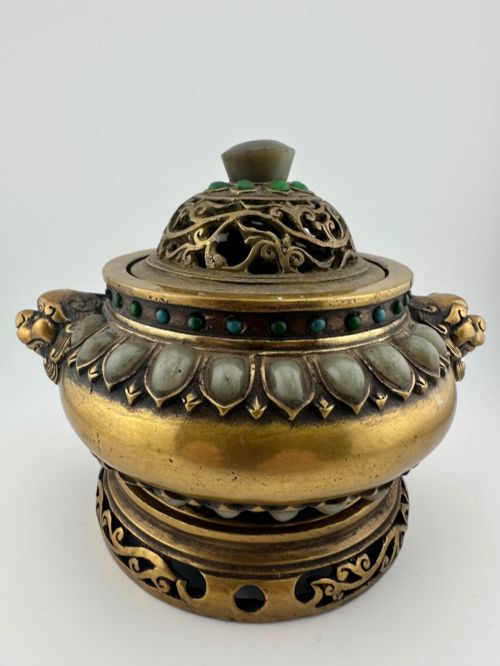
The domestic selection on this page relies heavily on censers, vases, and centrepieces created across several centuries. Many pieces incorporate organic elements such as hardstone inlay, jade finials, and carved zitan or hardwood stands. French examples introduce cut crystal and ormolu, widening the visual vocabulary beyond East Asian bronzes.
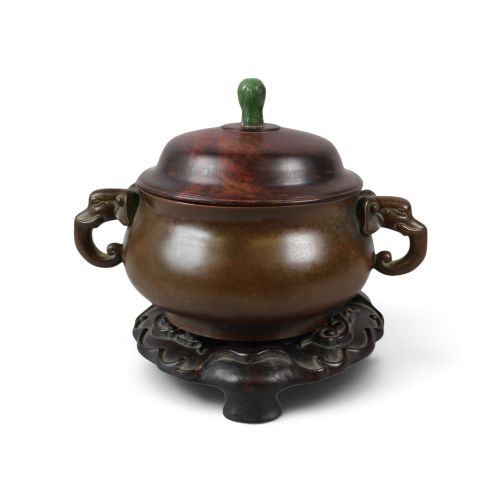
Earlier pieces from the Ming dynasty contrast with nineteenth-century productions through their weight, patination, and deliberate archaistic styling. Ritual vessels often retain elephant-head handles and archaic relief decoration modelled on ancient ritual bronzes. Each combination of vessel and stand reflects the aesthetic priorities of its period of origin.
Materials and construction methods
Makers cast these vessels using traditional bronze techniques, sometimes finishing surfaces with gilt or ormolu mounts. The metal body provides structural heft, seen clearly in massive ritual censers and smaller vases alike. In French and Asian workshops alike, metalworking required precise moulding and subsequent hand-finishing.
Stands and pedestals utilise dense timbers such as zitan wood or general hardwoods, carved specifically to match the footprint of the bronze. Inlaid elements introduce contrasting textures through jade and hardstone, while cut crystal pairs with gilt bronze in nineteenth-century European pieces.
Listings feature pieces spanning from the 16th century through to 1900, incorporating bronze, hardstone, jade, and zitan wood.
Assessing quality in bronze vessels
Quality depends upon the crispness of the cast and the integrity of the patination built up over time. Sculptural details like handles, finials, and surface relief show whether a maker worked with precision or relied on hurried production. Superior examples maintain balance between the vessel and its stand.
The relationship between the bronze body and its custom support determines the cohesion of the object. Period-matched stands made from dense timbers like zitan demonstrate superior integration compared to later replacements. Inlaid hardstones and jade finials further distinguish exceptional works from standard decorative pieces.
The Bronze Vessel on Stand Glossary
- Archaistic
- Describing a later piece that deliberately imitates the style, motifs, and forms of much older antiquities. This approach was particularly favoured in Chinese dynastic metalwork.
- Censer
- A vessel designed for burning incense, frequently fitted with a pierced cover and a dedicated stand. These objects form a significant portion of early metalwork.
- Ormolu
- Finely ground high-carat gold applied to bronze through a mercury-gilding process, common in nineteenth-century European decorative arts. It provides a bright, durable golden finish.
- Zitan
- A dense, heavy Asian hardwood prized for its dark colour and fine grain, frequently utilised for custom stands supporting ritual bronzes.
- Finial
- A decorative ornament attached to the top of a lid or cover, often carved from jade or hardstone on Asian censers.
Bronze Vessel on Stand: Frequently Asked Questions
What is a bronze vessel on stand?
A bronze vessel on stand refers to a cast metal container paired with a fitted wooden or metal base. These pieces range from ritual censers to decorative vases and centrepieces.
The inclusion of a stand elevates the vessel, creating a complete sculptural unit that protects furniture surfaces while framing the object.
How do I date a bronze vessel?
Dating relies on examining the casting technique, surface patination, style of decoration, and the materials used in the stand. Archaistic motifs often reference ancient dynasties while reflecting the manufacturing standards of later periods like the Ming or Qing.
Associated elements like zitan stands or jade finials offer additional chronological clues that align with specific centuries of production.
Where were these pieces made?
The pieces seen here originate from distinct regional traditions, predominantly across China and Japan, alongside nineteenth-century European workshops in France. Each region employed specific casting methods and stylistic conventions.
Asian pieces often draw on dynastic traditions, while European works reflect neoclassical or grand tour aesthetics of the 1800s.
How should I clean my bronze vessel?
Bronze requires minimal intervention to preserve its historic surface patination. Dusting with a soft, dry cloth is usually sufficient for regular maintenance.
Avoid chemical polishes or abrasive cleaners, as these strip away the natural oxidation and historical finish that accumulate over centuries.