


Chinese Qing Dynasty Carving
A chinese qing dynasty carving represents centuries of skilled craftsmanship in jade, hardwood, bronze, and stone, offering collectors tactile pieces of historical artistry.
Chinese Qing Dynasty Carving
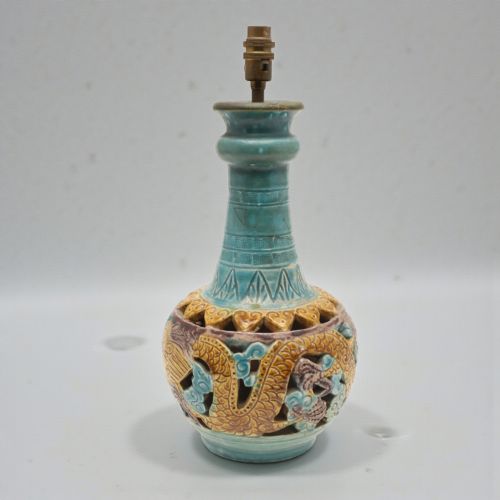
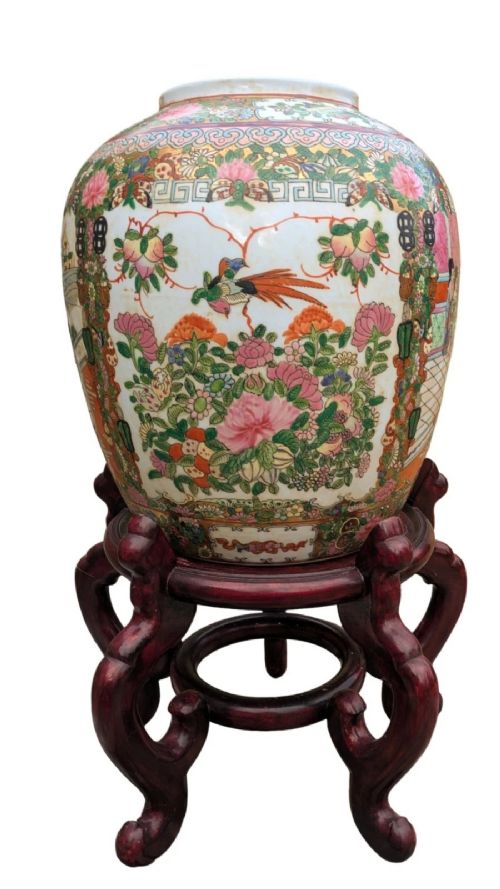
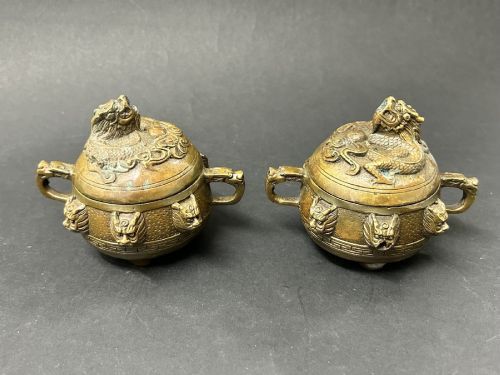
A chinese qing dynasty carving encompasses a diverse selection of decorative and functional objects produced during the Qing period and its immediate stylistic successors. Buyers encounter everything from small scholar's desk items in jade and amber to substantial hardwood furniture and bronze vessels.
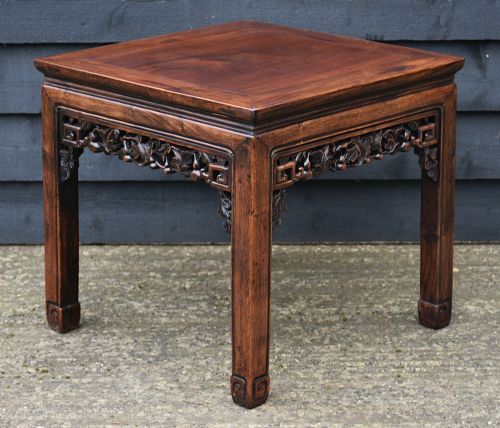
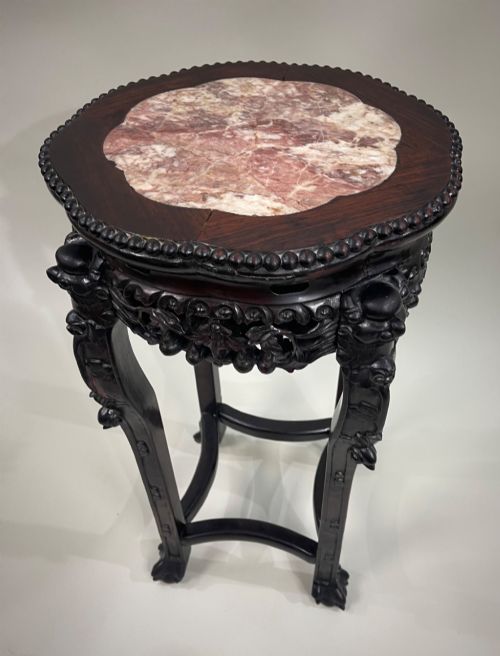
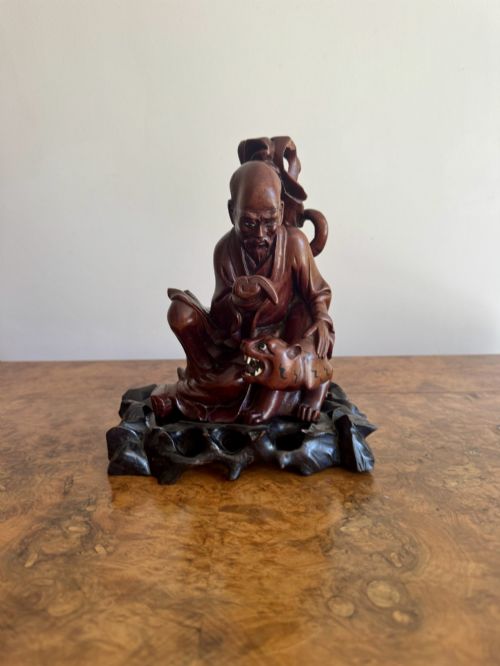
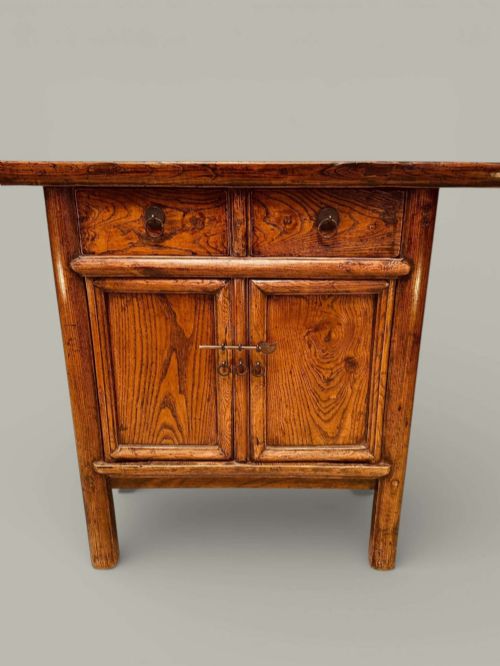
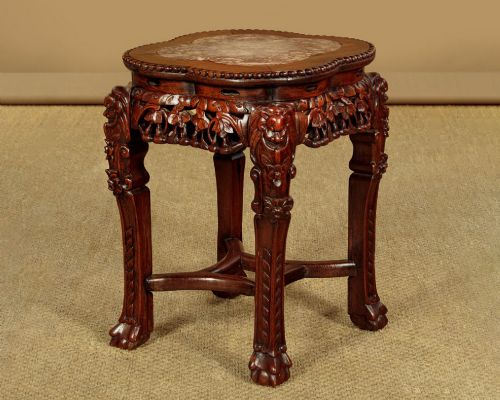
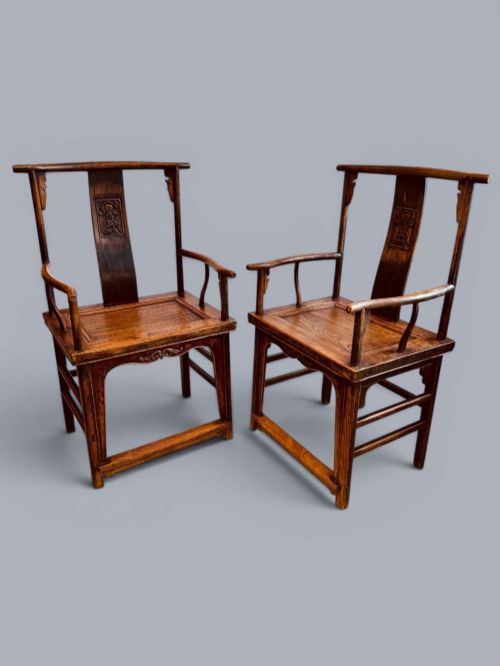
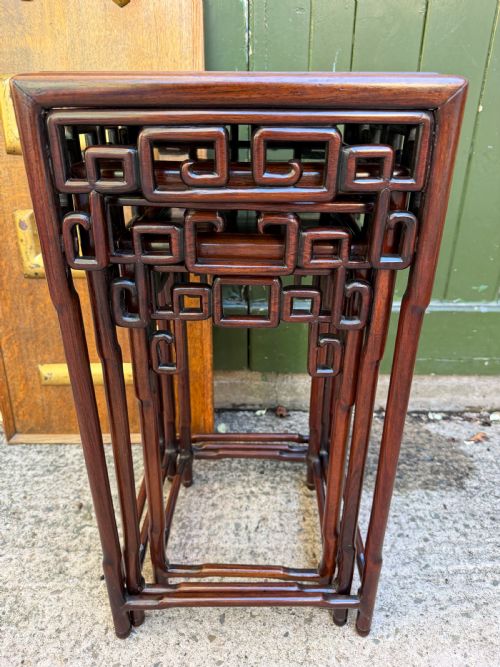
The selection frequently includes low tables, plant stands, and armchairs fashioned from dense tropical timbers alongside intricate figures of immortals, animals, and mythological beasts carved from semi-precious stones. These items bridge domestic utility and high-relief sculptural art.
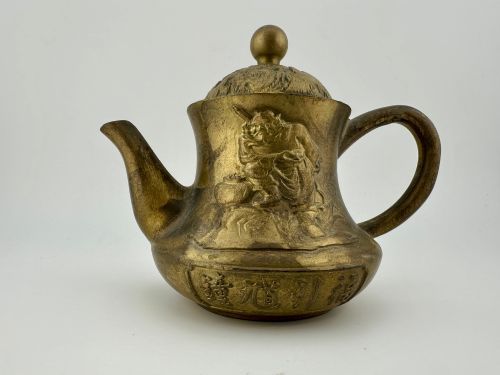
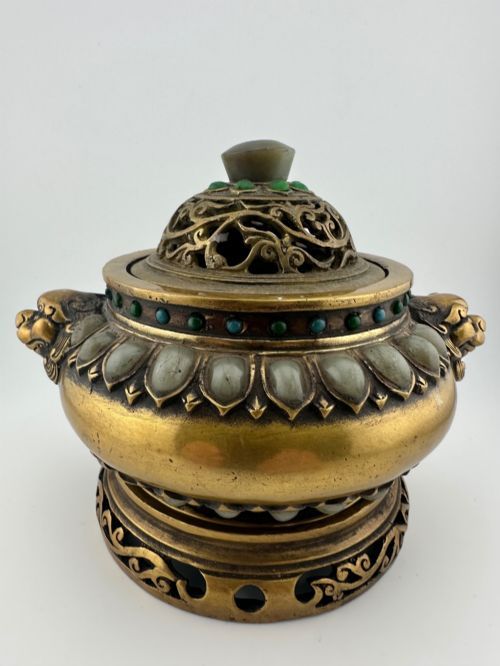
Originating largely from the nineteenth century through to the early twentieth century, these pieces reflect both traditional domestic tastes and objects tailored for the export market. The variety spans utilitarian containers like teapots and censers to purely ornamental statues.
How they were made
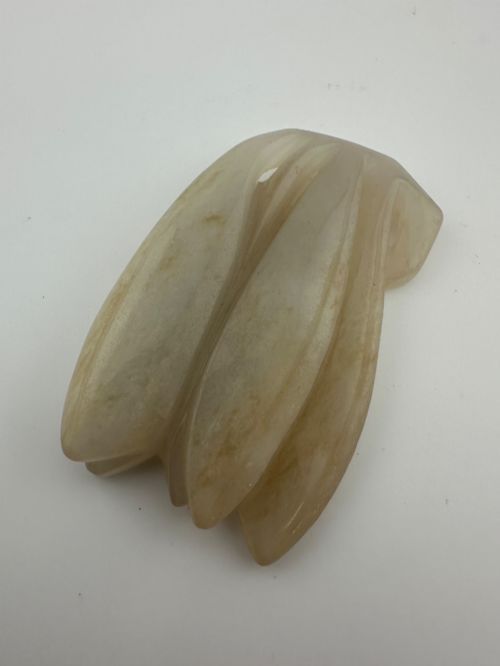
Makers utilised dense timbers such as rosewood and various oriental hardwoods for furniture and stands, employing complex joinery and deep relief carving to depict dragons, foliage, and figures. Hard stones like jade, soapstone, and rose quartz required painstaking abrasive grinding and polishing by hand.
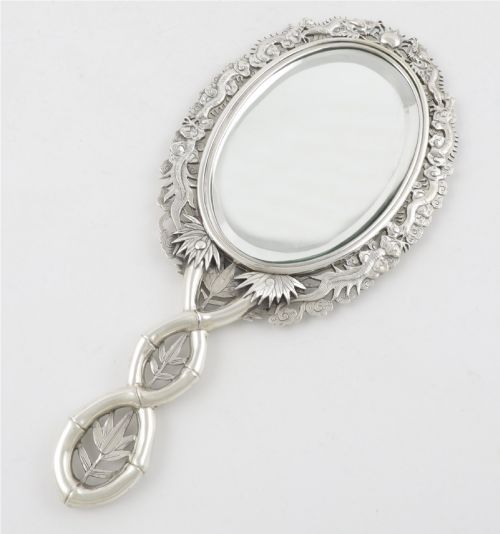
Metalworking techniques involved bronze casting, often finished with silver inlay or patination, alongside delicate work in silver for cases and gaming counters. Artisans combined organic materials including mother-of-pearl, tortoiseshell, and bamboo with structural woods.
Many objects feature multi-part construction, where intricately carved stone figures rest upon custom-fitted wooden stands designed specifically for the contours of the sculpture.
Chinese Qing Dynasty Carving Retail Price Guide 2026
Typical asking prices for chinese qing dynasty carving among the pieces listed under this phrase on Sellingantiques today, from the lower quarter to the upper quarter. They describe what is for sale here now, not the wider market.
Listings feature structural furniture items in elm and rosewood alongside delicate desk accessories fashioned from mother-of-pearl, jade, and coral.
What varies in quality
Material selection dictates much of the inherent value, distinguishing flawless translucent jade or heavy, well-patinated rosewood from ordinary timbers or lesser-grade soapstone. The integration of secondary elements, such as custom hardwood bases for stone carvings, also influences the overall cohesion of a piece.
The Chinese Qing Dynasty Carving Glossary
- Archaistic
- A design style that deliberately imitates the forms, motifs, and decorations of much older antiquities, particularly ancient bronzes or jades.
- Blanc-de-Chine
- A term for white porcelain produced in Dehua, Fujian province, known for its distinctive ivory or milk-white glaze.
- Opium table
- A low-profile wooden table designed for domestic use, frequently featuring elaborate carvings on the apron and legs.
- Ruyi sceptre
- A curved decorative talisman shaped like a lotus fungus, traditionally symbolising power and good fortune.
Chinese Qing Dynasty Carving: Frequently Asked Questions
How were these items used originally?
Many carved objects served functional roles in daily life, ranging from low tables and seating to writing accessories and storage boxes. Others were purely ornamental, intended for display within scholar's studios or reception rooms.
Religious and spiritual figures, such as depictions of Budai or Daoist immortals, often held symbolic meanings related to longevity, wealth, and harmony.
How do I care for hardwood and jade?
Hardwood furniture benefits from stable indoor humidity levels and occasional treatment with appropriate natural waxes to maintain the timber's surface. Avoid placing wooden pieces near direct heat sources.
Jade and other hard stone carvings require minimal maintenance beyond gentle dusting with a soft, dry cloth to protect their polished surfaces.
How can I tell the period of a piece?
Dating relies on examining the specific material characteristics, tool marks, and stylistic conventions associated with the nineteenth century or earlier transitional periods. Reign marks or seal marks, where present, offer additional chronological clues.
Comparing the wear patterns and construction methods to documented examples helps establish the likely era of manufacture.