





Chinese Porcelain Table
A chinese porcelain table typically brings together historic ceramic vessels and stands mounted for display, offering functional lighting or surface design rooted in centuries of craftsmanship.
Chinese Porcelain Table
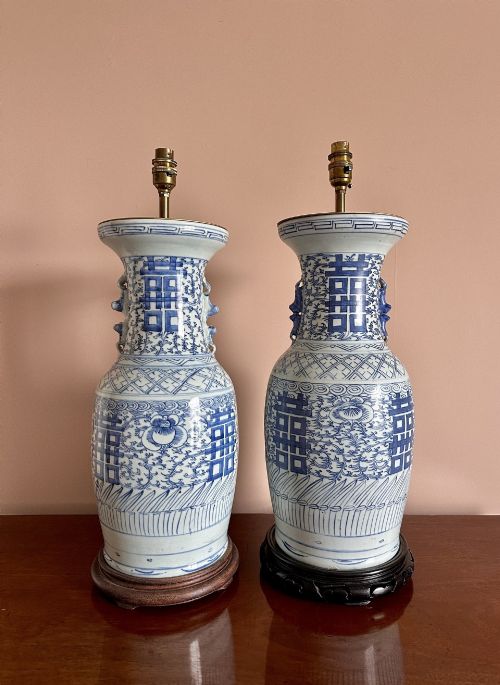
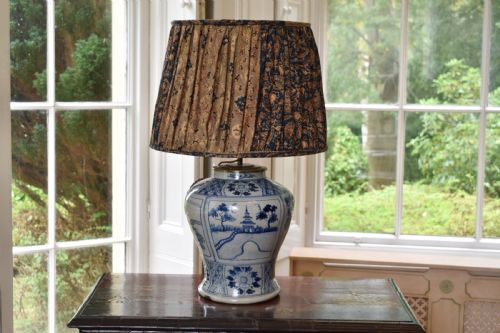
A chinese porcelain table arrangement often centres on transformed vases, ginger jars, and garden seats adapted as table lamps or mounted with ormolu, brass, and wood stands. These pieces span the seventeenth century through to the early twentieth century, encompassing Qing Dynasty production, export wares, and later European interpretations in Chinoiserie styles.
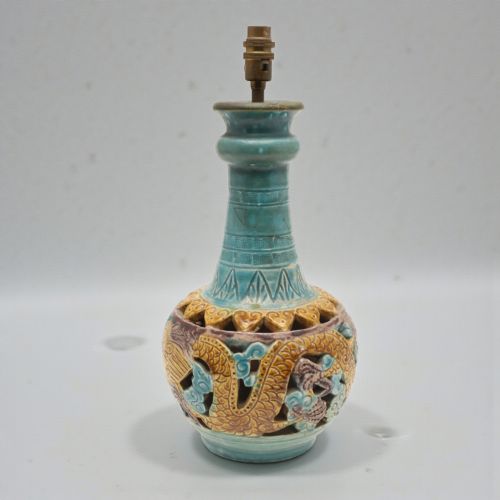
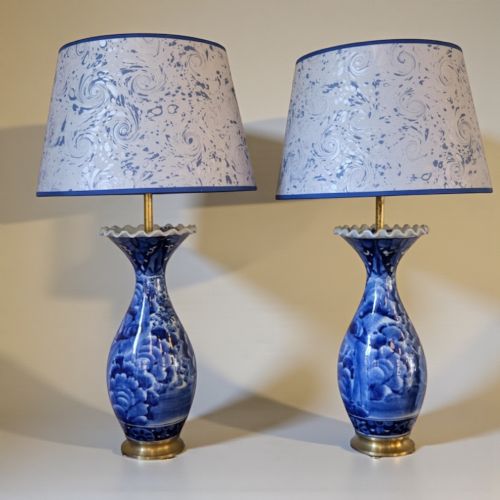
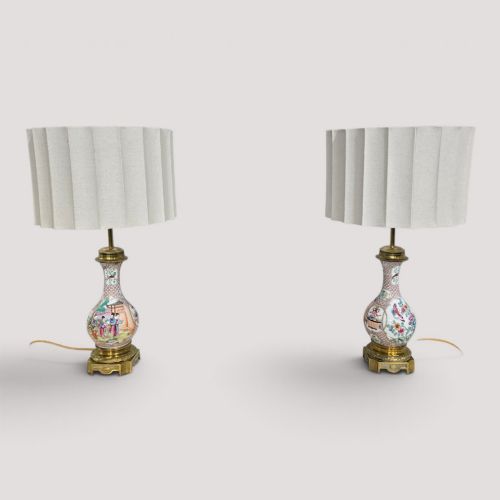
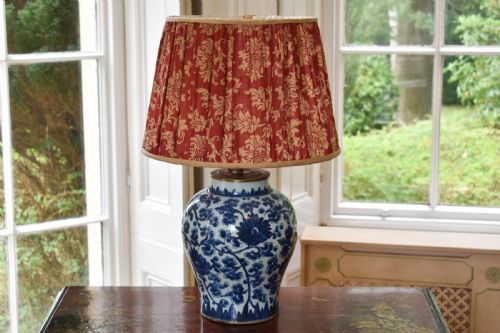
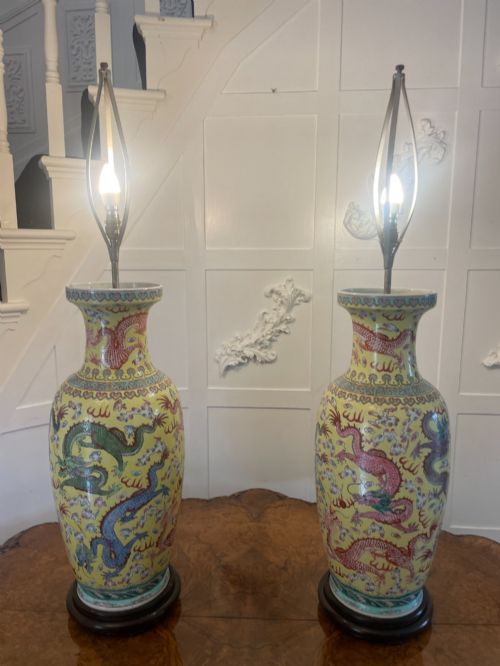
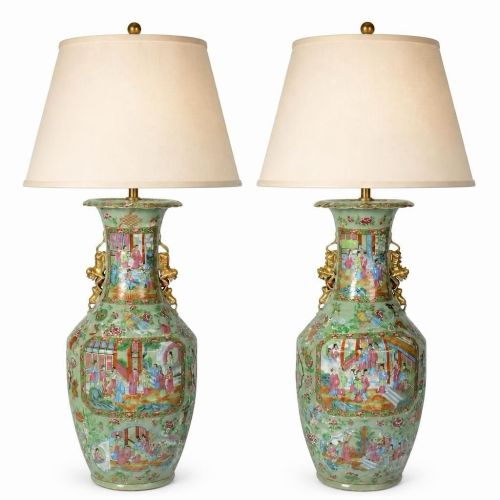
The most frequent encounter on this page is the nineteenth-century porcelain vase lamp, alongside blue and white jars, turquoise figural ceramics, and occasional side furniture featuring inset ceramic panels. Makers and workshops from various periods utilised traditional motifs like famille rose, famille verte, and celadon glazes to create decorative items that function within modern interiors.
Materials and Technique
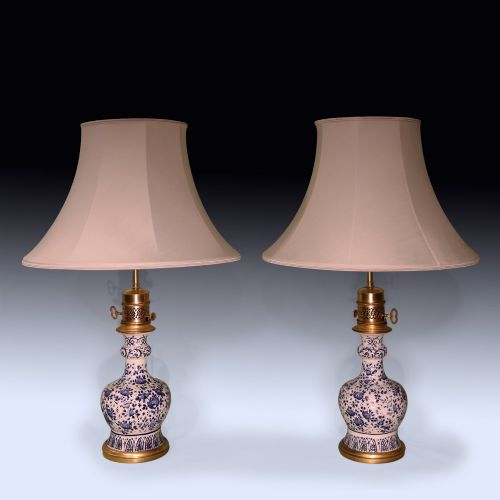
The foundation of these pieces lies in high-fired porcelain and ceramic bodies finished with coloured glazes, enamel pigments, and hand-painted blue and white designs. Artisans shaped vessels on the wheel or in moulds before applying intricate overglaze enamels and underglaze cobalt.
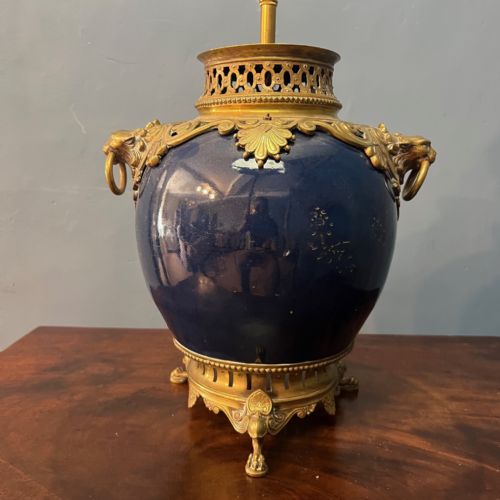
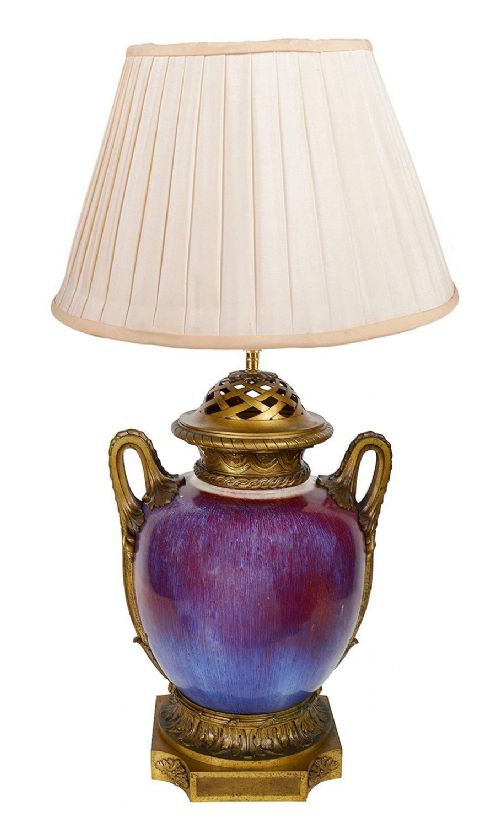
Metal mounts in brass, ormolu, and bronze frequently complement the ceramics, securing bases, rims, and electrical fittings added during later adaptations. Wood and fabric components further support lamp constructions and display stands.
Chinese Porcelain Table Retail Price Guide 2026
Typical asking prices for chinese porcelain table among the pieces listed under this phrase on Sellingantiques today, from the lower quarter to the upper quarter. They describe what is for sale here now, not the wider market.
Elephants and mythical beasts occasionally guard the tabletop as porcelain lamp bases.
Craftsmanship and Proportion
Quality separates through the crispness of the hand-painted detail, the depth and consistency of the glaze, and the harmony of the metal mountings. Superior examples display balanced potting, vibrant enamel work, and integration with bronze or ormolu hardware.
Condition of the ceramic body and the fidelity of period mounting methods dictate the standing of an item. Pieces retaining original patination on brass and ormolu without heavy alterations hold greater integrity.
The Chinese Porcelain Table Glossary
- Famille Rose
- A palette of opaque enamels dominated by pink or rose colours, introduced in the Qing Dynasty. It allows for subtle shading and detailed floral rendering.
- Famille Verte
- A transparent green-dominated enamel palette used extensively on porcelain. It frequently incorporates iron red, yellow, and blue pigments.
- Celadon
- A pale green jade-like glaze created by iron oxide in the reduction kiln. This finish has a long history in Chinese ceramic production.
- Cloisonne
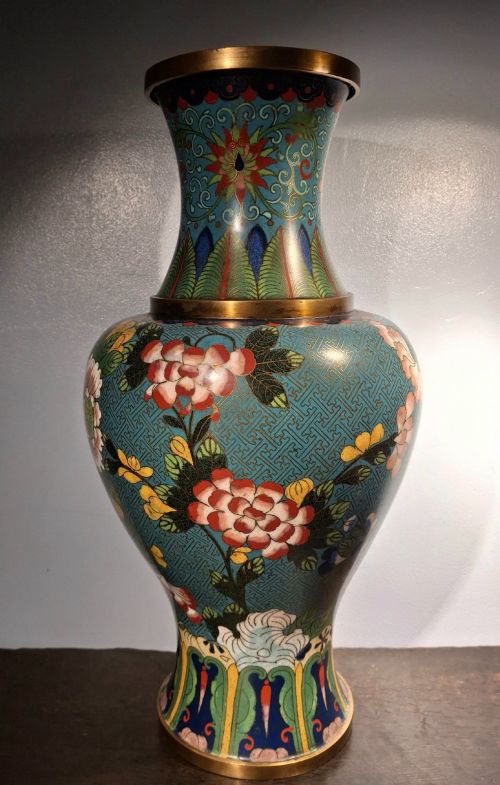
- A technique where enamel is applied within compartments formed by soldered metal wires on a base. It appears on both vessels and lamp bodies.
- Ormolu
- Gilt bronze mounts applied to furniture and porcelain bases. French and British makers utilised this technique extensively during the nineteenth century.
Chinese Porcelain Table: Frequently Asked Questions
What is a chinese porcelain table lamp?
These lamps are created by converting historic Chinese ceramic vessels, such as ginger jars and vases, into functional lighting fixtures. Many feature wooden bases and custom brass or ormolu hardware.
They bridge antique ceramic artistry with practical illumination, often retaining hand-painted blue and white, famille rose, or monochrome glazes from the eighteenth and nineteenth centuries.
How do I date these ceramics?
Dating relies on stylistic clues, glaze characteristics, and the physical properties of the porcelain body. Eighteenth-century pieces often show specific potting traits and pigment tones distinct from later nineteenth-century export wares.
Metal mounts and wiring also provide clues, as many vases were fitted for electricity during Victorian or early twentieth-century adaptations rather than their original period of manufacture.
Where should I place these lamps?
Their scale and decorative presence suit reception rooms, sideboards, and large side tables where the ceramic form can be appreciated. Neutral interiors allow the vibrant famille verte or celadon glazes to serve as focal points.
Pairing matching lamp bases on opposing furniture pieces creates symmetry, a traditional arrangement favoured in period interiors.
What does Chinoiserie mean?
Chinoiserie describes European artistic styles that reflect Chinese decorative motifs and techniques. This aesthetic influenced furniture and lighting design across the eighteenth and nineteenth centuries.
Pieces listed often combine genuine Chinese porcelain imports with European mounting styles, reflecting this cross-cultural exchange.