





Chinese Porcelain Figurine
A chinese porcelain figurine brings centuries of sculptural craft and vibrant glaze into a room, holding centuries of history in ceramic form.
Chinese Porcelain Figurine
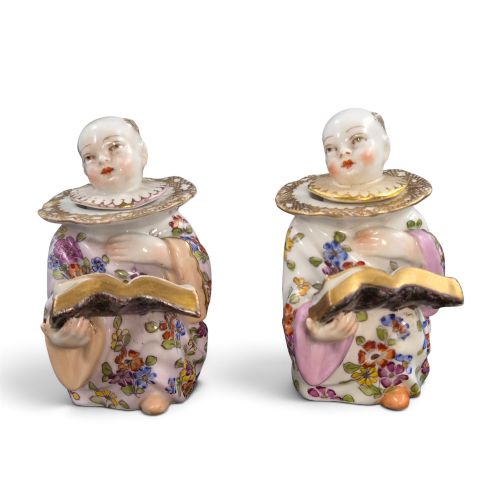
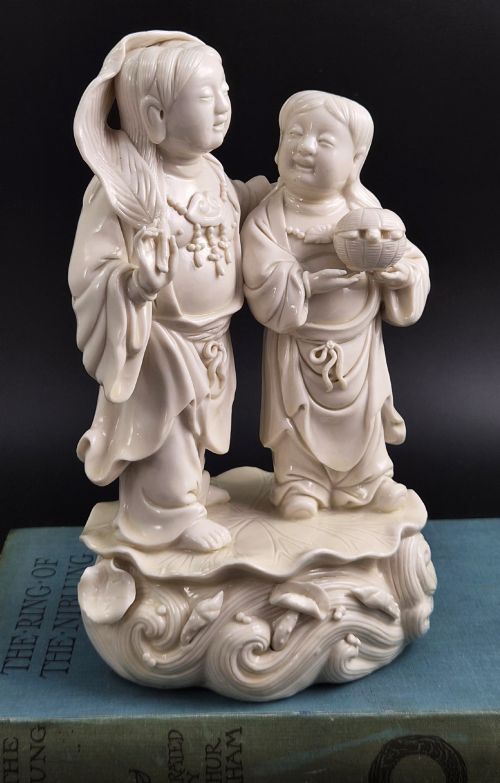
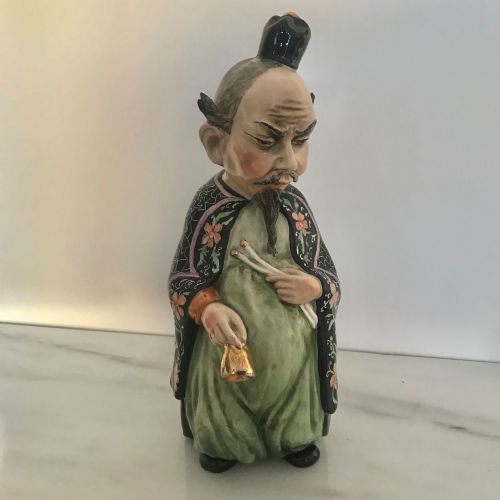
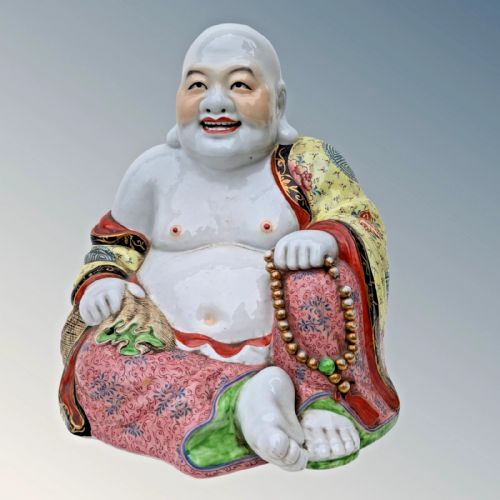
A chinese porcelain figurine represents human immortals, sacred deities, and lively animals rendered in ceramic by makers across the Qing Dynasty, Republic Period, and earlier aesthetic traditions. Collectors encounter figures ranging from blanc-de-chine deities and laughing Buddhas to pairs of cockerels, ducks, and turquoise-glazed apes.
The objects span devotional statues, decorative figures, figural inkwells, and incense holders created for domestic display and export markets. Many examples date from the nineteenth and early twentieth centuries, reflecting the enduring Western appetite for Eastern ceramic artistry.
Buyers meet diverse regional styles, from the creamy white wares of Dehua to the bright enamels of famille rose and famille verte palettes. These pieces function as focal points in traditional and modern interiors alike, bringing distinct colour and form to a mantelpiece or cabinet.
How They Were Made
Potters shaped these figures from fine porcelain, ceramic body, and earthenware, applying lead glazes, enamel colours, and sancai glazes before firing the pieces in kilns. Some works incorporate delicate gold leaf detailing or rest upon fitted wood bases.
Specialised workshops utilised hand-painting techniques to render the detailed robes of immortals, the feathered plumage of birds, and the expressive faces of deities and animals. The interplay of coloured enamels over white porcelain defined the visual depth of famille rose and famille verte output.
Chinese Porcelain Figurine Retail Price Guide 2026
Typical asking prices for chinese porcelain figurine among the pieces listed under this phrase on Sellingantiques today, from the lower quarter to the upper quarter. They describe what is for sale here now, not the wider market.
The listings feature works spanning the eighteenth, nineteenth, and twentieth centuries, utilising porcelain, earthenware, and wood.
What Varies in Quality
Quality rests in the precision of the modelling and the crispness of the facial expressions, where master modellers achieved lifelike postures and distinct character in human and animal subjects alike. Firings that produced smooth, even glazes without surface distortion separate superior examples from standard production pieces.
The nuance and brushwork of the enamel decoration dictate the artistic merit of painted figures, with finely delineated robes and plumage marking the upper tier of output. The survival of delicate attachments, such as fish baskets or movable elements, also influences the integrity of the piece.
Edmé Samson·Zhu Mao Ji
The Chinese Porcelain Figurine Glossary
- Blanc-de-chine
- A French term for white porcelain produced at Dehua in Fujian province, known for its milky ivory glaze. This material was widely used for figures of Guanyin and other deities.
- Famille rose
- A palette of opaque pink and red enamel colours introduced to Chinese ceramics during the Qing Dynasty. It allowed for subtle tonal gradations in figure painting.
- Famille verte
- A green-dominant enamel palette characteristic of Qing ceramics, featuring vibrant emerald and yellow hues. It brings a bright polychrome finish to animal and human figures.
- Sancai
- A three-colour lead glaze tradition featuring amber, green, and creamy white tones. Potters applied these glazes to decorative figures and vessels in styles recalling earlier dynasties.
- Qing Dynasty
- The final imperial dynasty of China, spanning from sixteen forty-four to nineteen twelve. Much of the surviving figural porcelain dates from the later decades of this era.
Chinese Porcelain Figurine: Frequently Asked Questions
What do these figures represent?
Many depict traditional figures from Chinese mythology and religion, including immortals, Buddha figures, and protective animals such as foo dogs and cockerels.
Other pieces take the form of utilitarian objects like inkwells or incense holders, blending sculpture with daily function.
How do I identify a period?
Dating relies on stylistic markers, glaze characteristics, and the handling of the ceramic body across different imperial and republican eras.
Nineteenth-century works often display rich famille rose enamels or turquoise monochrome glazes, while earlier pieces show distinct Dehua or Ming-style traits.
Where should I display them?
These figures suit tabletops, mantelpieces, and enclosed display cabinets where their colours and forms can be appreciated up close.
Sturdy wooden bases often support figures, providing stability when placed on flat surfaces around the home.
Are pairs common?
Makers frequently produced figures in matching pairs, particularly birds such as cockerels and ducks, as well as immortals and boys.
Pairs offer symmetrical display options for furniture arrangement and mantel decoration.