





Famille Rose Figure
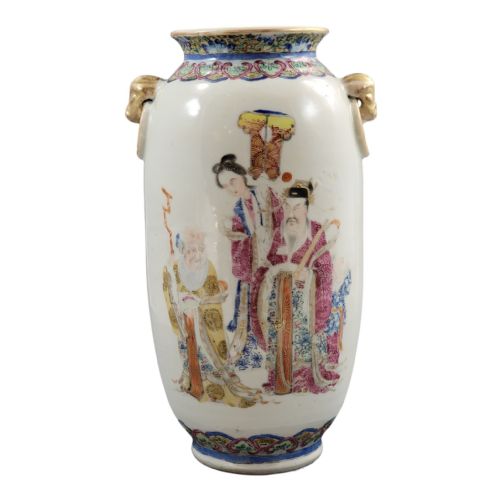
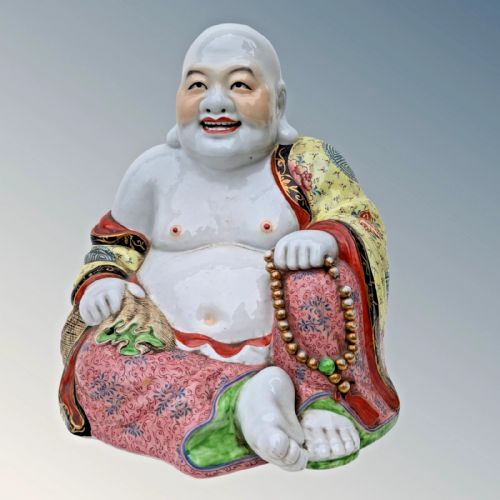
A famille rose figure brings vibrant enamelled colour and detailed narrative to a room, showing characters from history and folklore.
Famille Rose Figure
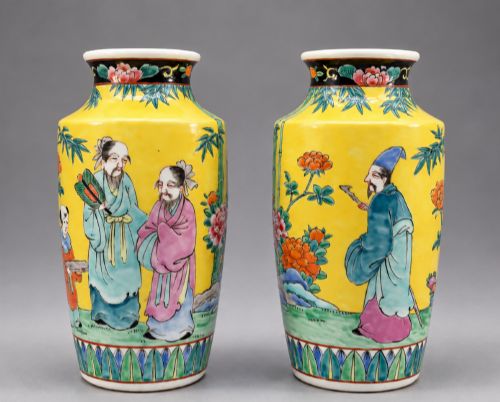
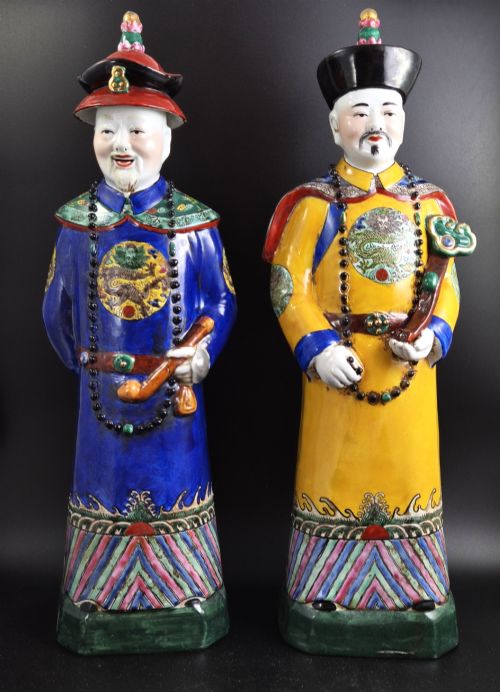
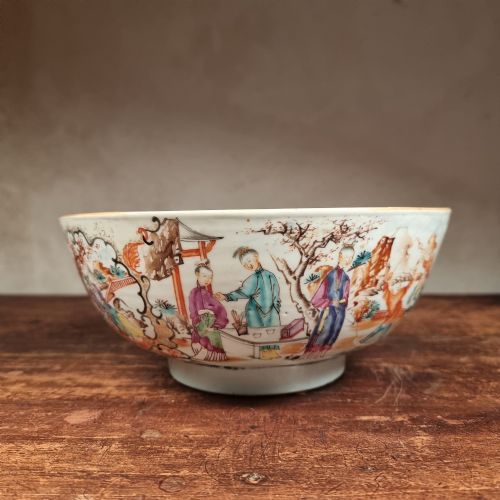
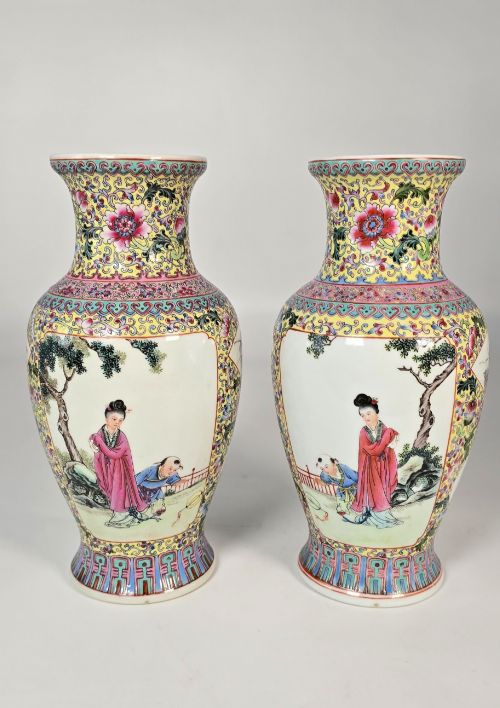
Most examples you meet on this page date from the nineteenth century or the twentieth century, including Republic Period works and later twentieth-century interpretations. These range from substantial standing sculptures to smaller snuff bottles and ceramic figures designed for display. Alongside dedicated porcelain figures, the category encompasses vases, bowls, and brush pots adorned with figural scenes.
Makers and artists range from anonymous workshops to signed pieces from specific periods like the Qianlong reign or later twentieth-century names such as Zhu Mao Ji and Gao Hengsheng. Subjects often carry symbolic meaning, representing longevity, prosperity, and spiritual attainment through traditional iconography.
Materials and Techniques
Potters shaped the base forms using ceramic and porcelain before applying various glazes and enamel finishes. The characteristic palette relies upon overglaze enamel and enamel glaze, producing soft pinks and opaque tones that distinguish the palette from earlier green-dominant wares.
Many items incorporate additional detailing such as gold leaf highlights and brass elements, particularly on lamps and mounted figures. Jingdezhen remained a central production hub, where skilled artisans painted intricate robes, facial expressions, and narrative scenes directly onto the fired body before a secondary low-temperature firing.
Famille Rose Figure Retail Price Guide 2026
Typical asking prices for famille rose figure among the pieces listed under this phrase on Sellingantiques today, from the lower quarter to the upper quarter. They describe what is for sale here now, not the wider market.
Listings feature materials spanning porcelain, enamel, gold leaf, and brass across periods from the eighteenth century to the mid-twentieth century.
Assessing Quality
The sophistication of the narrative or mythological scene also marks the distinction between standard production and exceptional work. Finer figures possess greater anatomical realism and clarity in the porcelain body, whereas lesser examples show thicker potting and simpler brushwork.
Zhu Mao Ji·Gao Hengsheng·Fujian Huiguan
The Famille Rose Figure Glossary
- Famille Rose
- A palette of opaque overglaze enamels introduced in the Qing Dynasty, distinguished by its use of pink and rose colours. The style allowed for subtle shading and detailed pictorial representation.
- Qianlong Period
- An era of the Qing Dynasty associated with technical excellence and refined porcelain production. Pieces from this time often exhibit exceptional control of enamel and gilding.
- Republic Period
- A twentieth-century era of Chinese porcelain manufacture following the fall of the empire. Works from this time often feature artist signatures and innovative approaches to traditional themes.
- Luohan
- An enlightened follower of Buddha, frequently depicted in art with distinct ascetic or contemplative attributes. These figures appear regularly in antique Chinese porcelain.
- Bitong
- A cylindrical brush pot used by scholars for holding writing implements. They are frequently decorated with narrative scenes rendered in famille rose enamels.
Famille Rose Figure: Frequently Asked Questions
What is a famille rose figure?
A famille rose figure is a ceramic or porcelain sculpture decorated with opaque overglaze enamels featuring a dominant pink or rose palette. These pieces depict deities, immortals, emperors, and mythical characters from Chinese tradition.
They were created as decorative objects, symbols of prosperity, or items for scholar's desks and domestic display. The tradition spans from the eighteenth century through the Republic Period and into the twentieth century.
How do I identify a Qing Dynasty piece?
Qing Dynasty pieces are identified through their porcelain body, enamel characteristics, and stylistic conventions associated with reigns such as the Qianlong period. Examination of the base, potting thickness, and wear on the glaze provides further clues.
Marked pieces may carry factory marks or hall marks that connect them to specific regions like Jingdezhen or specific workshops. Comparing the painting style with dated examples helps confirm the period.
Who are the subjects shown on these figures?
Common subjects include immortals such as Shoulao and Magu, laughing Buddhas, ascetics like Luohans, and auspicious boys. Each figure carries specific attributes that convey wishes for longevity, good fortune, and wisdom.
Scholars and officials also appear frequently, reflecting traditional values of learning and civil service. These characters were central to Chinese popular religion and folklore.
How should I display porcelain figures at home?
Porcelain figures benefit from stable placement away from high-traffic edges where they might be knocked or displaced. Adequate lighting enhances the fine detail of the overglaze enamels and gold leaf.
Keep them out of direct sunlight to protect the surface colours over time. Cleaning requires only a soft, dry cloth to remove dust without abrasive agents.
What is the difference between Republic Period and Qing figures?
Qing Dynasty figures generally reflect imperial or traditional workshop standards with emphasis on formal iconographic conventions. Republic Period pieces often show individual artist signatures and stylistic influences from early twentieth-century painting.
The porcelain body and enamel textures also shift over time, with Republic wares displaying different potting qualities and distinct modern palettes while continuing traditional subjects.