


Chinese Pith Paper Art
Chinese pith paper art offers a delicate glimpse into historical export trade work, prized for its vivid pigments and fragile botanical support.
Chinese Pith Paper Art
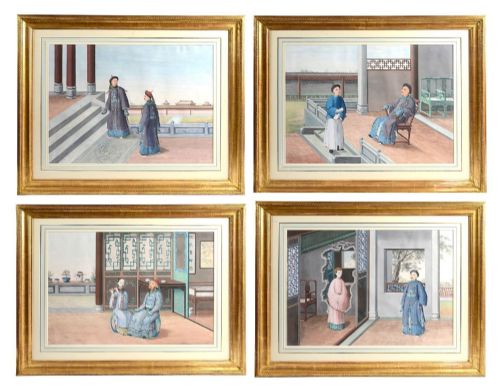
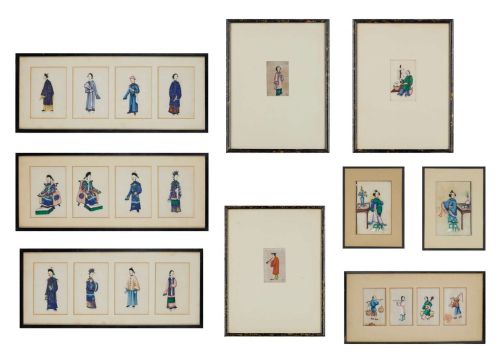
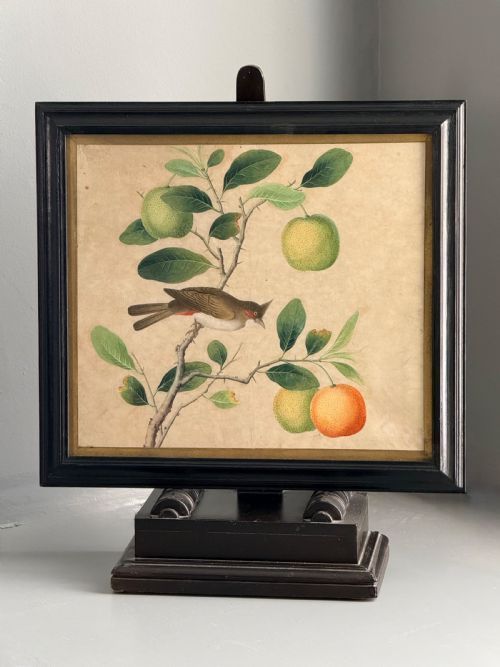
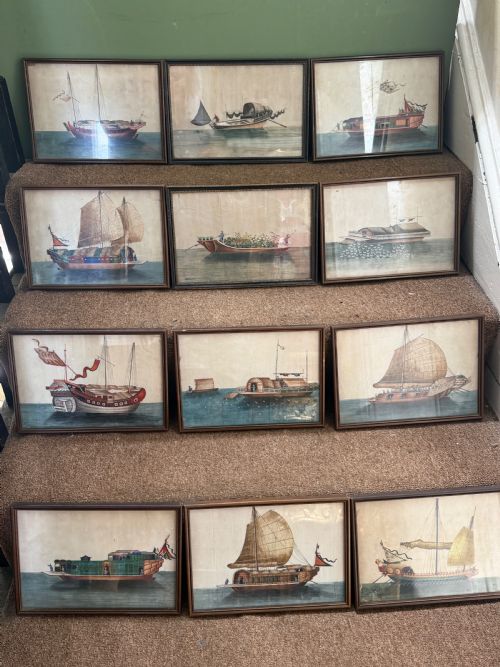
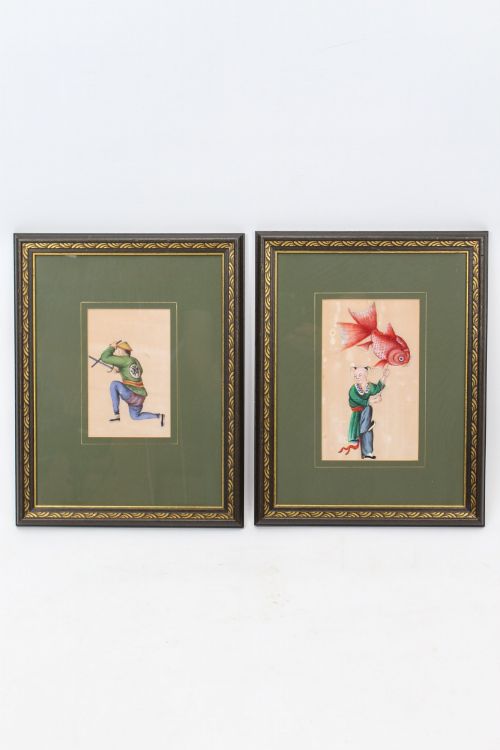
Chinese pith paper art comprises fragile hand-painted works created primarily during the 19th century for the Western export market. These delicate watercolours and gouache paintings capture scenes ranging from figural studies and botanical subjects to detailed depictions of junks and other ships.
Collectors frequently encounter sets of these paintings mounted in frames, often originating from Canton. The medium itself derives from the spongy interior of the Tetrapanax papyrifer plant, yielding a distinctive textured surface that absorbs vibrant pigments rather differently than standard European paper.
How they were made
The delicate support material is sliced from the pith of the rice paper plant, creating a soft, velvety sheet that resembles felt rather than traditional paper. Artisans then applied opaque gouache and watercolour paints directly onto this porous surface.
Many of these works are housed behind glass within wooden frames, occasionally accented with gilt wood to protect the fragile organic material from moisture and handling. The interaction between water-based pigments and the spongy pith produces a characteristic velvety depth.
Victorian travellers often tucked these delicate butterfly paintings into travel trunks, accidentally inventing the ultimate fragile holiday souvenir.
What varies in quality
The refinement of the brushwork and the complexity of the composition largely distinguish standard export pieces from finer works. Detailed figural groupings, elaborate butterfly and insect studies, or complete sets demonstrate superior artistic execution.
Condition also plays a significant role, as the organic pith substrate is prone to splitting, fading, or water damage over time. Well-preserved surfaces retain their original brilliance and structural integrity within their period frames.
The Chinese Pith Paper Art Glossary
- Pith paper
- A delicate material sliced from the cellular interior of the Tetrapanax papyrifer plant. It possesses a spongy, velvety texture well-suited to absorbing rich water-based pigments.
- Gouache
- An opaque water-based paint composed of pigment, a binding agent, and inert white material. It provides the dense, vibrant colour fields seen on many export paintings.
- Chinese Export
- Art objects manufactured in China specifically for Western markets from the 18th through the early 20th century. These pieces often blend Eastern subjects with Western framing or compositional preferences.
- Canton
- A major Chinese port city that served as the primary hub for the production and export of art and goods to foreign merchants. Much of the surviving pith art originates from workshops in this region.
Chinese Pith Paper Art: Frequently Asked Questions
What is pith paper made from?
Pith paper is sliced directly from the spongy interior pith of the Tetrapanax papyrifer shrub, commonly called the rice paper plant. The resulting sheet has a soft, cushiony texture that absorbs water-based paints with exceptional brilliance.
Because the material is entirely natural and plant-based, it differs fundamentally from pulped wood or rag papers used in European artwork of the same era.
How should I display pith paintings?
These delicate works require protection behind glass to prevent physical damage to the fragile pith substrate. Keep them away from direct sunlight and areas prone to humidity fluctuations to preserve the stability of the gouache pigments.
Proper framing with adequate spacing between the art and the glass ensures the surface does not adhere to the glazing over time.
When were these paintings created?
The vast majority of surviving Chinese pith paper art dates from the 19th century, particularly during the Qing dynasty export period. Production catered heavily to Western visitors and traders seeking portable souvenirs of China.
Examples range from the Regency era through the late 19th century, reflecting evolving tastes in foreign trade subjects such as flora, fauna, and shipping.