
Chinese Oriental Antiques
Chinese oriental antiques encompass centuries of artistic creation, bringing bronze vessels, carved jade, and delicate porcelain into your home.
Chinese Oriental Antiques
Chinese oriental antiques span domestic utensils, scholar’s desk items, and large decorative objects produced across multiple imperial dynasties and later periods. Collectors search for these pieces to acquire tangible examples of traditional craftsmanship, such as bronze censers, blue and white porcelain vases, and carved hardwood furniture.
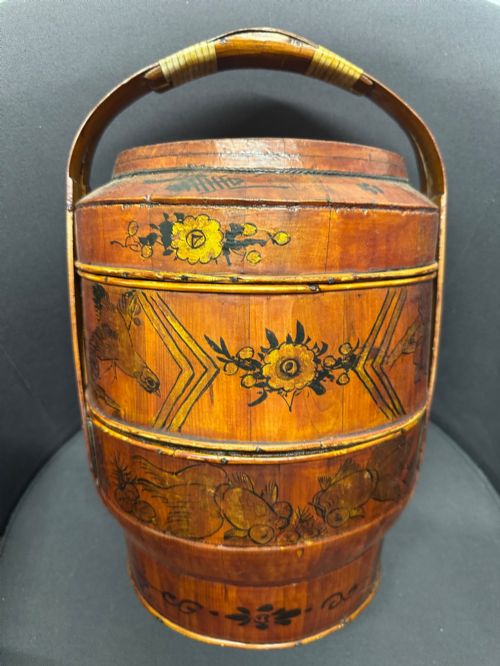
The objects most frequently encountered on this page originate from the Qing dynasty and the nineteenth century, alongside earlier Ming pieces and later revival styles. Forms range from ritual tripod vessels and travelling eating sets to pith paintings and decorative bowls.
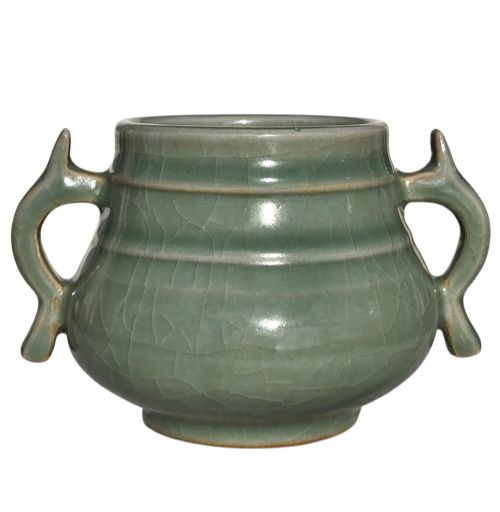
Vessels designed for burning incense, holding water for calligraphy brushes, or displaying scholarly items dominate the selection. Buyers encounter both utilitarian domestic objects and purely ornamental sculptures fashioned from bronze, porcelain, and stone.
Materials and Construction
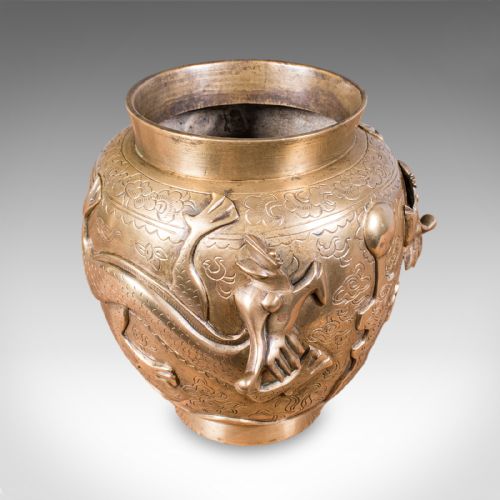
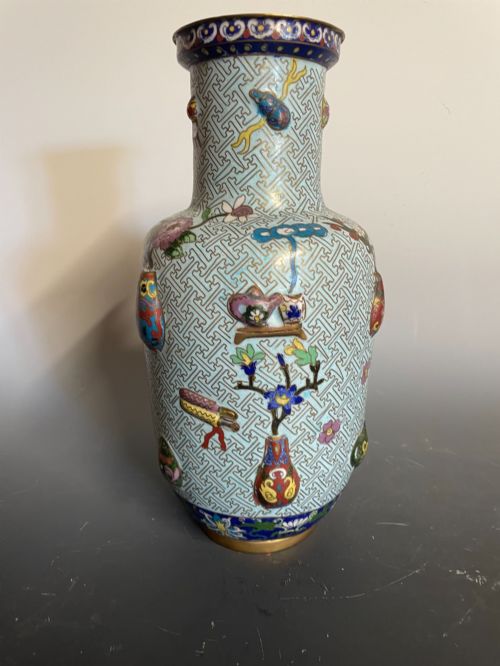
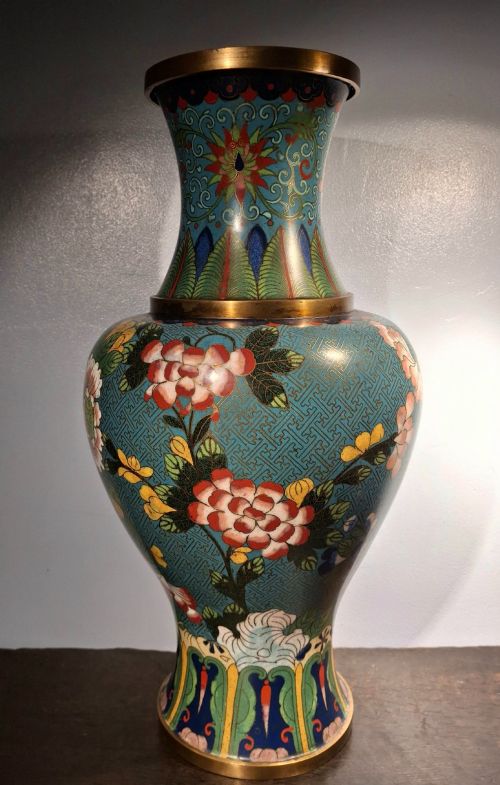
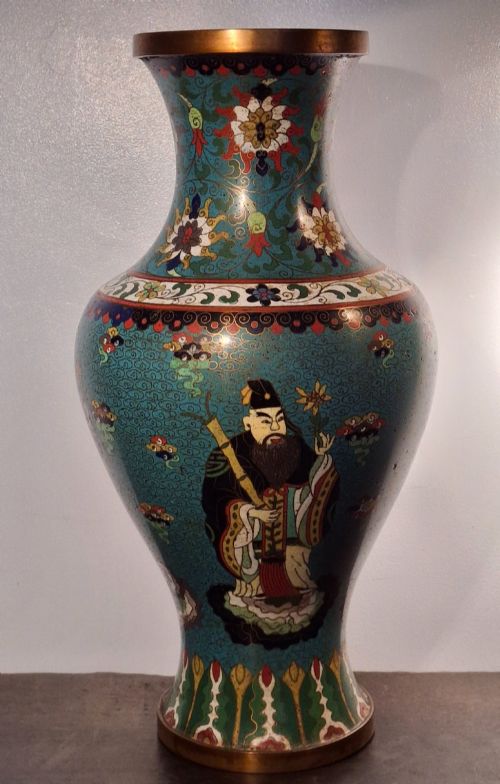
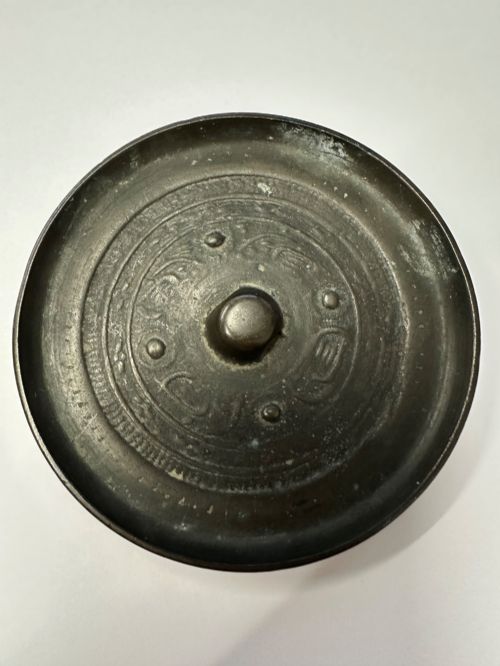
Metals form a central pillar of the inventory, utilising bronze, brass, and white metal cast into tripod censers, mythical beasts, and vessels with intricate relief decoration. Artisans applied patination, gilding, and champlevé or cloisonné enamel to enrich the metallic surfaces.
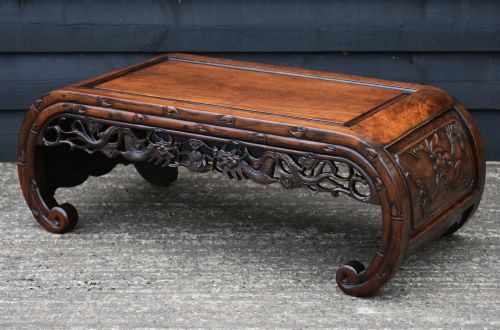
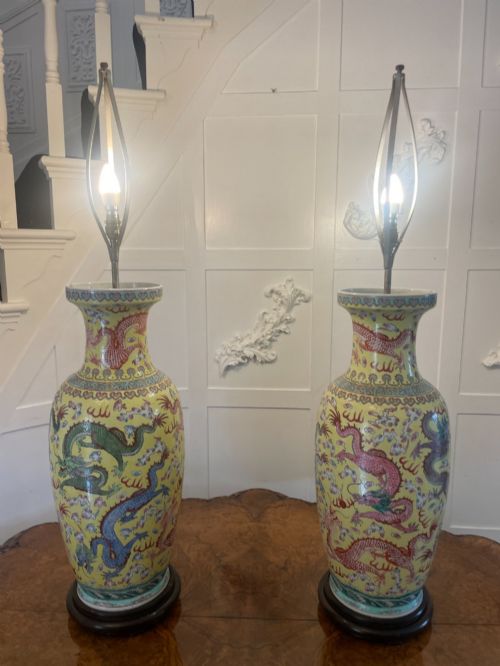
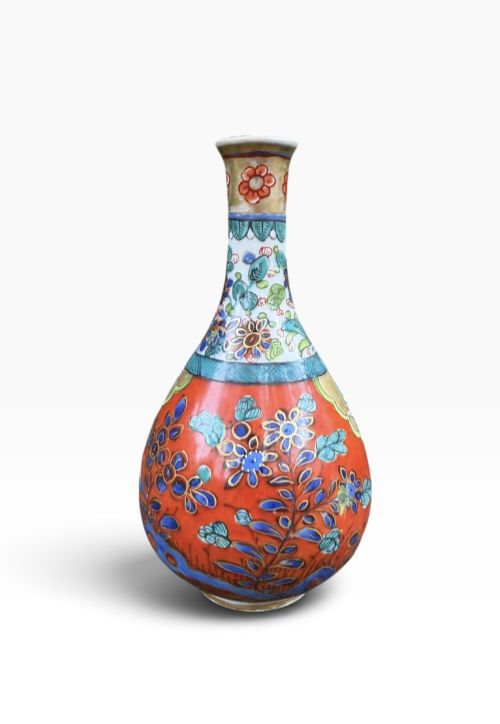
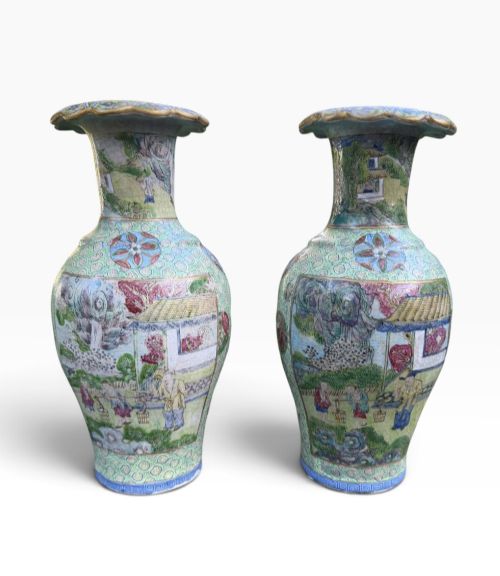
Carvers shaped organic and mineral materials including hardwoods, bamboo, soapstone, jade, and rose quartz into detailed figures, display cabinets, and brush washers. Ceramic works combine porcelain and pottery bodies with blue and white pigments, Sancai glazes, and famille rose enamels.
A bronze pigeon pair sits quietly among the temple censers and mythical beasts, waiting to survey the scholar's desk.
Distinctions in Quality
Superior examples display precise, deep carving and controlled casting that retain crisp details on dragon motifs, taotie masks, and floral borders. Lower tiers show softer lines, shallower relief, and less disciplined surface finishing.
The integration of materials dictates distinction, visible in the harmony between a carved stone figure and its fitted wooden stand, or the exactness of cloisonné wirework across a bronze vessel. Pigment application in porcelain and watercolours separates standardised commercial output from pieces executed with greater artistic care.
The Chinese Oriental Antiques Glossary
- Censer
- A vessel designed for burning incense, frequently supported on three legs and fitted with a pierced cover. These objects served both ritual and domestic functions in traditional settings.
- Cloisonne
- A metalwork technique where fine wires form raised barriers on a surface, creating compartments filled with enamel paste before firing. This method produces vibrant, patterned designs across bronze bases.
- Taotie
- A stylized zoomorphic mask motif featuring prominently on archaic and archaistic bronze vessels. The design draws from ancient ritual art traditions.
- Pith paper
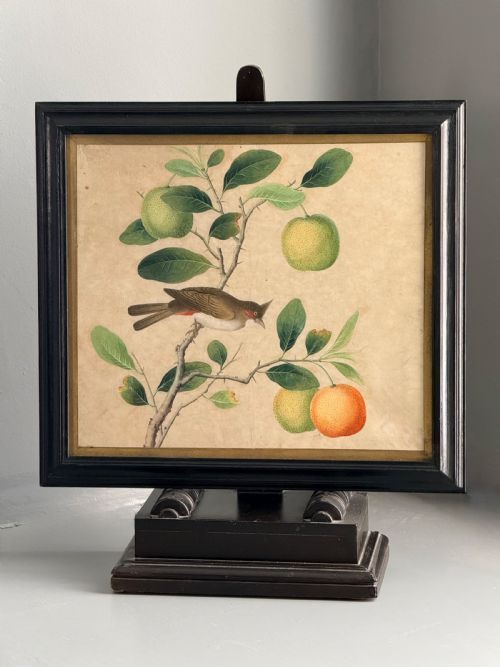
- A delicate material prepared from the pith of the Tetrapanax papyrifer plant, utilised for botanical and figural watercolours during the nineteenth century. Paintings on this medium require careful handling due to its fragile nature.
- Famille rose
- A palette of opaque overglaze enamels dominated by pink or rose colours, introduced to Chinese porcelain production during the Qing dynasty. This technique allowed for nuanced tonal shading in floral and figural scenes.
Chinese Oriental Antiques: Frequently Asked Questions
How do I care for carved hardwood and jade?
Carved hardwood and jade pieces require stable indoor humidity levels and protection from direct sunlight to prevent timber splitting or stone stress.
Dusting should be performed gently with a soft dry cloth, avoiding harsh chemical polishes or excessive moisture.
What is a scholar's desk group?
A scholar's desk group comprises utilitarian implements used by traditional literati for calligraphy, painting, and contemplation.
These collections typically include brush washers, wrist rests, inkstones, and small carved figures made from soapstone, jade, or bronze.
How do I identify Qing dynasty porcelain?
Qing dynasty porcelain is identified through stylistic markers such as cobalt blue underglazes, famille rose enamels, and specific potting characteristics.
Many pieces feature underglaze blue or iron-red reign marks on the base, though these often reference earlier emperors as a sign of respect.