

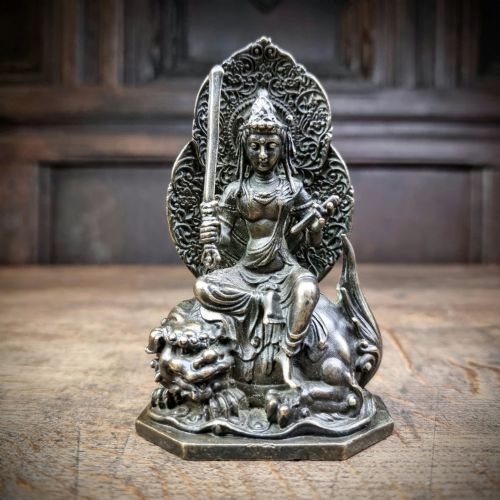


Chinese Metalwork Figure
A Chinese metalwork figure brings tangible weight and historic narrative to a room, ranging from placid scholars to striding beasts.
Chinese Metalwork Figure
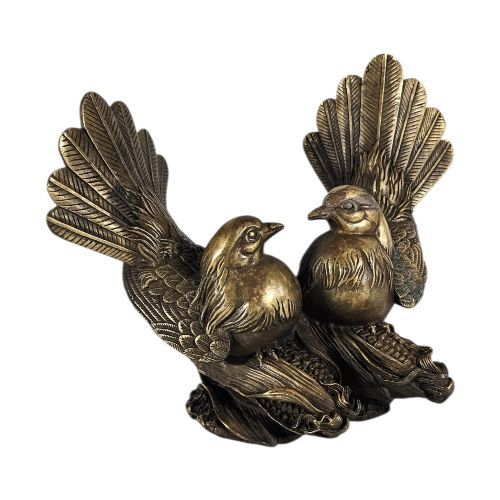
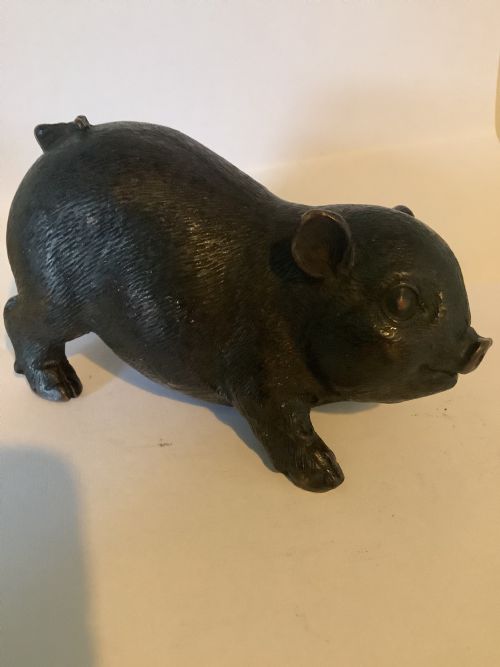
A Chinese metalwork figure encompasses cast and worked sculptures shaped as animals, immortals, and deities originating from various imperial and republican periods. Buyers encounter domestic animals like pigs, water buffalo and horses alongside cranes, quails, and temple lions.
Most examples found here date from the nineteenth and early twentieth centuries, reflecting Qing Dynasty output and subsequent republican work. Forms range from small desk paperweights and scroll weights to imposing pairs of birds and animals intended for display.
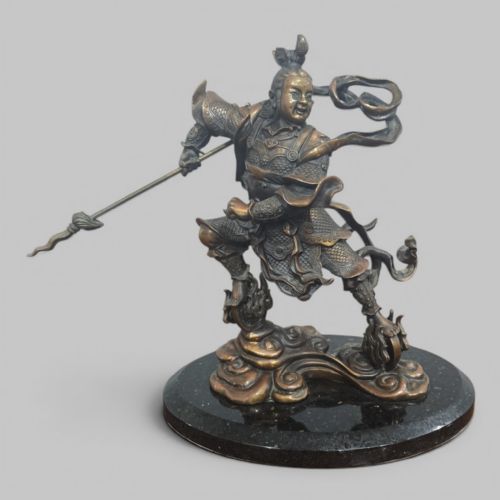
Human subjects include scholars, laughing buddhas, immortals, and figures such as Guanyin and Ne Zha. These sculptures vary significantly in scale, from small handheld bronzes to large architectural pairs.
Materials and Construction
Metalwork pieces rely primarily on bronze and brass, shaped through casting techniques that capture fine details in robes, feathers, and manes. Gilded bronze and gilt bronze surfaces appear on temple figures, adding a reflective finish to sacred subjects.
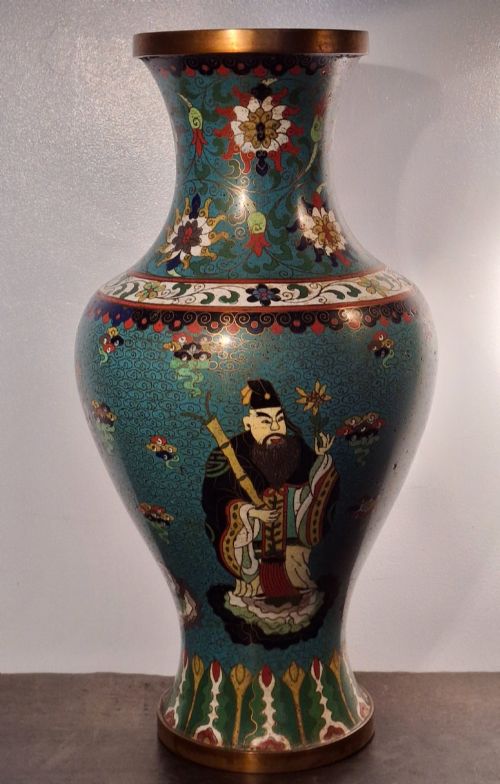
Cloisonné enamel introduces vibrant colour through wirework cells soldered to metal bases and filled with vitreous paste before firing. Certain figures incorporate mixed media elements, pairing metal components with wood or marble bases.
Chinese Metalwork Figure Retail Price Guide 2026
Typical asking prices for chinese metalwork figure among the pieces listed under this phrase on Sellingantiques today, from the lower quarter to the upper quarter. They describe what is for sale here now, not the wider market.
Current listings feature materials including bronze, brass, copper, cloisonné enamel, wood, and marble across the nineteenth and early twentieth centuries.
Judging Quality and Execution
The refinement of the casting and the crispness of the chasing separate superior examples from simpler production. Masterful finishing preserves sharp anatomical details in animals and subtle expressions in human faces.
Surface treatment and patination dictate visual depth, whether through smooth aged bronze, well-preserved gilding, or evenly fired cloisonné enamel cells. The presence of paired elements or integrated wooden mounts also influences the cohesion of the piece.
The Chinese Metalwork Figure Glossary
- Bronze
- An alloy of copper and tin widely used for casting durable sculptures and vessels. It develops a rich natural patina over centuries of handling.
- Cloisonne enamel
- A technique where thin metal wires form raised barriers on a metal body to create cells filled with coloured glass paste. These pieces undergo firing and polishing to achieve a smooth decorative surface.
- Gilt bronze
- Metal coated with a thin layer of gold using fire gilding or chemical application. This finish highlights sacred or imperial figures.
- Patina
- The surface sheen and colour acquired by metal through age, oxidation, and human touch. It serves as an indicator of authenticity and time.
Chinese Metalwork Figure: Frequently Asked Questions
How do I clean an old bronze sculpture?
Dust gently with a soft, dry brush to prevent the accumulation of grit in crevices. Avoid water, abrasive cloths, or chemical polishes that strip away the aged surface.
Maintaining the natural dry finish preserves the historical character and stability of the metal.
What is the difference between bronze and brass figures?
Bronze primarily consists of copper and tin, resulting in a deeper, warmer tone and substantial weight. Brass uses an alloy of copper and zinc, yielding a brighter, more golden hue.
Both materials were utilised extensively across different dynasties for decorative and ritual figures.
Can I display these figures in direct sunlight?
Direct sunlight can accelerate changes in patinated surfaces and affect integrated materials like wood or marble bases. Position pieces away from intense, prolonged light and extreme temperature fluctuations.
Stable indoor conditions protect both the metal body and any applied enamel or gilding.
How are pairs matched in older metalwork?
Paired animals or temple lions were cast together or in close succession to maintain symmetry in size, posture, and decorative detailing. Subtle hand-chasing variations often confirm their individual creation.
Displaying them together maintains the balanced aesthetic intended by the maker.