


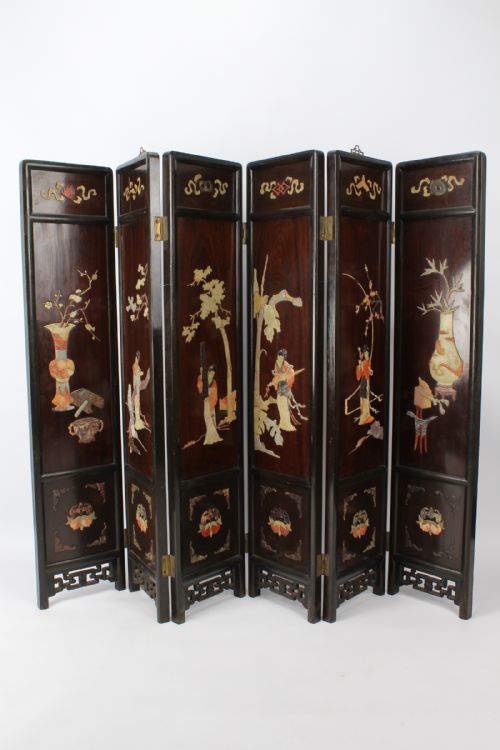

Chinese Lacquer Wood Carving
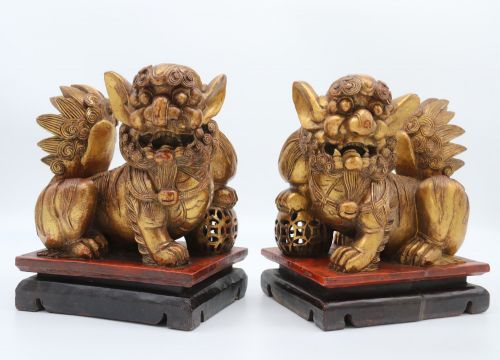
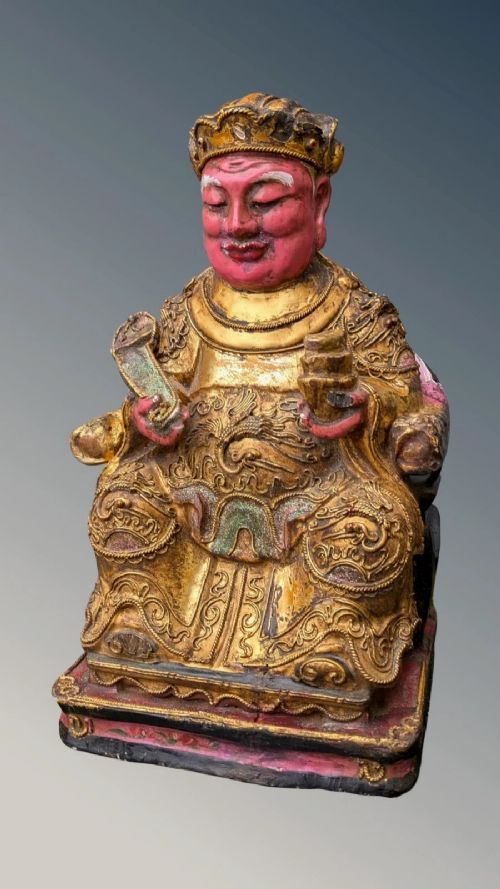
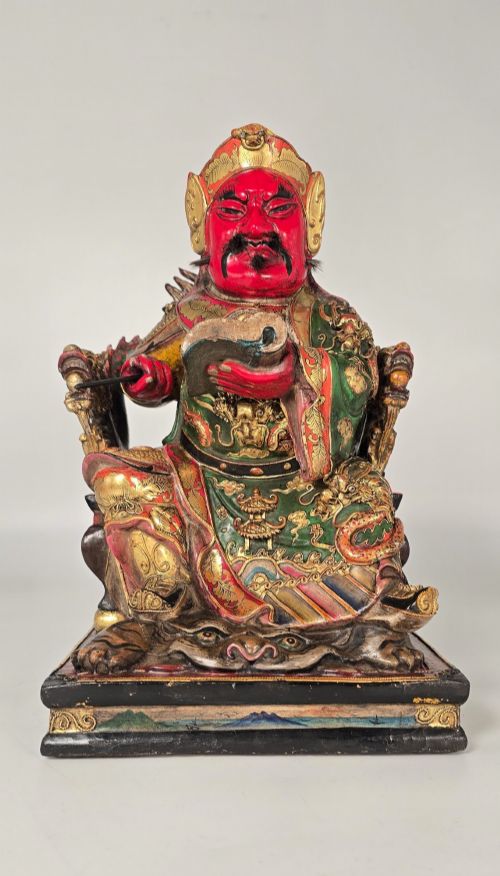
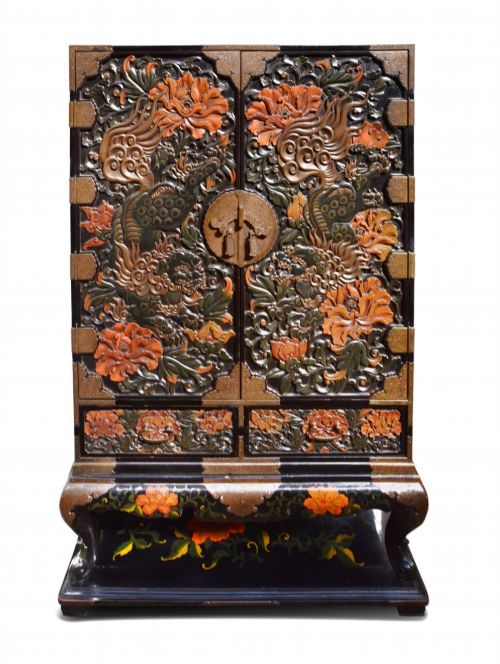
These pieces of Chinese lacquer wood carving span centuries of craftsmanship, offering rich surfaces and deep relief that anchor a room.
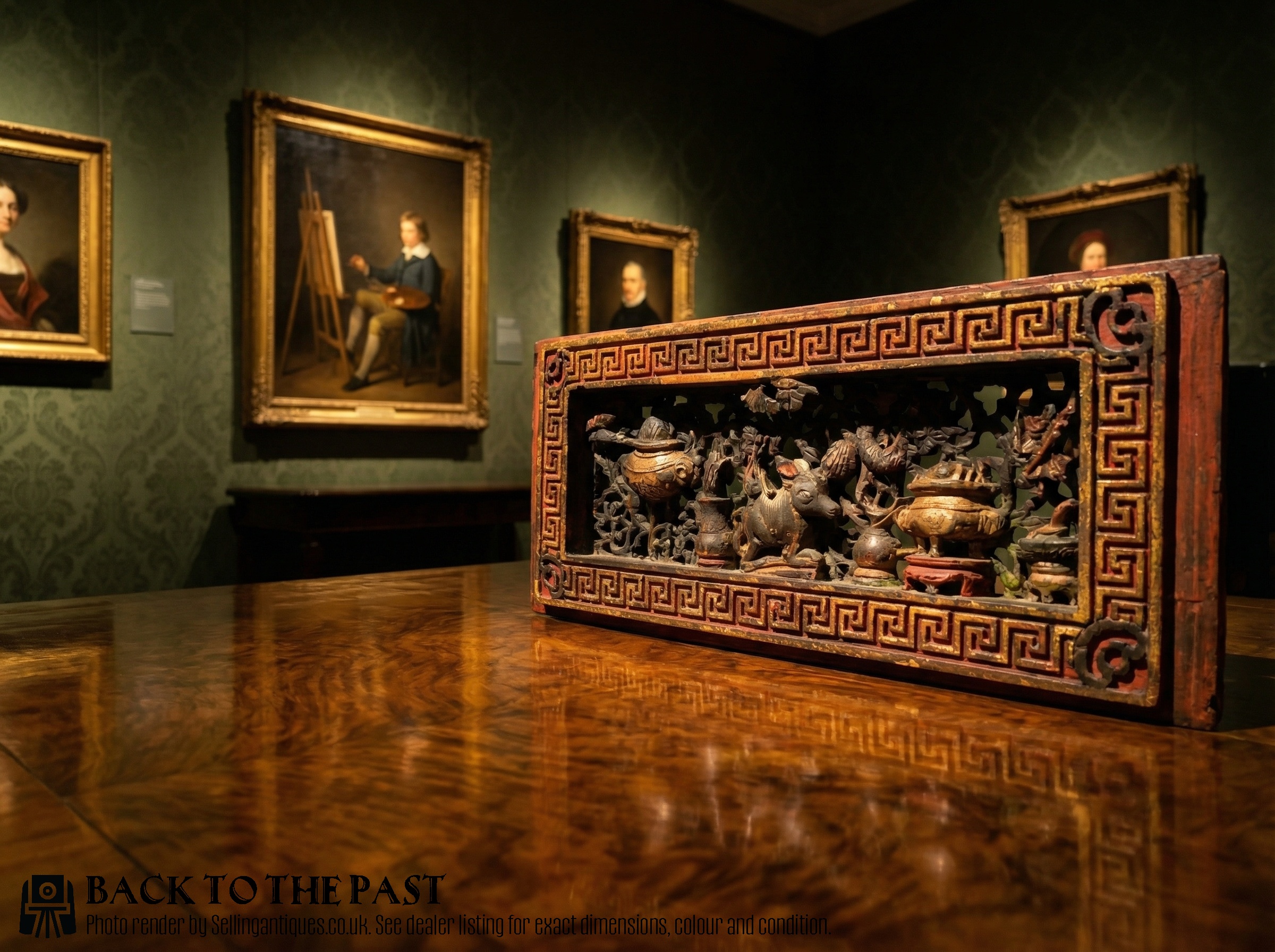
Chinese Lacquer Wood Carving
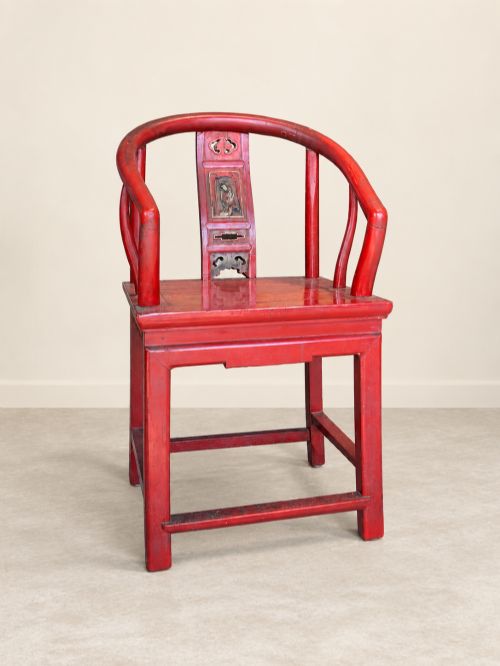
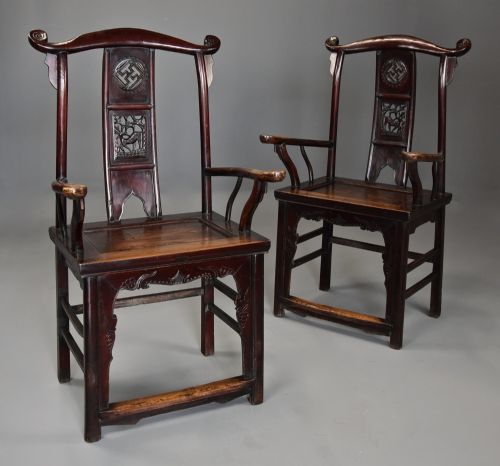
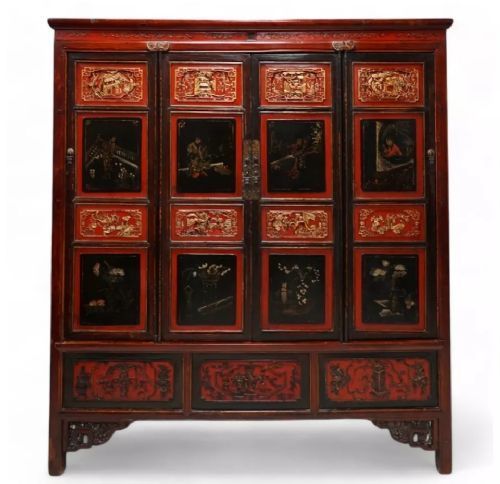
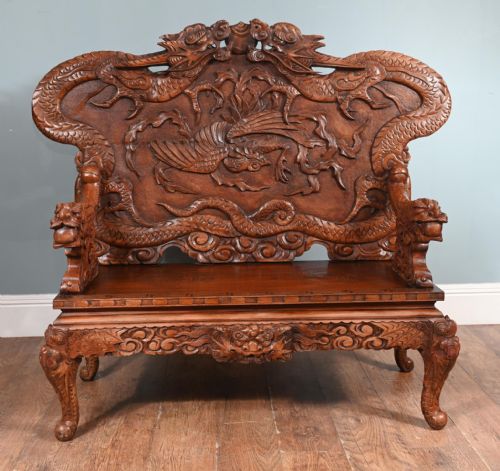
Buyers seeking a chinese lacquer wood carving encounter functional furniture, wall art, and sculptural figures dating primarily from the nineteenth and early twentieth centuries. These items range from seating such as armchairs and benches to storage pieces like marriage cabinets, wedding boxes, and blanket chests.
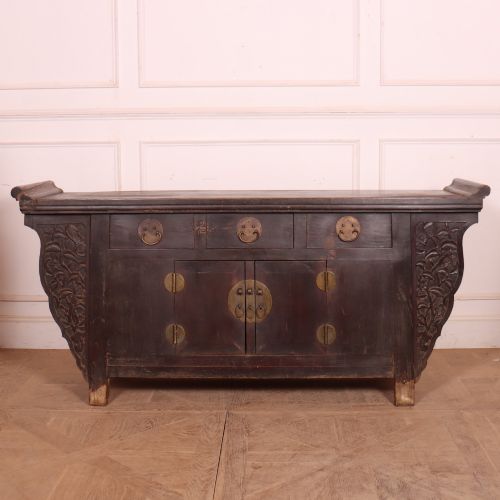
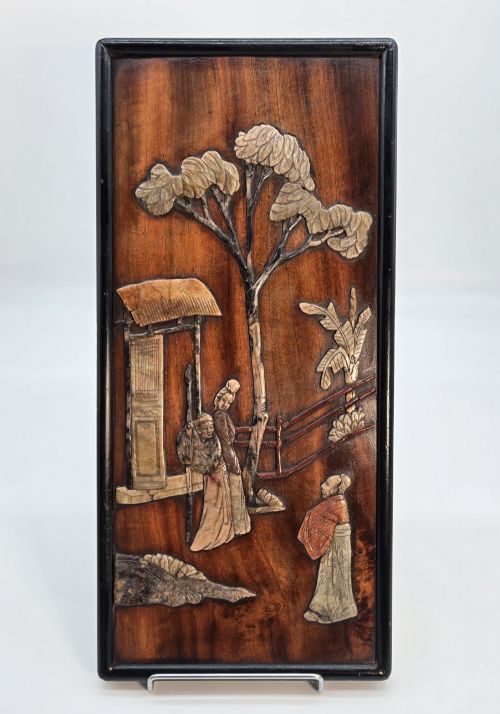
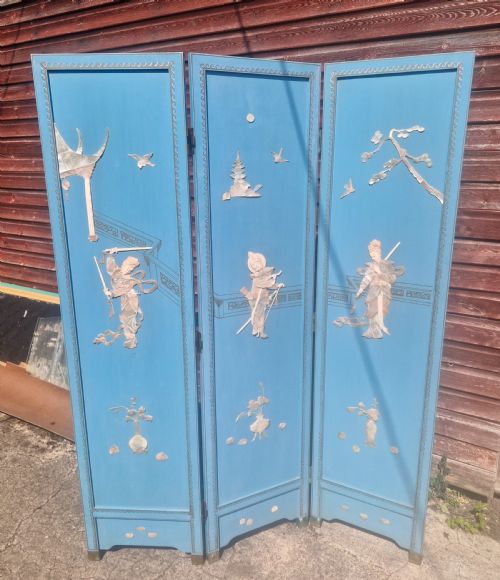
The most common examples on this page utilise traditional forms including altar tables, folding screens, and carved wall panels or plaques. Many pieces originate from the Qing Dynasty or reflect subsequent export styles, often combining utilitarian purpose with intricate surface decoration.
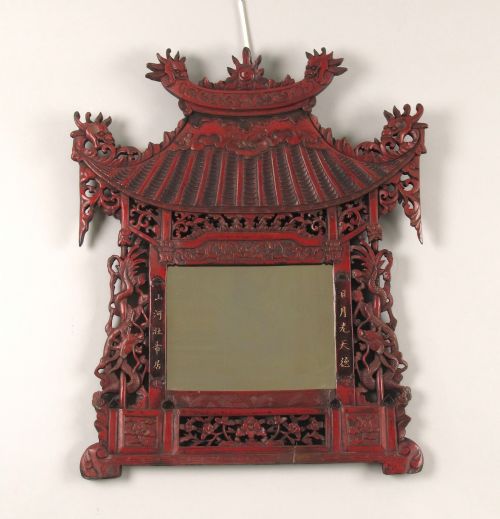
Smaller decorative items such as plant stands, robe stands, and framed pictures also appear regularly. Each piece demonstrates how traditional woodworking traditions integrated layered lacquer finishes and relief carving.
Materials and technique
Carvers shaped structural elements from timber substrates including elm, camphor wood, hardwood, and rootwood. Artisans then applied successive coats of lacquer to the wooden base, creating a durable ground for subsequent carving and painting.
Surface ornamentation frequently incorporated red or cinnabar lacquer, gold leaf, and polychrome pigments. Subsidiary details occasionally relied on brass fittings or inset stone elements to complement the carved wooden designs.
A medicine figure statue offers a glimpse into historical consultations, where modest patients pointed to miniature models to indicate symptoms.
Judging quality in carved lacquer furniture
Quality rests in the depth and crispness of the wood carving, where finer examples display sharp undercut relief rather than shallow surface incisions. The integrity of the underlying timber and the smoothness of the lacquer application dictate the overall refinement of the piece.
Patiination and the preservation of original red lacquer, gilding, or polychrome paint separate superior items from heavily restored surfaces. The proportional balance of forms, from large marriage cabinets down to small plant stands, indicates the maker's competence.
The Chinese Lacquer Wood Carving Glossary
- Cinnabar lacquer
- A red lacquer derived from mercuric sulphide, applied in numerous layers before being deeply carved. This material allows for intricate relief work on boxes, panels, and furniture.
- Coromandel work
- A technique involving carved lacquer where incisions are filled with colours or left exposed against a dark ground. It appears frequently on screens and panels.
- Yokeback
- A chair design featuring a curved top rail resembling a traditional yoke. This form provides ergonomic support and characterises certain nineteenth-century armchairs.
- Altar table
- A long, narrow table traditionally used in ancestral halls or temples. These pieces often feature upturned flange ends and carved apron details.
- Marriage cabinet
- A large storage cupboard traditionally given to brides as part of their dowry. They typically feature two doors, interior shelving, and distinct brass hardware.
Chinese Lacquer Wood Carving: Frequently Asked Questions
How do I care for antique lacquer wood?
Keep pieces out of direct sunlight and away from direct heat sources to prevent the wood from drying and the lacquer from cracking.
Dust gently with a soft, dry cloth and avoid applying modern chemical polishes or water directly to the surface.
What is the difference between elm and camphor wood furniture?
Elm provides a dense, sturdy framework suitable for structural seating and large cabinets requiring strong joinery.
Camphor wood offers a distinct natural aroma and insect-resistant properties, making it the preferred choice for storage chests and blanket boxes.
Are these pieces from the Qing Dynasty?
Many items originate from the Qing period or adopt traditional designs established during that era.
Later export pieces from the nineteenth and early twentieth centuries continued these stylistic traditions for international markets.
How were folding screens used?
Folding screens served to partition interior spaces, create private areas within rooms, or act as decorative wall backdrops.
Multi-fold examples could be adjusted to fit different room configurations while displaying continuous carved scenes.