

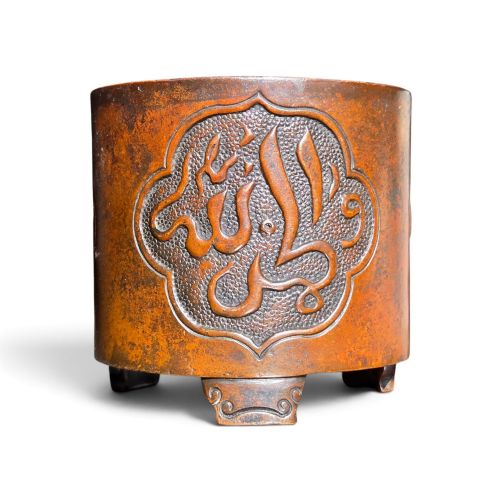
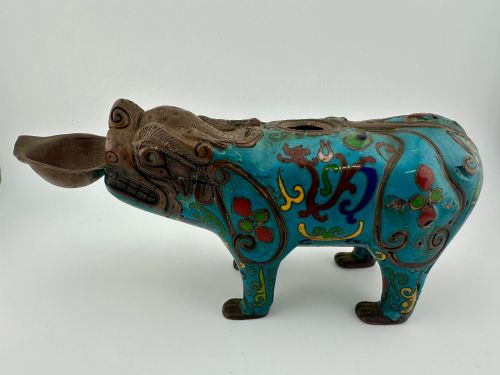
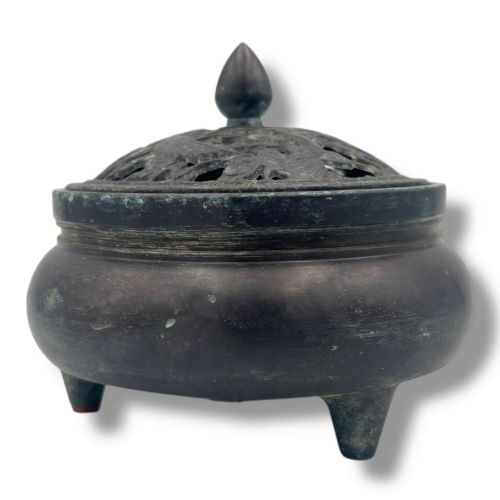
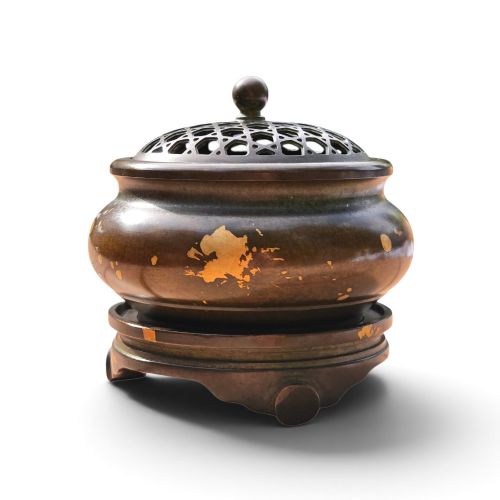
Chinese Incense Censer
A chinese incense censer brings centuries of ritual history and refined scholar's studio aesthetics straight to a mantelpiece or desk.
Chinese Incense Censer
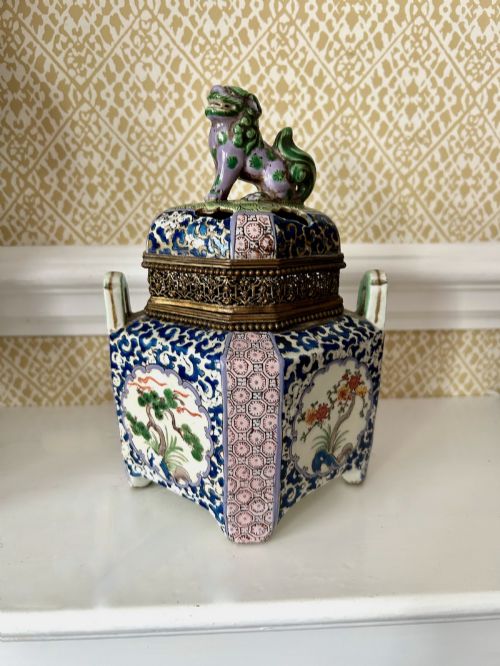
A chinese incense censer functions as a vessel for burning aromatic materials during meditation, scholarly contemplation, or domestic ritual. Buyers exploring this selection encounter vessels designed for both formal ancestral halls and private scholar's desks.
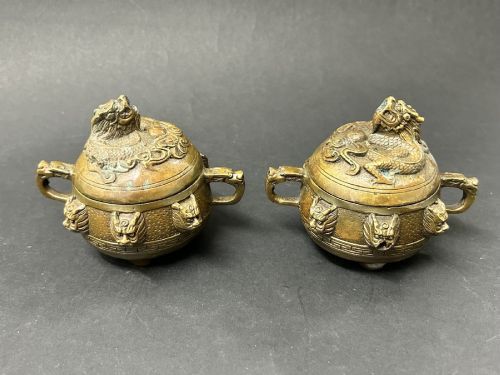
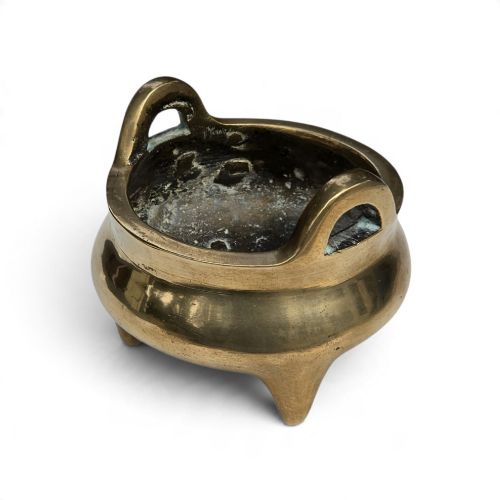
The objects on this page span several centuries, with pieces originating from the Ming and Qing dynasties alongside later interpretations from the nineteenth and early twentieth centuries. Forms range from compact tripod vessels to massive ritual bronzes equipped with matching hardwood stands.
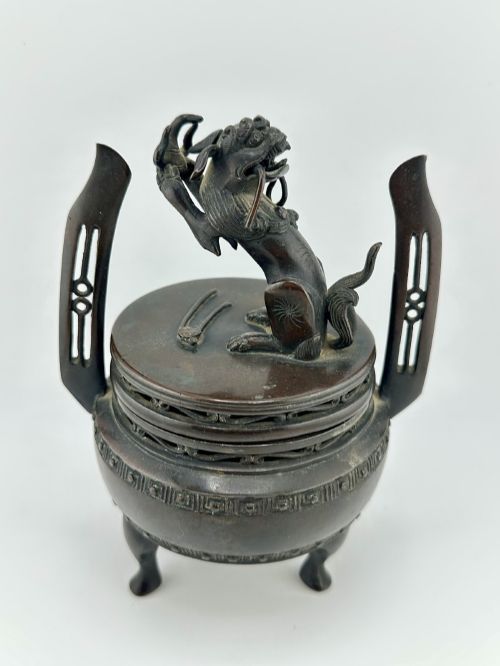
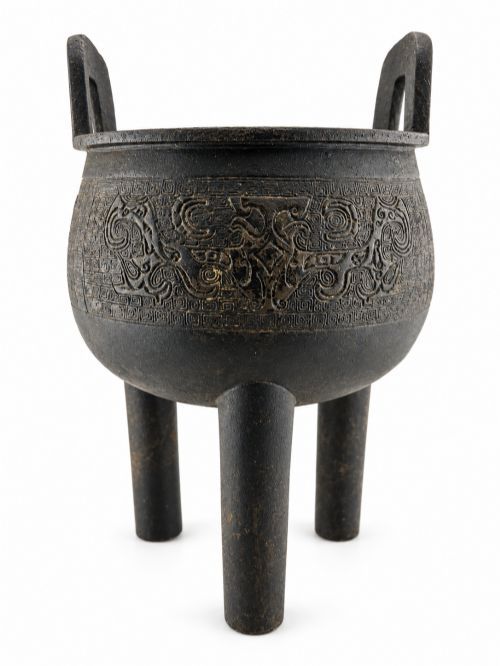
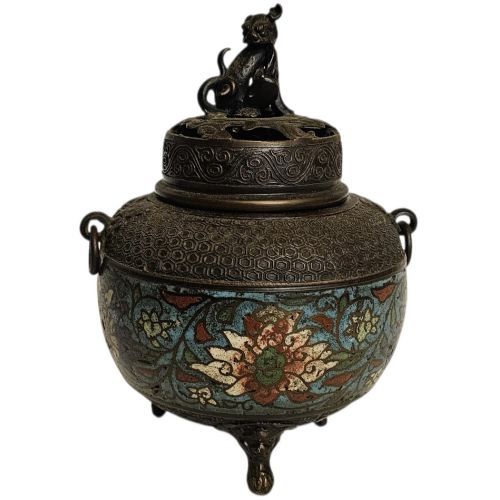
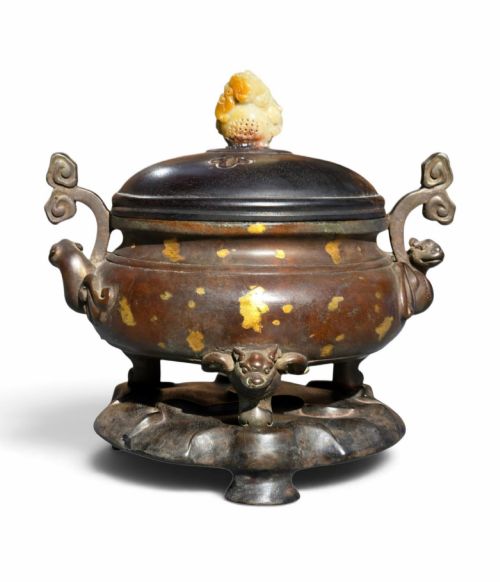
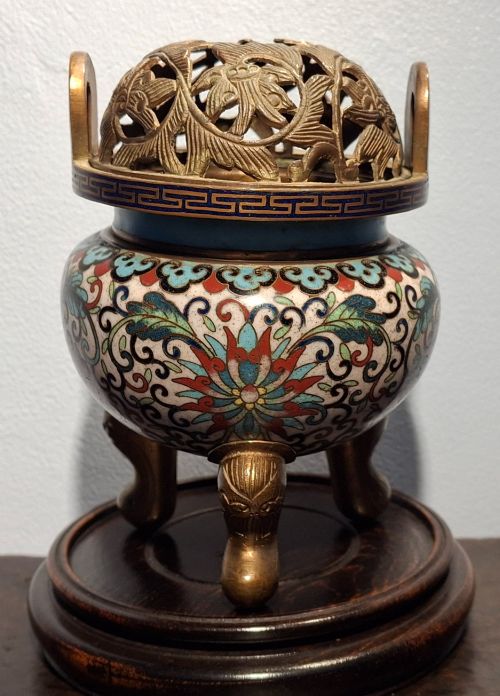
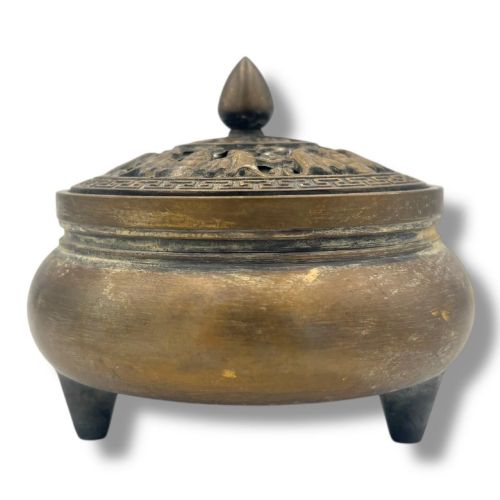
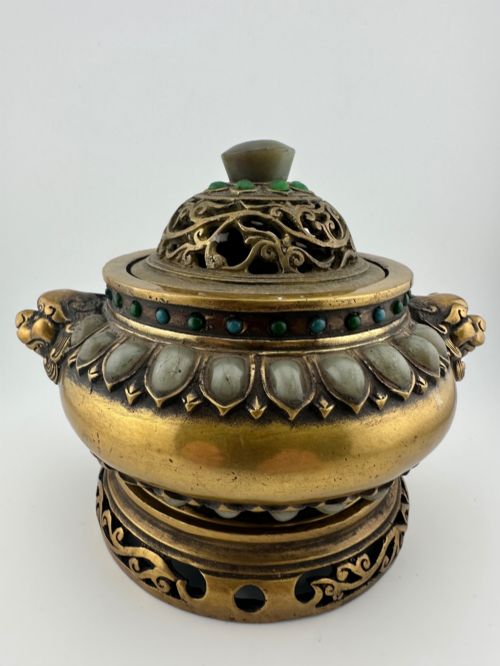
Tripod vessels and archaic bronze ding forms appear frequently alongside porcelain and jade examples. Many pieces incorporate animal-mask handles, pierced lids, and symbolic motifs such as dragons, qilin, or lotus panels.
How they were made
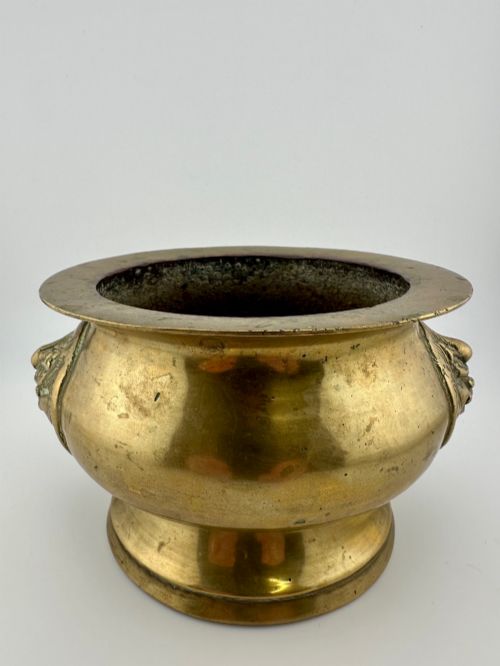
Metalwork forms the backbone of these listings, utilising cast bronze, brass, and copper alloy fashioned through traditional lost-wax or sectional mould techniques. Artisans often added gold splash, patination, or cloisonne enamelwork to enrich the metallic surfaces.
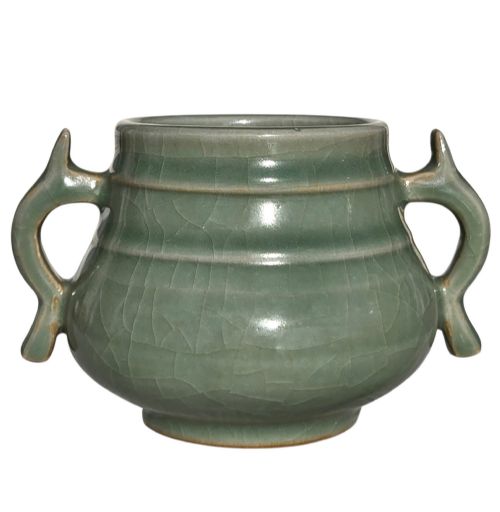
Ceramic examples rely on high-fired porcelain bodies, featuring celadon glazes or Dehua blanc de Chine finishes. Hardstone varieties involve meticulous carving of jade and related minerals into complex vessel shapes and matching covers.
Chinese Incense Censer Retail Price Guide 2026
Typical asking prices for chinese incense censer among the pieces listed under this phrase on Sellingantiques today, from the lower quarter to the upper quarter. They describe what is for sale here now, not the wider market.
Listings feature bronze, brass, porcelain, jade, and cloisonne enamel vessels spanning the Ming dynasty to the early twentieth century.
What varies in quality
Weight and metal density distinguish utilitarian vessels from pieces made for high-status scholarly environments. Heavier cast bronzes and precisely potted porcelains demonstrate superior craftsmanship and structural longevity.
The crispness of decorative relief work, from taotie masks to floral panels, defines the artistic standard of the piece. Integrated custom stands carved from dense hardwoods like zitan further elevate the overall integrity of the ensemble.
The Chinese Incense Censer Glossary
- Ding
- A traditional Chinese ritual vessel, typically supported by three legs and featuring two upright loop handles.
- Xuande Mark
- An identifying stamp referencing the artistic standards of the Ming Emperor Xuande, frequently added to later bronze vessels as a mark of respect.
- Taotie
- A stylised zoomorphic mask motif commonly found in Chinese ritual bronze decoration.
- Longquan Celadon
- A type of green-glazed Chinese ceramic produced from the Song through the Ming dynasties.
- Blanc de Chine
- A white porcelain produced in Dehua, Fujian province, prized for its ivory-toned glaze and smooth texture.
Chinese Incense Censer: Frequently Asked Questions
What is a chinese incense censer used for?
These vessels were traditionally employed to burn incense sticks, powders, or coils during scholarly reflection, religious ceremonies, or quiet contemplation.
In historical settings, they occupied central positions on scholar's desks or altars, diffusing aromatic scents through pierced lids while serving as objects of contemplation in their own right.
How do I identify the age of a bronze censer?
Dating relies on examining the casting technique, the depth and colour of the natural patina, and stylistic markers such as archaistic motifs or reign marks.
Earlier Ming period examples often display heavier casting and distinct handling marks, whereas later Qing and nineteenth-century pieces adopt precise decorative details or revived archaic forms.
Are all censers made of bronze?
While bronze and brass dominate the material record for these vessels, makers also utilised high-fired porcelain, jade, and cloisonne enamel.
Ceramic variants include celadon-glazed wares and Dehua white porcelains, while hardstone versions showcase carved jade bodies paired with bespoke wooden stands.
What are hardwood stands used for?
Bespoke stands carved from dense timbers like zitan provide physical stability and visual elevation to heavier metal and ceramic vessels.
These carved bases were often custom-made to fit the exact contours of the censer, reflecting the high status of the object within the scholar's studio.