


Chinese Hardwood Statue
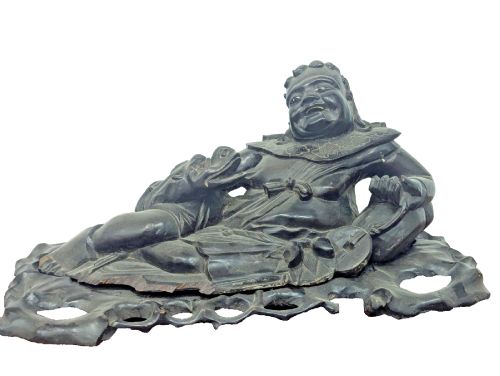
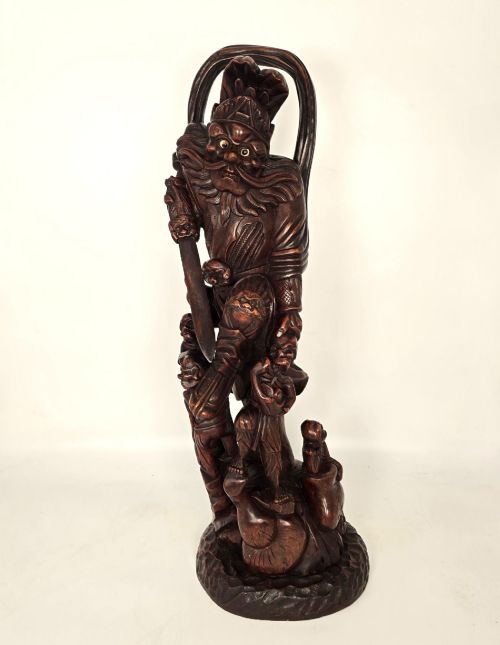
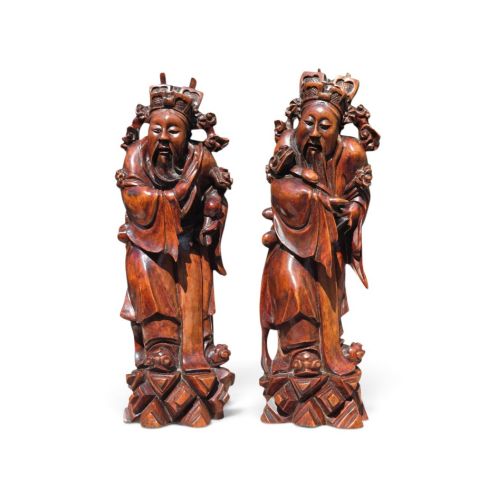
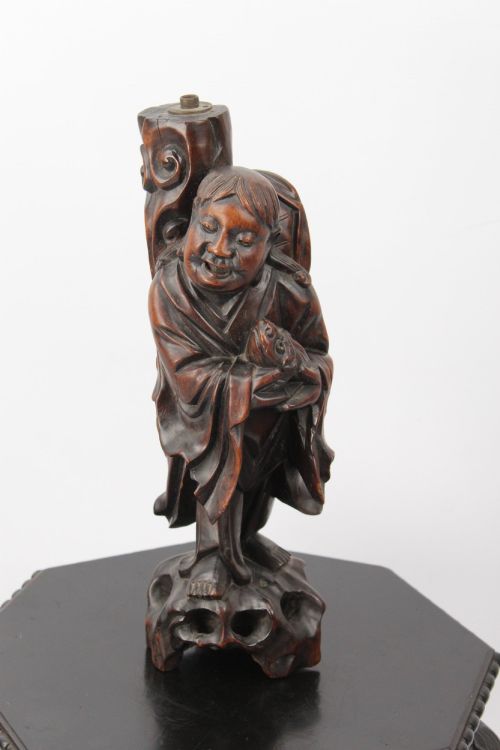
A chinese hardwood statue brings substantial presence to a room, depicting figures from tradition in dense, carved timber.
Chinese Hardwood Statue
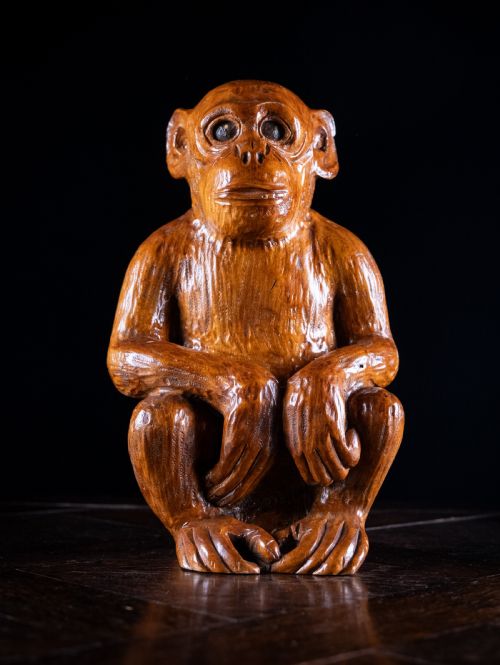
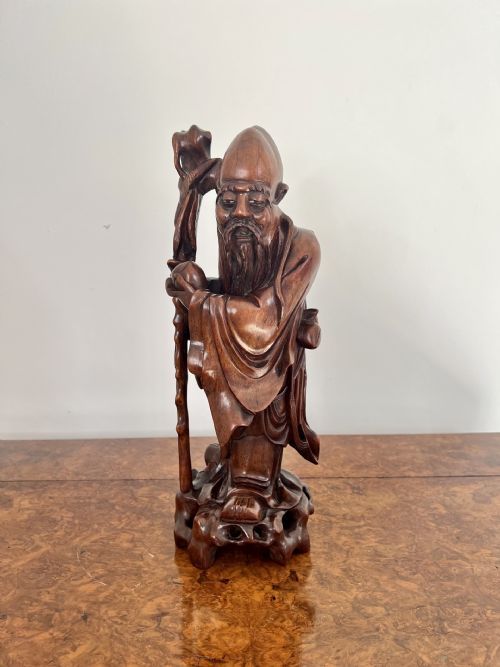
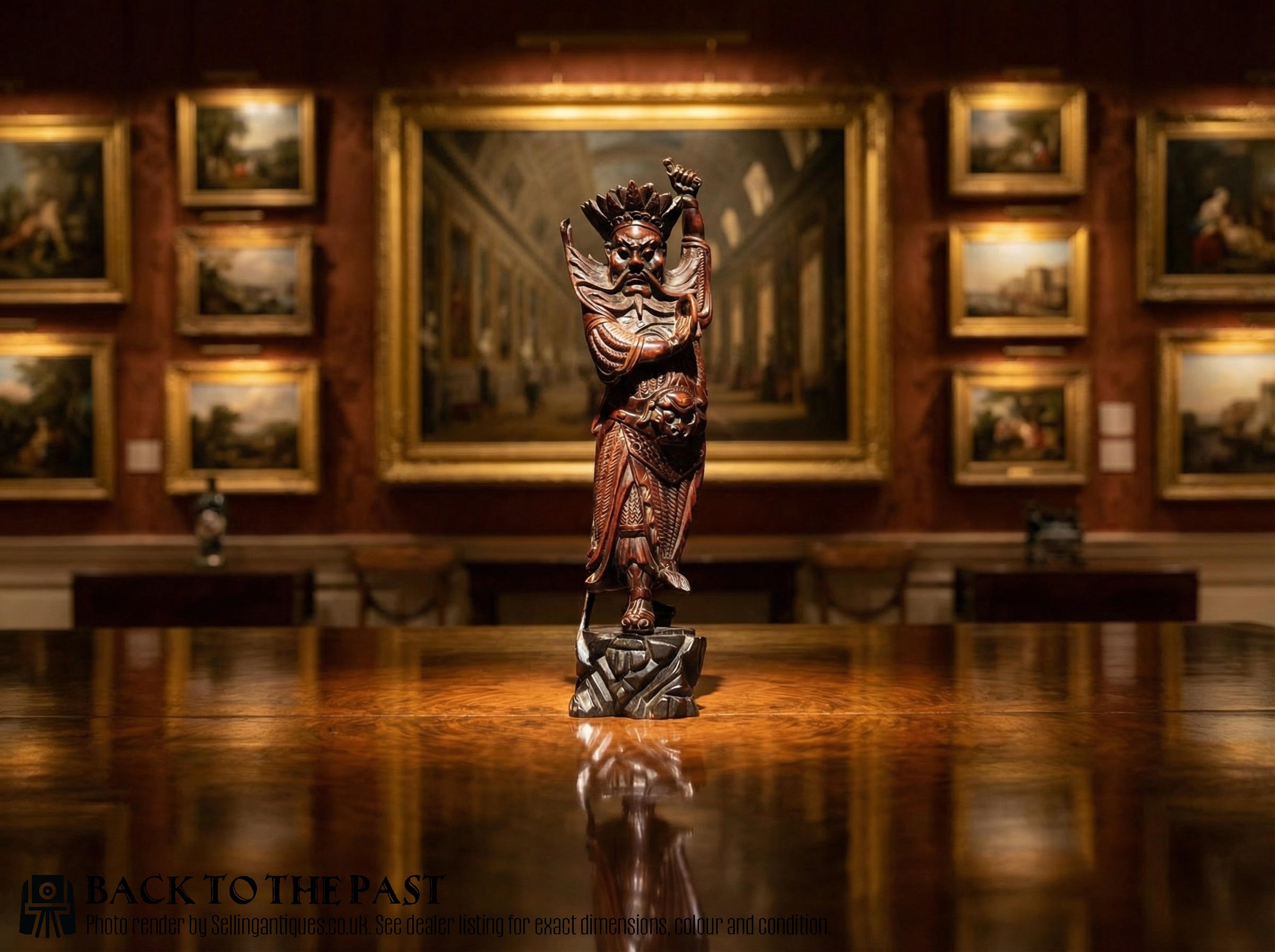
A chinese hardwood statue typically takes the form of a figurative sculpture, portraying figures such as Daoist immortals, Budai, guardian kings, and fishermen. You will frequently encounter examples depicting animals like elephants, water buffaloes, monkeys, foo dogs, and Mandarin ducks alongside these human subjects.
The objects span multiple periods, with pieces originating from the nineteenth century, including the Qing Dynasty, as well as the early twentieth century around 1930. These sculptures vary in scale, ranging from single standing figures to monumental pairs and grouped compositions.
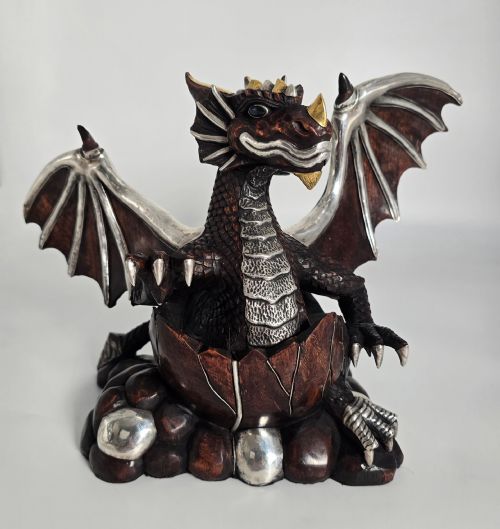
Most items on this page are carved from solid timber or root wood, sometimes incorporating mixed metal mounts, bone, glass, or brass elements. Buyers searching this phrase look for these distinct traditional sculptural forms to anchor a room.
Materials and construction methods
Certain works integrate mixed metal mounts, bone, glass, or brass components to accent the carved timber forms. Artisans relied on traditional joining and carving techniques passed down through generations within Chinese workshops.
Carvers occasionally transformed convoluted root wood directly into crouching monkeys and wise men without changing the wild growth.
Distinctions in craftsmanship and design
The integrity of the timber and the complexity of the composition also determine distinction. Matched pairs, multi-figure groups, and sculptures retaining original stands or intricate root configurations represent the higher tier of these works.
The Chinese Hardwood Statue Glossary
- Hardwood
- Dense, slow-growing timber utilised for durable and detailed carving. It provides the weight and structural stability necessary for large nineteenth-century sculptures.
- Root Wood
- Naturally gnarled or twisted tree root timber chosen by artisans for its expressive organic forms. Carvers adapted the natural shapes to create figures and animals.
- Daoist Immortal
- A mythical or historical figure who achieved spiritual transcendence in Chinese tradition. These subjects frequently appear in carved timber wearing flowing robes.
- Foo Dog
- A traditional guardian lion depicted in pairs outside temples and homes. Sculptors carved these mythical beasts with stylised mannes and open jaws.
- Budai
- A popular deity often represented as a stout, laughing monk associated with contentment and abundance. This subject is frequently rendered in large antique timber carvings.
Chinese Hardwood Statue: Frequently Asked Questions
How do I date a chinese hardwood statue?
Dating relies on stylistic markers associated with the Qing Dynasty and the nineteenth or early twentieth centuries. Artisans employed traditional motifs that shifted gradually across these periods.
Examination of the timber's patina, tool marks, and wear patterns further assists in determining the age of the carving. Comparing the sculptural style to documented pieces from the Jiaqing period or circa 1900 provides additional context.
Where were these statues displayed?
These sculptures historically occupied prominent positions within traditional interiors, temples, and scholar's studios. Their scale ranged from intimate desk ornaments to monumental floor pieces.
Pairs of animals or figures often stood flanking doorways or furniture arrangements to provide balance and auspicious protection within a room.
How do I care for antique hardwood carvings?
Maintenance requires keeping the timber away from direct sunlight and rapid temperature fluctuations that cause wood to split. Gentle dusting with a dry, soft cloth preserves the surface patina.
Avoid applying modern polishes or oils unless specifically recommended for antique dry-finish timber. Stable indoor humidity ensures the longevity of the carved details.
What subjects are most common?
Human figures form a large category, including Daoist immortals, wise men, fishermen, guardian kings, and laughing Buddhas. These representations draw on centuries of folklore and religious tradition.
Animal subjects are equally prevalent, featuring water buffaloes, elephants, monkeys, Mandarin ducks, and foo dogs carved individually or in matched pairs.