




Chinese Floral Urns
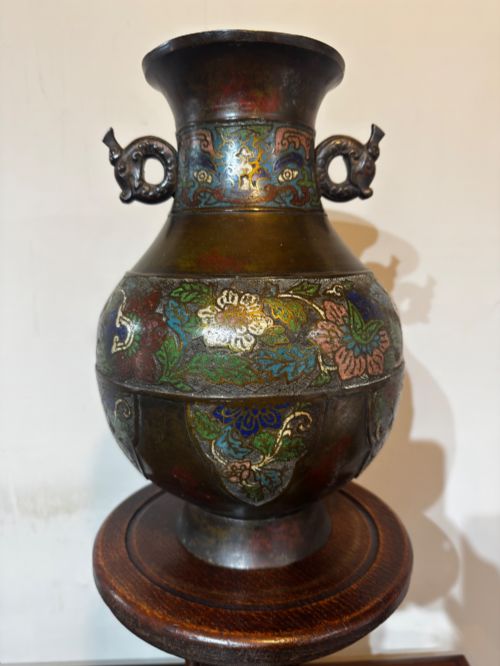
Chinese floral urns encompass diverse decorative vessels and stands crossing nineteenth and twentieth century periods in porcelain, cloisonne enamel, and hardwood.
Chinese Floral Urns
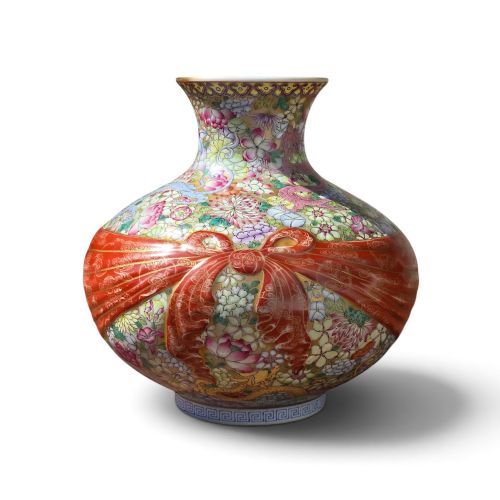
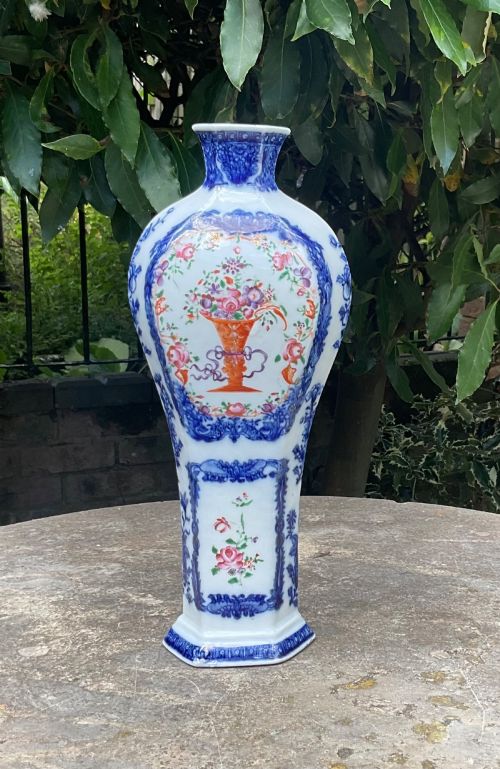
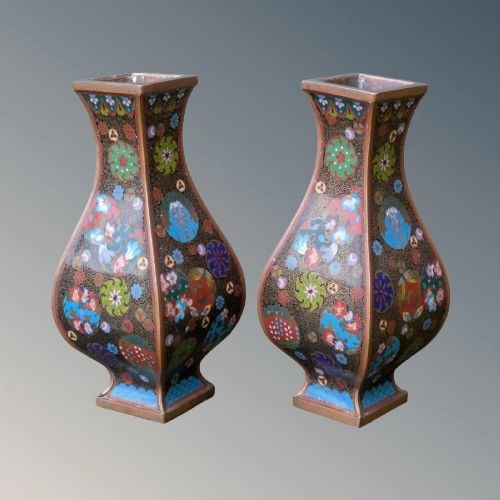
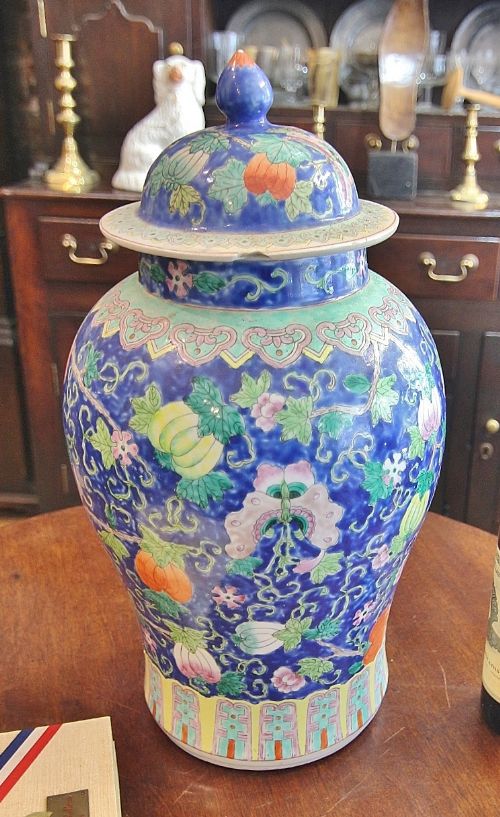
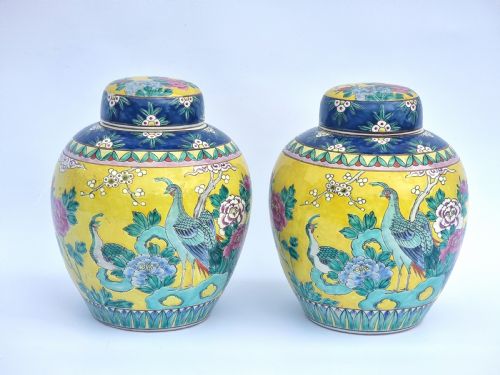
When buyers search for chinese floral urns, they encounter a varied selection of vessels, ginger jars, and complementary plant stands spanning the nineteenth and twentieth centuries. These objects range from delicate famille rose and millefleurs porcelain vases to robust bronze and champleve enamel pieces.
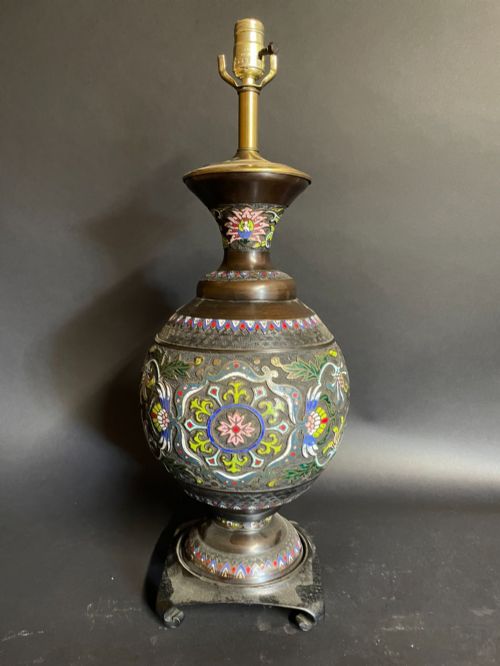
Vessels take many forms, including baluster vases, table lamps, and large jardiniere stands intended for prominent display within a room. Each object reflects traditional eastern craftsmanship adapted for both decorative impact and functional interior use.
Materials and Construction
Maker workshops utilised traditional metalworking techniques, fusing delicate wire partitions onto bronze or brass foundations to create cellular compartments for colourful enamel pastes. Artisans then fired and polished these cloisonne surfaces to achieve a smooth, lustrous finish.
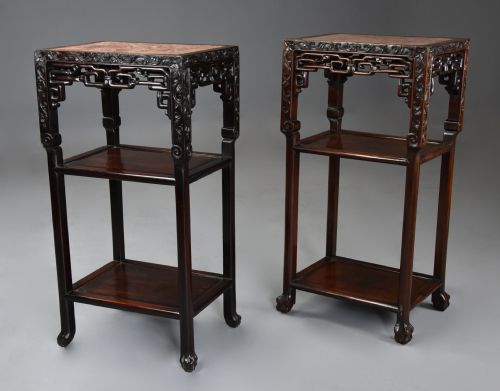
Porcelain items relied on hand painted mineral pigments, incorporating detailed iron red motifs, famille rose palettes, and intricate millefleurs patterns across the ceramic body. Wood stands were skillfully carved from dense timbers such as hardwood and rosewood, frequently incorporating inset marble tops.
Some antique jardiniere stands double effortlessly as wine tables, proving that nineteenth century artisans deeply understood the value of multi tasking furniture.
Assessing Quality and Execution
The standard of a piece rests upon the precision of its hand painted detail and the crispness of its metalwork or carving. Finer porcelain examples exhibit delicate brushwork and rich, controlled colour application, whereas superior cloisonne displays tightly fitted wire cells without visible enamel pitting.
Structural integrity in supporting furniture and heavy vessels dictates overall merit, particularly in the joinery of hardwood stands and the weight of cast bronze or brass bodies. Balance, symmetry, and the preservation of original surface finishes separate standard utility items from exceptional collectors pieces.
Samson Porcelain
The Chinese Floral Urns Glossary
- Cloisonne
- An enamelling technique where metal wire is soldered to a metal base to create compartments filled with paste and fired. This method produces intricate colourful surface patterns.
- Famille Rose
- A prominent palette of opaque enamel colours dominated by pink or rose hues introduced to Chinese ceramics during the Qing dynasty. It allowed for remarkable pictorial depth in floral decorations.
- Champleve
- An enamelling process where troughs or cells are carved directly into a thick metal surface and filled with vitreous enamel before firing. The technique provides bold outlines and robust durability.
- Millefleurs
- A dense decorative pattern translating to a thousand flowers, covering the entire surface of a ceramic piece with a multitude of blooms. It demands immense skill from the painter to maintain composition.
- Hongmu
- A dense, dark red hardwood traditionally utilised by Chinese cabinetmakers to construct sturdy furniture and ornate plant stands. Its natural strength supports heavy decorative urns securely.
Chinese Floral Urns: Frequently Asked Questions
What distinguishes cloisonne from painted porcelain?
Cloisonne involves fusing enamel pastes within metal wire cells affixed to a bronze or brass foundation, creating a tactile, partitioned surface pattern. Painted porcelain relies on direct brushwork and ceramic glazes fired onto a clay body.
Both methods achieved vibrant floral decoration, but they utilise entirely different disciplines of material manipulation and kiln firing.
How do I care for antique enamel and bronze?
Antique enamel and bronze require gentle dusting with a soft, dry cloth to prevent abrasive particles from scratching the delicate metallic surfaces and vitreous pastes. Avoiding moisture and direct sunlight safeguards the original patination and prevents material degradation over time.
Polishing agents should generally be avoided unless specifically required for bare brass, as they can strip historical finishes from cloisonne and champleve items.
Are these pieces from the Qing dynasty?
Many items originate from the late nineteenth century Qing period, while others date across the early twentieth century and the republic era. Specific dating relies on stylistic indicators, material composition, and manufacturing characteristics recorded in each listing.
Objects span a considerable timeline, reflecting both traditional imperial craftsmanship and later decorative revivals intended for export markets.