



Chinese Export Tray
A chinese export tray brings overseas craftsmanship into British rooms, offering useful service and hand-painted artistry.
Chinese Export Tray
When you search for a chinese export tray, you encounter serving platters, pin dishes, and decorative plates made for Western markets from the eighteenth century onwards. These objects combine traditional Eastern forms and motifs with the shapes required by European dining and domestic habits.
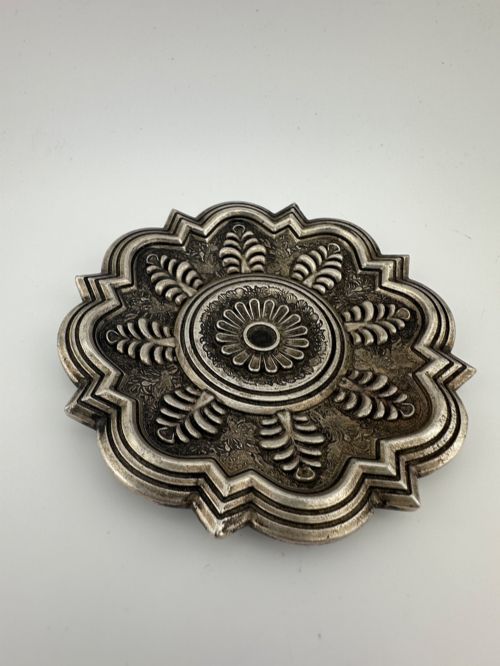
The pieces on this page span the eighteenth, nineteenth, and early twentieth centuries, alongside later pieces carrying earlier reign marks. You will find items fashioned from porcelain, silver, and white metal, often decorated with Canton patterns, blue and white designs, or armorial motifs.
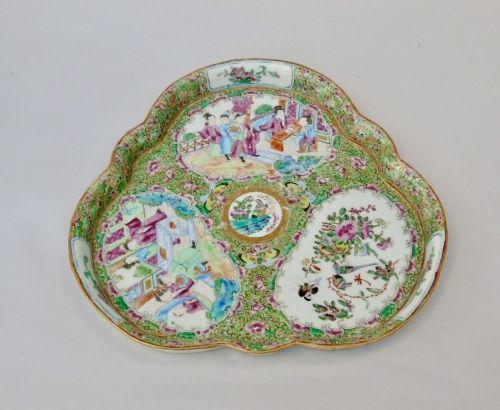
Forms range from simple round dishes to trefoil trays, rectangular platters, and cigarette boxes with matching ashtrays. Each item reflects the long history of trade between China and Western merchants who commissioned specific wares for export.
How they were made
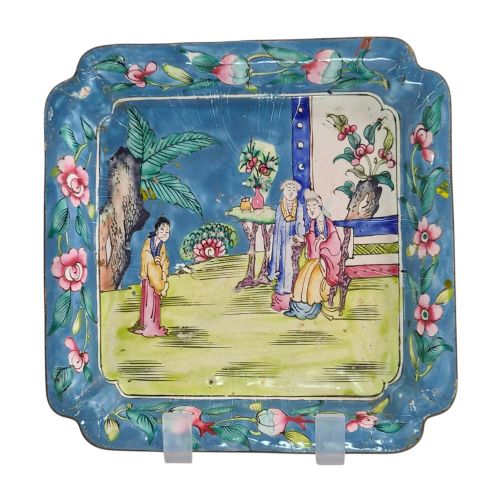
Makers shaped porcelain by hand and fired it in kilns, applying underglaze blue or overglaze enamel colours such as the famille rose and famille verte palettes. Artisans also worked precious metals like sterling silver and white metal, hammering and chasing them into intricate dishes.
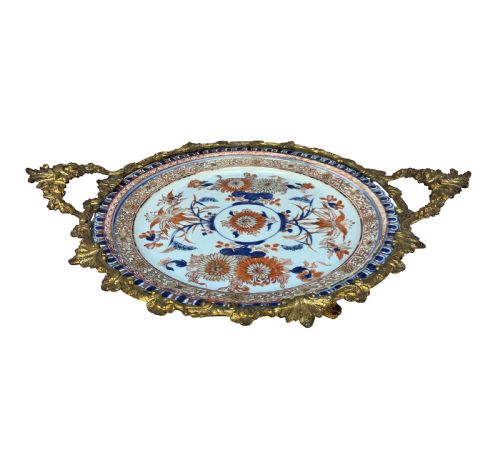
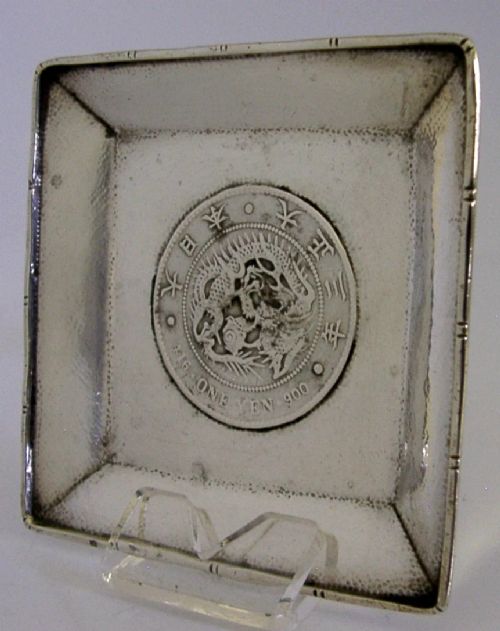
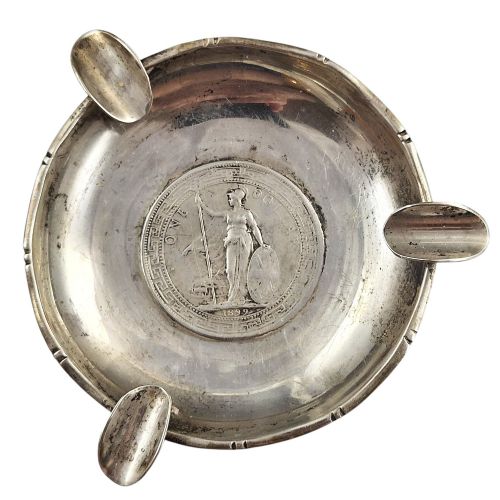
Several examples incorporate foreign currency, mounting Japanese coins or British trade dollars directly into the centre of silver trays. Ormolu mounts and gold leaf further enhanced porcelain plates, marrying Asian ceramic bodies with European metalwork techniques.
Chinese Export Tray Retail Price Guide 2026
Typical asking prices for chinese export tray among the pieces listed under this phrase on Sellingantiques today, from the lower quarter to the upper quarter. They describe what is for sale here now, not the wider market.
Several silver dishes cleverly put foreign coins to work as ashtrays.
What varies in quality
The fineness of the hand-painted brushwork separates standard production items from superior pieces, particularly in detailed facial expressions and botanical scenes. Enamels that retain their original gloss and crisp outlines demonstrate careful kiln work and skilled pigment mixing.
Weight and gauge distinguish the silver and white metal pieces, where heavier metalwork provides greater structural integrity. The integration of mounts, whether or not ormolu or cast brass, shows the precision applied during assembly.
Lee Yee Hing
The Chinese Export Tray Glossary
- Famille rose
- A palette of opaque enamel colours dominated by pink, introduced during the Qing dynasty. Artisans used these pink pigments to render floral and figural scenes with subtle shading.
- Canton enamel
- Painted enamelware produced in the Guangdong province for export. These pieces display vibrant polychrome decoration over copper or porcelain bases.
- White metal
- An alloy resembling silver used in various export items. It provided a durable substitute for sterling silver in decorative dishes and novelty ashtrays.
- Ormolu
- Gilded bronze used for mounts on porcelain plates. French rococo styling often influenced the application of these metallic borders.
Chinese Export Tray: Frequently Asked Questions
What is a chinese export tray?
A chinese export tray is a decorative or serving dish manufactured in China for Western buyers. These items bridge traditional Eastern craftsmanship and European utility.
They appear in porcelain, silver, and enamel, reflecting centuries of commercial exchange between empires.
How do I date a porcelain tray?
Dating relies on stylistic clues, palette colours, and any reign marks stamped or painted on the base. Eighteenth-century pieces often feature hand-poured glazes and specific armorial designs.
Twentieth-century items may incorporate currency or show manufacturing techniques typical of the Edwardian era.
How were these trays used?
Original uses varied from serving food at dining tables to holding calling cards in hallways or cigars in studies. Silver coin dishes served as desktop novelties.
Today, collectors utilise them for display, small storage, or as accent pieces within traditional interiors.
Are these items made of silver?
Many metal pieces are fashioned from sterling silver or white metal, occasionally paired with enamel work. Other items consist entirely of porcelain or ceramic.
Examination of hallmarks or metal testing helps confirm the specific composition of each piece.