




Chinese Export Pottery
Chinese export pottery encompasses porcelain vessels and figures made for Western markets, prized for their fusion of traditional forms with foreign tastes.
Chinese Export Pottery
Chinese export pottery bridges domestic craftsmanship and international trade, reflecting centuries of stylistic exchange. When exploring chinese export pottery, buyers encounter items ranging from utilitarian vessels to elaborate decorative objects.
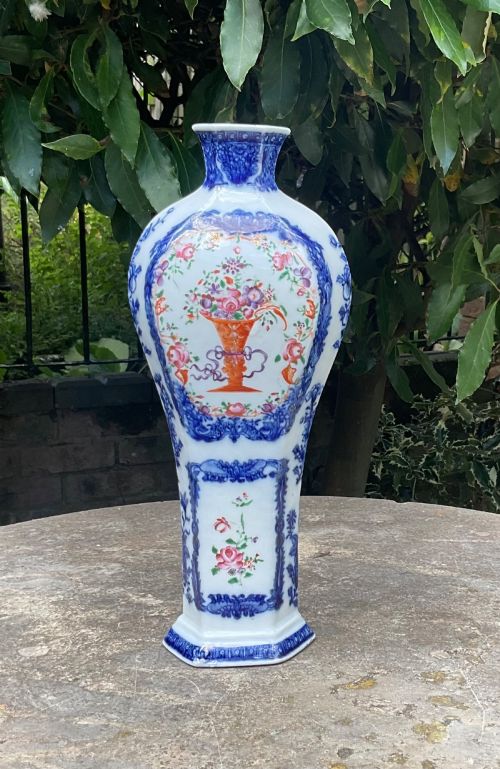
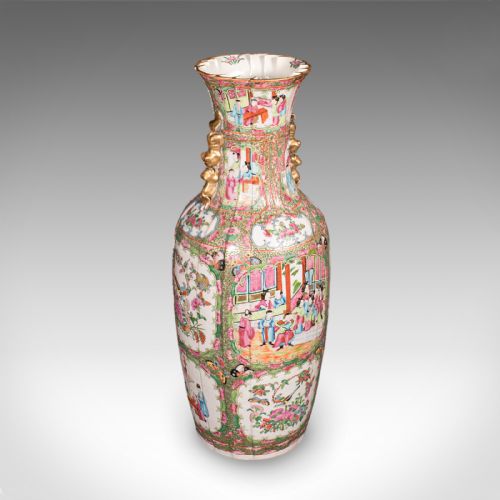
The selections span significant historical periods, notably the Ming and Qing dynasties, alongside later Victorian interpretations. Common forms include vases, decorative bowls, ginger jars, and figurative studies of animals.
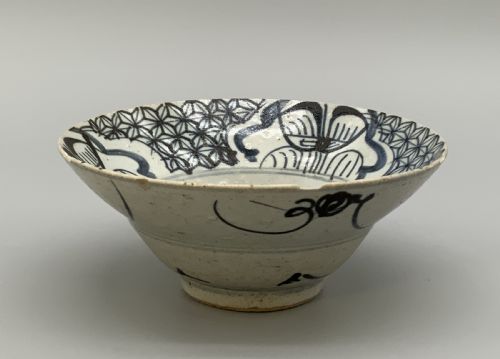
Pieces often display distinct regional traits, such as the robust bodies of Swatow wares or the refined palettes of Qianlong porcelain. Each object preserves the aesthetic preferences demanded by overseas markets during its era of production.
Materials and Techniques
Potters utilised fine ceramic and porcelain bodies, shaped by hand or wheel before undergoing high-temperature kiln firing. These dense foundations provided the necessary durability for long sea voyages to foreign buyers.
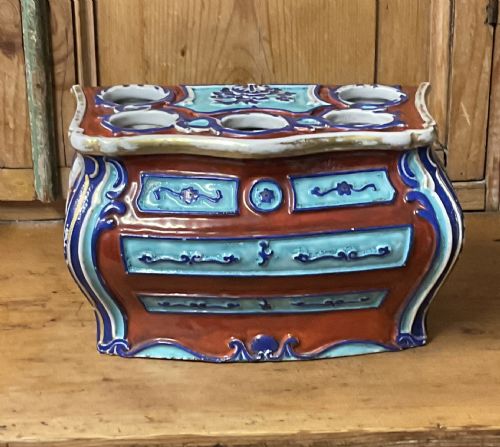
Surface decoration relied on cobalt glaze for classic blue and white schemes, alongside polychrome enamel and gold leaf. Specialised techniques such as sancai glaze, crackle-glaze effects, and celadon finishes created varied textures and visual depths.
Listings span multiple centuries, incorporating porcelain, enamel, glaze, ceramic, and wood materials across various Qing and Ming styles.
Judging Quality and Execution
Quality rests upon the precision of the throwing and the control demonstrated during the glazing and firing process. Superior examples exhibit balanced proportions, stable bases, and well-integrated potting without distortion.
Painted details separate ordinary commercial output from exceptional studio work, showing confident brushwork and harmonious colour application. The clarity of the glaze and the crispness of moulded details further distinguish finer specimens.
The Chinese Export Pottery Glossary
- Famille Rose
- A palette of opaque enamels dominated by pink or rose colours, introduced during the Qing Dynasty. This technique allowed for subtle tonal gradations in floral and figural scenes.
- Kraak porcelain
- A type of Chinese export porcelain produced mainly during the Wanli period, typically featuring panelled blue and white designs. It was widely salvaged from shipwrecks and treasured in Europe.
- Swatow
- A broad term for coarse export ceramics made in southern Chinese kilns for Southeast Asian and Japanese markets during the late Ming period. These wares are noted for their vigorous, spontaneous brushwork.
- Celadon
- A term for pottery denoting both wares glazed in jade green and the green glaze itself. The colour results from iron oxide in the glaze reacting in a reduction kiln.
- Sancai
- A low-firing lead glaze technique using three colours, traditionally amber, green and creamy white, frequently seen on figures and animals from earlier dynasties. The glazes typically mingle naturally on the body during firing.
Chinese Export Pottery: Frequently Asked Questions
What is Chinese export pottery?
Chinese export pottery refers to ceramic and porcelain objects manufactured in China specifically for export to Western and Asian markets over several centuries.
These pieces combine traditional Chinese materials and techniques with decorative motifs designed to appeal to foreign tastes.
How do I date these pieces?
Dating relies on stylistic markers, reign marks, glaze types, and the specific historical period associated with the form and decoration.
Comparing potting characteristics and pigment styles against established historical eras helps narrow down the century of production.
Were these pots used daily?
Many export pieces served decorative functions in European interiors, while others were utilitarian vessels used for storage or dining.
Larger bowls and jars often fulfilled prominent display roles in stately homes and merchant residences.
How should I clean porcelain?
Porcelain benefits from gentle cleaning with warm water and mild soap, avoiding harsh abrasives that might damage surface enamels.
Careful handling prevents accidental chipping of older ceramic bodies and delicate gilded details.