
Chinese Export Ceramic Bowl
These robust pieces bridge Eastern ceramic traditions and Western domestic life, offering a tangible link to centuries of global trade.
Chinese Export Ceramic Bowl
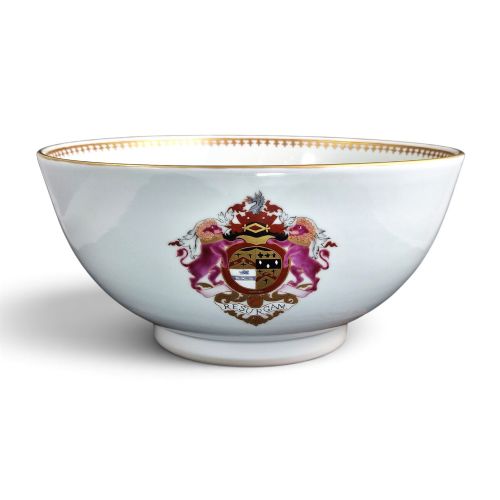
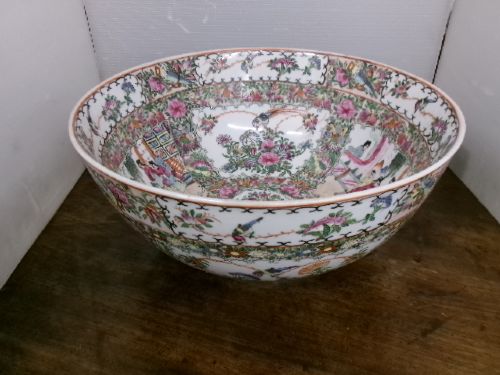
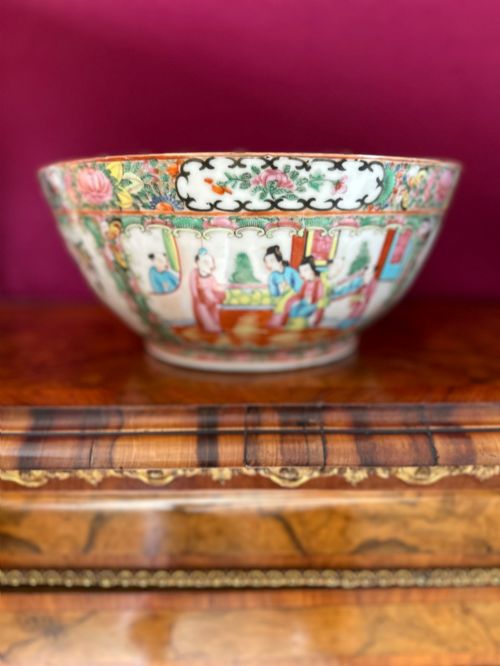
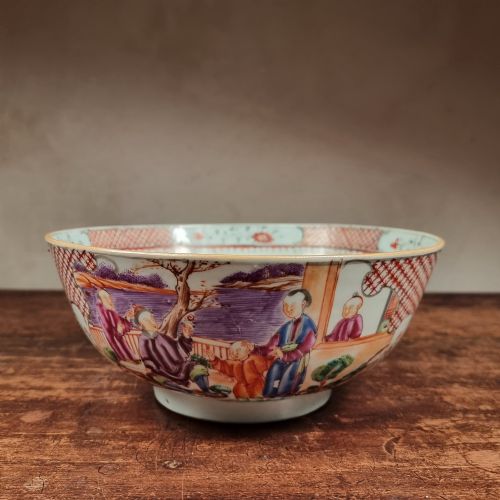
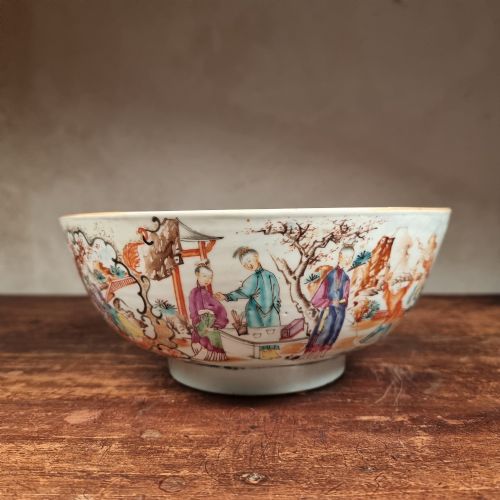
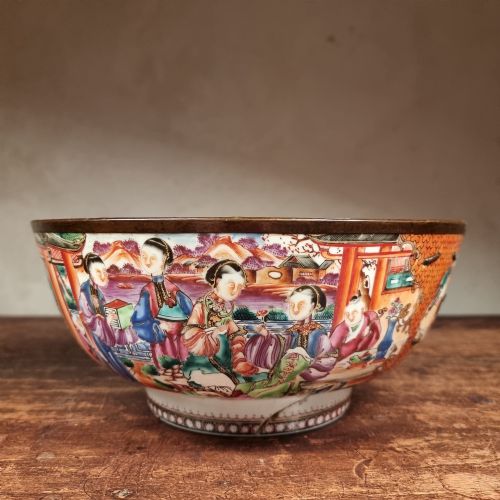
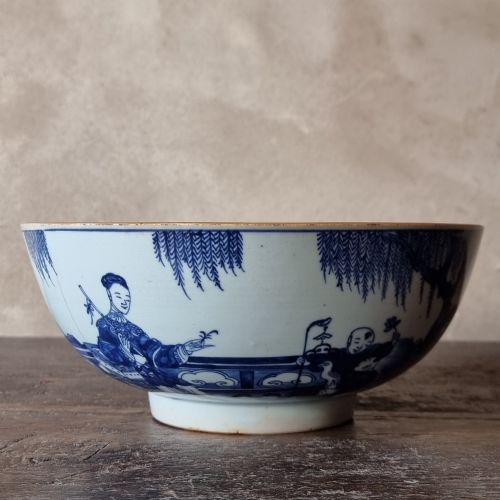
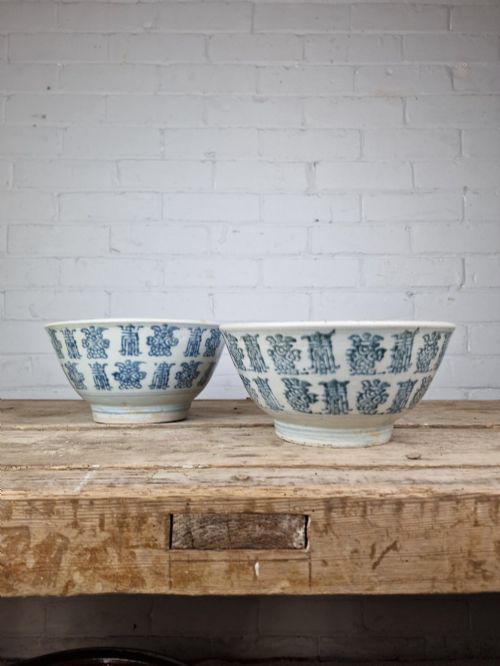
A chinese export ceramic bowl represents centuries of trade between Chinese kilns and Western markets, shaped by shifting aesthetic demands abroad. You will frequently encounter large punch bowls, footed centre bowls, and smaller tea vessels spanning the Ming, Qing, and subsequent dynasties.
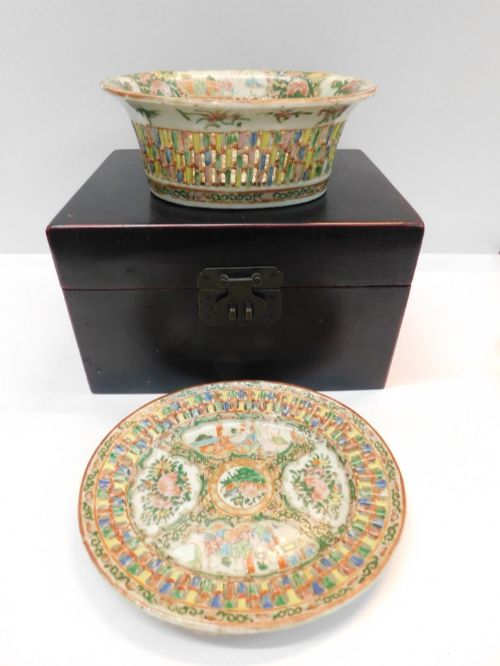
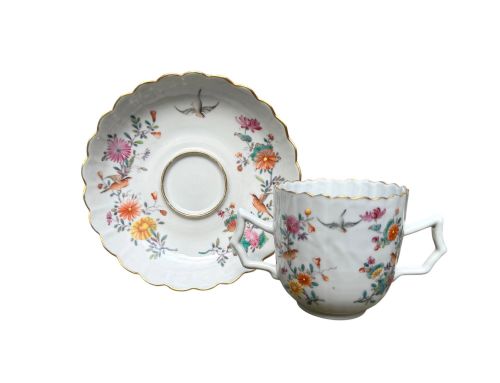
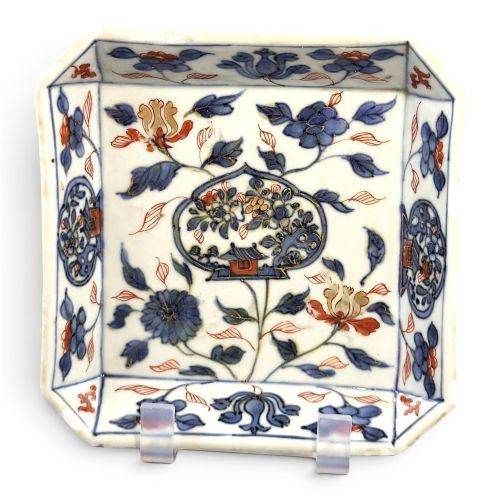
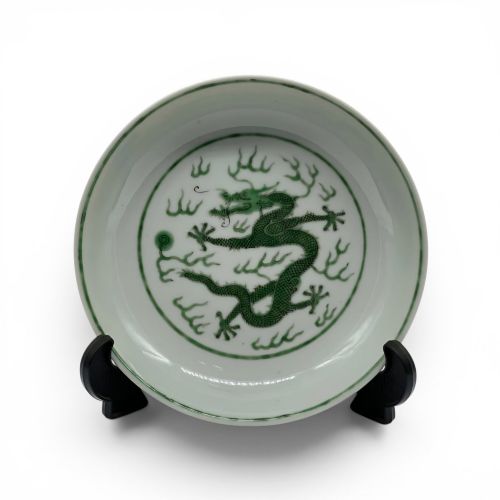
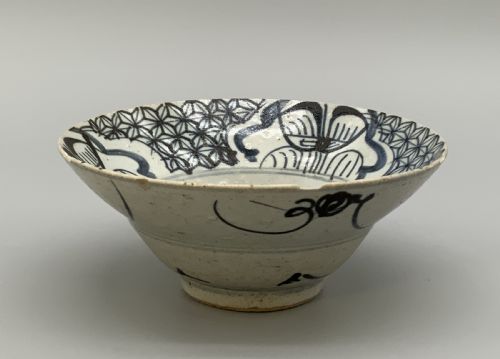
The assortment on this page includes robust provincial wares, intricate Canton painted pieces, and refined Kangxi period porcelain. Forms range from deep lobed vessels to large handled baskets and garden jars designed specifically for export.
Many examples display traditional motifs adapted for European tastes, blending Chinese craftsmanship with Western functional forms. These objects served as utilitarian vessels for punch or tea as well as decorative centrepieces in stately homes.
Materials and Techniques
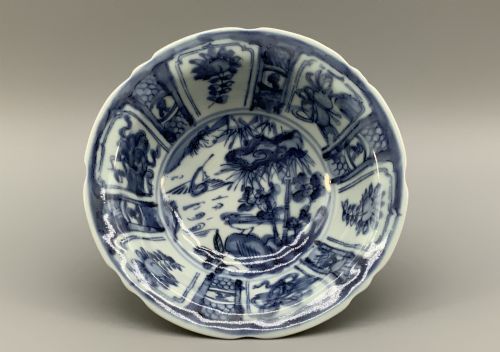
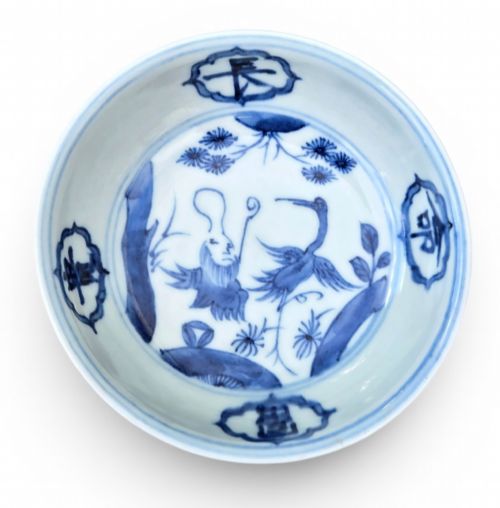
Potters constructed these vessels from fine porcelain clay bodies, fired at high temperatures to achieve a vitrified, resonant finish. Cobalt underglaze was applied before the final glaze firing to create permanent blue and white motifs.
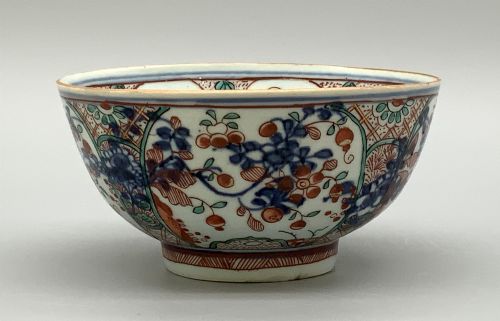
Overglaze enamels, gold leaf, and gilding were added in secondary low-temperature firings to build up vibrant palettes like famille rose or Imari. Hand-painted details reflect the steady hands of regional artisans working in specialised production centres.
Listings span from the 16th century through the Edwardian era, featuring porcelain, enamel, gold leaf, and cobalt underglaze.
Evaluating Quality
The distinction between ordinary utility wares and exceptional pieces rests upon the precision of the brushwork and the clarity of the porcelain body. Master painters achieved nuanced shading and fine line work that elevated standard export wares into works of art.
Surface preservation significantly influences the standing of a piece, particularly regarding the intactness of delicate overglaze enamels and gold leaf highlights. Heavier potting and well-balanced forms generally indicate greater care during the kiln-firing process.
The Chinese Export Ceramic Bowl Glossary
- Famille rose
- A major palette of Chinese ceramic overglaze enamels introduced in the Qing dynasty, characterised by opaque pink or rose colours.
- Underglaze blue
- A decorative technique where cobalt oxide is applied to the raw clay body before glazing and firing, producing a durable blue design beneath a clear glossy surface.
- Canton bowl
- A heavily decorated porcelain vessel originating from the Guangdong province, typically featuring vibrant panels of figures, birds, and flowers.
- Imari
- A style of ceramic decoration featuring a contrasting palette of underglaze blue, iron red, and gold, inspired by Japanese porcelain but widely produced in China for export.
- Punch bowl
- A large, deep vessel historically used for mixing and serving alcoholic beverages during large social gatherings.
Chinese Export Ceramic Bowl: Frequently Asked Questions
What were these bowls used for?
These vessels served practical functions in period dining, ranging from communal punch service to holding fruit or tea.
Over time, many transitioned into pure display pieces placed upon tables or mounted with ormolu for formal drawing rooms.
How do I date a Chinese export bowl?
Dating relies on examining the characteristics of the paste, the composition of the glaze, and the specific style of the painted motifs.
Imperial marks, reign periods, and stylistic shifts between Kangxi, Qing, and later export periods offer reliable chronological markers.
How should I clean porcelain bowls?
Gentle maintenance involves dusting with a soft dry cloth or washing occasionally in lukewarm water with mild soap.
Avoid harsh abrasives and soaking pieces with metallic gilding or delicate overglaze enamels to preserve the surface.
Are these pieces fragile?
Fired porcelain is hard and durable, but thin eggshell varieties and protruding handles require careful handling.
Stable placement away from edge surfaces ensures these antique ceramics remain secure during daily life.